Wednesday afternoon I was driving west on I-40 when my blood sugar dropped to a dangerous level. Luckily a Burger King restaurant was at the upcoming exit. As I stumbled through placing my order I mentioned to the voice on the speaker that I was diabetic and in need of food. Low blood sugar makes it difficult to think or act. I pulled up to the first window in order to pay for my food. I was shocked to see Burger King employee Tina Hardy running toward the front of my car. She squeezed between the front of my car and the building just to bring me a small serving of ice cream. Tina later explained that her husband was also diabetic and she could tell that I needed help. After paying I pulled up to Tina’s window where she gave me my food. She instructed me to park across the driveway so that she could keep an eye on me until I felt better. After eating I waited for a break in business so that I could return to Tina’s window. I then took this picture and spoke with Tina’s supervisor, telling him what she did for me. If you appreciate what this special woman did please share this story. Hopefully Tina Hardy will receive the recognition that she truly deserves from the public and from the big bosses at Burger King.
Credit : Rebecca Boening
@PaulSchleifer I was going to argue that folks of my age aren't that confused, then I realised that SWSNBN and I are a month apart in age. I'm devastated.
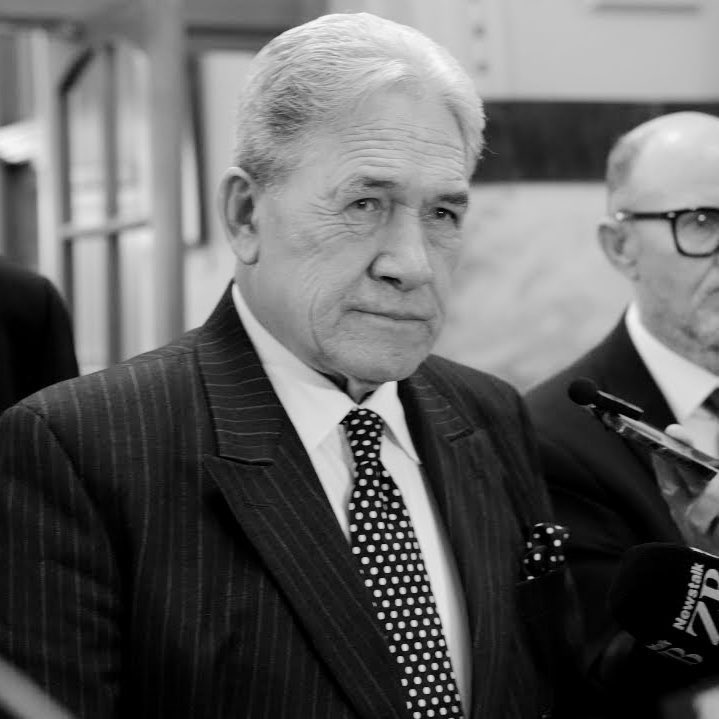
Exposé: Winston Peters and the politics of distraction, his political strategy unveiled
Winston Peters has built a political career on performance based on theatrical politics. He presents himself to the nation as a defender of ordinary everyday Kiwis, but his methods often lean on the tools of distraction and division.
Rather than offering consistent solutions Peters frequently gravitates toward conspiracy-tinged rhetoric and selective bias that keeps him in the media headlines. This technique he uses is carefully crafted to keep him in the spotlight and keep opposition out of media spectacles as much as possible.
Over the years Peters positioned himself as a bias critic of the media, highly respected academics, and government institutions, suggesting they are compromised or hiding the truth. During the COVID-19 pandemic he questioned the integrity of public health messaging and hinted that information was being deliberately withheld speaking conspiracy rhetoric to attract new voters. While careful not to endorse outright conspiracy theories his style was to flirt with their language most commonly resembling conservative news radio shows like Reality Check Radio and others, where he would appear to entice this new audience, reinforcing distrust rather than building clarity in public health measures.
Peters is skilled at presenting himself as the champion of ‘the people’ while targeting groups and individuals and using a tactic known as theatrics in reference to Nicky Hager’s 2014 book exposing political corruption in Aotearoa New Zealand. He paints scientists and professionals as outsiders, while gaining the support of micro-bloggers, as seen in podcast interviews with far-right conservative blogger Cameron Slater, and social cohesive measures to influence and entice unsuspecting audiences into believing twisted narratives, though this is alleged. He has accused journalists of collusion and attacking him, portrayed bureaucrats as enemies of the taxpayer, and cast his political rivals as serving foreign interests, when in-fact he himself has imported culture wars from abroad and been using this corrupt technique to influence the masses. These narratives simplify complex issues into a struggle between a corrupt establishment and an aggrieved public keeping his base energised but leaving policy solutions vague.
Rather than outlining detailed economic or social reform, Peters frequently recycles suspicions around foreign ownership, immigration, and alleged hidden agendas all designed to sway public opinion away from the truth that he is the one behind a lot of this, allegedly. People have been waking up to his political techniques but no one up until recently started to expose this type of corruption. He frames debate around the idea that Aotearoa New Zealand is constantly under threat from shadowy forces. This framing serves him politically, it keeps him as the figure who claims to see what others deny, but it leaves the country with little in the way of forward-looking strategy.
Winston Peters thrives on distrust. Everyone is becoming more aware of this. His speeches often sound less like governing roadmaps and more like talk-radio performances designed to provoke, calling journalists activists for the Greens party with no substantive evidence or the media as Labour-party supporters, again, without actual evidence. For his supporters, this may be entertaining and reassuring. For the nation, it risks keeping public debate trapped in suspicion rather than focused on solutions.
To see through Peters’ performances everyone needs to look past the rhythm of his speeches and focus on the evidence behind his claims. The simplest way to cut through is to ask: does he provide verifiable facts, or only suspicion? Does his story change depending on who he is speaking to? And most importantly, does his narrative offer a practical solution or only a target to blame?
#nzpol
@CrowleyOnAir@BBCRadioLondon One - Shapeshifter
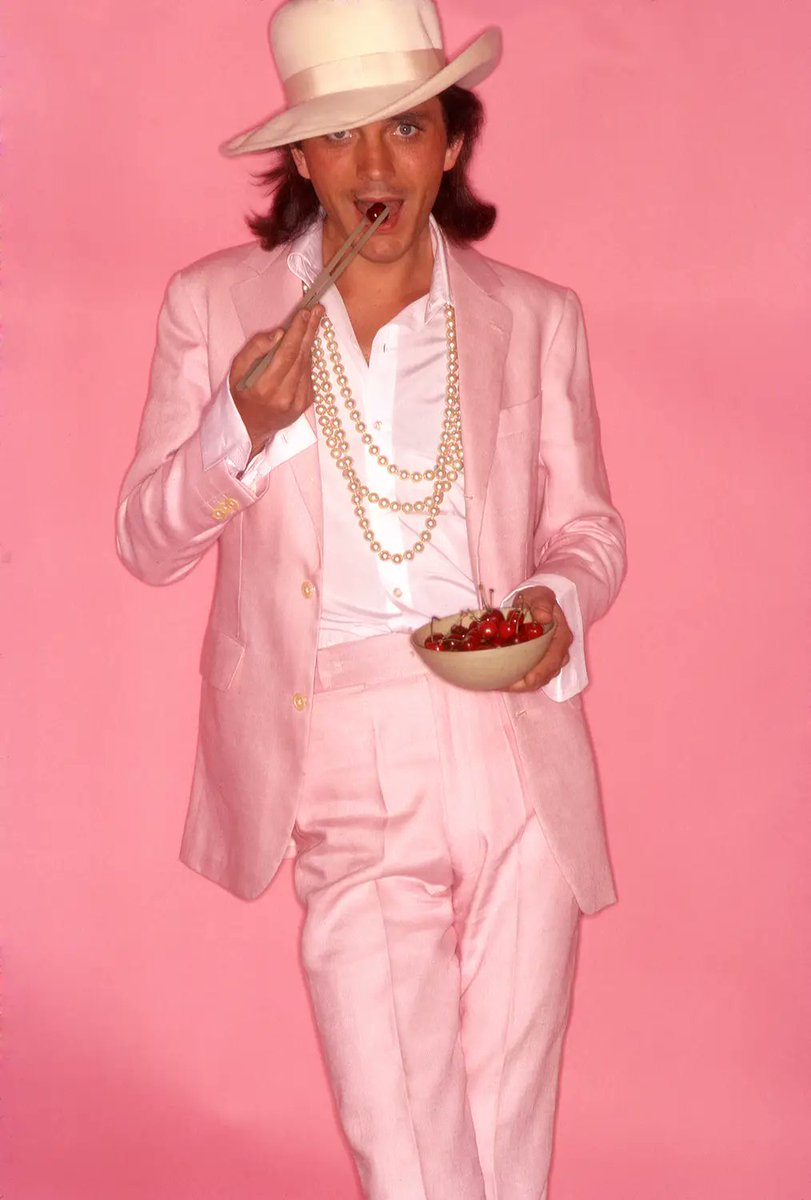
One Step Ahead - Split Enz
The One I Love - R.E.M.
One Love - The Prodigy
Here's One that got away - Style Council
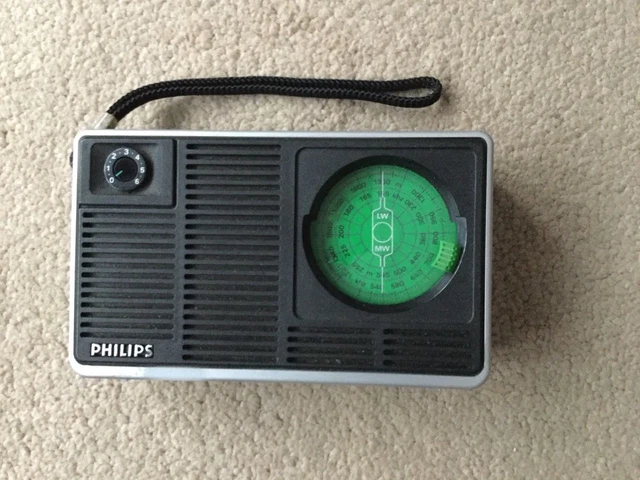
@CrowleyOnAir@BBCRadioLondon I was perhaps a bit ahead of my time wearing a green snorkel parka wondering round with my Phillips in my pocket and connected to set of Sony cans on my ears.
https://t.co/ORmxqtklQF
https://t.co/lxJfdmjTvC
@QueenMab87 <sprainseyebrow> How did they come up with this? To answer the question it conflates eudiamonic/hedonic outcomes with nutritional requirements. The link is tenuous at best.