Volvo’s Sustainability Chief on the Brand's Shift from ‘EV or Bust’
Volvo recently announced a delay in its ambitious plan to sell only electric vehicles (EVs) by 2030, citing a lack of market demand. “We’re adjusting our timeline,” said Vanessa Butani, Volvo's head of global sustainability. “We’re ready, but the market isn’t.”
A few years back, automakers were racing to go all-in on EVs, with Volvo setting a bold 2030 deadline. “We choose to invest in the future — electric and online,” declared then-CEO Håkan Samuelsson. Last year, the brand reaffirmed its commitment to an all-electric lineup by 2030, “no ifs, no buts.”
Now, however, Volvo is pivoting to a mix of hybrids and battery electric vehicles, aiming for “90 to 100 percent electrified models” by 2030, with carbon neutrality targeted for 2040. Butani describes this as a necessary “adjustment.”
This shift comes amid declining interest in EVs, with only 22% of new-vehicle shoppers considering an EV, down 4.2% from last year. “We want to go electric,” Butani emphasized, calling for collaboration within and outside the industry to make it happen.
Butani criticized government efforts, noting, “Incentives are being pulled back, and infrastructure isn’t developing quickly enough.” While charging infrastructure is improving, many manufacturers, including Volvo, have faced challenges due to changes in federal EV tax credit eligibility.
Volvo's Chinese ownership complicates matters further. The company planned to launch its compact EX30 SUV at a competitive price of $35,000 in the US, but new tariffs on Chinese-made EVs have delayed production. Now, the EX30 may not arrive in the US until late 2025.
Despite these hurdles, Butani remains optimistic. The adjustments will only slightly impact emissions reductions—30-35% by 2025 instead of 40%, and 65% by 2030 instead of 75%. “It’s a small adjustment,” she concluded. “We’re still committed.”
#AFazenda16 #ENGFAxHOWEAWARDS2024 #GolpeDeEstado #tech
Nintendo’s Shiny New Museum: A Playful Showcase Lacking Depth
Nintendo's new museum in Kyoto offers a polished journey through the company's century-long history, but it lacks depth and revelations. Inspired by Shigeru Miyamoto's annual presentations to new staff, the museum opens on October 2nd in a former playing card factory, but tickets are only available through a lottery system.
From the outside, the museum appears unremarkable, but playful elements like warp pipes and Toad figures greet visitors. The main floor has a theme park vibe with interactive exhibits, including oversized controllers that require teamwork to play classic games. While these experiences are fun, they don't provide much insight into Nintendo's history.
The real historical content is found upstairs, where a timeline of Nintendo's evolution is displayed. Visitors can see everything from early hanafuda cards to various failed products, like the Virtual Boy. However, the museum lacks context; brief descriptions are provided, but there's little information on the cultural impact of the products or the creators behind them. Notably absent are the names of influential figures like Miyamoto and other key developers.
This omission reflects Nintendo's product-first philosophy, which may not bother die-hard fans but leaves a gap in understanding the company's legacy. A small section of hardware prototypes hints at what the museum could be if it showcased more behind-the-scenes insights. Miyamoto expressed a desire to include more of these features in the future.
Ultimately, the museum serves to project Nintendo's curated image as an entertainment company, especially as it navigates a pivotal moment in its history. While it highlights Nintendo's achievements, it misses the opportunity to explore the messy, human stories that shaped the company.
#AliAminGandapur #fcklive #tech #techhouse
OpenAI started as a research lab but has now transformed into just another tech company. Initially, it aimed to help humanity by developing artificial general intelligence, but as funding poured in, the tension between its altruistic mission and profit pressures began to surface.
Following the release of a new model that claims to "reason," OpenAI is on the verge of dropping its nonprofit status, with several senior executives leaving and CEO Sam Altman solidifying his power. Chief Technology Officer Mira Murati announced her departure to "create time and space for my own exploration," and other key leaders followed suit.
Originally a nonprofit, OpenAI later established a for-profit subsidiary, OpenAI LP, to raise funds for AGI development. However, reports suggest the company is now valued at nearly $150 billion, with no clear path to profitability, as it seeks substantial investments.
As the company undergoes these changes, its nonprofit parent may lose control. Altman has indicated that OpenAI plans to restructure as a for-profit entity next year, leading to a wave of executive departures.
This shift has raised concerns among long-term employees who joined to focus on AI research rather than commercial products. OpenAI seems to be prioritizing rapid product launches, even before ensuring safety, which contrasts with the careful approach typical of research labs.
In summary, OpenAI is evolving into a conventional tech company under the control of a powerful executive, a structure it initially sought to avoid. Altman expressed hope that this transition would ultimately strengthen OpenAI.
Welcome to Meta’s Future: Where Everyone Wears Cameras
*See that little circle? That’s a camera.*
At Meta’s Menlo Park campus, I was surrounded by cameras—not the usual security ones, but Ray-Ban and Meta’s smart glasses, which the company envisions as our future eyewear. During the Connect conference, I saw cameras everywhere: in the updated Ray-Ban smart glasses, the new Quest 3S VR headset, and the prototype Orion AR glasses, which Meta calls a “time machine” for future AR experiences.
The Ray-Ban smart glasses are becoming popular, with CEO Mark Zuckerberg claiming sales are booming. While they lack a display for augmented reality, they’re designed to encourage sharing our lives online. As I roamed the campus, I noticed the distinctive camera cutouts on many pairs of glasses, one for a 12MP camera and another for an indicator light that flashes when recording.
This light should have reassured me, but instead, it made me hyper-aware of being filmed. Conversations felt tinged with anxiety as I wondered if someone was capturing my lunch moments.
Then I tried on a pair myself, and everything shifted. Instead of feeling like a potential target, I was eager to record everything around me. The experience of having a camera at eye level was captivating; I could snap photos or videos instantly, capturing moments without fumbling for my phone. It was a glimpse into a future where seamless recording is the norm.
While camera phones have already changed our social landscape, the thought of everyone having instant access to recording raises concerns. Sure, it’s great for capturing candid moments, like my baby’s first smiles, but it also opens the door to privacy invasions and unwanted exposure online.
Switching to smart glasses poses challenges too, especially for those who rely on them for vision. Imagine needing to wear them in awkward situations, like public restrooms. While the current Ray-Ban models are mostly sunglasses, Meta is likely eyeing a future where they become everyday eyewear.
Despite their potential, there’s no guarantee these glasses will catch on outside Meta’s bubble. They’re fun and innovative, but the question remains: are we ready for a world where everyone wears cameras? That’s both exciting and a little terrifying.
#tech #digital #ElectricShock #LISAOnGlobalCitizenFestival
3Hollywood and Silicon Valley Clash Over AI Safety Bill SB 1047
The battle for California's SB 1047, a groundbreaking AI safety bill, showcases a widening rift between Hollywood elites and Silicon Valley tech moguls. While many tech billionaires have shifted their political support to the right, Hollywood's biggest stars remain staunchly blue, rallying behind figures like Kamala Harris.
SAG-AFTRA, the powerful union for performers, is no stranger to using legislation to advance its interests. Currently tracking 18 AI-related bills, its endorsement of SB 1047 marks a significant move, as it’s the first time the union has backed an AI bill not directly tied to the entertainment industry. This could sway Governor Gavin Newsom, especially since many signatories of a recent letter urging his support are prominent figures in Hollywood.
Stars like Mark Hamill and J.J. Abrams, who previously supported Newsom during his 2021 recall election, have signed on to the SB 1047 letter. In 2024, California passed over 40 AI bills, but none have faced as much industry pushback as this one.
While Newsom has stood up to powerful industries like fossil fuels, he has been more cautious with tech. Recently, he brokered a deal that avoided taxing tech giants to fund local journalism, a move criticized by journalist unions.
At the Dreamforce event, Newsom expressed concerns about the potential "chilling effect" of SB 1047 on innovation, hinting at a possible veto. He emphasized the need to distinguish between real and hypothetical risks in AI.
Some celebrity supporters feel misled by Newsom's earlier actions, fearing he may veto the crucial bill after signing others to distract from it. However, many still trust him to make the right decision.
The Hollywood letter warns that AI risks are no longer theoretical, citing potential threats like cyberattacks and biological weapon access. Signatories, including filmmaker Adam McKay, urge Newsom to prioritize public safety over Big Tech interests.
As this high-stakes drama unfolds, all eyes are on Governor Newsom, who holds the fate of SB 1047 in his hands. Will he side with Hollywood or Silicon Valley? The final act is yet to come!
#Hamster_Kombat #ifkgbg #Israel #MayaAwards24xFreenBecky #tech #digital
Google’s Ad Tech Monopoly: Witnesses Speak Out
“Holding us hostage,” one witness claimed.
The DOJ argues that Google’s tactics to maintain control over the ad tech market are far from benign. When publishers began raising floor prices for AdX to diversify their ad sales, Google responded with Unified Pricing Rules (UPR) in 2019, enforcing a single price across all exchanges. This move left publishers feeling like Google was “holding us hostage,” according to former News Corp executive Stephanie Layser. Despite anticipating backlash, Google implemented UPR, leaving publishers with little choice but to comply.
A Web of Control
The DOJ asserts that Google’s ownership of products across the ad tech landscape allowed it to dictate terms that publishers couldn’t refuse. When faced with potential competition, Google often resorted to acquisitions, stifling innovation before it could take root. While Google claims these strategies enhance efficiency, the DOJ argues they merely quash competition.
The trial also highlights Google’s controversial practice of labeling documents as attorney-client privileged, raising suspicions about its transparency. The DOJ is pushing for an adverse inference against Google for allegedly destroying evidence, suggesting that missing documents could indicate wrongdoing. Google counters that it has produced millions of documents, but witnesses struggled to justify why certain communications were deemed “privileged,” fueling the DOJ’s claims of monopoly power.
What Lies Ahead
As Google presents its defense, it’s calling on witnesses, including federal advertisers, to showcase the value of its products. The company argues that being successful isn’t illegal and that its integrated services improve user experience. They also cite a Supreme Court ruling stating that companies can’t be forced to negotiate with competitors.
However, Google is on the defensive, having faced two significant antitrust losses recently. Internal emails reveal that even Google executives recognized the potential issues with their dominance. Former executive Jonathan Bellack compared Google’s ad tech control to major financial institutions owning the stock exchange, questioning whether their structure was “unacceptable” to publishers.
Now, it’s up to the judge to determine whether Google’s practices are anti-competitive or simply the result of a successful business strategy.
#Courreges #DevaraBookings #FreeCitizens #tech
Marques Brownlee says ‘I hear you’ after fans criticize his new wallpaper app
MKBHD’s new Panels app asks for a lot of permissions and costs $49.99 per year.
By Emma Roth, a news writer who covers the streaming wars, consumer tech, crypto, social media, and much more. Previously, she was a writer and editor at MUO.
If you buy something from a Verge link, Vox Media may earn a commission. See our ethics statement.
Screenshot: The Verge
Marques Brownlee, the YouTuber known as MKBHD, has responded to backlash over the launch of his new wallpaper app, called Panels. In a post on Tuesday, Brownlee says he’s going to address users’ concerns about pricing and “excessive data disclosures.”
Brownlee revealed the new app as part of his iPhone 16 review on Monday — a video that’s usually among his biggest of the year. But a flood of criticism about the Panels app quickly overshadowed comments about the new iPhone. “Part of building in public is getting mass feedback immediately, which is pretty dope. Almost exactly like publishing a YouTube video,” Brownlee said.
Panels is meant to offer access to a curated selection of “stunning full resolution wallpapers” from digital artists, but fans aren’t happy about the subscription that comes along with it. It costs $49.99 per year (or $11.99 per month) for a Panels Plus subscription, which lets you download all the wallpapers in the app in high resolution. You can still access a more limited selection of wallpapers for free, but you can only download them in standard definition and have to watch two ads first.
“As far as pricing, I hear you! It’s our own personal challenge to work to deliver that kind of value for the premium version,” Brownlee said on X. “I’ll also be dialing back ad frequency for the free experience.”
Users on the iOS version of Panels also pointed out some privacy concerns, as the app asks to track your activityacross other websites and apps and also appears to use location data. Brownlee says these data disclosures are “likely too broad” and that “we’d never actually actually ask for your location, internet history, etc.” He says the Panels team is working to fix the issue. *The Verge* reached out to Brownlee with a request for comment but didn’t immediately hear back.
Related
- The business of influence with MKBHD
Brownlee has increasingly been dabbling in building his own products, after a decade-plus as a reviewer. He joined the accessories maker Ridge mkbhd-just-signed-on-to-start-making-actual-products-with-accessories-brand-ridge) as chief creative partner and worked on a sneaker collaboration with Atoms. Brownlee says this new wallpaper app is built “from scratch” and will split profits with the digital artists featured in the app 50/50. The app is “starting off as a wallpaper app now,” Brownlee says, but he promises it will “be pretty consistently improving over time.”
#X #new #Digital #ai #google #notebook0616
X Will Allow Blocked Users to See Your Posts
Now, users you’ve blocked will be able to view your public posts, but they won’t be able to interact with them.
By Emma Roth and Kylie Robison
X will now allow blocked users to see your posts. In a reply on Monday, X owner Elon Musk stated that the “block function will prevent that account from engaging with, but not from seeing, public posts.”
Currently, when a blocked user tries to view your profile, X displays a “You’re blocked” message. This feature not only blocks all posts but also prevents users from seeing replies, media, followers, and following lists.
While a source at X mentioned that the platform is making this change because users can already view posts from those who have blocked them when using another account or when logged out, it has been observed that X actually prevents users from viewing someone’s profile if they are logged out.
Musk has been vocal about his discontent with the block button. Last year, he remarked that the feature “makes no sense” and suggested it should be replaced with a stronger form of mute. He also threatened to completely remove the ability for users to block others on the platform, except in direct messages.
Even though X’s block button will still prevent someone from interacting with a user’s posts, they will still be able to see them, potentially making it easier for malicious actors to continue harassing their victims.
#Tweet #DevaraTrailer #ApoFlyToDiorSS25 #TeamDiana #X #new
Meta Has a Major Opportunity to Win the AI Hardware Race
The Ray-Ban Meta smart glasses exceeded expectations in a year when AI gadgets flopped, but can it maintain this momentum?
This year, AI wearables have struggled, despite initial optimism that AI hardware could be the next big thing. Products like the Humane AI Pin and Rabbit R1 failed to deliver on their promises.
Smart glasses and augmented reality headsets have gone through similar hype cycles, with products like Google Glass not achieving commercial success. Ironically, the Ray-Ban Meta smart glasses have emerged as a standout in the AI wearable space, surpassing even Meta's expectations.
The success of the Meta glasses can be attributed to their style and execution. They come in various styles and colors, priced at $299, making them more appealing compared to high-end alternatives. The audio and call quality are good, and the video and photo quality is sufficient for social media sharing.
This device easily fits into people's lives now, with AI being just one of its features. Users can identify objects, translate menus, or make video calls. While these features may not be perfect, they are functional.
Looking ahead, Meta's challenge is to enhance the AI's practicality, shifting it from being "occasionally convenient" to an "everyday essential." Meta has no issues with style and wearability and has secured a long-term partnership with EssilorLuxxotica, paving the way for future improvements.
Next week’s Meta Connect event will be a key opportunity for Meta to showcase its capabilities. A successful outcome would not only solidify its market position but also inspire hope for the future of AI hardware.
Reprinted from https://t.co/D5AUIbK5w8
By Victoria Song
Photos by Amelia Holowaty Krales
#ai #Brandenburgwahl2024 #tech #digital #Digital
Google Employees' Attempts to Hide Information May Backfire: Concerns Arise Over "Off-the-Record" Communication Strategies in Legal Investigation
Google employees' efforts to conceal information during an investigation may backfire. Despite being instructed to preserve communications, employees labeled emails as "privileged and confidential" and used "off-the-record" language in chats. Such strategies could lead a judge to believe that Google intentionally destroyed evidence that would be detrimental to its case.
Recently, former Google ad executive Chris LaSala testified that the company employed various tactics during the legal investigation, including defaulting chat history to off. He admitted that, despite his efforts to comply with legal requirements, there were instances where important conversations were not fully documented. LaSala even suggested to a colleague in a chat to "turn off history" to avoid leaving a trace.
Other witnesses indicated that Google employees often discussed work in chats as casually as if they were bumping into each other in a hallway. Although Google provided legal training on "Communicate with Care," employees were still aware that their words could be used against the company. A Google spokesperson stated that the company takes its obligation to preserve and produce relevant documents seriously and has provided millions of documents to the Justice Department.
In Google's first antitrust trial, the judge did not impose an adverse inference but warned that any company placing the burden of evidence preservation on employees does so at its own risk. Google escaped sanctions in that case, but it may not be so fortunate in the future.
Reprinted fromhttps://www.theverge.com/
By Lauren Feiner
#google #Google #ENHYPENonPradaSS25 #GrandeFratello
Apple iPhone 16 Pro Review: Small Update, Big Surprise
Should you upgrade for a single camera feature?
The iPhone 16 Pro feels unfinished, with many key features, including Apple Intelligence AI and the new Camera Control button, set to arrive in future updates. Even minor updates, like the new Siri animation, are missing.
Price: $999
Pros
- New tone control in the camera reduces HDR processing
- Physical shutter button is a welcome addition
- Enhanced 4K120 video capabilities
Cons
- Camera Control button can be tricky to use
- Default photo processing is overly aggressive
- Minimal upgrades from the iPhone 15 Pro
At *The Verge*, we focus on what's currently available. The iPhone 16 Pro is largely a minor update to the iPhone 15 Pro, with little incentive to upgrade. However, the new tone control feature significantly improves photo quality, allowing for less aggressive tone mapping. This could make the upgrade worthwhile for photography enthusiasts.
While you could use third-party camera apps for similar results, the tone control feature is a notable improvement for iPhone users who find their photos lacking.
The new editing capabilities require adjustments to the Photonic Engine, allowing users to modify styles after taking photos. However, this results in larger file sizes and a somewhat cumbersome editing process. The current style editing tools feel imprecise, and managing styles can be challenging.
Apple's approach to skin tones lacks the clarity seen in competitors like Google, which focuses on accurate representation. The mood styles are fun but not groundbreaking, and the new spatial audio recording feature is complicated and underwhelming.
There are no generative AI features this year, but a future update will introduce a "Clean Up" feature for object removal.
Other features include a display that dims to 1 nit, a larger screen size, and the A18 Pro chip, which offers minimal noticeable performance improvements. Apple claims better battery life, but we'll see how that holds up.
The iPhone 16 Pro starts at $999 for the 128GB model, while the Pro Max starts at $1,199 for 256GB, with similar color options to last year.
In summary, the iPhone 16 Pro is an iterative update with few compelling reasons to upgrade from the 15 Pro. While it offers interesting photography features, it feels incomplete, and potential buyers may want to wait for future updates before purchasing.
Reprinted from [Theverge]
by Nilay Patel
#Apple #AppleEvent #iPhone #iPhone16 #iPhone16Pro #iPhone16ProMax #review #LCDLFMX
Apple Watch Series 10 Review: A Sleek Evolution
Bigger Display, Better Design
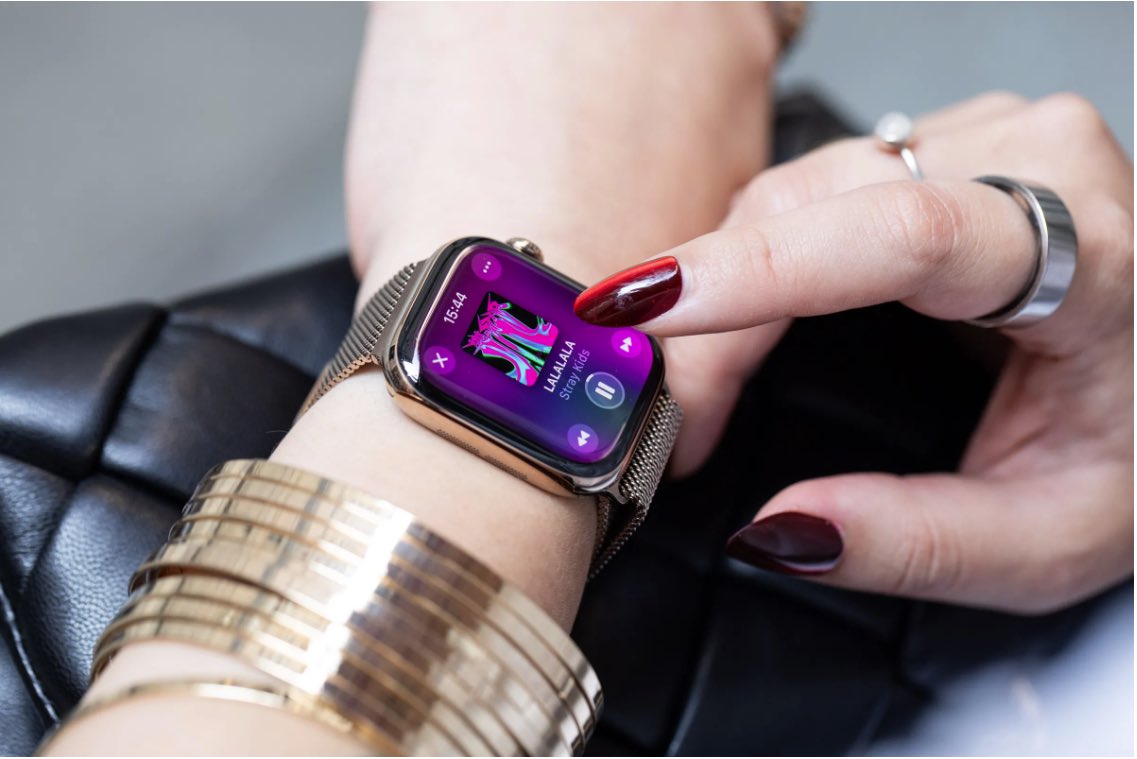
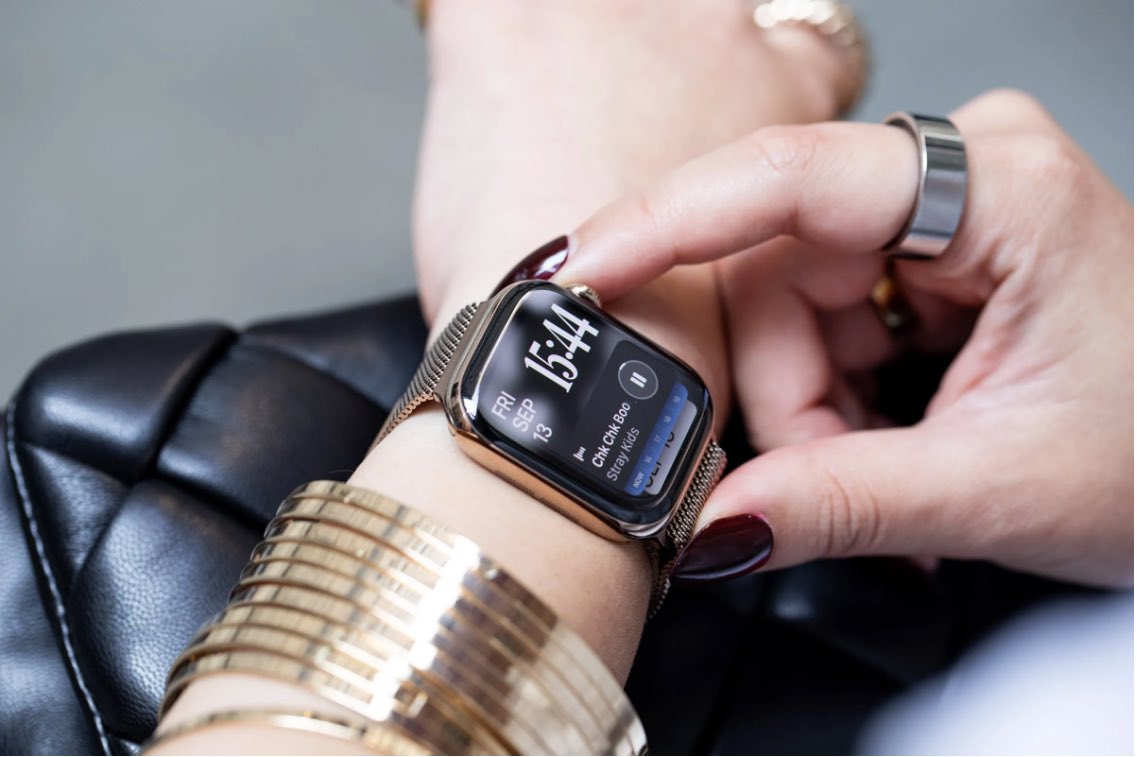
The Apple Watch turns 10, a remarkable milestone in the tech world. Instead of a grand celebration, Apple offers the Series 10, a subtle yet smart upgrade. The focus is on maximizing display size without sacrificing comfort or battery life.
A Comfortable Upgrade
The Series 10 features the largest display yet, measuring 42mm and 46mm. While I usually prefer smaller watches, the enhanced screen is a game-changer, especially for those with less-than-perfect vision. Surprisingly, the Series 10 is lighter and thinner than the Ultra 2, making it more comfortable for daily wear.
The wide-angle OLED display allows for easy viewing from various angles, making it a breeze to check notifications discreetly.
Fast Charging and Battery Life
While larger watches often mean better battery life, the Series 10 defies this trend. Thanks to a larger charging coil, it charges from 0 to 80% in just 30 minutes. A quick 15-minute charge provides eight hours of use, making it ideal for sleep tracking.
Health Features
This year’s standout health feature is sleep apnea detection, recently cleared by the FDA. While I haven’t fully tested it yet, it promises to monitor breathing disturbances over time, offering a helpful warning rather than a diagnosis.
However, the Series 10 lacks blood oxygen monitoring in the U.S., which may disappoint some users. Still, for most, this feature isn’t a dealbreaker.
Series 10 vs. Ultra 2
If you own a Series 5 or older, the Series 10 is a worthy upgrade. For those torn between the Ultra 2 and Series 10, the latter’s lighter design and larger screen make it a compelling everyday watch, despite the Ultra’s advanced features.
Conclusion
The Series 10 may not be revolutionary, but it excels in wearability and functionality. With its sleek design and improved features, it stands out as the most user-friendly Apple Watch in years.
Agree to Continue: Apple Watch Series 10
Using the Series 10 requires agreeing to various terms, including those for your iPhone and optional services. If you enable cellular service, you’ll also need to agree to your carrier’s terms.
In total, expect one mandatory agreement plus several optional ones.
#tech #Apple #AppleEvent #digital
Apple Watch Series 10 Review: A Sleek Evolution
Bigger Display, Better Design
The Apple Watch turns 10, a remarkable milestone in the tech world. Instead of a grand celebration, Apple offers the Series 10, a subtle yet smart upgrade. The focus is on maximizing display size without sacrificing comfort or battery life.
A Comfortable Upgrade
The Series 10 features the largest display yet, measuring 42mm and 46mm. While I usually prefer smaller watches, the enhanced screen is a game-changer, especially for those with less-than-perfect vision. Surprisingly, the Series 10 is lighter and thinner than the Ultra 2, making it more comfortable for daily wear.
The wide-angle OLED display allows for easy viewing from various angles, making it a breeze to check notifications discreetly.
Fast Charging and Battery Life
While larger watches often mean better battery life, the Series 10 defies this trend. Thanks to a larger charging coil, it charges from 0 to 80% in just 30 minutes. A quick 15-minute charge provides eight hours of use, making it ideal for sleep tracking.
Health Features
This year’s standout health feature is sleep apnea detection, recently cleared by the FDA. While I haven’t fully tested it yet, it promises to monitor breathing disturbances over time, offering a helpful warning rather than a diagnosis.
However, the Series 10 lacks blood oxygen monitoring in the U.S., which may disappoint some users. Still, for most, this feature isn’t a dealbreaker.
Series 10 vs. Ultra 2
If you own a Series 5 or older, the Series 10 is a worthy upgrade. For those torn between the Ultra 2 and Series 10, the latter’s lighter design and larger screen make it a compelling everyday watch, despite the Ultra’s advanced features.
Conclusion
The Series 10 may not be revolutionary, but it excels in wearability and functionality. With its sleek design and improved features, it stands out as the most user-friendly Apple Watch in years.
Agree to Continue: Apple Watch Series 10
Using the Series 10 requires agreeing to various terms, including those for your iPhone and optional services. If you enable cellular service, you’ll also need to agree to your carrier’s terms.
In total, expect one mandatory agreement plus several optional ones.
#tech #Apple #AppleEvent #digital
Apple’s AirPods Pro 2: A Game Changer for Hearing Aids
In a surprising twist amidst the launch of new gadgets, Apple announced an exciting upgrade for its two-year-old AirPods Pro 2: a hearing aid feature accessible to everyone! This innovation promises a budget-friendly alternative to traditional hearing aids, potentially transforming how people address hearing loss.
Thanks to the FDA's 2022 approval of over-the-counter hearing aids, Apple is set to roll out its “clinical-grade” hearing aid capability as a free software update this fall. Users can take a quick five-minute hearing test at home and create a personalized hearing profile, allowing the AirPods Pro 2 to amplify sounds based on individual needs. Plus, they’ll automatically adjust audio settings across Apple devices during calls, music, or gaming.
With AirPods already a common accessory, many users will have instant access to this new feature. Instead of cranking up the TV volume, they can simply pop in their AirPods Pro and enjoy enhanced sound. This is a significant leap from the previous status of AirPods as personal sound amplification products, which lacked FDA approval.
The new feature not only aids hearing but also includes a protection mode to filter out loud noises. As Nancy M. Williams from Auditory Insight puts it, “The longer you live with hearing loss, the more you realize that you want to protect the hearing that you’ve got.”
AirPods Pro 2 also boast a transparency mode for ambient sounds and conversation awareness to enhance voices while lowering media volume. This comprehensive solution is unmatched by other over-the-counter hearing aids.
Moreover, the discreet design of AirPods may help reduce the stigma often associated with hearing aids. At $249, they are significantly cheaper than many alternatives, making hearing assistance more accessible. However, users will need an iPhone with iOS 18 or newer for the feature to work.
While the battery life of up to six hours may be a drawback compared to other options, the AirPods Pro 2 could revolutionize access to hearing aids for millions. They’re not just hearing aids; they’re the most stylish and discreet option available!
By Emma Roth
Reprinted from https://t.co/D5AUIbK5w8
#Huawei #huawei #tech #phone #LesTraitres #digital #Digital #X #electric
Apple’s AirPods Pro 2: A Game Changer for Hearing Aids
In a surprising twist amidst the launch of new gadgets, Apple announced an exciting upgrade for its two-year-old AirPods Pro 2: a hearing aid feature accessible to everyone! This innovation promises a budget-friendly alternative to traditional hearing aids, potentially transforming how people address hearing loss.
Thanks to the FDA's 2022 approval of over-the-counter hearing aids, Apple is set to roll out its “clinical-grade” hearing aid capability as a free software update this fall. Users can take a quick five-minute hearing test at home and create a personalized hearing profile, allowing the AirPods Pro 2 to amplify sounds based on individual needs. Plus, they’ll automatically adjust audio settings across Apple devices during calls, music, or gaming.
With AirPods already a common accessory, many users will have instant access to this new feature. Instead of cranking up the TV volume, they can simply pop in their AirPods Pro and enjoy enhanced sound. This is a significant leap from the previous status of AirPods as personal sound amplification products, which lacked FDA approval.
The new feature not only aids hearing but also includes a protection mode to filter out loud noises. As Nancy M. Williams from Auditory Insight puts it, “The longer you live with hearing loss, the more you realize that you want to protect the hearing that you’ve got.”
AirPods Pro 2 also boast a transparency mode for ambient sounds and conversation awareness to enhance voices while lowering media volume. This comprehensive solution is unmatched by other over-the-counter hearing aids.
Moreover, the discreet design of AirPods may help reduce the stigma often associated with hearing aids. At $249, they are significantly cheaper than many alternatives, making hearing assistance more accessible. However, users will need an iPhone with iOS 18 or newer for the feature to work.
While the battery life of up to six hours may be a drawback compared to other options, the AirPods Pro 2 could revolutionize access to hearing aids for millions. They’re not just hearing aids; they’re the most stylish and discreet option available!
By Emma Roth
Reprinted from [The Verge](https://t.co/m8i8efMQLY)
#Apple #iphone16 #iPhone16Pro #iphone #tech #technologies #x
iPhone 16 Series: The Button Steals the Show!
Apple's big reveal is happening at 1 AM Beijing time on September 10, showcasing the iPhone 16 series, along with shiny upgrades for the Apple Watch and AirPods.
This year, they’re also rolling out Apple Intelligence, a suite of AI tools that includes an upgraded Siri. The iPhone 16 will be the first to fully embrace this new tech, with the event themed "It’s Glowtime"—because who doesn’t love a good glow-up?
1. The Touchy-Feely Camera Button Takes Center Stage
Apple is launching four new iPhones: iPhone 16, 16 Plus, 16 Pro, and 16 Pro Max. The non-Pro models will look familiar, sporting 6.1-inch and 6.7-inch screens, but with faster processors and a memory bump from 6GB to 8GB.
The Pro models will get a screen size upgrade (6.3 inches and 6.9 inches) and a fancy new touch-sensitive camera button that works like a DSLR shutter—light press to focus, hard press to snap! Plus, you can swipe to switch modes. Talk about a button that knows how to multitask!
2. AirPods Get a Speaker and a Hearing Health Boost
Apple is set to launch two new AirPods, complete with a case that has a built-in speaker for easy locating. They’re also pushing for hearing health, aiming to turn AirPods into hearing aids. The new feature, codenamed "Yodel," might be delayed, but it’s coming!
3. Apple Watch: Sleep Apnea Detection, But No Blood Oxygen Sensor
On the Apple Watch's tenth anniversary, all models will get updates. The Series 10 will sport a thinner case and larger screens, but don’t expect the blood oxygen sensor to return due to a pesky patent lawsuit. Instead, get ready for sleep apnea detection—because who doesn’t want their watch to be a sleep coach?
4. Macs Get M4 Chips, New iPads and AirTags on the Horizon
Apple is transitioning all Macs to M4 chips, but don’t hold your breath for immediate upgrades. New iPads and AirTags are also in the works, but they won’t be making an appearance until next year.
Conclusion: A Tech Showdown
As Apple gears up to showcase its generative AI prowess, it faces off against Huawei, which promises "epoch-making products." Who will steal the spotlight? Stay tuned for the tech showdown of the season!
#iPhon16 #iPhone #TechForumARG #saveprismalaserie #iPhone16Pro #phoneseks




![86_ltd's tweet photo. Apple iPhone 16 Pro Review: Small Update, Big Surprise
Should you upgrade for a single camera feature?
The iPhone 16 Pro feels unfinished, with many key features, including Apple Intelligence AI and the new Camera Control button, set to arrive in future updates. Even minor updates, like the new Siri animation, are missing.
Price: $999
Pros
- New tone control in the camera reduces HDR processing
- Physical shutter button is a welcome addition
- Enhanced 4K120 video capabilities
Cons
- Camera Control button can be tricky to use
- Default photo processing is overly aggressive
- Minimal upgrades from the iPhone 15 Pro
At *The Verge*, we focus on what's currently available. The iPhone 16 Pro is largely a minor update to the iPhone 15 Pro, with little incentive to upgrade. However, the new tone control feature significantly improves photo quality, allowing for less aggressive tone mapping. This could make the upgrade worthwhile for photography enthusiasts.
While you could use third-party camera apps for similar results, the tone control feature is a notable improvement for iPhone users who find their photos lacking.
The new editing capabilities require adjustments to the Photonic Engine, allowing users to modify styles after taking photos. However, this results in larger file sizes and a somewhat cumbersome editing process. The current style editing tools feel imprecise, and managing styles can be challenging.
Apple's approach to skin tones lacks the clarity seen in competitors like Google, which focuses on accurate representation. The mood styles are fun but not groundbreaking, and the new spatial audio recording feature is complicated and underwhelming.
There are no generative AI features this year, but a future update will introduce a "Clean Up" feature for object removal.
Other features include a display that dims to 1 nit, a larger screen size, and the A18 Pro chip, which offers minimal noticeable performance improvements. Apple claims better battery life, but we'll see how that holds up.
The iPhone 16 Pro starts at $999 for the 128GB model, while the Pro Max starts at $1,199 for 256GB, with similar color options to last year.
In summary, the iPhone 16 Pro is an iterative update with few compelling reasons to upgrade from the 15 Pro. While it offers interesting photography features, it feels incomplete, and potential buyers may want to wait for future updates before purchasing.
Reprinted from [Theverge]
by Nilay Patel
#Apple #AppleEvent #iPhone #iPhone16 #iPhone16Pro #iPhone16ProMax #review #LCDLFMX](https://pbs.twimg.com/media/GX0ibBpaoAAJ_J0.jpg)
![86_ltd's tweet photo. Apple iPhone 16 Pro Review: Small Update, Big Surprise
Should you upgrade for a single camera feature?
The iPhone 16 Pro feels unfinished, with many key features, including Apple Intelligence AI and the new Camera Control button, set to arrive in future updates. Even minor updates, like the new Siri animation, are missing.
Price: $999
Pros
- New tone control in the camera reduces HDR processing
- Physical shutter button is a welcome addition
- Enhanced 4K120 video capabilities
Cons
- Camera Control button can be tricky to use
- Default photo processing is overly aggressive
- Minimal upgrades from the iPhone 15 Pro
At *The Verge*, we focus on what's currently available. The iPhone 16 Pro is largely a minor update to the iPhone 15 Pro, with little incentive to upgrade. However, the new tone control feature significantly improves photo quality, allowing for less aggressive tone mapping. This could make the upgrade worthwhile for photography enthusiasts.
While you could use third-party camera apps for similar results, the tone control feature is a notable improvement for iPhone users who find their photos lacking.
The new editing capabilities require adjustments to the Photonic Engine, allowing users to modify styles after taking photos. However, this results in larger file sizes and a somewhat cumbersome editing process. The current style editing tools feel imprecise, and managing styles can be challenging.
Apple's approach to skin tones lacks the clarity seen in competitors like Google, which focuses on accurate representation. The mood styles are fun but not groundbreaking, and the new spatial audio recording feature is complicated and underwhelming.
There are no generative AI features this year, but a future update will introduce a "Clean Up" feature for object removal.
Other features include a display that dims to 1 nit, a larger screen size, and the A18 Pro chip, which offers minimal noticeable performance improvements. Apple claims better battery life, but we'll see how that holds up.
The iPhone 16 Pro starts at $999 for the 128GB model, while the Pro Max starts at $1,199 for 256GB, with similar color options to last year.
In summary, the iPhone 16 Pro is an iterative update with few compelling reasons to upgrade from the 15 Pro. While it offers interesting photography features, it feels incomplete, and potential buyers may want to wait for future updates before purchasing.
Reprinted from [Theverge]
by Nilay Patel
#Apple #AppleEvent #iPhone #iPhone16 #iPhone16Pro #iPhone16ProMax #review #LCDLFMX](https://pbs.twimg.com/media/GX0ibBnakAMmdnI.jpg)
![86_ltd's tweet photo. Apple iPhone 16 Pro Review: Small Update, Big Surprise
Should you upgrade for a single camera feature?
The iPhone 16 Pro feels unfinished, with many key features, including Apple Intelligence AI and the new Camera Control button, set to arrive in future updates. Even minor updates, like the new Siri animation, are missing.
Price: $999
Pros
- New tone control in the camera reduces HDR processing
- Physical shutter button is a welcome addition
- Enhanced 4K120 video capabilities
Cons
- Camera Control button can be tricky to use
- Default photo processing is overly aggressive
- Minimal upgrades from the iPhone 15 Pro
At *The Verge*, we focus on what's currently available. The iPhone 16 Pro is largely a minor update to the iPhone 15 Pro, with little incentive to upgrade. However, the new tone control feature significantly improves photo quality, allowing for less aggressive tone mapping. This could make the upgrade worthwhile for photography enthusiasts.
While you could use third-party camera apps for similar results, the tone control feature is a notable improvement for iPhone users who find their photos lacking.
The new editing capabilities require adjustments to the Photonic Engine, allowing users to modify styles after taking photos. However, this results in larger file sizes and a somewhat cumbersome editing process. The current style editing tools feel imprecise, and managing styles can be challenging.
Apple's approach to skin tones lacks the clarity seen in competitors like Google, which focuses on accurate representation. The mood styles are fun but not groundbreaking, and the new spatial audio recording feature is complicated and underwhelming.
There are no generative AI features this year, but a future update will introduce a "Clean Up" feature for object removal.
Other features include a display that dims to 1 nit, a larger screen size, and the A18 Pro chip, which offers minimal noticeable performance improvements. Apple claims better battery life, but we'll see how that holds up.
The iPhone 16 Pro starts at $999 for the 128GB model, while the Pro Max starts at $1,199 for 256GB, with similar color options to last year.
In summary, the iPhone 16 Pro is an iterative update with few compelling reasons to upgrade from the 15 Pro. While it offers interesting photography features, it feels incomplete, and potential buyers may want to wait for future updates before purchasing.
Reprinted from [Theverge]
by Nilay Patel
#Apple #AppleEvent #iPhone #iPhone16 #iPhone16Pro #iPhone16ProMax #review #LCDLFMX](https://pbs.twimg.com/media/GX0ibBmakAAEzuQ.jpg)



#Apple #iphone16 #iPhone16Pro #iphone #tech #technologies #x](https://pbs.twimg.com/media/GXU8z0JbwAAwYfX.jpg)



![86_ltd's tweet photo. Apple iPhone 16 Pro Review: Small Update, Big Surprise
Should you upgrade for a single camera feature?
The iPhone 16 Pro feels unfinished, with many key features, including Apple Intelligence AI and the new Camera Control button, set to arrive in future updates. Even minor updates, like the new Siri animation, are missing.
Price: $999
Pros
- New tone control in the camera reduces HDR processing
- Physical shutter button is a welcome addition
- Enhanced 4K120 video capabilities
Cons
- Camera Control button can be tricky to use
- Default photo processing is overly aggressive
- Minimal upgrades from the iPhone 15 Pro
At *The Verge*, we focus on what's currently available. The iPhone 16 Pro is largely a minor update to the iPhone 15 Pro, with little incentive to upgrade. However, the new tone control feature significantly improves photo quality, allowing for less aggressive tone mapping. This could make the upgrade worthwhile for photography enthusiasts.
While you could use third-party camera apps for similar results, the tone control feature is a notable improvement for iPhone users who find their photos lacking.
The new editing capabilities require adjustments to the Photonic Engine, allowing users to modify styles after taking photos. However, this results in larger file sizes and a somewhat cumbersome editing process. The current style editing tools feel imprecise, and managing styles can be challenging.
Apple's approach to skin tones lacks the clarity seen in competitors like Google, which focuses on accurate representation. The mood styles are fun but not groundbreaking, and the new spatial audio recording feature is complicated and underwhelming.
There are no generative AI features this year, but a future update will introduce a "Clean Up" feature for object removal.
Other features include a display that dims to 1 nit, a larger screen size, and the A18 Pro chip, which offers minimal noticeable performance improvements. Apple claims better battery life, but we'll see how that holds up.
The iPhone 16 Pro starts at $999 for the 128GB model, while the Pro Max starts at $1,199 for 256GB, with similar color options to last year.
In summary, the iPhone 16 Pro is an iterative update with few compelling reasons to upgrade from the 15 Pro. While it offers interesting photography features, it feels incomplete, and potential buyers may want to wait for future updates before purchasing.
Reprinted from [Theverge]
by Nilay Patel
#Apple #AppleEvent #iPhone #iPhone16 #iPhone16Pro #iPhone16ProMax #review #LCDLFMX](https://pbs.twimg.com/media/GX0ibCeagAAGmBH.jpg)


#Apple #iphone16 #iPhone16Pro #iphone #tech #technologies #x](https://pbs.twimg.com/media/GXU8z0_bgAIiTaq.jpg)




