To everyone who came by 8NAP House this weekend, joined us for an event, or stayed a little longer to talk about the art: thank you.
We’re grateful for the time you spent with us, with the work, and with each other. To the artists who trusted us with their work, thank you for giving us so much to gather around.
We leave Marfa more confident than ever in the future of art, and grateful to be helping build it with you.
Nice to see The Last Garden of the Gods shared again.
My first edition with @8NAP_ART. Thank you to everyone who's collected it so far. A few editions are still available, alongside work by some great artists.
https://t.co/IpywK3dIOK
@haydclay@SteveMiller Clear Boundaries is available to collect, with the stained-glass sculpture and digital work offered together.
DM @jared_poz to inquire
There’s a lot to notice in the places we’ve stopped paying attention to.
On Color Commentary, @HaydClay talks about everyday beauty and the room he leaves for your own interpretation of Clear Boundaries.
From Before It’s Gone, curated by @SteveMiller
Rocky had its premiere in New York City on November 20, 1976, and was released in the United States on December 3, 1976.
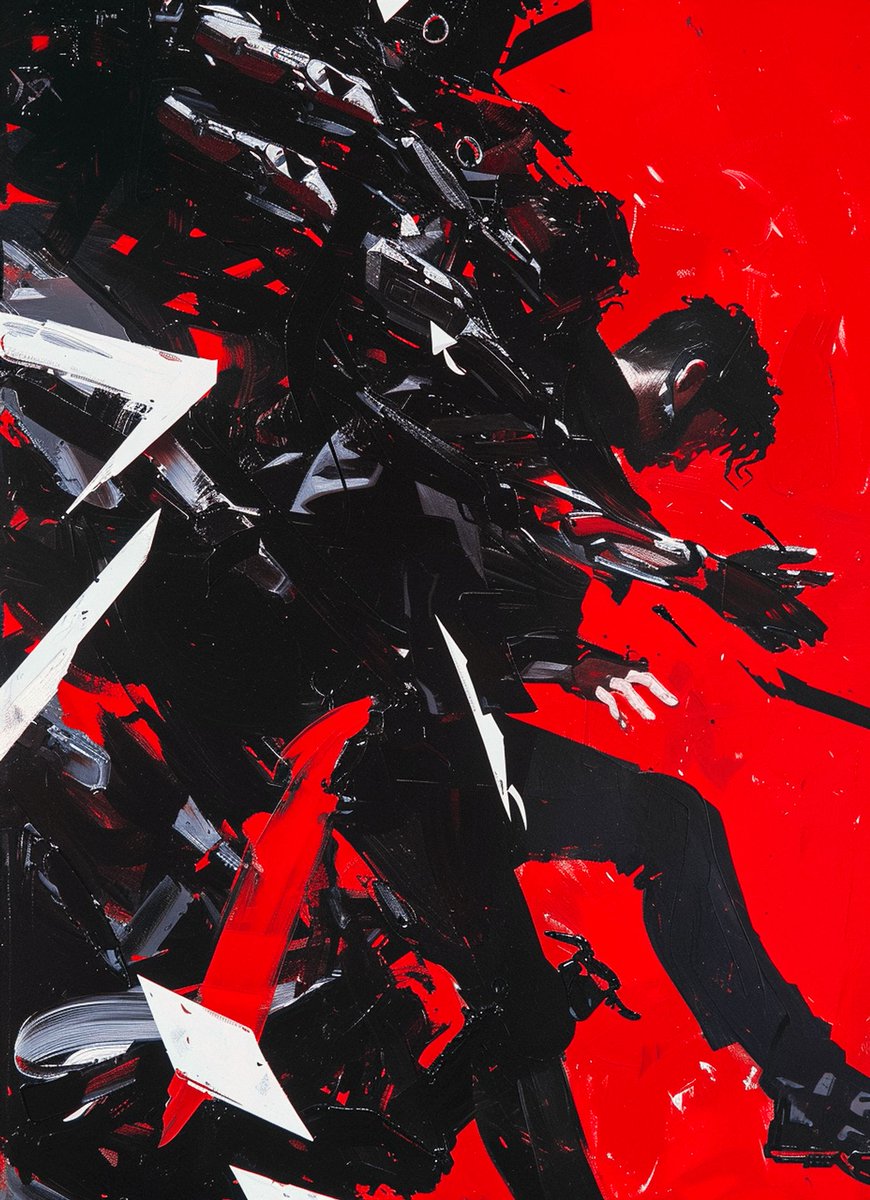
Issues #281 - Meat Boxing in the @8NAP_ART Treasury Vault.
A film reference hiding in plain sight on a magazine cover.
The Cube, Issues #491 by @deltasauce, takes its cue from the 1997 film Cube.
Collected by @LnJCloud1
@Coldie built En Marcha from photographs he made during his residency at Anahuacalli.
Figures and vessels from Diego Rivera’s collection became parts of a kinetic collage. At the public encounter, visitors could rearrange them on screen.
@dariolanza_art Explore Luminaries, a record of the artists, collectors, writers and developers who helped shape generative art:
https://t.co/8vxMb5mgqR
Harold Cohen spent decades turning his knowledge of painting into software.
His AARON program made drawings and paintings. Luminaries #3 by @dariolanza_art honours him as part of generative art’s history.
@RenAI_NFT@ricgalbraith@f3ier Ren’s images illustrate Ric Galbraith’s 35,000-word story. The character, district and chapter recorded with Cannot Escape connect it to that wider world.
Explore the collection:
https://t.co/LChnQI8iVV
The metadata tells you where to pick up the story.
'Cannot Escape' places Orion in The Hub, in chapter 4: The Life of a Dream.
Relics of a Fractured Horizon: art by @RenAI_NFT, story by @ricgalbraith
Collected by @f3ier
An outside perspective can be useful when you’ve spent so long inside your own work.
That’s part of curation at 8NAP. As we prepare a release together, we look closely at the work, offer specific feedback and talk it through.
The artist decides what to take from the conversation.
Forgotten gods return through what a civilisation leaves behind.
In The Last Garden of the Gods, @g0naji uses ruins, water and ritual to imagine mythology taking shape again.
From Digital Mythology. Collected by @Jediwolf (UnderTheGAN).
Before these cities, there was Acequia.
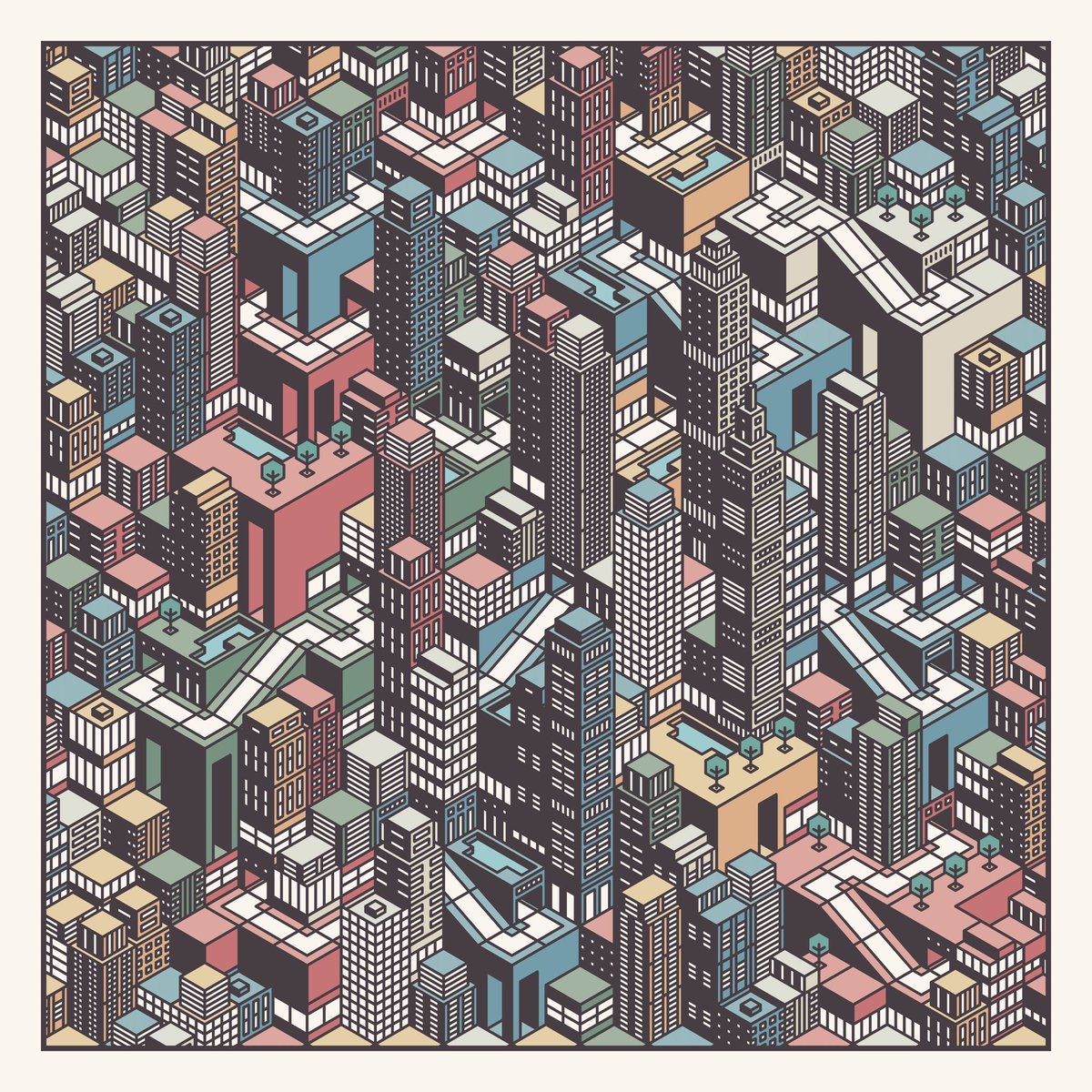
For IsoMetro, @rickacrane and Rich Poole brought the geometry of their earlier collaboration into an imagined urban landscape.
IsoMetro #266, collected by @tonyherrera.
What has an artist told you that changed the way you saw their work?
Maybe they explained a choice you hadn’t noticed, or told you where an idea began.
Those conversations are part of why we bring artists and collectors together. We want people to be able to ask about the work and get to know the person who made it.
How much of a city can you capture with just geometry and colour?
IsoMetro #354 by @rickacrane and @rich__poole, in their Mellow Mews palette.
Collected by @chinask1976