@josuebobadilla@antibosta912@Mastantuonismo Deberías esconderte por gordo, tetón y feo. Pero ahora que cambiaste la foto por cagón, lo peor es que tengo que fumarme tus asquerosas y deformes orejas.
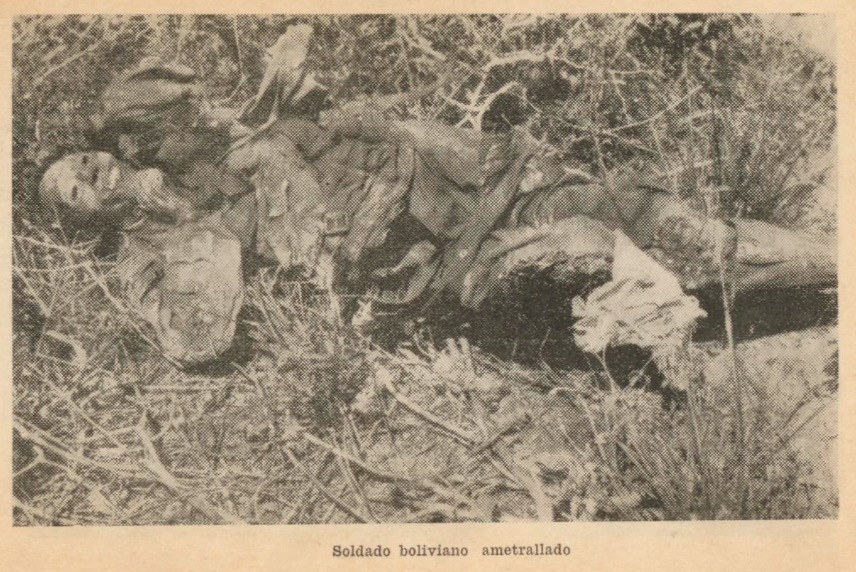
@SebastianVian69 En el pasado, nuestro ejército masacró a los argentinos en Corrientes, se alzó con cien mil cabezas de ganado y tomó a sus mujeres como botín de guerra. A los bolivianos los aniquilamos, eso se entiende. Pero con los mexicanos, la verdad no sé qué tenemos en común.
@Kuezsko@ElPatronCriollo@bizcochitaTV ¿Quién te dio vela en este entierro, mapuche infradotado? Los orcos chilenos viven arrinconados en un miserable pasillo con forma de tripa por arrugarse como cobardes y regalar la Patagonia sin pelear.
@rogerzam3344@jradoss Tenés coraje para opinar sobre países ajenos, congolombiano. Los brasileros son una raza infradotada, al igual que los zambos colombianos; por eso, Colombia y Brasil siempre serán basura.
@DrTBD_ Curepas, ni intenten debatir sobre guerras, que no se les da nada bien. Mejor sigan comiendo carne de burro y haciendo gárgaras con esperma inglés.
A powerful scene in the Odyssey happens when Odysseus finally returns to Ithaca after twenty years of war and wandering.
You would expect the story to end with celebration, with the hero coming home, the family reunited, and order restored.
Homer does something far stranger.
Odysseus arrives disguised as a beggar, because Athena warns him that the palace has been taken over by more than a hundred suitors who have been living there for years, eating his food, drinking his wine, and pressuring his wife Penelope to marry one of them.
They believe Odysseus is dead and in their minds the kingdom is already theirs.
So the king of Ithaca walks through his own halls dressed in rags while the men stealing his house sit comfortably at his tables. They mock him, throw scraps at him, and one of them even strikes him, and Odysseus takes it. That is the remarkable part, because the same man who blinded the Cyclops and survived twenty years of disasters now stands quietly while strangers insult him in his own home. Homer tells us his heart burns inside his chest and that he wants to attack them immediately, yet he restrains himself and waits.
Instead of striking, Odysseus studies the room carefully. He counts the men, watches their habits, and quietly observes which servants remain loyal and which have betrayed him. The hero of the Odyssey does something most people cannot do, which is delay revenge until the moment is right.
Eventually Penelope announces a contest and brings out Odysseus’ great bow, declaring that she will marry the man who can string it and shoot an arrow through twelve axe heads lined up in a row. One by one the suitors try and fail, because none of them can even bend the bow. Then the beggar asks for a turn. The suitors laugh at first, but the bow is eventually handed to him.
Odysseus takes it in his hands and strings it effortlessly. Homer says the sound of the bowstring tightening rings through the hall like the note of a swallow. Then he places an arrow on the string and sends it cleanly through all twelve axe heads.
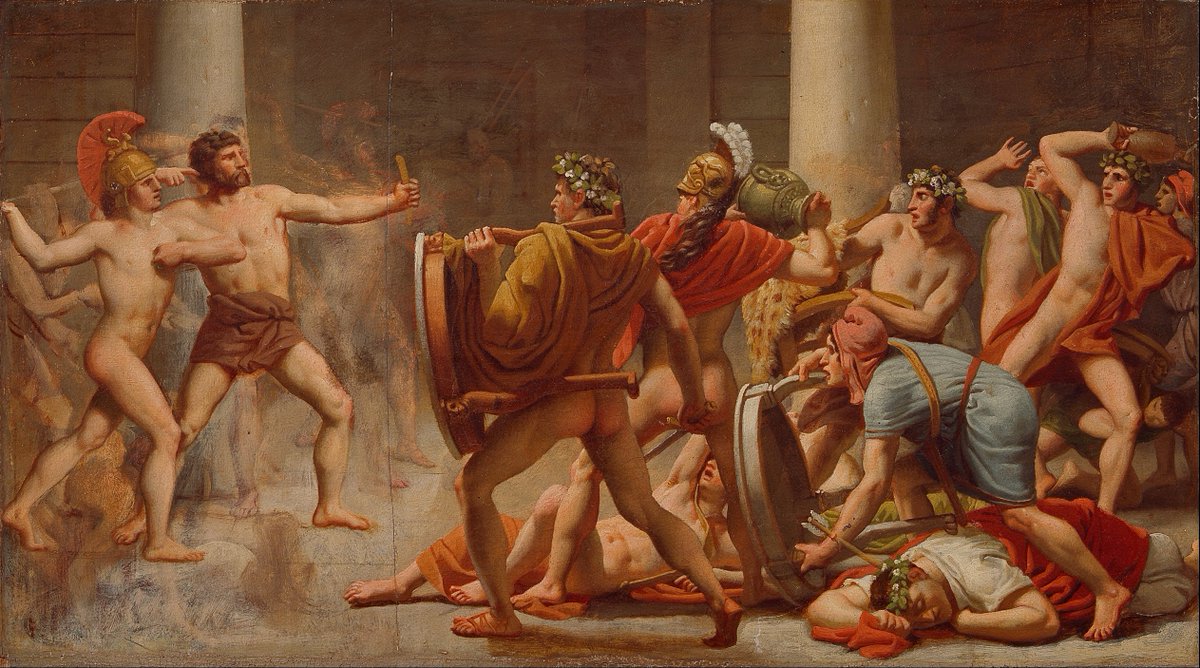
In that moment the beggar disappears. Odysseus turns the bow toward the suitors and reveals who he is.
What follows is one of the most brutal scenes in Greek literature. The doors are sealed and the suitors realize too late that they are trapped inside the hall. Odysseus, his son Telemachus, and two loyal servants begin killing them one by one. There is no escape, no mercy, and no negotiation. The men who spent years consuming another man’s house die inside it.
It is a violent ending, but Homer wants you to understand something important. The real danger to Odysseus was never just the monsters and storms on the long journey home. It was the possibility that someone else might take his place while he was gone. When Odysseus finally returns, he reminds everyone in Ithaca of a simple truth: a man’s home is not truly his unless he is willing to fight for it.
EL MITO DE LA DOBLE NACIONALIDAD
Hay circunstancias que se pueden usar para aprender algo, en este caso un partido de fútbol. Ayer, muchos aprovecharon para recordar la ley colombiana que supuestamente daba la nacionalidad de ese país, en caso que Paraguay desapareciera...
EL MITO DE LA DOBLE NACIONALIDAD
Hay circunstancias que se pueden usar para aprender algo, en este caso un partido de fútbol. Ayer, muchos aprovecharon para recordar la ley colombiana que supuestamente daba la nacionalidad de ese país, en caso que Paraguay desapareciera...
@notnotpepe@Mariogiraldor Me halaga que quieras asociar la historia de tu país con la nuestra, pero ese deseo no es recíproco. Colombia solo tiene esa importancia en tu imaginación.
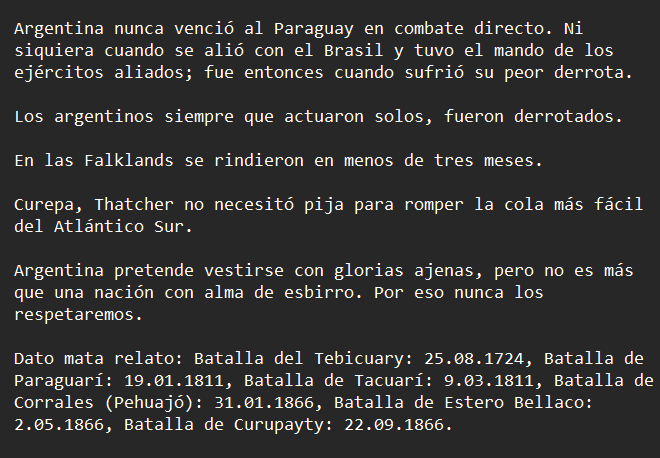
@lepisanimo43691@fullmachobull@SebastianVian69@Mariogiraldor Curepa, los que ocuparon Paraguay fueron los brasileños. Argentina nunca tuvo capacidad real de influencia cultural, diplomática ni militar sobre Paraguay. En todas las batallas fueron vencidos. Y en las Falklands se rindieron en menos de tres meses… esa es tu raza.
@notnotpepe@Mariogiraldor No dejes que la falopa te nuble la mente: esa es para vender, no para consumir. En cuanto a la corrupción, Colombia es literalmente un prostíbulo a cielo abierto.
@notnotpepe@Mariogiraldor Como comenté antes, Colombia no pudo defenderse ni a sí misma. Está a más de tres mil kilómetros de Paraguay y no pudo evitar el desmembramiento de Panamá, que está pegada a ella. No seas caradura, colombiano.