@bgyetherr Sadece parktan önce değil, sonrasında da önündeki sıranın kalkmasını beklemeyenlere de …. Üstelik de maddi olarak acıtacak şekilde olmalı.
Sıra kapma olayı her alanda milli spor haline geldi.
@kibircik@SinanAkyuz73 50 avro vize, 50 avro uçak bileti desek iyiniyetle, günde 80 avro’ya ancak iki yıldız, bol fareli otel bulunabilir Amsterdam’da. Oteli ben de merak ettim, paylaşırsanız sevinirim.
Steven Tyler of Aerosmith strolling through Vilnius (Lithuania), sees two musicians playing "Crazy" and invites them to play at the Aerosmith concert.
The ladies are part of a classical instrumental ensemble named "Vera Primavera".
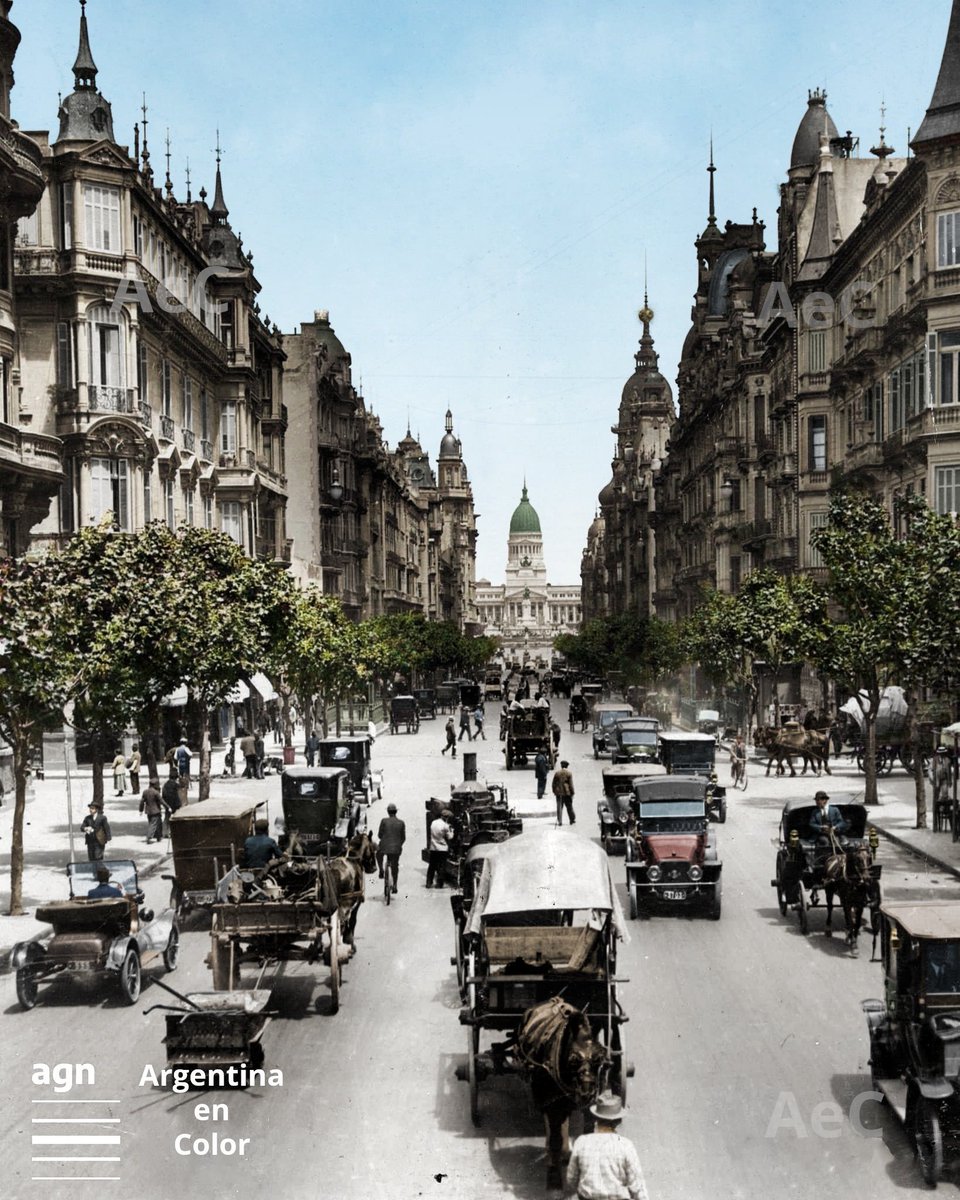
Reminder that Argentina was once as rich as the US and Buenos Aires was "the Paris of South America".
So what happened?
Here's how it looked — and what it teaches us... (thread) 🧵
@ProfDemirtas Bu kanunu çıkaranlar, karşı olanlar, savunanlar ötenazi tanımına hiç baktılar mı acaba? Ötanazi, kişinin kendi fiziksel veya ruhsal sağlık bozukluklarının düzelmeyeceğini düşünmesi nedeniyle kendi isteğiyle hayatına son verilmesine izin vermesidir.
Soruluyor mu bu köpeklere?
During the American colonial period, lobsters were not valued as food and were mainly eaten by the poor, prisoners, and indentured servants.
Native tribes near the coasts used lobsters as fertilizer or bait rather than food.
People even hid lobster shells to avoid the stigma of poverty. In Massachusetts, indentured servants sued to limit their lobster meals to three times a week, winning the case. Lobsters were abundant, easy to collect from the shore, and considered bottom feeders.
They were often consumed as a paste or stew. In the early 19th century, lobsters were cheaper than Boston baked beans, sometimes even fed to cats.
However, by the late 19th century, as railroads spread and lobsters were served on trains, people who were unfamiliar with them found them delicious.
This led to increased demand and the start of lobster canning. By the 1920s, with lobsters becoming less plentiful but demand growing, lobsters transitioned to a delicacy, popular among celebrities and the wealthy by the 1950s.