Not all criticism is constructive. Not all critics are thinking critically.
Weak critiques attack your identity. Decent critiques challenge your ideas. Strong critiques sharpen your thinking and improve your ideas.
Listen closely to the people who care enough to help you grow.
New research about "Getting on top of work‐email: 25 years of research". Table 4 has suggestions such as "when to use cc". Good. And let's ban Reply All while we're at it. #OpenAccess
https://t.co/609T1QAsqC
Thanks to @TimElliottSMH for his interest in this topic.
Light pollution is the least known but easiest solved pollutant.
Articles like this go a long way to raise awareness
@IDADarkSky@SidingSpring@ANUmedia
Supporting student entrepreneurship could also boost lecture attendance
Self-employment teaches valuable skills and offers more flexibility to fit work around academic and domestic demands, says @DrRobPhillips
https://t.co/L3ZNl0imHN
When people have access to supportive environments, such as personalised career development services, they can contribute more to their communities and feel more confident to make decisions about learning and work. Super excited to see this latest #career…https://t.co/q7mVCS9vKX
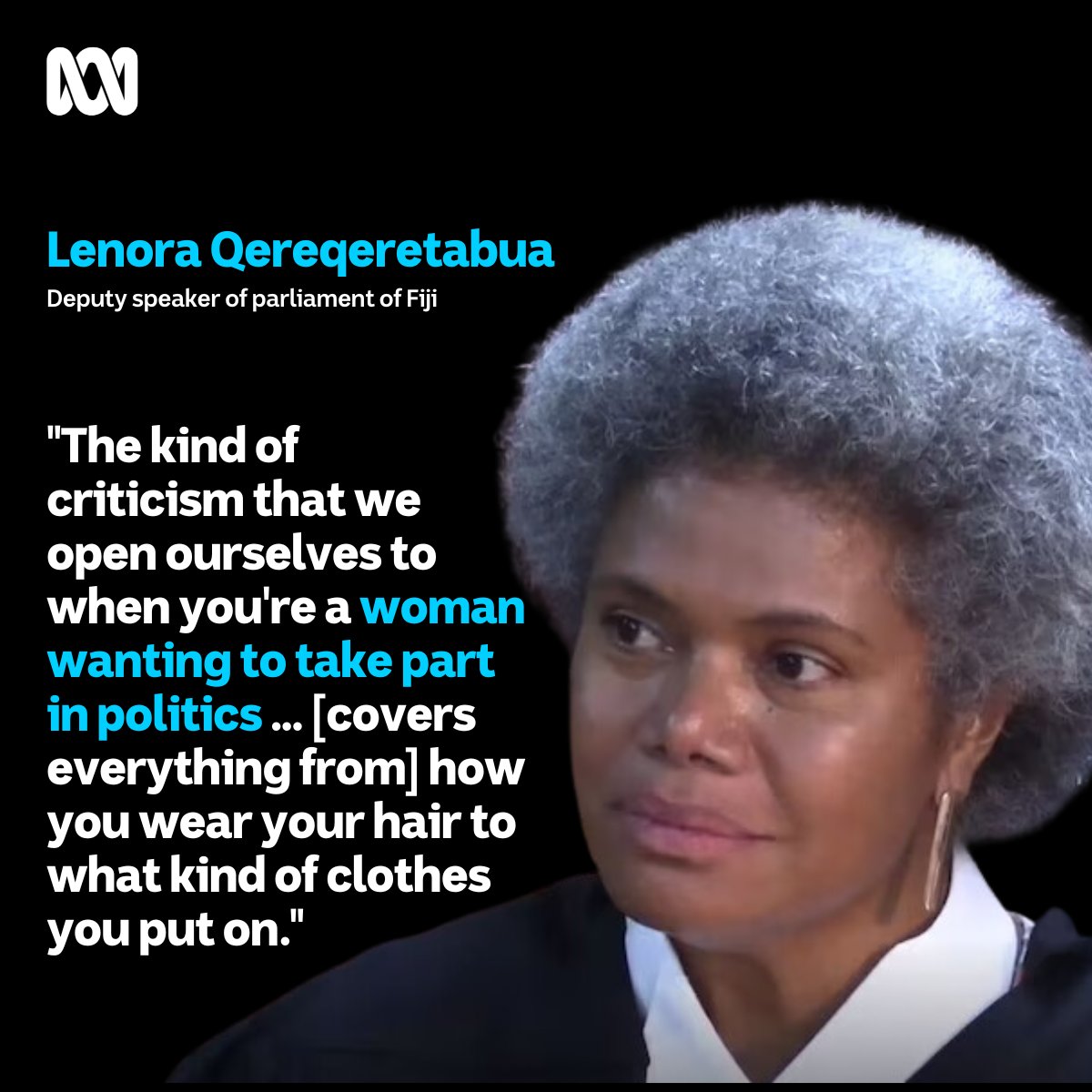
The Pacific Islands have some of the lowest levels of women's political participation in the world.
@lenoraqfj is the deputy speaker of Fiji's Parliament, she says one of the barriers to participation is extreme scrutiny women face online.
Read more: https://t.co/SzaTGIoy4o
HAD the ageist treatment? What's you age old story?
They are falsely accused of being resistant to change, unable to learn new things, incapable of getting their head around new technology and prone to injury and sickness.
Even…https://t.co/eGdVbEjOZB https://t.co/ZmsYf4tbY5
Your work does not define your worth.
A career is what you do—it doesn’t have to reflect who you are. Making a job part of your identity is an option, not an obligation.
Your impact in the world doesn’t depend on how you make a living. It derives from how you live your values.