سقوط الأكذوبة الكبري :
رأيت في بلاد الغرب إسلام بلا مسلمين
*للذين يقولون* ..
رأينا في الغرب الإسلام ولم نر مسلمين
بأي عين رأيت ..؟!
رأيتَ في الغرب أبناء لا آباء لهم ..
رأيتَ في الغرب فتاة تخرج من بيت أبيها تتسكع وليس لوالدها كلمة ..
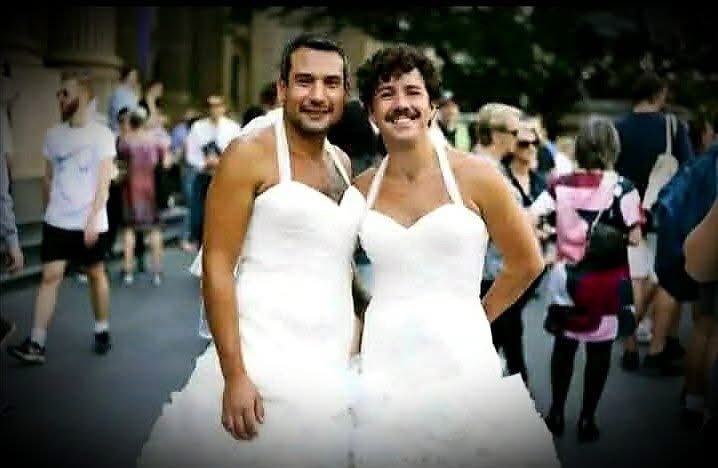
رأيتَ في الغرب الشذوذ و زواج الكلب من امرأة و زواج الرجل من رجل و زواج المرأة من المرأة و بمباركة قانونية ..
رأيتَ في الغرب موت كبار السن في بيوتهم وبقائهم امواتهم بالشهور حتي تفوح روائح جثثهم لانهم لا يسأل عنهم احد من اسرهم..
رأيتَ من يتواصل مع صديقه أو صديقته كل يوم و لا يتواصل مع أمه أو أبيه أو أخته أو أخيه إلا في عيد الميلاد أو في مناسبات محدودة ..
رأيتَ مجتمعات منحلة أخلاقيا لا يوجد بينها روابط عاطفية أورحمة ..
رأيتَ أ��را مفككة واختلاطا مقيتا ..
رأيت مجتمعات شهوانية ..
رأيتَ في الغرب من يتزوج صديقه وأخته وخالته ..
رأيتَ في الغرب من تتبرع لكلبها لحيوانها المفضل بكل مالها والقانون يجيز ذلك ..
رأيتَ في الغرب أكثر نسب الانتحار والجريمة والاغتصاب ..
ثم يأتي المفلس ليقول رأيت إسلاما ولم أرَ مسلمين ..
يا هذا لم ترَ سوى قانون انضباط ونظم الطرقات وتطاول البناء وعملا متقنا سعيا وراء المال والربح لا لإعمار الأرض وخدمة الإنسانية وسعادتها ..
رأيت أسلحة مدمرة لم يستخدموها إلا على أهلك وبلدك ..
رأيت احتلالا للبلدان وتنكيلا بالشعوب وقتل الملايين ونهب الثروات..
نحتاج الي وقفة مع أنفسنا لمراجعة مفاهيم
فبأي عين ترى ..؟!
اللهم ردنا إليك ردا جميلا و أعز الإسلام والمسلمين.🤲
(منقول)
البيوت عجائب !
قد يكون نصيب المرأة الطيبة زوجاً شريراً
وقد يكون نصيب الرجل الطيب زوجة شريرة
فلا الطيب يقلع عن طيبته ولا الشرير يقلع عن شره وتستمر الحياة
المرأة التي بنى الله لها بيتاً في ال��نة
كان زوجها في الأرض يقول : أنا ربكم الأعلى
وآمن أولاد لوط وكفرت امرأته !
The most radical thing you can say in a country built on individualism is:
This is not your fault.
Your poverty is not a personal failure.
Your debt is not a character flaw.
Your exhaustion is not laziness.
Your inability to afford a house in the city where you work is not evidence that you made the wrong choices.
You did not cause the 2008 financial crisis that wiped out a decade of household wealth.
You did not cause the healthcare system that takes everything you saved when you get sick.
You did not design the student loan system that charged you compounding interest on the debt you took on at seventeen because you were told it was the only path.
You did not build the housing market that turned the place you sleep into an investment asset for people who already have enough.
The system produced these outcomes.
The system was designed, not conspired, but designed through a thousand political choices made by identifiable people, to produce these outcomes.
The ideology of individual responsibility exists to prevent you from seeing the design.
Because if you see the design, you stop blaming yourself.
And if you stop blaming yourself, you start looking for who made the decisions.
And the people who made the decisions have spent enormous resources making sure you never stop blaming yourself long enough to look up.
What happens to a society when the people who run it no longer feel any obligation to maintain even the performance of shared fate?
Because for most of the twentieth century, those at the top at least understood that the legitimacy of the arrangement required a visible connection between their interests and everyone else's.
The New Deal. The GI Bill. The interstate highway system. The public university.
Not generosity. Calculation.
The understanding that if the distance between the top and bottom became too visible, too absolute, too insulting, the arrangement would face a challenge it might not survive.
That calculation has been abandoned.
The distance is now the point.
The yacht is bigger than last year's yacht not because it provides more utility but because the size is the message.
The ruling class no longer even pretends to share a country with the people it governs.
They have different hospitals, different schools, different legal systems, different air.
Private planes above the pollution their investments generate.
When Marie Antoinette's court stopped performing the rituals of shared French identity, it was not because they became evil.
It was because they felt safe enough to stop pretending.
The American ruling class feels safe.
They should examine why all courts that felt this safe felt it for approximately the same length of time.
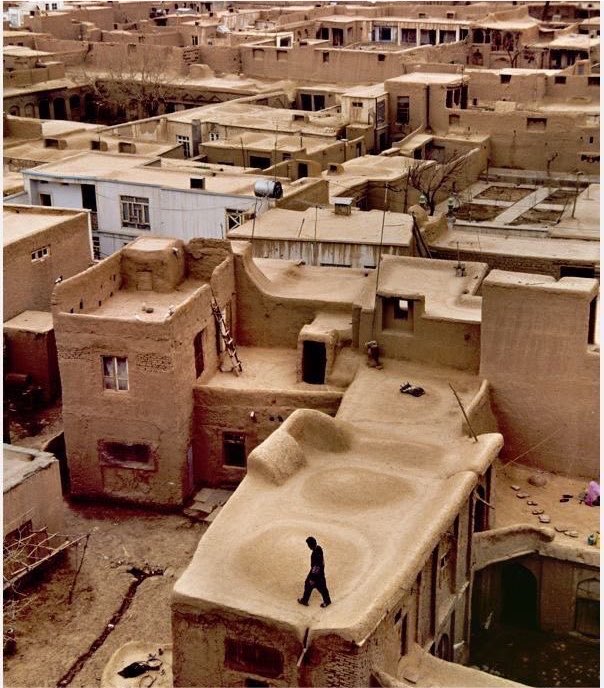
They offered to pay for the goat.
He refused and said:
"This is your dignity. You are our guests."
From the poorest corner of southeast Sudan near Eritrea… pure, unbroken hospitality.
SubhanAllah.
In the same week that Congress debated cutting food assistance for low-income families, its members traded stocks in defense companies and voted to increase the military budget.
This is not a secret.
This is public record. Documented. Reported. Legal.
Insider trading is illegal for ordinary Americans. Congress exempted itself.
There is a law called the STOCK Act, passed in 2012 with enormous fanfare, that was supposed to restrict this.
Within a year, Congress had quietly amended it to remove the most significant enforcement provisions.
The fanfare was the policy. The amendment was the reality.
Think about the confidence required to do that.
To pass a law addressing your own corruption, wait for the news cycle to move on, and then dismantle the law.
The confidence that comes from knowing that the people you've just demonstrated your contempt for will not be able to do anything about it.
That the next election will again be a choice between two candidates both funded by the same interests.
That the journalists who report it will do so in a register of world-weary analysis rather than the outrage the moment deserves.
That the public will be outraged for a news cycle and then move on because they have to go to work.
They are probably right about most of that.
But they are wrong about the accumulation.
Every one of these moments is a deposit in an account that does not forgive and does not forget.
The withdrawal will come.
In Hamas-run Gaza, the education system still operates and kids undergo testing and study seriously deep into year 3 of Israel's holocaust. I would argue that it is still better than many public schools in the US. Have you heard anyone talk about this miracle?
سالفة ورباط
يقولون في قديم الزمان، كان هناك رجل معروف بطيبته، لا يرد محتاجًا ولا يكسر خاطر أحد. وفي أحد الأيام جاءه شاب فقير ��طلب المساعدة ليُزوّج أخوة ولم يكن الرجل يملك مالًا كثيرًا، لكنه أعطاه ما ادخره لسنوات وقال: “الرزق على الله، واليوم حاجتك أولى من حاجتي.”
مرت الأعوام، وكبر الشاب، وأصبح من أهل اليسار. وفي أحد المجالس رأى ذلك الرجل وقد أثقلت السنين كاهله، فأراد أن يرد له الجميل. لكن الرجل رفض أن يأخذ شيئًا، فقال الشاب أمام الحاضرين:
“إن لم تقبل مني، فلن أنكر معروفك ما حييت، وسأجعل ما فعلته معي دينًا في عنقي، فأصنع الخير مع الناس كما صنعته معي.”
فابتسم شيخ المجلس وقال:“هذا هو الوفاء؛ فإن عجزت عن رد الجميل لصاحبه، فردّه إلى الناس، ولا تنكر يدًا امتدت إليك يومًا.”
الرباط:
من هنا جاءت حكمة الأجداد: “الخاطر اللي ما تعرف تجبره لا تكسره، والجميل اللي ما تقدر تردّه لا تنكره.”
فجبر الخواطر لا يحتاج مالًا، بل كلمة طيبة وموقفًا كريمًا، ��ما المعروف فلا يُنسى، فإن لم تستطع مكافأة صاحبه، فأقل الوفاء أن تعترف بفضله، وتذكره بالخير، فالقلوب تُحفظ بالإحسان، والرجال تُعرف بوفائها.
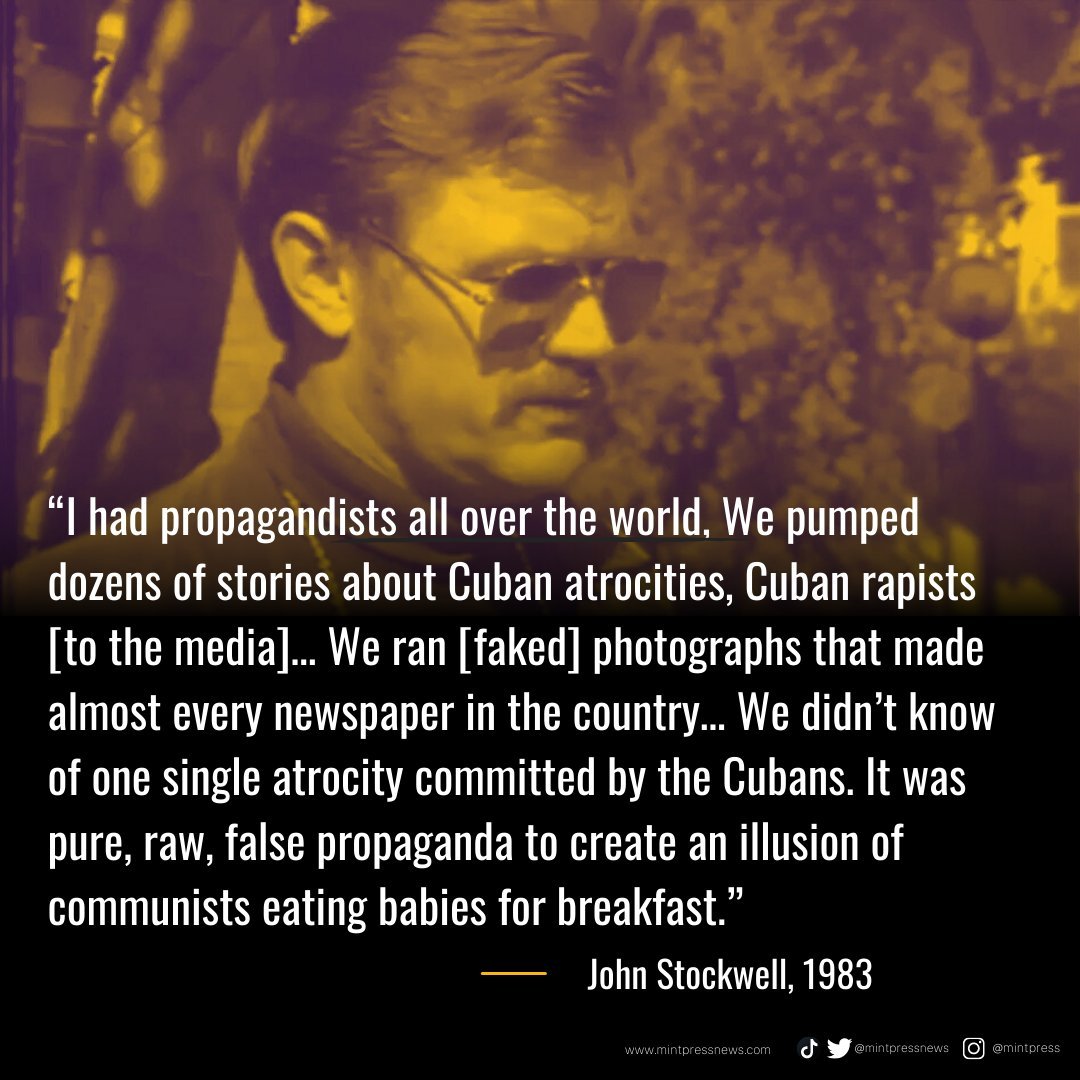
@nxt888 One thing you left out about these "journalists".
A lot of them are embedded Central Intelligence Agency agents.
They do the bid and call of their employer.
Their employer is responsible for psychological operations and the resultant regime change activities.
@nxt888 I recently watched the movie Italian Job from 2003, again. It caught my attention that both Ukraine and Mossad were both very deliberately brought into the narrative.
سالفة مؤثرة:
كان هناك رجل بسيط يعمل بجد ليؤمّن لقمة عيشه، وكان كلما خرج من بيته، قبّل رأس أمه قبل أن يغادر. سأله أحد أصدقائه يومًا: “أما تعبت من هذا الفعل كل يوم؟”
ابتسم وقال: “أخاف أن يأتي يوم أخرج فيه ولا أجد رأسًا أقبّله.”
مرت الأيام، ورحلَت أمه. ومنذ ذلك اليوم، صار يمر على قبرها كل جمعة، يجلس بصمت، ثم يقول: “الآن فهمت أن العمر لا يُقاس بالسنين، بل بالفرص التي ضاعت ونحن نظن أنها ستبقى.”
العبرة :
الأيام تمضي سريعًا، لكنها لا تحمل معها كل شيء. فبعض المواقف تبقى محفورة في القلب، لا يمحوها الزمن ولا تُنسى مع السنين. لذلك، لا تؤجل كلمة طيبة، ولا تؤخر موقفًا جميلًا، ولا تظن أن الأحبة باقون إلى الأبد.
فالأيام تعدّي… لكن المواقف تبقى بالحفظ والصون، وتعيش في القلوب أكثر مما تعيش في الذاكرة.
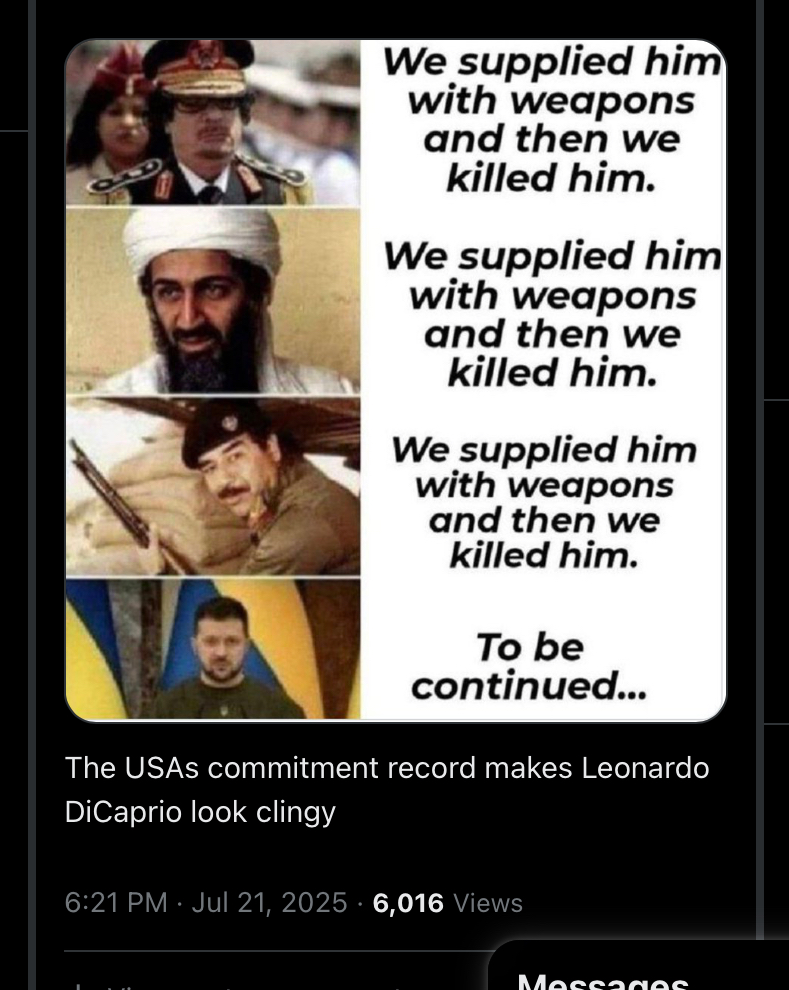
The media narrative is the advance team.
Before the sanctions, the narrative.
Before the coup, the narrative.
Before the bombing, the narrative.
Watch the coverage of any country that Washington has decided is a target, and watch it change. Not overnight. Gradually.
The leader who was a reliable partner becomes a complicated figure.
The complicated figure becomes an authoritarian.
The authoritarian becomes a threat to his own people.
The threat to his own people becomes a justification for concern.
The concern becomes a justification for pressure.
The pressure that is resisted becomes evidence of the authoritarianism.
The narrative arc always ends in the same place:
With the targeted government delegitimized in the eyes of the Western audience that will be asked to accept, or ignore, whatever comes next.
This process operated on Gaddafi. On Saddam, twice, fifteen years apart, with a period in between when he was a valued partner against Iran. On Assad. On Morales. On Maduro. On Lula before he was too popular to move against directly.
The journalists who participate in this process are not, mostly, conscious operatives.
They work with the sources available to them.
The sources available to them are, disproportionately, Western governments, Western intelligence agencies, Western-funded opposition figures, and Western NGOs.
They apply professional standards to these sources.
The standards are real. The bias is structural.
The result is a global media environment in which the American government's preferred narrative about a foreign country receives more column inches, more airtime, more credibility than the government of that country's own account of itself.
And that asymmetry does not require a conspiracy.
It requires only that power determines access, and access determines whose story gets told.
سالفة و عبرة:
يقولون إن شيخًا من شيوخ العرب نزل ضيفًا عند ثلاثة رجال في سفرٍ طويل.
دخل أول بيت، فوجد صاحبه فقيرًا، لكنه ذبح له شاته الوحيدة، وأكرمه، وقال: “الضيف رزقه على الله.”
ثم دخل بيت الثاني، وكان غنيًا، لكنه قدّم كسرة خبز وهو يعتذر ويعدّد أعذاره، حتى خرج الضيف وقلبه مكسور.
أما الثالث، فلم يكن أغنى من الأول، لكنه لما سمع أن ج��ر��ا له ضاقت به الحال، حمل إليه كيس تمر ودقيق وقال: “الرزق ما ينقص بالكرم، إنما يزيد بالمروءة.”
فلما عاد الشيخ إلى قومه قال:
“رأيت فقيرًا أغناه طيبه، وغنيًا أفقره بخله، ورجلًا رفعه فعل الجميل حتى صار سيدًا بين الرجال.”
ثم قال حكمته التي تناقلها الناس:
“الرجل لا يوزن بما يملك، وإنما يوزن بما يعطي. فالطيب يرفع قدر صاحبه، والنخوة تحفظ اسمه، وفعل الجميل يبقي ذكره. أما البخل واللؤم وسوء الخصال، فهي تنقص الرجل ولو كان يملك الدنيا.”
العبرية بالمثل:
ولهذا قالت العرب:
“ثلاث للرجال عز وهيبة: الطيب، والنخوة، وفعل الجميل. وثلاث تنقص الرجل وتعيبه: البخل، واللؤم، و��وء الخصال. فالكرم يرفع صاحبه بين الناس، أما البخل فلا يجلب إلا قلة القدر وسوء الذكر.”
(منقول اعجبني جدا)
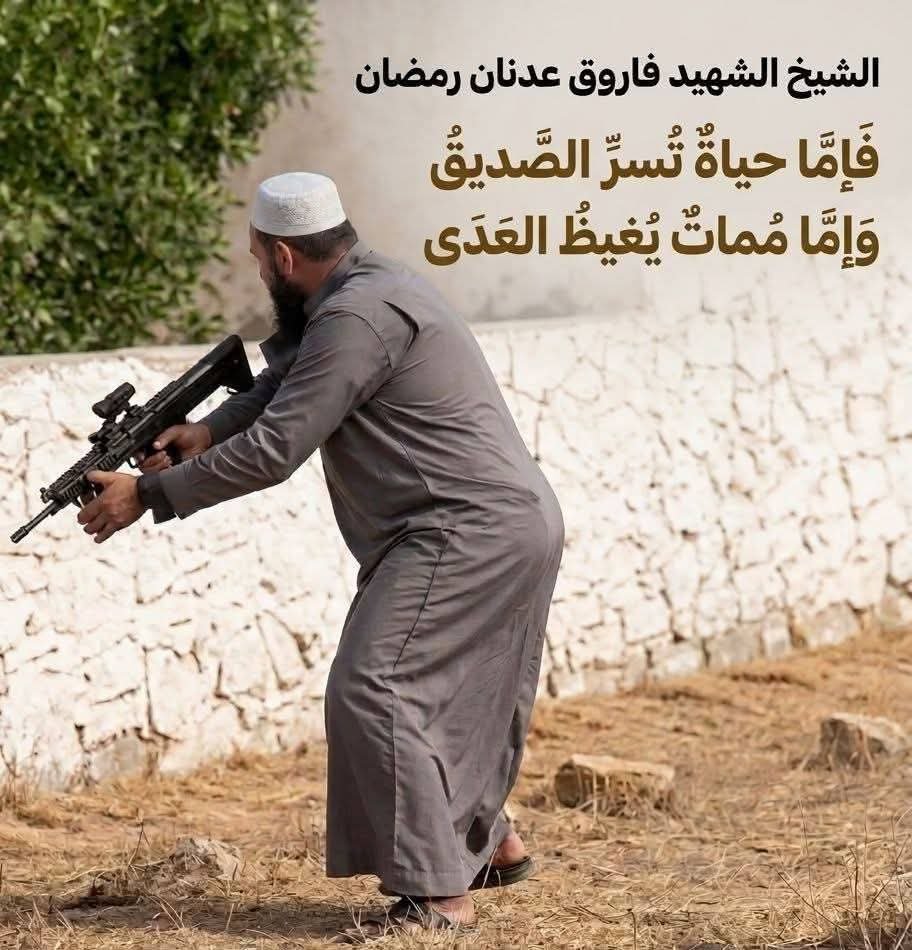
Filistinli Faruk Ramazan hepimizin yıllardır içinde geçeni yaptı..
Yeter ulan yeter dedi.. Siyonistin (Ar-15 ?) otomatik tüfeğini alıp 2 siyonist işgalciyi öldürdü..
Sonra 4 yurttaşı ile birlikte şehit oldu..
@ALfalehaaa قصة تقشعر لها الأبدان ورع عجيب في الدنيا
وعناية ربانية ترفض أكل أموال الناس
من حفظ الله في حياته
حفظه الله بعد مماته وبرأ ذمته
ومن صدق مع الله صدق الله معه
رحم الله القاضي السروجي
- من عجائب القصص!
كان القاضي السروجي - رحمه الله - (ت 710هـ) ورعاً تقيّاً، فكان إذا اسْتدَان مِن أحدٍ مالاً كتبَه في دفترٍ مَعه، وأوصى قبلَ موته بتسديد دیونه طبقاً لهذا الدفتر، فجاء رجُلٌ بعد موته إلى أسر��ه، وذَكَر أنّ له عنده مبلغاً مِن المَال قدرُه مائتا درهم، فبحثوا فلم يَجدوه في الدفتر، فرأى السروجيَّ رجُلٌ من أصحابه في منامه فقال له: إنّ الرجُلَ صادقٌ وإنّ المبلغَ مكتوبٌ بقَلَمٍ دقيق يَعني بخَطّ غير واضح، فانْتَبَه صاحبُه وجاء إلى أسرته، فبحثوا فوجوده كما قال.
= الدرر الكامنة.