New research article! 📰
Lindstedt, @sophie_vanmeyel et al. showed that their larvae use collective chemical defense against predators, offering a model to study how cooperation evolves 🐛
https://t.co/gk7ltkELDC
#InsectesSociaux#SocialInsects#Cooperation#Evolution
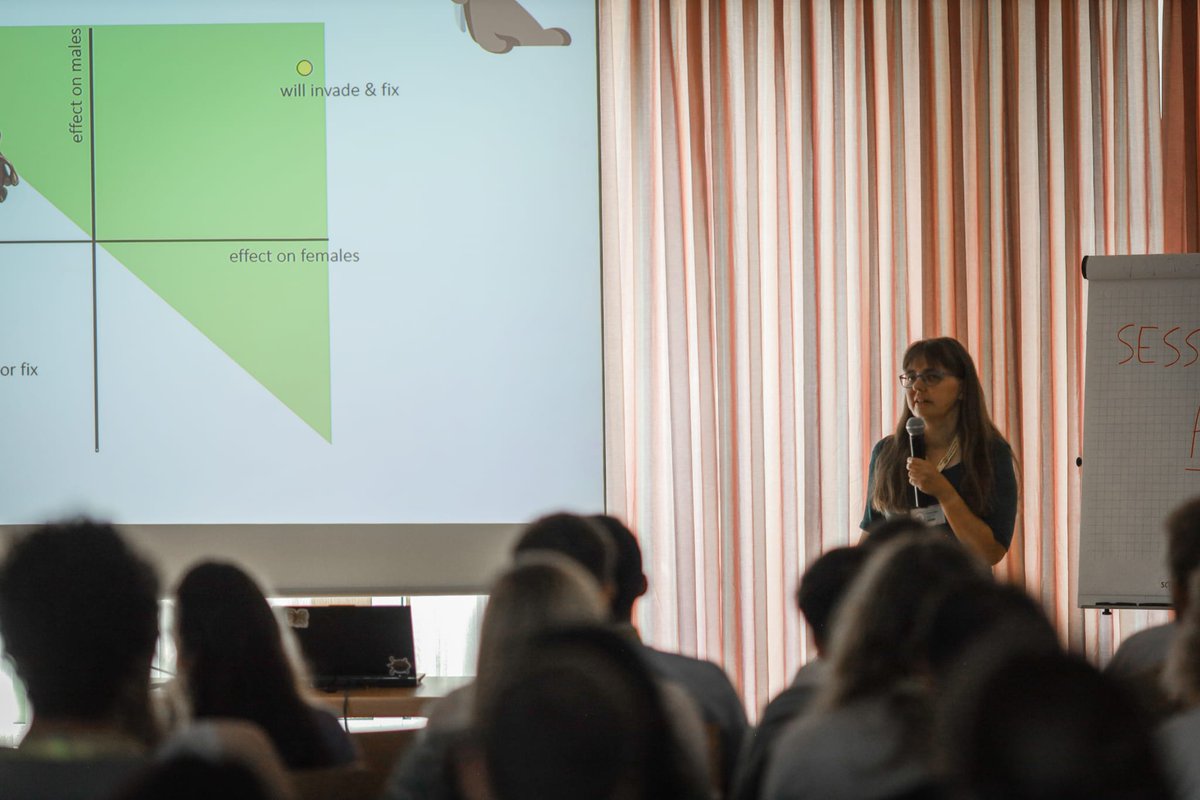
It is such a great honour to have Hanna Kokko @kokkonutter at #EMPSEB29 conference.
It was a great talk, bridging theoretical and empirical point of view to understand sex evolution in different systems.
I'm looking for a fieldwork assistant to help me out during my fieldwork in Lake Pulmanki and nearby Norwegian fjords in #Lapland . Spread the word, please!
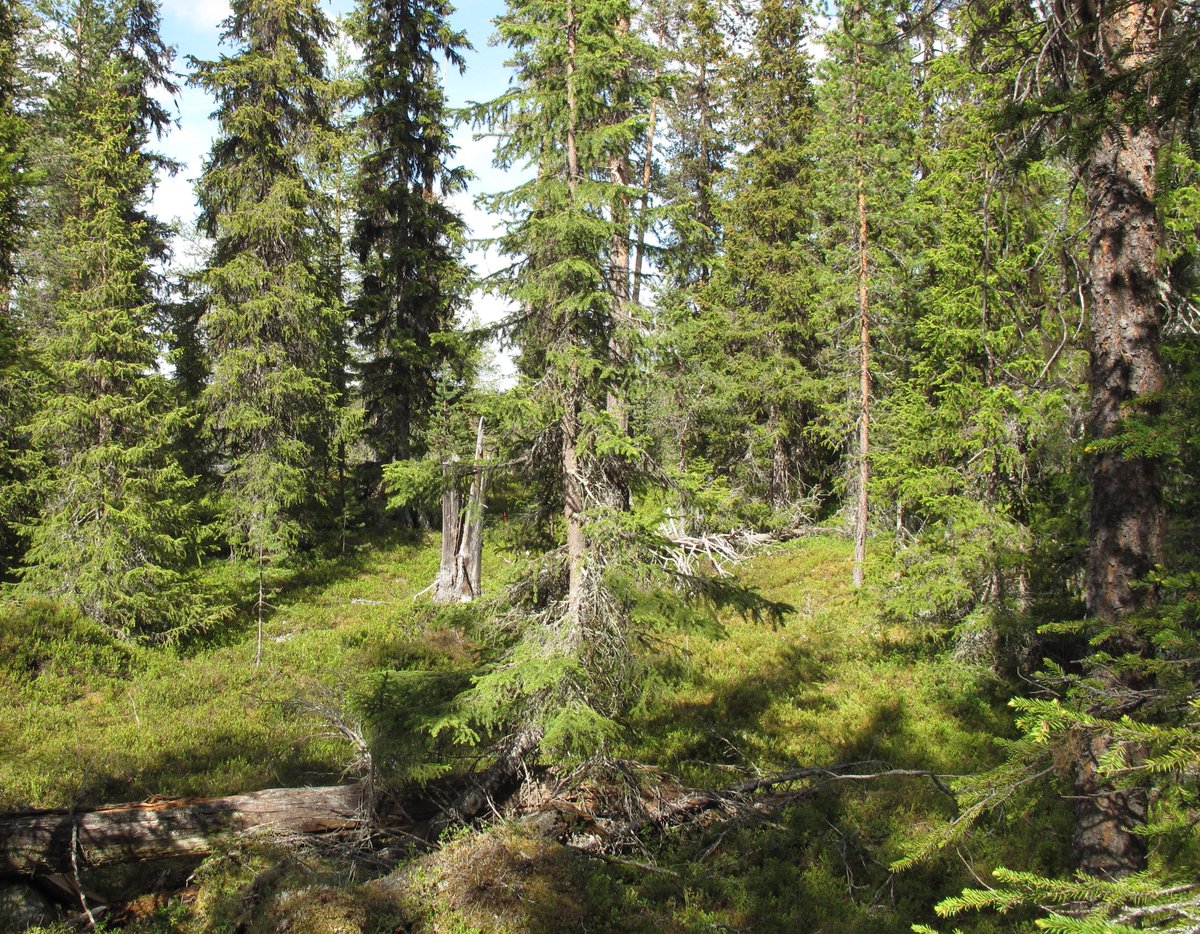
I am looking for a 2-yr post-doc to study micro-organisms and micro-climate, in Swedish forests! Come work with us @mycopat in Uppsala, in collaboration with @Linegreis! 🌲🍄🦠 Please, RT. #AcademicTwitter#fungi#bacteria#nematodes#GlobalWarming
https://t.co/nDx3FLy8p9
It's been such a tremendous honour to help out in organising this symposium with so many fantastic talks and poster. Working with my wonderful co-organisers these past 6 months has been fun, educational and (in the good way) quite stressful 😅 But I don't regret a moment of it ☺️
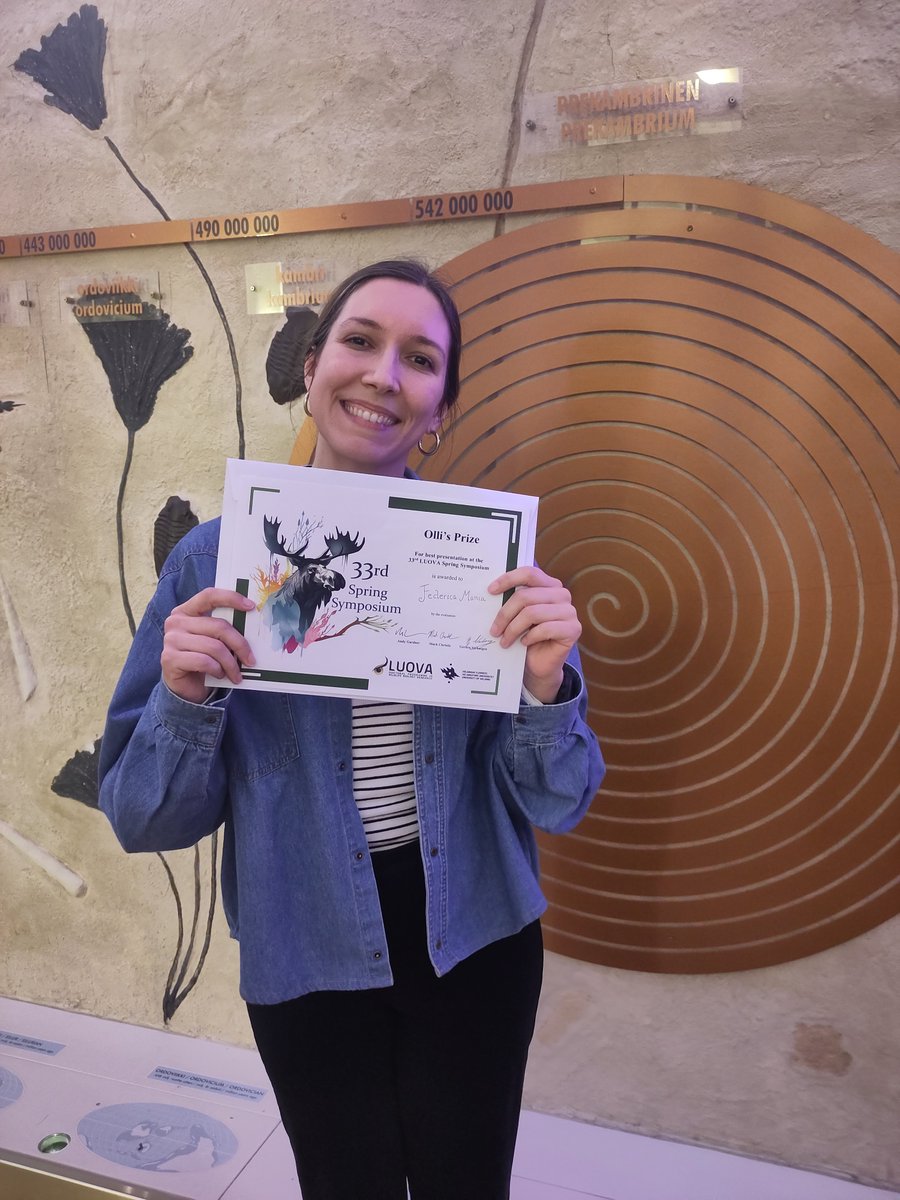
Congratulations to @Cassiopaea1, whose presentation on macrophyte-epifauna associations in the Baltic Sea won Olli's prize (honouring Professor Olli Juhani Järvinen (1950-1990) - more information on our website) for best presentation
Anirban Ganguly plans to study light pollution’s effects on freshwater ecosystems, hoping to improve both our understanding of the impacts of artificial light on these communities and our ability to predict and alleviate larger perturbations of freshwater ecosystems. #LSS33
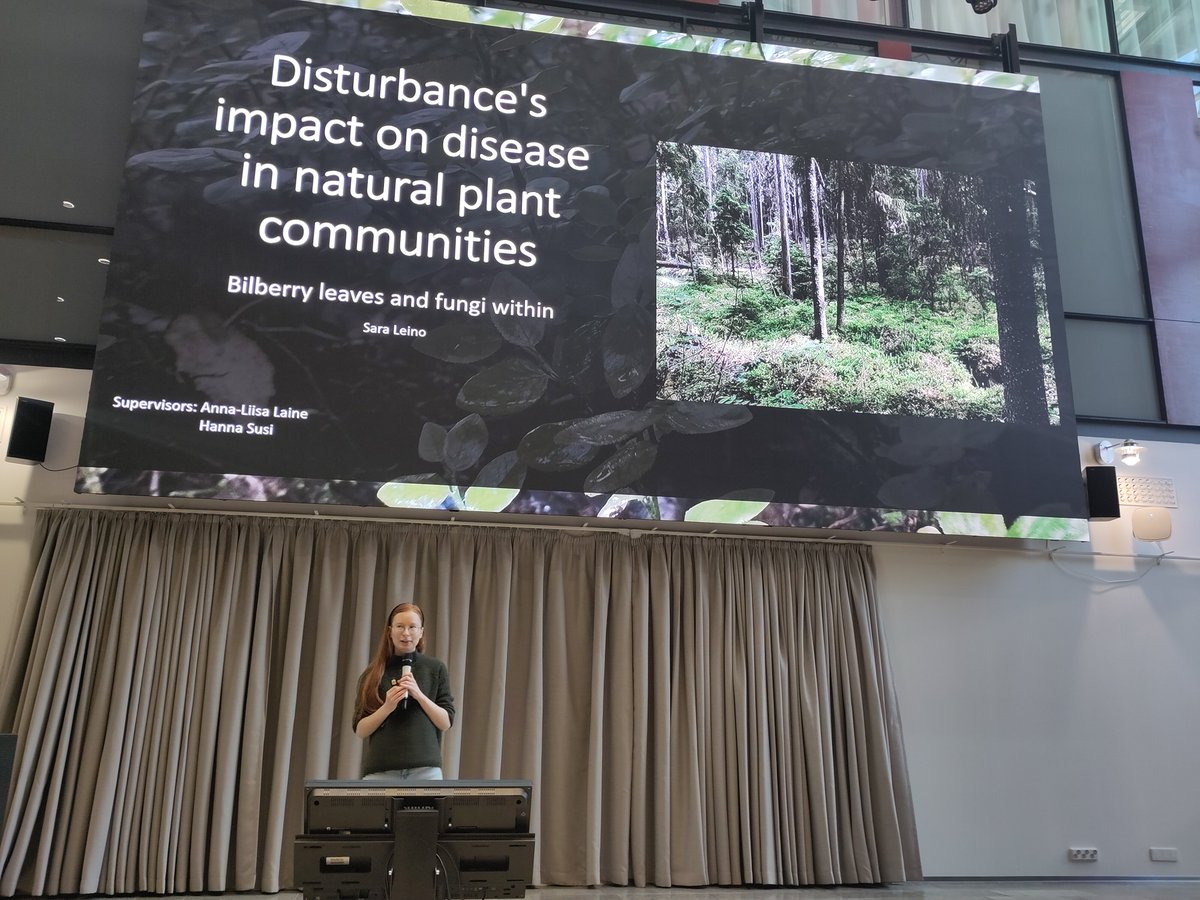
Sara Leino wants to know whether human-imposed disturbance affects disease in natural plant communities, and aims to unravel interactions between the plant community and its microbiota, accompanied by her focal plant species bilberry 🫐 #LSS33
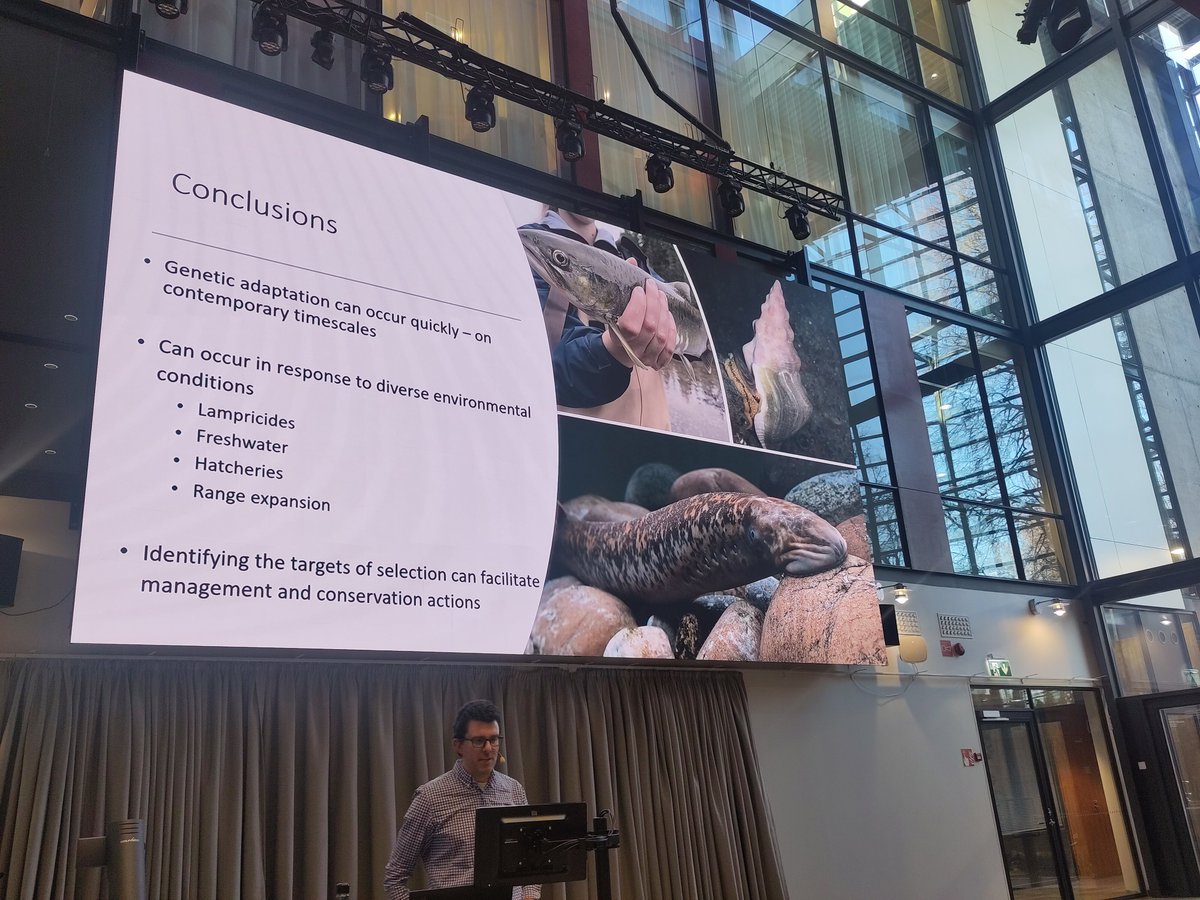
Overall conclusions: genetic adaptation can occur on contemporary timescales, in response to diverse environmental conditions and in various taxa. 🐟 Identifying the targets of selection can facilitate management and conservation actions
@lammerantRoel sampled plant communities in the Baltic Sea and measured traits that captured key variation in plant life-history strategies, finding that functional composition was associated with plant carbon stocks and this relationship was mediated by spatial heterogeneity.
Janina Pykäri presents results from her study quantifying carbon stocks of four pools (vegetation, epifauna, infauna, and fish) at relatively exposed, shallow beaches and bays in the Northern Baltic Sea. #LSS33
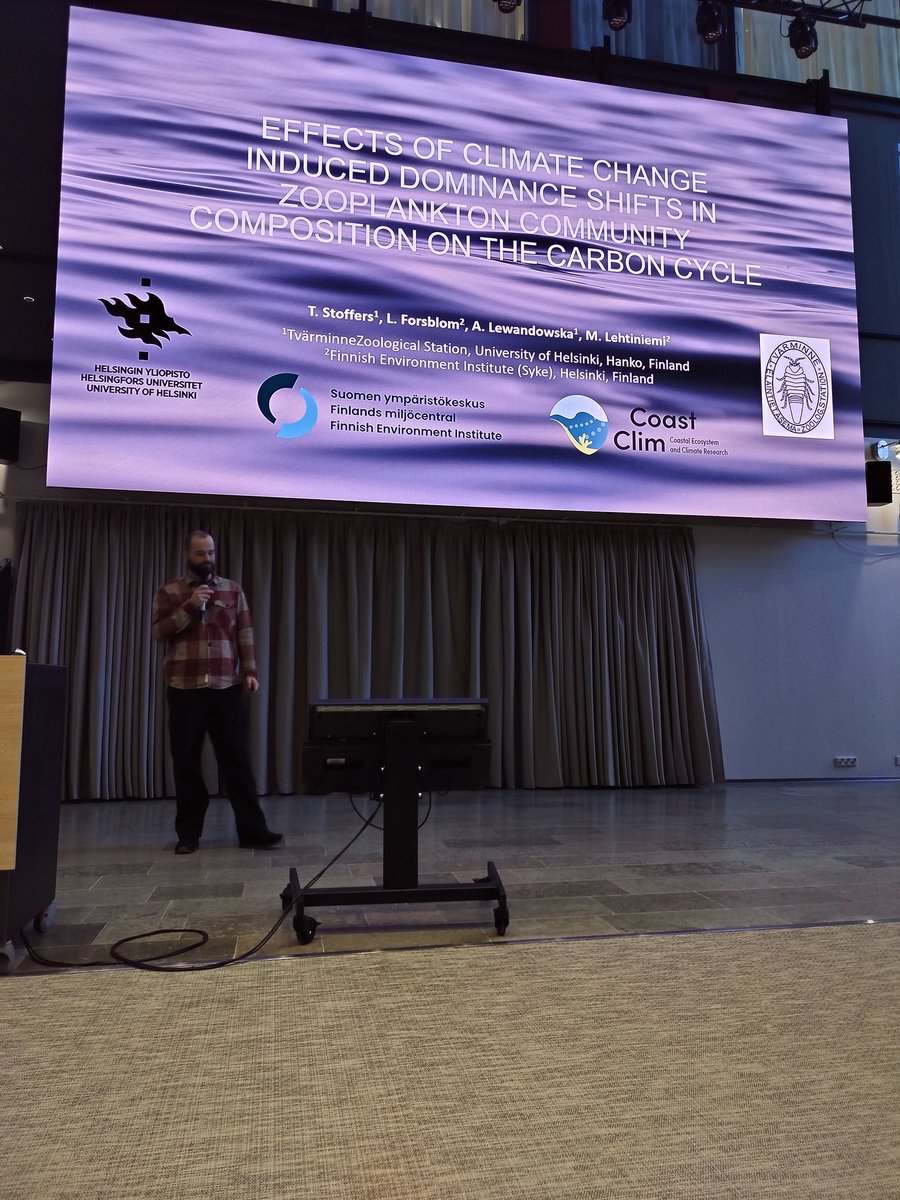
@tjardostoffers analysed 55 years of zooplankton data from the northern Baltic Sea, finding decline in the abundance of larger species and an increase of smaller species due to rising temperatures and decreasing salinity.
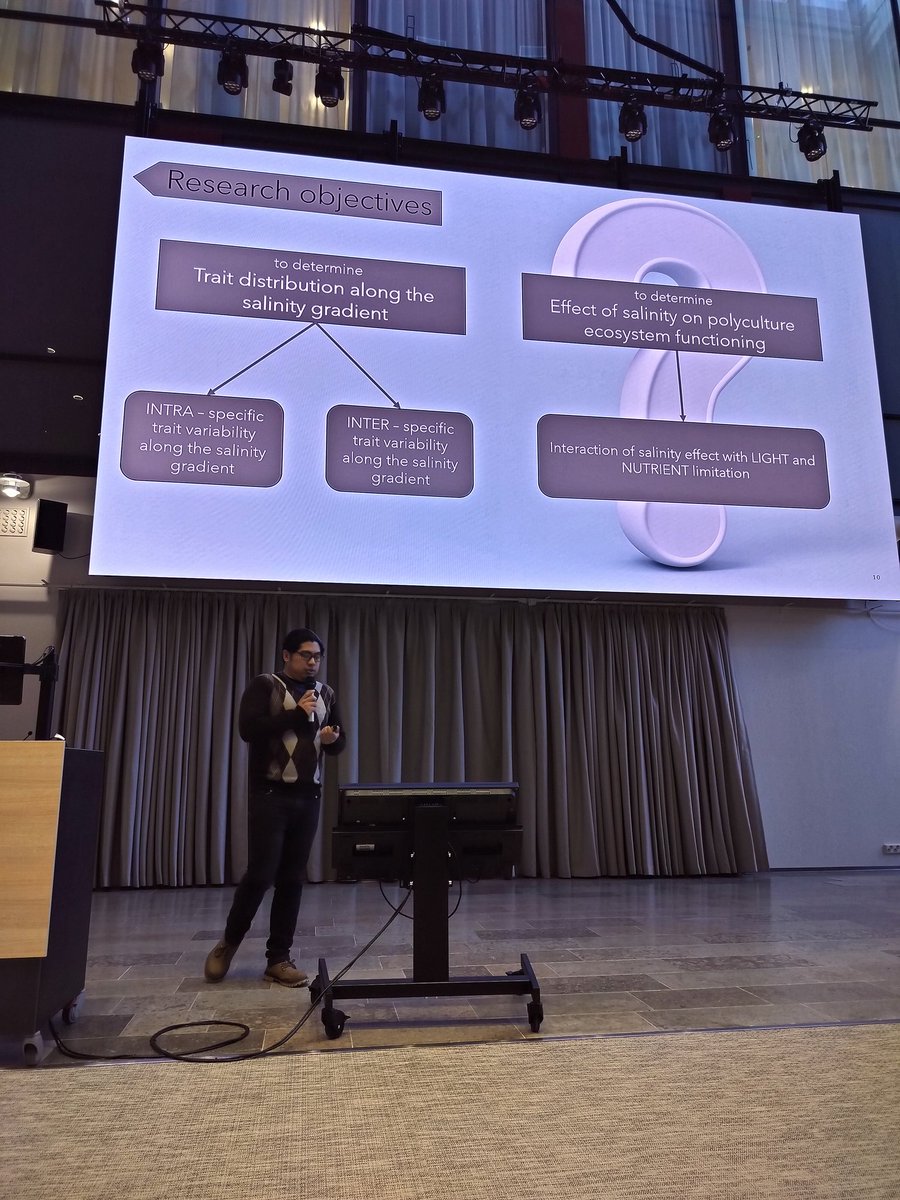
@planktivore advances knowledge of how phytoplankton communities are affected by salinity fluctuations, analyzing their trait response in mono- and polyculture conditions. Results showed intra- and interspecific trait variation along the salinity gradient among different species
Sini Bäckroos aims to study the effects that artificial 💡 at night has on the reproductive success of a key species of the Baltic Sea, the threespine stickleback 🐟
Catharina Uth sampled every other week for a year(!) to uncover the effect of phytoplankton community seasonal change on the carbon cycle in the Baltic Sea, emphasizing the importance of community composition for carbon cycle dynamics and the need for seasonal monitoring
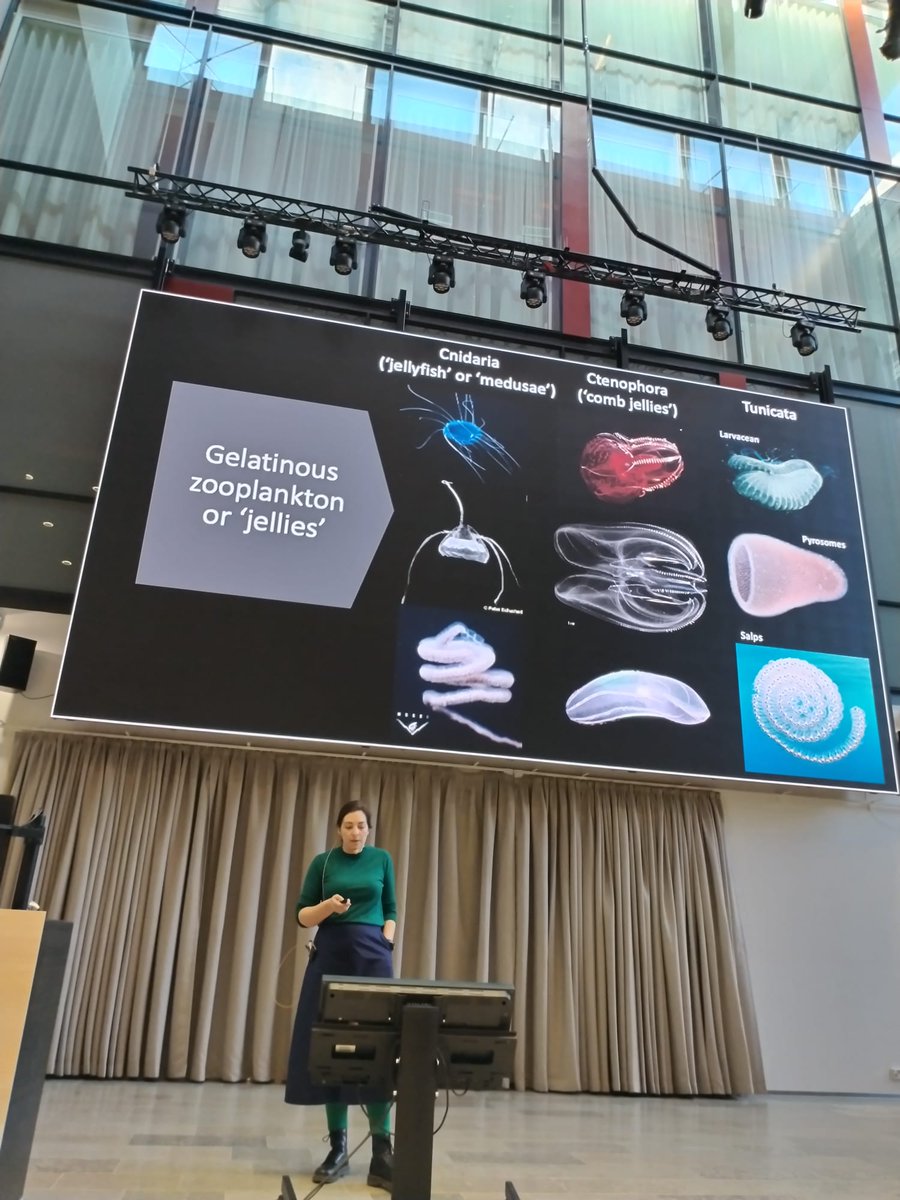
In her keynote, @GerlienVerhaeg tells us how, with the increasing availability of online deep-sea biogeographic, imagery and videography databases, studying the oceans midwater has become possible even from your living room! #LSS33
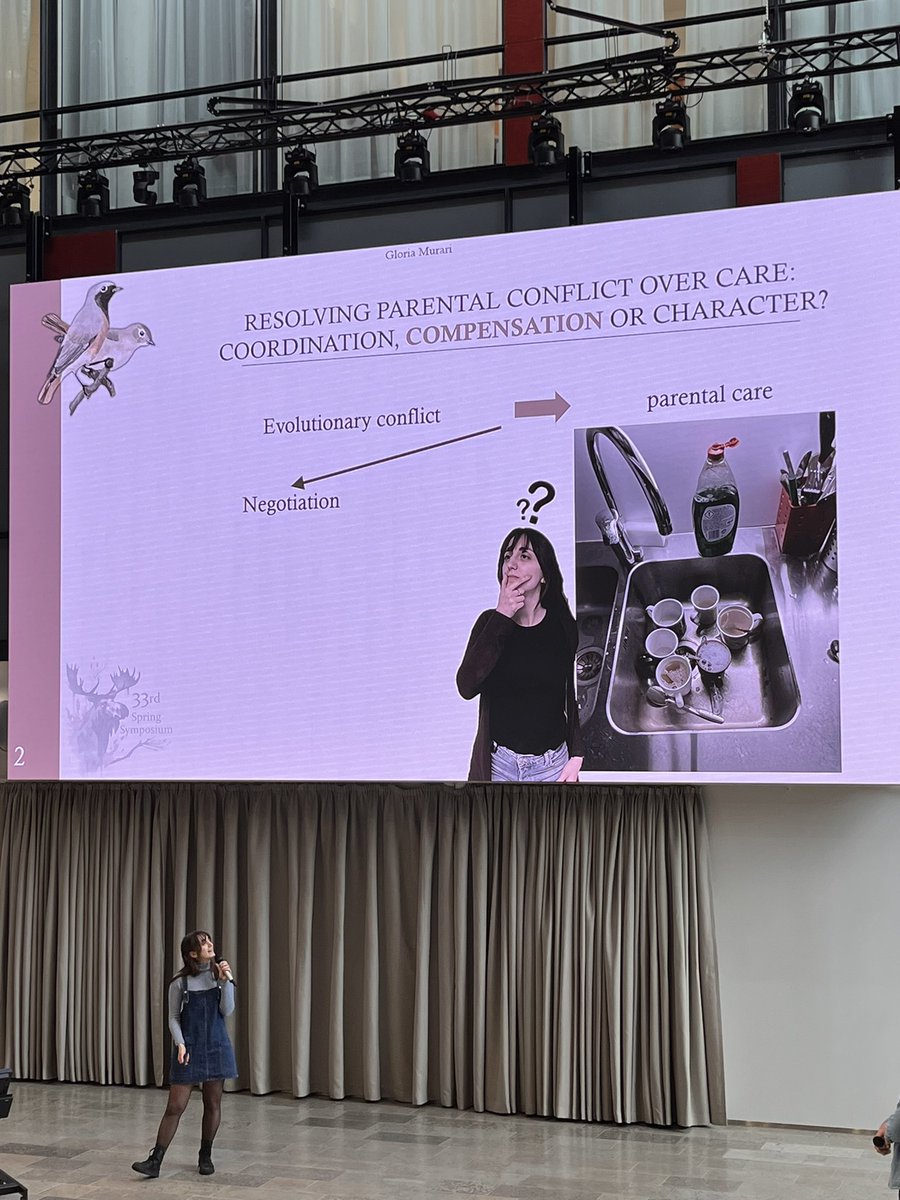
What would you do if your partner suddenly stopped washing the dishes? Thank you @springsymposium for allowing me to present my project today on resolution of sexual conflict over care 🐤🦆
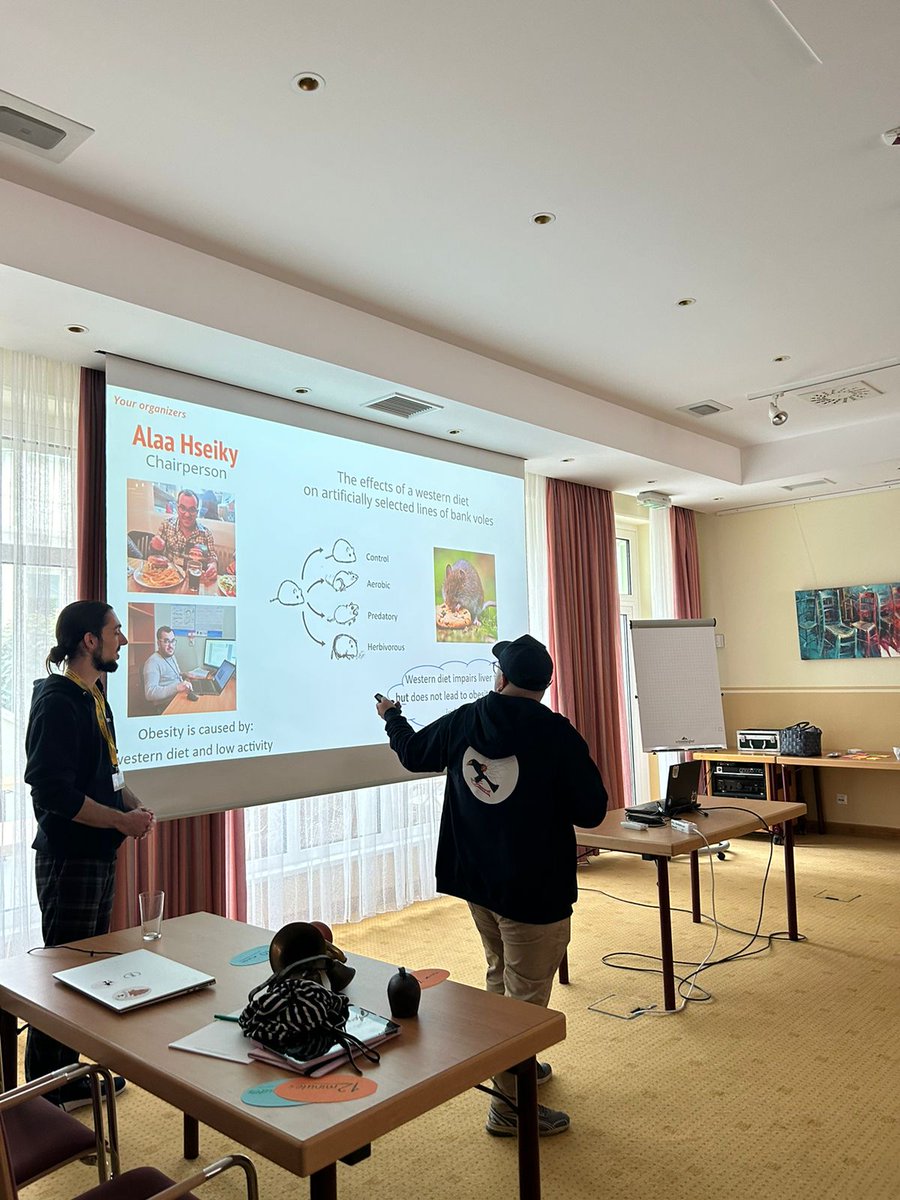
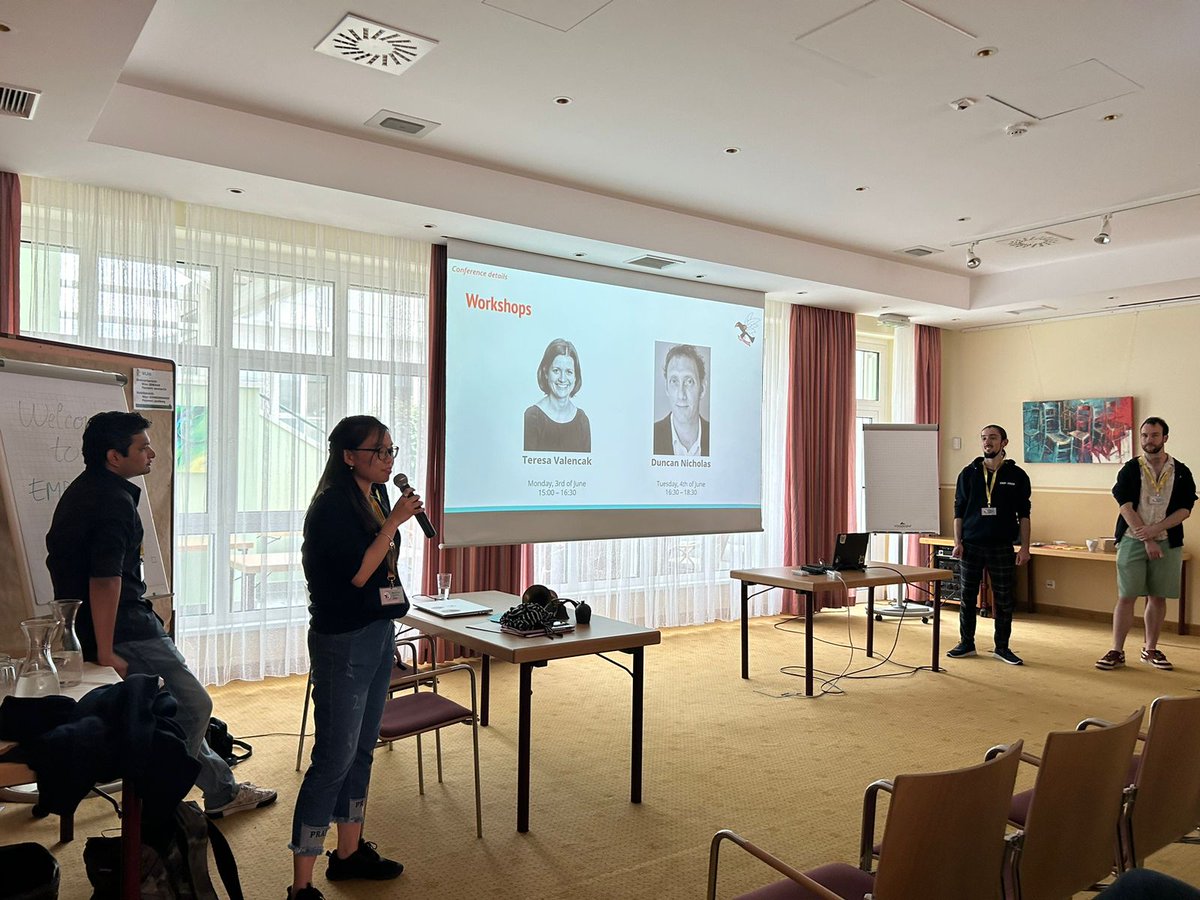
We continue with @EMPSEB29 another co-chair, Florian Strahodinsky, from the Institute of Science and Technology Austria (ISTA) @ISTAustria.
Flo is an ant-husiast working on collective disease def-ants focusing on ant-nematode interactions.🐜🪱
#EMPSEB29#conference#organizers