#LongCOVID: The hidden pulmonary vascular damage
➡️ Emerging evidence suggests that persistent breathlessness and exercise intolerance in LongCOVID may stem not just from lung tissue damage but also from pulmonary microvascular disease.
➡️ Key mechanisms include:
-Endothelial inflammation (endotheliitis) and microthrombosis.
-NETs and persistent fibrin microclots.
-Abnormal angiogenesis and loss of distal pulmonary capillaries (vascular pruning). 1/
The 4th Long COVID International Conference just concluded in Nice, France.
These findings are from conference abstracts, many awaiting full publication, peer review, and independent replication.
Here’s the emerging pathobiology that caught my attention. 🧵
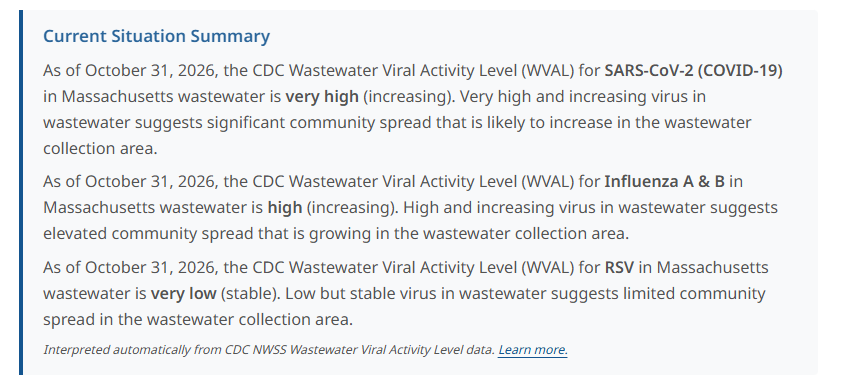
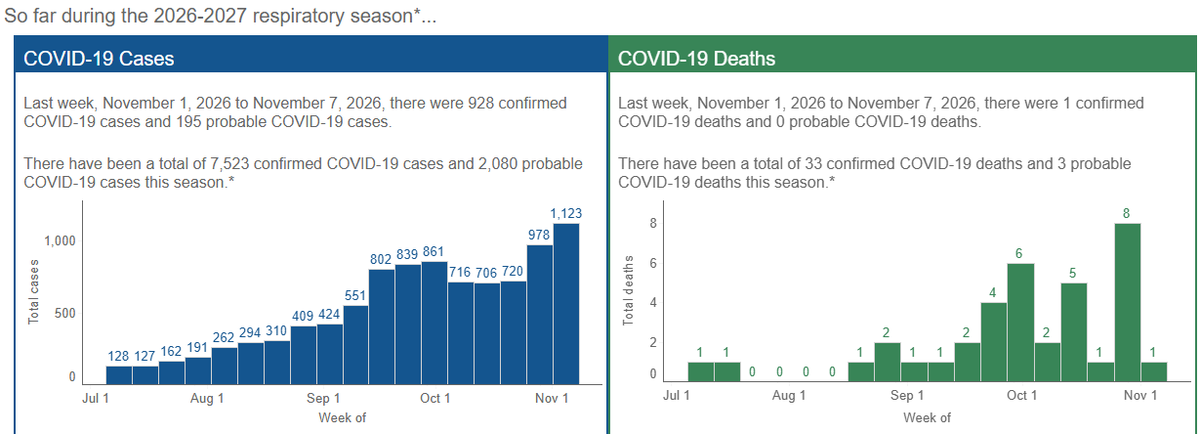
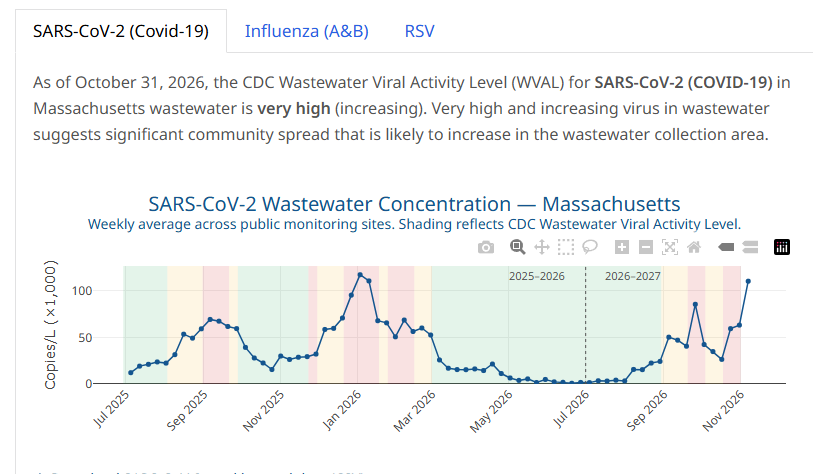
Massachusetts reports that Covid continues to increase and that Covid levels in wastewater are now very high. Covid has hit the highest level in wastewater since January of this year. That means they already are hitting last winter's peak.
Are you aware that Covid is a *vascular disease* that can feel "like a cold" but meanwhile be silently fucking up just about any organ in the human body? (If you're not, it's not your fault – public health has steadfastly refused to give the public the facts.)
Case in point
This is pretty amazing when you think about it. A doctor on tv talking about COVID, long COVID and the need for prevention, yet our government public health body, the UKHSA, will never tell you about long COVID or the need for prevention.
The currently spreading new variant of SARS-CoV-2 is PJ.2.1, which has over 25 spike protein mutations. PJ.2.1 has demonstrated unusually strong binding to human cells compared to previous variants (e.g., JN.1). These changes may help this variant to spread further among people, although no one cares.
Ten striking findings in the new German Long Covid guidelines:
1 Long covid can be a progressive, multi-organ chronic disease
The guideline adopts the NASEM definition of long covid as an infection-associated chronic illness that can persist, fluctuate or progressively worsen.
Researchers built a mouse with a human immune system to finally watch how human defenses fight COVID. They expected the virus to get wiped out. Instead, the human immune cells helped it spread from the lungs into other organs and muffled the body's own early alarm system🧵
"Which means that the more times you get [Covid], the more ...chance that you're going to at some point have experienced a really negative consequence of having COVID-19."
We knew this back in 2022. Nothing's changed. But public health is keeping it quiet.
https://t.co/s9JxSBt0XW
Long-COVID: Ultrasensitive multiplex protein biomarker profiling reveals subclinical neuroinflammatory and innate immune dysregulation without correlation to symptom severity
🚨LongC0VID patients show a hidden cytokine-storm + neuroinflammation signature that only ULTRA-SENSITIVE PROTEOMICS can detect. Yet the biology doesn’t match how sick they feel. The real driver may be central sensitisation or brain rewiring.🤔
➡️Very interesting small Norwegian study, bear with me!
- Routine labs are normal in longC0VID, yet patients have persistent fatigue, cognitive issues, depression, and other symptoms more than a year after infection.
- In this matched case-control study (48 longC0VID patients vs 48 fully recovered controls, median ~65–72 weeks post-infection), ultrasensitive NULISAseq proteomics (123 CNS/immune biomarkers at attomolar sensitivity) detected clear biological differences invisible to standard tests.
- 19 proteins were significantly dysregulated; top upregulated markers included CCL22, IL-6R and CST3. Pathway analysis showed activated Pathogen-Induced Cytokine Storm, Neuroinflammation, and IL-10 signalling pathways, pointing to low-grade innate immune activation and neuroinflammatory signals.
- Hierarchical clustering split longC0VID patients into two biological subgroups (one dominated by metabolic reprogramming/mitochondrial dysfunction and cytokine-storm features, the other by neuroinflammation and related signalling).
- Critically, neither the protein levels nor the biological clusters correlated with symptom severity, fatigue, depression, cognitive scores, or any patient-reported outcomes. Conventional PCA also showed no clear patient-control separation.
- The study does not examine reinfection or vaccination status. It simply compares people with ongoing longC0VID symptoms versus people who fully recovered, both more than one year after documented SARSCoV2 infection.
➡️The authors conclude that subclinical immune/neuroinflammatory dysregulation is present but does not map directly onto how sick patients feel, implying additional mechanisms (central sensitisation, epigenetic changes or similar) convert peripheral signals into the clinical picture.
‼️So, according to these authors, LongC0VID harbours a real but hidden biological footprint of innate immune activation and neuroinflammation that standard medicine cannot see and that does not match the intensity of patients’ symptoms, pointing to brain-level amplification mechanisms as the missing link.
‼️Important take-away:
1. For the millions still living with longC0VID, this matters because it shows why ordinary blood tests are repeatedly “normal” while people remain disabled. It validates that low-level immune and neuroinflammatory changes can persist >1 year and explains the frustrating mismatch between lab results and lived experience. Clinically it argues against relying solely on symptom scores or standard inflammatory markers for diagnosis or trial endpoints, and it supports research into treatments that address both residual immune signalling and central sensitisation/pain-processing pathways. It also reinforces that longC0VID is heterogeneous at the molecular level even when symptoms look similar.
2. Finally, this study doesn’t contradict earlier ultrasensitive findings, actually, it confirms and extends them. The attomolar view of longC0VID as a state of low-grade, heterogeneous innate immune and neuroinflammatory dysregulation that is largely invisible to routine labs and poorly linked to symptom intensity is holding up across platforms and other cohorts.
We’re getting somewhere!
#AvoidSars2 #AvoidReinfection
https://t.co/5KTEsVgbk9
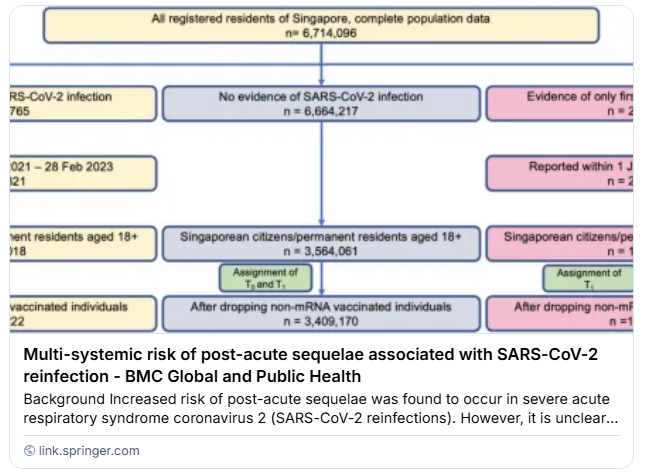
A 2025 Singapore study of 4.7 million people during Delta & Omicron waves found increased risks of new health problems compared with no infection:
• 1 infection: 10% higher risk
• 2 infections: 21% higher risk
Those infected twice had 17% higher risk than those infected once.
Mice got a mild covid infection that never reached the brain. No inflammation, no neuron loss. Every check you'd run came back clean. Two weeks on - fewer synapses in the memory region, more amyloid. The protein that builds up in Alzheimer's🧵
Pulmonary vascular abnormalities in Long COVID: a radiological perspective
🚨Your CT is ‘normal,’ yet you’re still breathless months after COVID. New review shows hidden microvascular damage (perfusion defects, vessel pruning, gas-transfer defects) that standard scans miss, explaining LongC0VID symptoms that routine imaging miss!
➡️Interesting new narrative review from India shifts the focus of LongC0VID from parenchymal lung damage to a distinct pulmonary vascular phenotype! REMEMBER SARSCOV2 is basically a VASCULAR VIRUS!
➡️Core mechanisms:
- SARSCoV2 enters endothelial cells via ACE2 receptors, triggering endotheliitis that creates a pro-coagulant environment and promotes the formation of in-situ microthrombi,
- This is amplified by immunothrombosis (driven by neutrophil extracellular traps) and the generation of amyloid-like fibrin microclots that resist normal breakdown,
- Over time, the vasculature undergoes maladaptive remodelling, including intussusceptive angiogenesis and progressive “pruning” of small vessels, which reduces the available surface area for gas exchange,
➡️Conventional CT pulmonary/angiography frequently appears normal or near-normal and misses microvascular disease,
➡️Advanced imaging uncovers the pathology:
1. Dual-energy CT (DECT) detects persistent wedge-shaped perfusion defects in otherwise normal lung tissue, seen in 36–60% of symptomatic patients and still present in 36.3% at roughly 3 months,
2. Quantitative CT shows reduced small-vessel volume (PBV5), which correlates with lower DLCO and poorer exercise tolerance,
3. Hyperpolarized xenon-129 MRI reveals a hallmark gas-transfer defect, impaired alveolar-to-RBC gas exchange, even when standard CT and pulmonary function tests appear normal,
4. V/Q SPECT and PREFUL MRI demonstrate mottled perfusion patterns consistent with diffuse small-vessel disease,
➡️Findings correlate with ongoing dyspnoea, fatigue, and reduced exercise capacity,
➡️Higher (admission) D-dimer/CRP often predict later defects,
➡️2025 RSNA/STR/ESTI consensus guidelines recommend imaging at 3 months with paired inspiratory/expiratory protocols and the term “Post-COVID-19 Residual Lung Abnormality.”
‼️So, AGAIN, routine CT scans can look reassuring while the pulmonary microvasculature remains structurally and functionally damaged, directly accounting for persistent breathlessness and fatigue in a substantial subset of LongC0VID patients.
‼️The proposed framework matters clinically every day: many patients with ongoing dyspnoea or exercise intolerance after COVID have occult vascular injury that conventional imaging and basic Pulmonary Function Tests(PFTs) fail to detect. Recognizing the vascular phenotype guides use of functional/quantitative techniques (DECT, xenon MRI, etc.), supports standardized 3-month imaging protocols, and should shift management toward vascular rather than purely parenchymal explanations. It also helps differentiate vascular from airway-related causes of symptoms and UNDERSCORES the public-health scale of residual impairment in survivors!
REMINDER AGAIN, COVID-19(SARSCOV2) is basically a VASCULAR INFECTION!
#AvoidSars2 #AvoidReinfections #Mitigation
https://t.co/TKFeI01gAG
At this point you have to presume that any new doctor you’re dealing with is totally burnt out, probably suffering from SARS2 induced brain fog (damage) and is still stuffed with medical hubris.
Not all doctors obviously, but the precautionary principle applies.
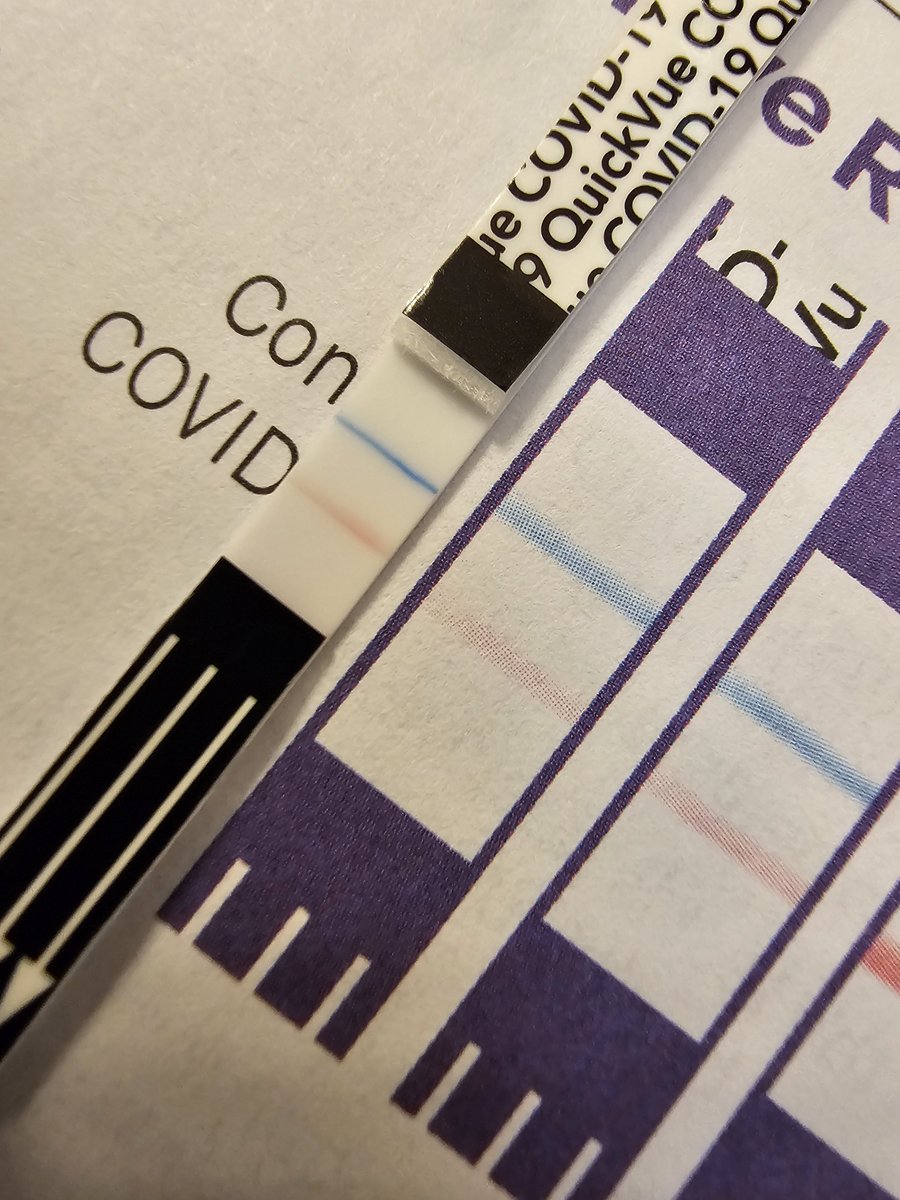
My cycle of testing positive after stopping paxlovid has continued. I tested + again today. I have 10 days of pax left, so I'm trying one more experiment. SARS-COV2 can be a bacteriophage, living in gut bacteria and biofilms. I also have evidence of SIBO and bartonella infection, so I am trying 2 new treatments: pharmacy compounded methylene blue capsules and Candid-Away. These antibacterial/anti-biofilm medications also have potential antiviral effects. The idea is to kill off the bacteria which are acting as a viral reservoir and prevent the virus from replicating. I will also be starting a new form of TA1, but haven't received it yet.
In the past 2 weeks, I have been diagnosed with high cortisol, low lymphocytes, and costochondritis. This COVID infection has done a lot of damage, and it's not finished yet.
I would much rather have a better targeted antiviral combination therapy for COVID, but this is all I have- rifampin apparently ruined the effectiveness of my Stribild/maraviroc/Tollovid combo and this variant is resistant to Pemgarda and my IG batch.
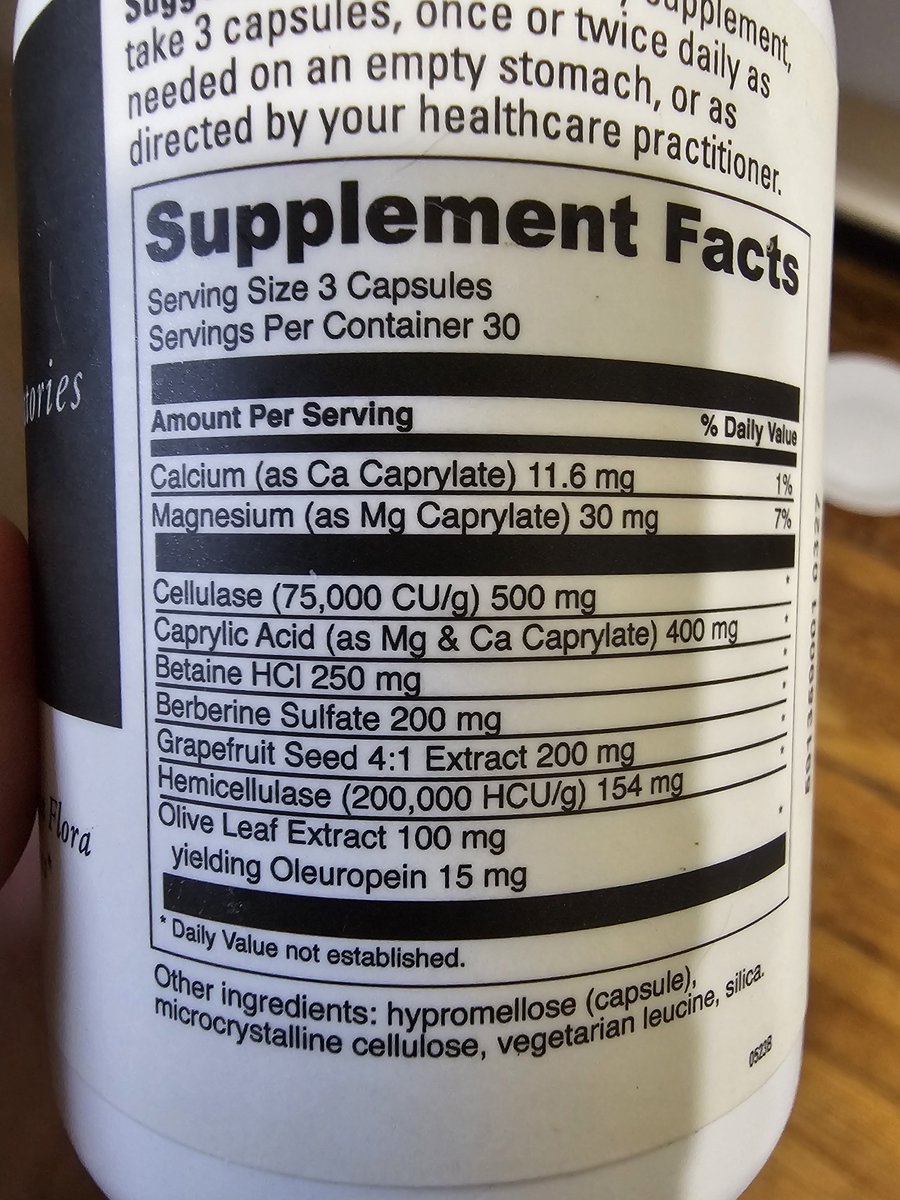
Photos: today's + test, bacteriophage research, Candid-Away ingredients
Lp(a)-lowering had absolutely zero effect on cardiovascular events in HORIZON.
Neither in Lp(a) >70 mg/dL, nor >90 mg/dL - no matter how the data were analyzed.
Big bust. Favors the most pessimistic scenario that Lp(a)-lowering is very unlikely to move the needle, at least in secondary prevention.
covid is at the highest level it has even been at this time of the year since the beginning in 2020
highest level ever for the end of October going into the beginning of November
I've been corrected on this. Apologies for passing on incorrect information.
There are not 1 million new Covid cases in the US every week at the moment.
There are 1 million new Covid cases EVERY DAY.