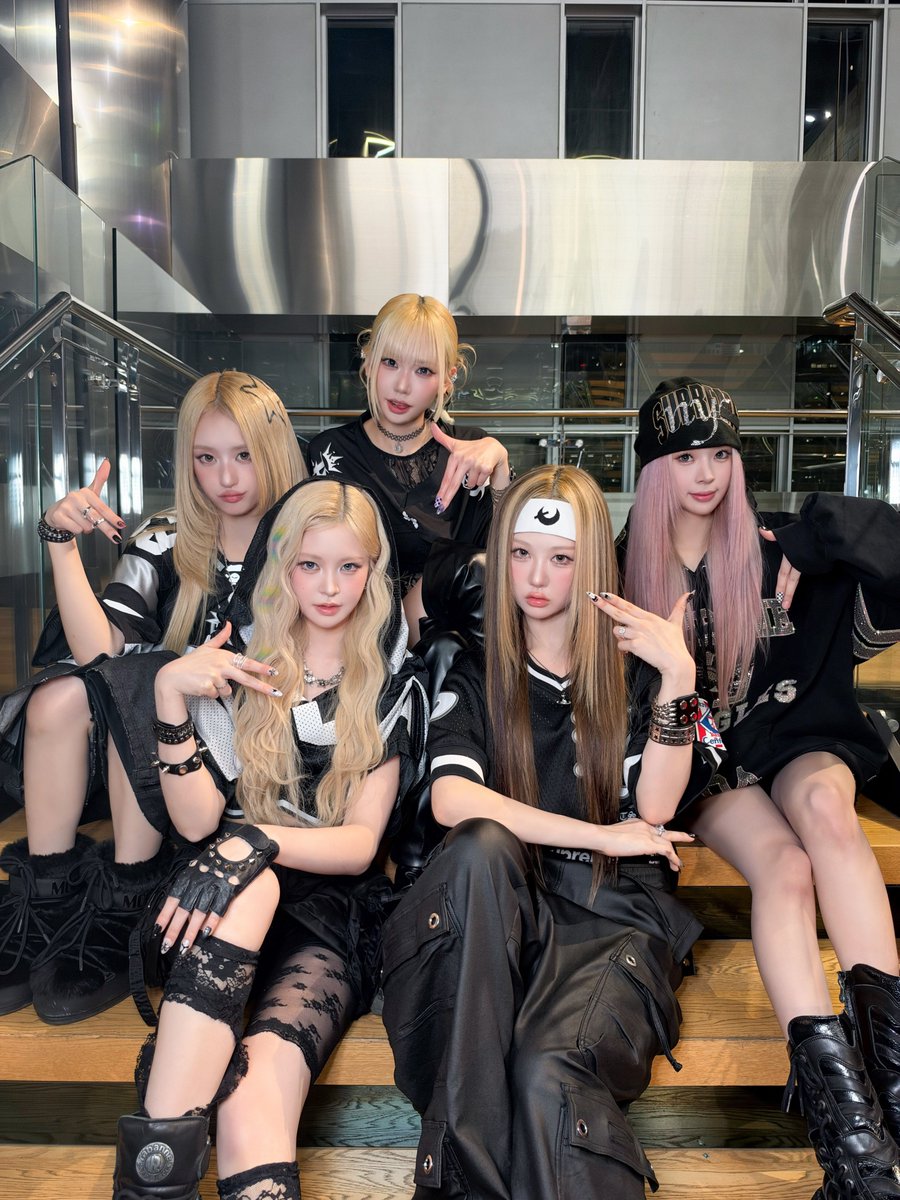
We have become aware of the situation surrounding Pharita, in which some toxic akgaes in China have been spreading misleading claims that she is engaging in cultural appropriation.
First of all, we need to make one thing clear: Pharita used the Korean word 추석 to refer to and celebrate Chuseok in Korea. 추석 and 中秋节 take place around the same period because they are connected to the same lunisolar calendar system, but their customs, purposes, and cultural meanings are significantly different.
Culture has never developed in isolation. Cultural exchange has existed throughout history, especially between regions that are geographically close and have long histories of interaction. Traditions can travel from one region to another and then develop in different ways according to local history, geography, social structures, beliefs, and customs.
A good example can be seen in Malaysia and Singapore. Both have long-established Chinese communities whose cultures have interacted and blended with local societies over generations. This contributed to the development of unique cultural identities such as Peranakan or Baba Nyonya culture, which is distinct from Chinese communities in other countries. This can be seen particularly clearly in language, as generations of contact between different linguistic and cultural environments have shaped the way these communities communicate and express their identity.
This is how cultural exchange works. Culture does not have to remain frozen in exactly the same form in which it originated. When traditions, languages, and customs move across geographical and social boundaries, they can be adapted, transformed, and given new meanings by the societies that adopt them.
That is why Korea has 추석, China has 中秋节, Japan has 月見, and Vietnam has Trung Thu. These traditions share historical and cultural connections, and some are celebrated around the same time, but they have developed their own customs, purposes, meanings, and cultural characteristics.
Korea’s 추석 is not simply a copy of China’s 中秋节, just as Japan’s 月見 and Vietnam’s Trung Thu are not identical to either of them. A shared historical connection does not mean that every later development is simply “copying” or “stealing” from another culture.
This is exactly why Pharita using 추석 to greet people in Korean should not be framed as “stealing Chinese culture.” She was using the Korean language to acknowledge a Korean holiday within a Korean cultural context. She did not claim that 추석 belongs to her, nor did she claim ownership over Chinese culture.
Pharita is Thai, and Mid-Autumn Festival is not a traditional nationwide Thai holiday in the same way it is in China. She is someone who has lived, studied, and worked in Korea, learned the Korean language and culture, and naturally participates in Korean traditions.
It is also worth remembering that Pharita has used Chinese to greet and celebrate Chinese holidays as well. Her use of Korean for 추석 does not erase, replace, or invalidate Chinese cultural traditions.
Cultural influence, adaptation, and exchange are part of how cultures have developed throughout history. Different societies can share historical roots while developing completely different traditions of their own.
Cultural exchange does not automatically mean cultural appropriation. Before accusing someone of “stealing” a culture, perhaps we should first understand the history, geographical context, and cultural development behind the tradition itself.
A simple holiday greeting should not be deliberately taken out of context and turned into another accusation against Pharita.
This is not the first time toxic akgaes in China have deliberately done this. However, this is certainly the most alarming instance of targeted attacks and public opinion manipulation we have seen.
We urge @ygent_official to take appropriate action to protect your artist in the Chinese market.
Thank you!
짠 하고 나타났다가 흔적 없이 사라진
언차일드를 찾습니다
마지막 목격일:260823
데뷔일자:260421
구성된 멤버:(6명) 나하은 박예은 이본 아코 티나 히키
특징:모두 아름다운 여자들이며 데뷔하고 모든 음방에서 전원 핸드마이크를 쓰고 라이브를 기깔나게 잘하는 신인입니다
#UNCHID#언차일드