📣 History lives in the voices of those who lived it.
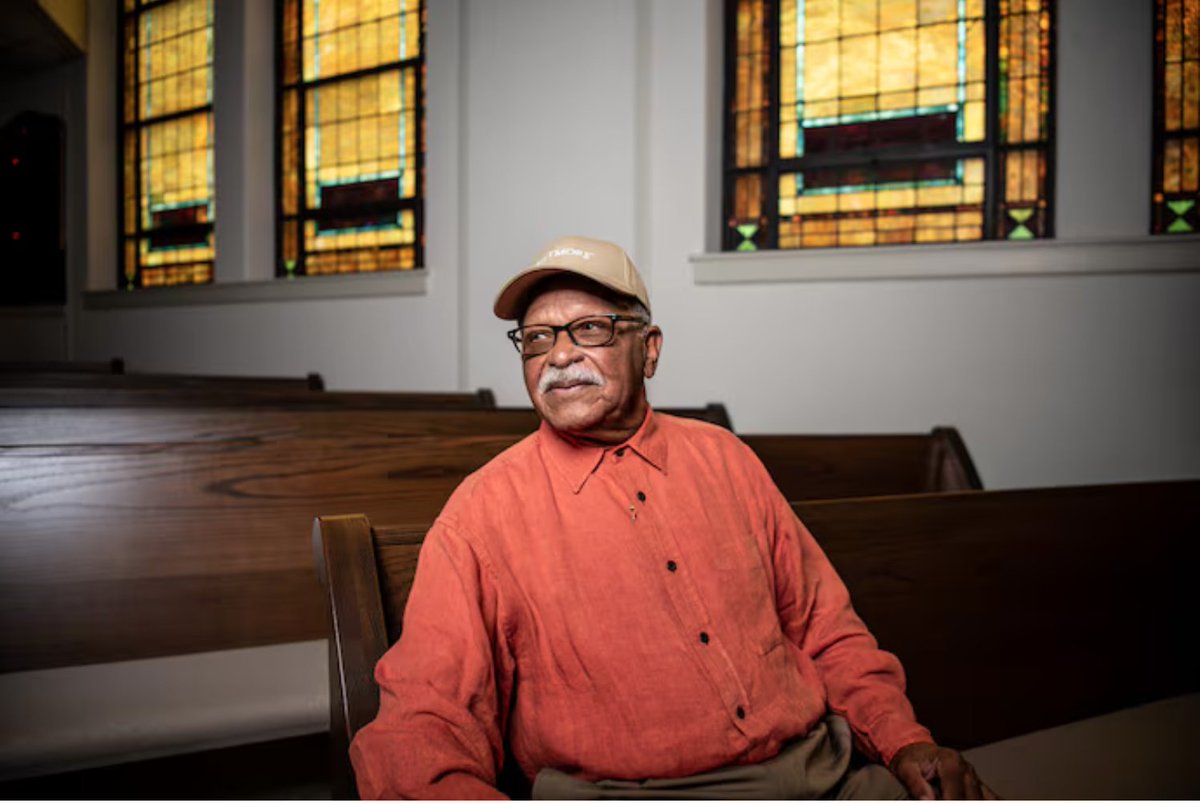
In 1958, a young janitor named James Pruitt helped prevent what could have been a deadly bombing at Birmingham’s Temple Beth-El. His story—once untold—is now being preserved thanks to an oral history initiative led by our very own Executive Director, Lukata Mjumbe.
This powerful interview, conducted as part of the Alabama African American Civil Rights Heritage Sites Consortium’s Evidence of Things Not Seen project, was recently featured in The Washington Post. But this vital work is now under threat—federal cuts have jeopardized the future of our oral history and youth programs, including the exhibit planned to mark the 60th anniversary of the Voting Rights Act.
🗣️ We are racing against time to preserve the firsthand accounts of elders whose stories may otherwise be lost forever. This is why we do what we do—and why this work must continue.
📖 Read Mr. Pruitt’s story here: https://t.co/7XLpzVjGrR
🙏🏾 Support our work: https://t.co/jG7APZlHsX
#OralHistory #CivilRights #BirminghamHistory #JewishBlackSolidarity #TempleBethEl #HeritageMatters #SaveOurStories #AAACRHSC #EvidenceOfThingsNotSeen
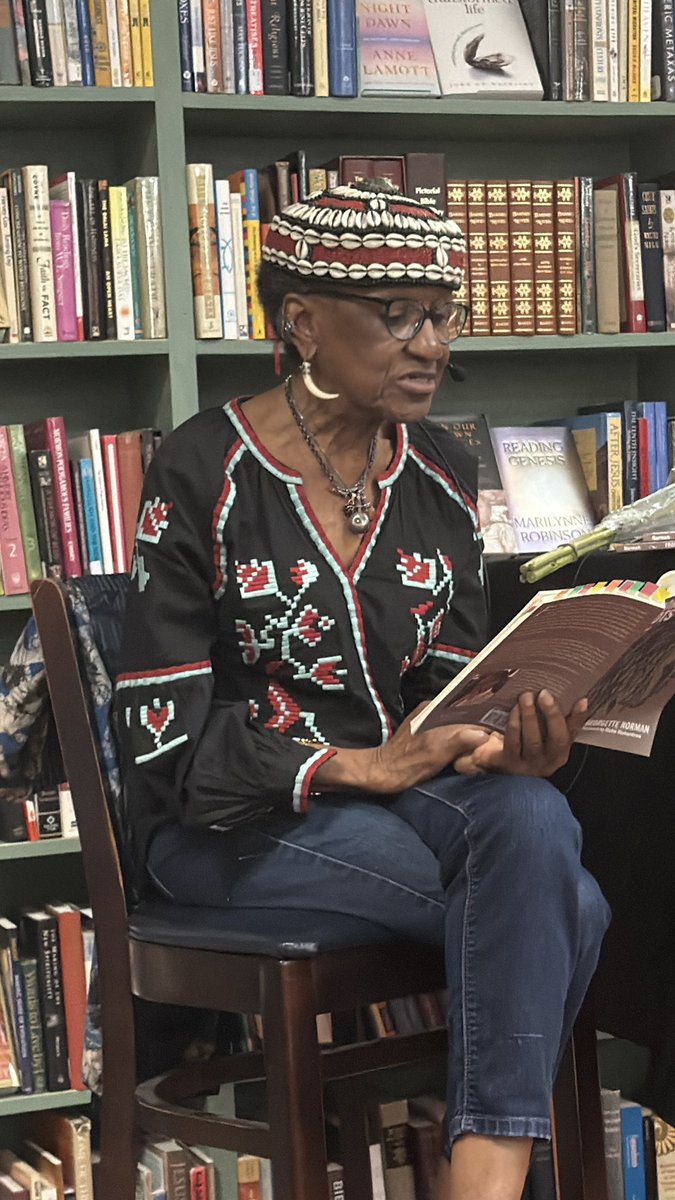
Congratulations to Georgette Norman on the successful launch and celebration of From These Roots: Selected Poems yesterday in Montgomery!
As one of the founding mothers of the Alabama African American Civil Rights Heritage Sites Consortium, Georgette’s lifelong dedication to preserving Black history, amplifying culture, and nurturing generations of artists, storytellers, and changemakers has left an immeasurable impact across Alabama and beyond.
We celebrate this beautiful milestone and the publication of a body of work that reflects the depth, wisdom, and legacy of her voice. Thank you, Georgette, for the many ways you continue to inspire, preserve, and uplift our communities. ❤️📚
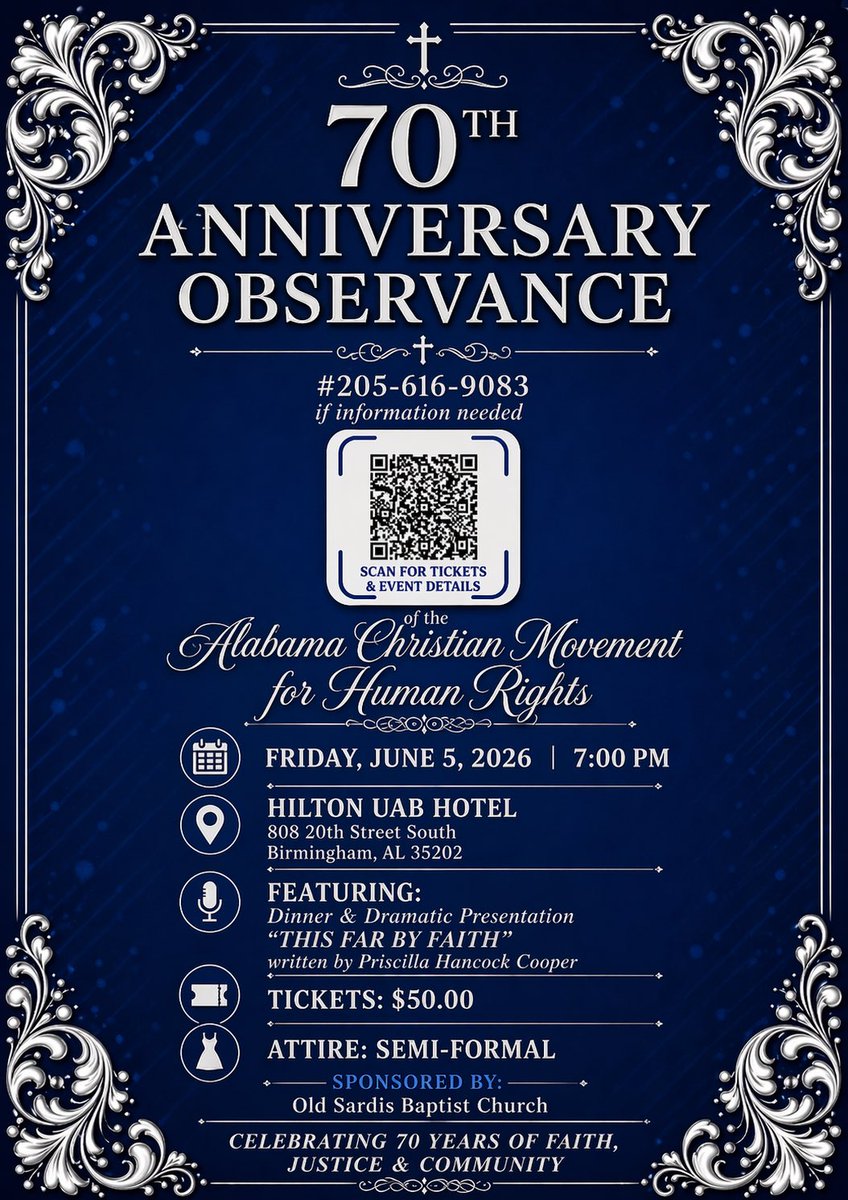
Don’t forget — this Friday, Old Sardis Baptist Church will host the 70th Observance of the Formation of the Alabama Christian Movement for Human Rights (ACMHR), commemorating the legacy of one of the most influential organizations in Birmingham’s Civil Rights Movement.
Join in honoring 70 years of faith, justice, and community.
Please see the flyer for event details, tickets, and additional information.
Although today is Memorial Day, we also pause to remember another moment that shaped our nation’s recent history.
Today marks the anniversary of the murder of George Floyd, whose death on May 25, 2020, sparked a global reckoning around racial injustice and renewed conversations about equity, accountability, and civil rights.
At the Alabama African American Civil Rights Heritage Sites Consortium, we believe preserving authentic stories of the past helps us better understand the present. As stewards of places connected to the long struggle for civil rights, we recognize the importance of remembering moments that continue to shape the ongoing pursuit of justice.
We remember George Floyd today.
Today, we pause to honor and remember the brave men and women who gave their lives in service to our country.
At the Alabama African American Civil Rights Heritage Sites Consortium, we recognize that preserving history means honoring the many sacrifices that have shaped our nation and communities. As we work to protect authentic stories and historic places, we remain committed to ensuring that the legacies of courage, service, and perseverance are remembered for generations to come.
Wishing all a meaningful and reflective Memorial Day. 🇺🇸
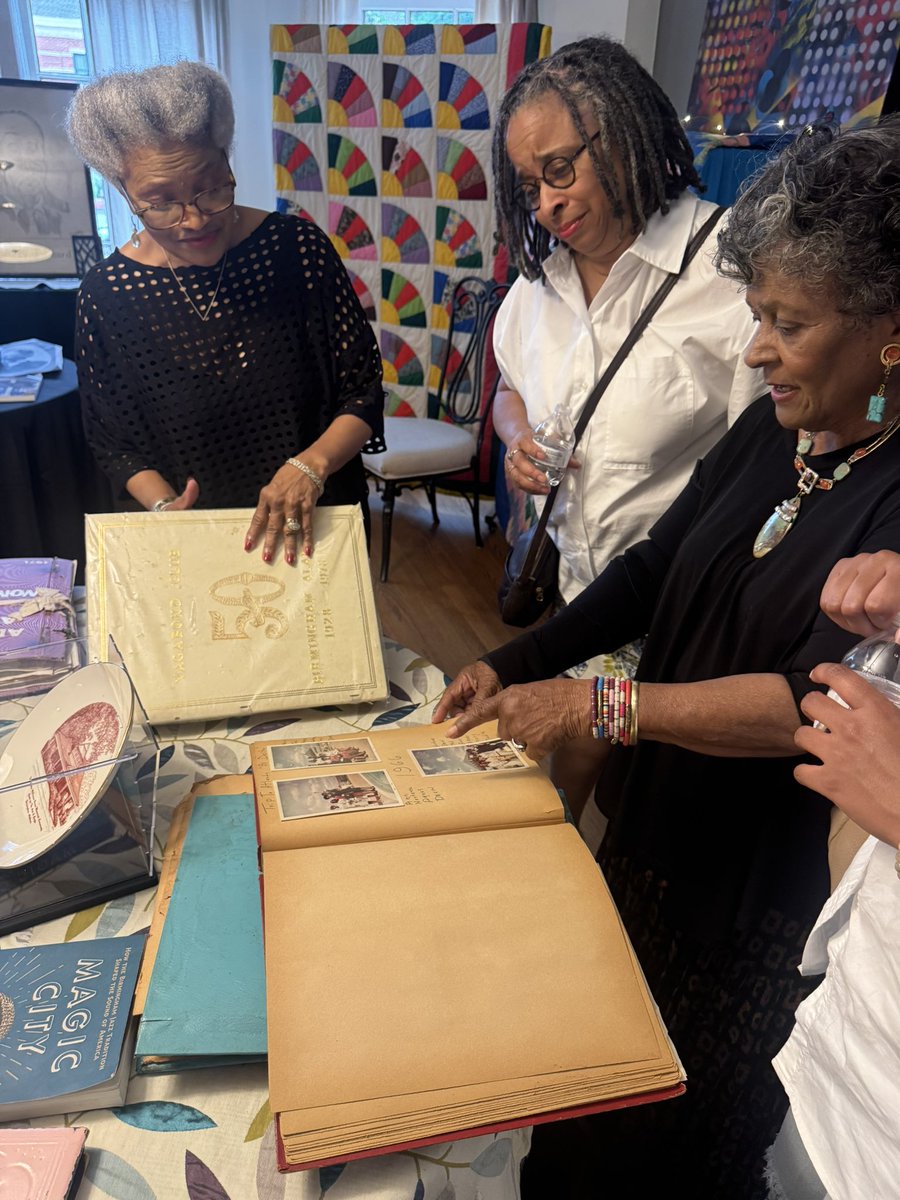
Last night, one of our member sites, The Ballard House Project, welcomed guests for its VIVID REFLECTION May Soiree, an evening of music, food, storytelling, and community connection celebrating a resilient neighborhood through cultural artifacts and shared memories.
We extend our congratulations to The Ballard House Project on another meaningful gathering that continues to honor and uplift community history through culture and engagement.
Missed it? Be on the lookout for future opportunities to experience the exhibit and upcoming events, including another soiree in June. Follow The Ballard House Project on Facebook and visit https://t.co/FoWfe3UC7v for updates and more information.
Did you know First Baptist Church, also known as “Brick-A-Day,” endured a violent siege during the Freedom Rides in 1961?
After Freedom Riders arrived in Montgomery and were met with brutal violence, hundreds of activists, community members, and civil rights leaders gathered at the church for safety and a mass meeting. Outside, an angry mob of nearly 3,000 white rioters surrounded the building, throwing bricks through windows and threatening to burn it down while tear gas drifted inside. From the church basement, Dr. Martin Luther King Jr. called Attorney General Robert F. Kennedy for federal intervention.
The “Siege of First Baptist” became a pivotal moment in the movement and helped push forward the desegregation of interstate travel.
Support the preservation of sites like First Baptist Church (“Brick-A-Day”): https://t.co/bRiJ29yQ5D
NPR recently highlighted the Ben Moore Hotel, a member site of the Alabama African American Civil Rights Heritage Sites Consortium, after it was named one of the National Trust for Historic Preservation’s 2026 “11 Most Endangered Historic Places.” The recognition underscores both the historical significance of the site and the urgent need to preserve spaces that tell the story of Black resilience, entrepreneurship, and activism.
During the Jim Crow era, the Ben Moore Hotel served Black travelers listed in the Green Book and became an important gathering place during the Civil Rights Movement in Montgomery. Today, the building faces significant structural deterioration, reminding us that preservation requires continued advocacy, investment, and public support.
Historic places like the Ben Moore Hotel are more than buildings. They are living reminders of the stories, struggles, and communities that shaped our nation. Preserving them helps ensure those stories are not erased.
Read the full NPR article here: https://t.co/cEj3kcBTIA
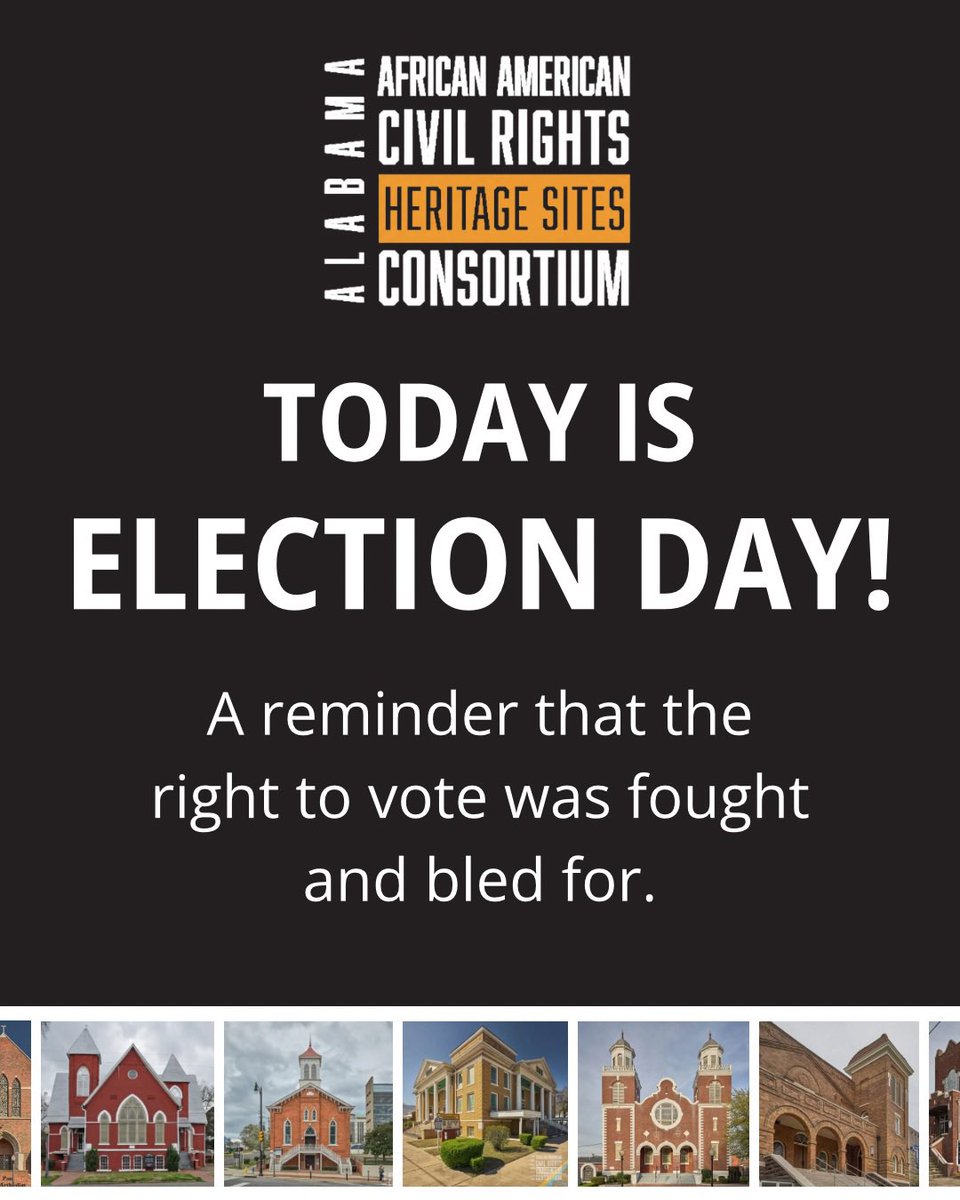
Today is Election Day in Birmingham and communities across Alabama.
Across our state, churches, community leaders, and everyday citizens organized, gathered, and persevered in the fight for voting rights. Many of these stories remain preserved at historic sites across the Alabama African American Civil Rights Heritage Sites Consortium.
Today serves as a reminder of the generations who worked to expand access to the ballot and the lasting impact of civic participation in shaping our communities.
Learn more about the historic places preserving this legacy at https://t.co/kwWYNfwJyE.
Did you know the Ballard House in Birmingham served as both a medical office and a safe meeting space for Civil Rights organizers during the 1963 Birmingham Campaign?
After moving his practice there in 1959, Dr. Herschell Hamilton Sr. treated demonstrators injured during protests where police dogs and fire hoses were used against marchers. At the same time, the Ballard House became a gathering place for movement strategy and community organizing during one of the most pivotal moments of the Civil Rights Movement.
Support the preservation of sites like the Ballard House: https://t.co/bRiJ29yQ5D
Yesterday, members of the Selma community gathered at Historic Tabernacle Baptist Church to honor the life and legacy of Dr. Bernard Lafayette Jr. and commemorate the 63rd observance of the Voting Rights Movement’s First Mass Meeting in 1963.
A Freedom Rider, organizer, and close associate of Dr. Martin Luther King Jr., Dr. Lafayette played a major role in the Selma Movement and the fight for voting rights in America. As new challenges to the Voting Rights Act continue to emerge across the country, gatherings like this serve as an important reminder that the struggle for equal access to the ballot is not just history, but an ongoing responsibility.
As a proud member site of the Alabama African American Civil Rights Heritage Sites Consortium, Historic Tabernacle continues to preserve and share these stories for future generations.
This upcoming Monday, May 11, marks the 65th Anniversary of the historic Freedom Rides — a pivotal movement that challenged segregation in interstate travel and helped push the nation closer toward justice.
The Alabama African American Civil Rights Heritage Sites Consortium honors the courage of the Freedom Riders and the generations who continue carrying their legacy forward.
Join The We Shall Someday Project for Passing the Baton: A Night of Song and Solidarity, featuring living Freedom Riders, descendants, and selections from the original musical We Shall Someday.
📍 Freedom Rides Museum
📅 Monday, May 11, 2026
⏰ 5:15 PM
As attacks on voting rights, representation, and civil rights protections continue across the country, commemorations like these remind us that the struggle for justice did not end in 1961 — and neither did the responsibility to continue it.
Many of our Consortium sites across Alabama preserve and share the stories of those who organized, marched, resisted, and sacrificed during this movement. Their legacy still calls us to action today.
Two years ago, our executive director, Rev.Lukata Mjumbe sat down with Aaren Rudolph, also known as Aquamayne, following the Montgomery riverfront incident for a conversation about solidarity, community response, and the importance of Black people staying involved in the movement.
Today, that message feels even more urgent. As attacks on the Voting Rights Act continue and states across the South move to redraw congressional districts following recent U.S. Supreme Court rulings, questions of representation, political power, and community mobilization are once again at the center of national conversation. Alabama is currently in a special session over congressional redistricting, with lawmakers considering changes that could impact Black political representation across the state.
The history preserved at Consortium sites across Alabama reminds us that progress has never simply been handed over — it has always required people willing to organize, participate, and fight for their communities.
Watch the full interview here:
https://t.co/VrYGnjVuAm
Did you know First (Colored) Baptist Church in Selma was the first church in the city to open its doors to the Dallas County Voters League in 1963?
At a time when supporting the movement could put churches and their members at risk, the congregation chose to become a space for mass meetings, nonviolence training sessions, and organizing efforts connected to the fight for voting rights. During the height of the movement, leaders including Dr. Martin Luther King Jr. and Ralph Abernathy spoke there regularly to students and activists preparing for action in Selma.
Support the preservation of sites like First (Colored) Baptist Church: https://t.co/bRiJ29yQ5D
We’re excited to see Consortium member Historic Bethel Baptist Church continuing to create opportunities for community connection and wellness through events like the upcoming Black Farmers of Alabama Community Farmers Market.
This gathering is a great example of how historic Black churches continue to serve as centers of community care, fellowship, and empowerment beyond their historic significance. Congratulations to Bethel Baptist Church and all involved in bringing this event to the Collegeville community. 🌱🍅
We encourage everyone in the area to come out, support local Black farmers, and enjoy a day of community fellowship on May 9th.
Did you know much of the Montgomery Bus Boycott was coordinated from the basement of Dexter Avenue King Memorial Baptist Church?
From his office there, Martin Luther King Jr. helped organize carpools, mass meetings, and strategy that sustained a 381-day protest against segregation. The church became a command center for collective action, showing how a local congregation could mobilize an entire community and spark national change.
Support the preservation of sites like Dexter Avenue King Memorial Baptist Church: https://t.co/bRiJ29znVb
Alabama is now moving into a special legislative session in response to shifting redistricting decisions.
What happens in moments like this shapes more than maps. It shapes representation, access, and the political power of entire communities.
The history preserved across our Consortium sites tells the story of how hard-fought that power has been. From Montgomery to Birmingham, these places stand as evidence of the long struggle to secure fair representation and protect the right to vote.
Today’s decisions echo the very issues that fueled the Civil Rights Movement. District lines, elections, and representation were at the center then, and they remain at the center now.
As this process unfolds, our work remains grounded in preserving these stories and ensuring they continue to inform the present.
History is not separate from this moment. It is the context for it.
A new Supreme Court ruling on redistricting is already raising urgent questions about the future of voting rights in Alabama and across the South.
For communities like those connected to our work, this is not abstract. It is directly tied to whose voices are heard, whose stories are preserved, and whose communities have the power to shape their future.
Many of the historic sites in our Consortium, including those in Montgomery and Birmingham, exist because ordinary people organized, marched, and fought for fair representation. The Voting Rights Movement was not just about access to the ballot. It was about ensuring that communities could not be divided, diluted, or ignored.
As conversations around redistricting continue, the history held within our sites reminds us what is at stake and why this work still matters.
The legacy of the movement is not behind us. It is shaping what happens right now.
Congratulations to First Missionary Baptist Church Decatur on celebrating an incredible 160 years of faith, resilience, and community.
This historic congregation, one of the oldest in Alabama and the second-oldest African American church in Decatur, continues to stand as a powerful testament to generations who built sacred spaces and lasting institutions in the face of adversity.
We’re proud to see this Consortium member recognized in the news. Read more about their anniversary celebration at https://t.co/zIwmoTmrud and watch the full feature here: https://t.co/WnotYHOrmF
Here’s to a legacy that continues to shape Alabama’s story.
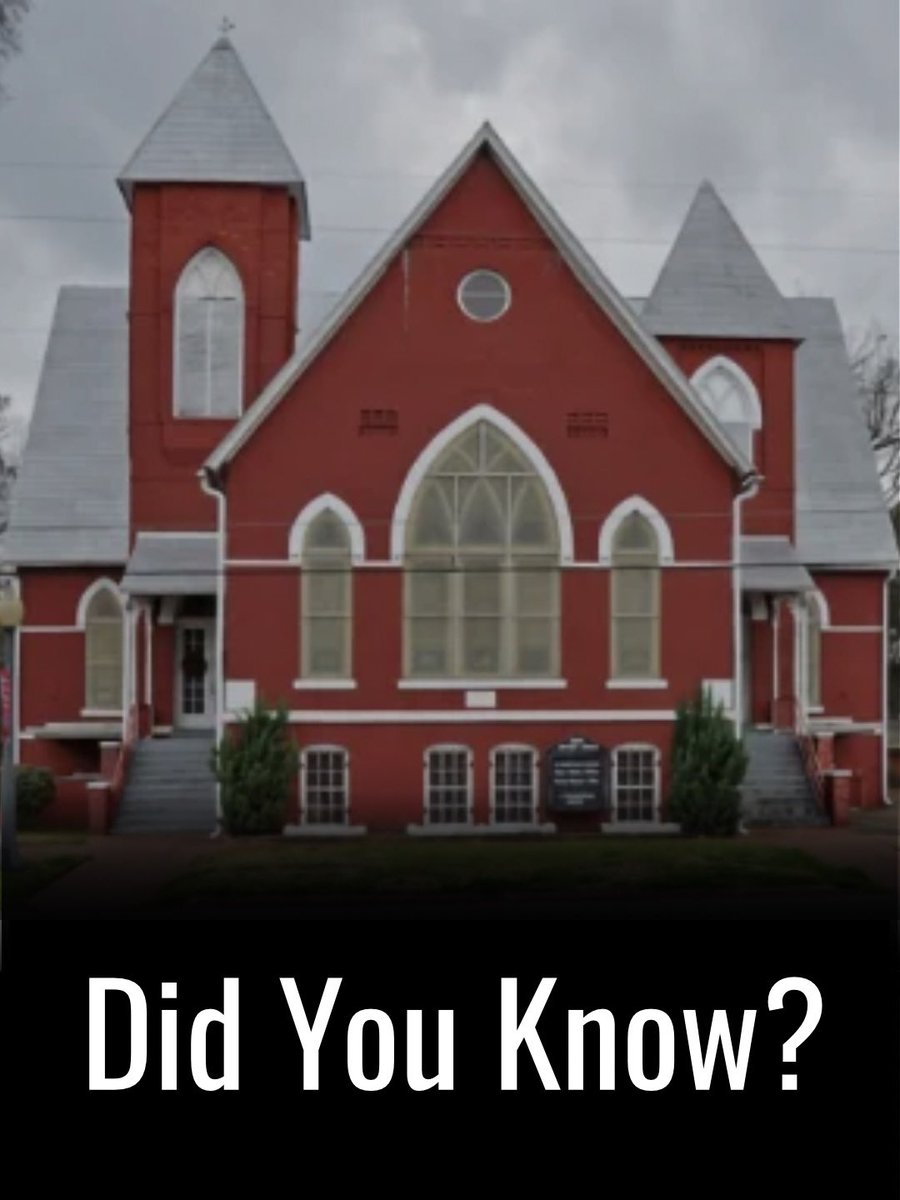
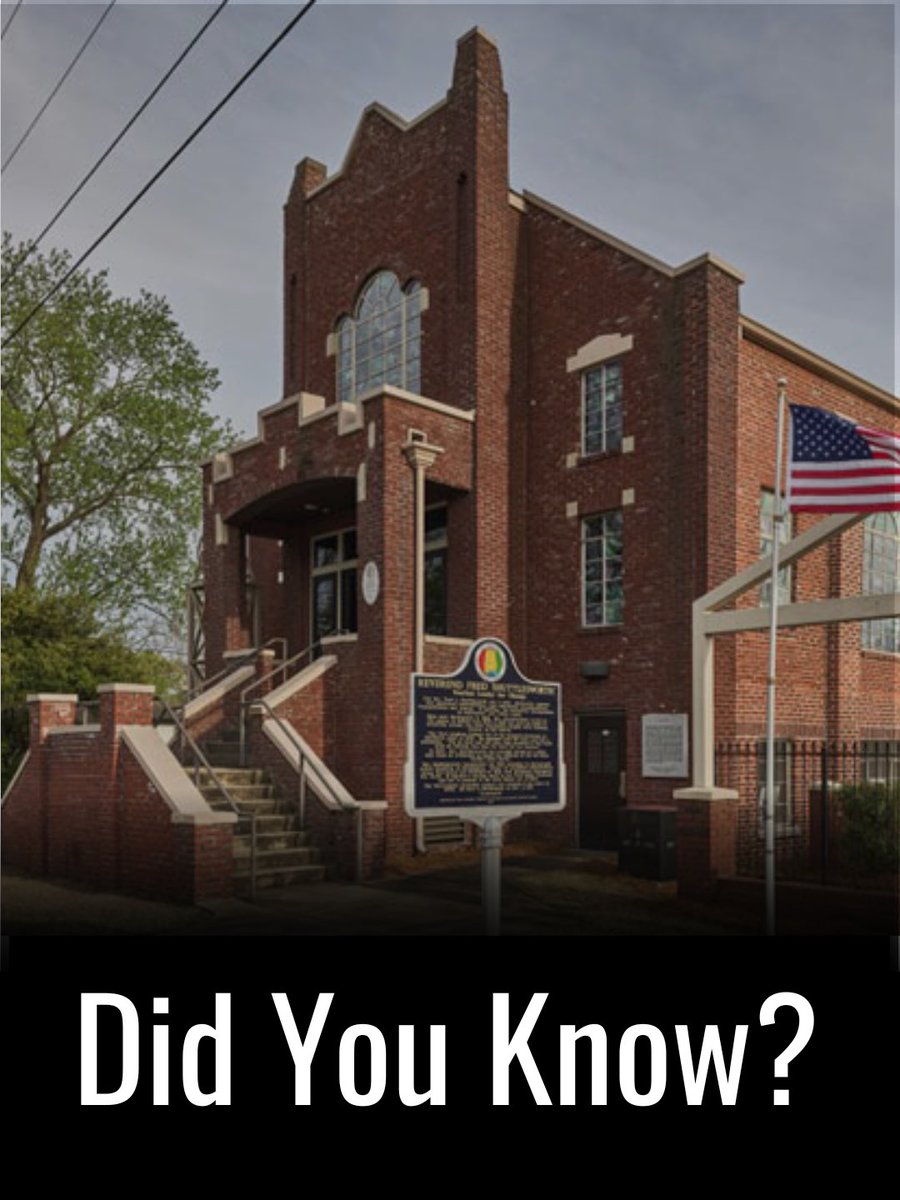
Did you know Historic Bethel Baptist Church was bombed three times during the Civil Rights Movement but still remained a center of organizing and resistance?
Even after a Christmas Day 1956 bombing destroyed the parsonage while Rev. Fred Shuttlesworth and his family were inside, he survived and continued leading the Alabama Christian Movement for Human Rights from Bethel. The very next day, he moved forward with planned protests against segregation, refusing to be intimidated.
Despite repeated acts of violence meant to silence the movement, Bethel remained a headquarters for strategy, mass meetings, and direct action in Birmingham’s fight for civil rights.
Support the preservation of sites like Historic Bethel Baptist Church: https://t.co/bRiJ29yQ5D
On this day in 1963, civil rights marcher William Lewis Moore was killed along U.S. Highway 11 near Attalla, Alabama.
Moore, a white ally and member of CORE, was walking alone from Tennessee to Mississippi, calling for an end to segregation. Carrying signs that demanded equal rights, he continued his journey despite warnings for his safety.
Less than a week before his 36th birthday, he was shot and killed. The man identified in connection with his death was never indicted.
Moore’s march and his death reflect the risks faced not only by Black activists, but also by those who stood beside them in the fight for justice.
Learn more at the Alabama African American Civil Rights Heritage Sites Consortium
https://t.co/bRiJ29yQ5D
Photo credit: Wikipedia