Sports injuries can cause a variety of trauma, such as fractures involving the teeth, jaws and facial bones. Oral and maxillofacial surgeons are qualified to handle these injuries. Don’t wait – get expert care when it counts! To learn more, visit https://t.co/2ZCqU9ow4d.
https://t.co/h07W46crOG
A child’s small size and behavior can make them more susceptible to dog bites on the head and face. To minimize risk, never leave a dog and child unattended, and teach children to avoid a dog’s face, food and making sudden movements. If a bite occurs, seek immediate medical attention and consult with an OMS to ensure proper treatment and healing.
You may see an oral and maxillofacial surgeon as part of your comprehensive orthodontic treatment plan for reasons such as extracting impacted teeth or over-retained baby teeth. Learn more about how OMSs can support your care at https://t.co/2ZCqU9ow4d.
https://t.co/NFEi3tfoNY
Oral and maxillofacial surgeons undergo extensive training, including four years of dental school and four to six years of a hospital-based residency. Some may also complete fellowships and other graduate degrees for more advanced training. To learn more about the OMS specialty, visit https://t.co/2ZCqU9ow4d.
OMSs and orthodontists work together to provide comprehensive treatment plans to give patients a functional and esthetic smile. For examples of this partnership, listen to The OMS and the Orthodontist: Working Together for the Patient and find an OMS near you at https://t.co/2ZCqU9ow4d.
https://t.co/pm0ORVHHTh
Considering a rhinoplasty?
During a consultation, patients should be prepared to discuss:
✔️ The goals of the surgery
✔️ Medical conditions, including drug allergies, any previous relevant treatments and any eye problems
✔️ General health, particularly any pre-existing conditions or risk factors
Learn more about the rhinoplasty procedure at https://t.co/2ZCqU9ow4d.
https://t.co/XChDYhIo3s
Oral and maxillofacial surgeons (OMSs) and orthodontists have extensive special training in the growth and development of teeth and facial bones, allowing the two specialties to work together to provide optimal patient care and treatment. For more in-depth information about how OMSs and orthodontists work together, visit https://t.co/2ZCqU9ow4d.
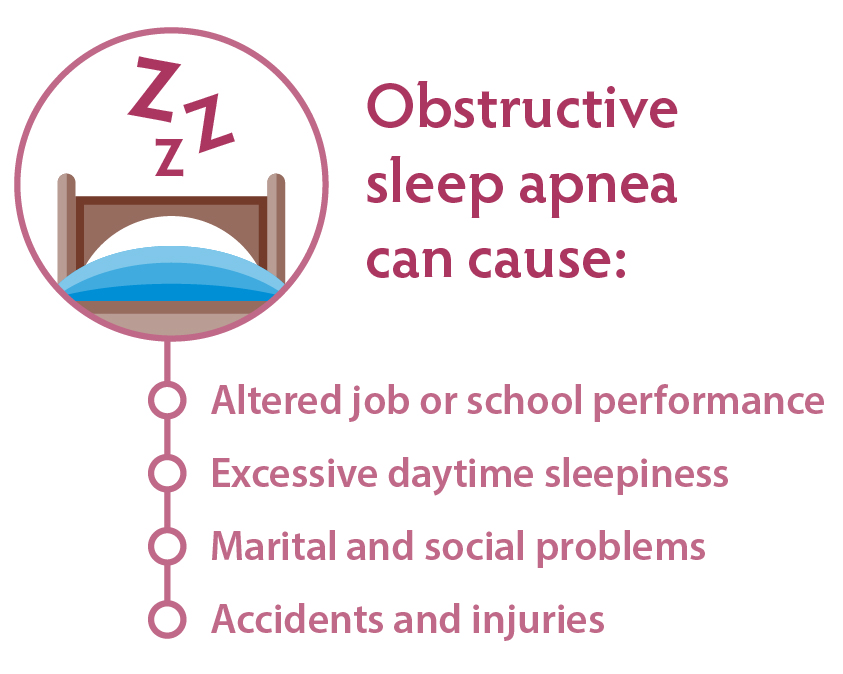
Obstructive sleep apnea (OSA) can lead to poor job or school performance, excessive daytime sleepiness, relationship issues and accidents. If you suspect you or a loved one has OSA, visit https://t.co/2ZCqU9ow4d to learn about the full range of symptoms and find an OMS in your area.
https://t.co/asxMgBVSU2
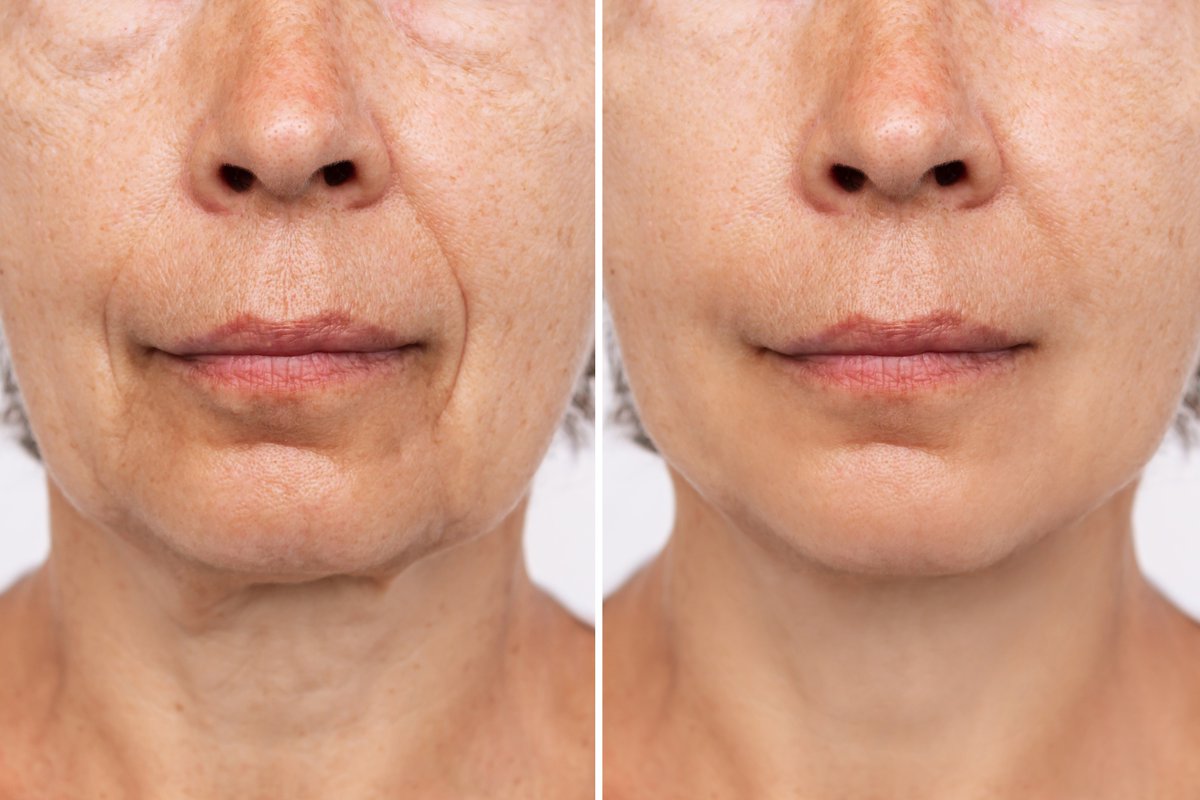
Did you know oral and maxillofacial surgeons (OMSs) are trained in facial cosmetic procedures, including facelifts and mini facelifts? Surgery may refine, rejuvenate or enhance your existing features! Find an OMS trained in cosmetic facial procedures to discuss your facial surgery goals and schedule a consultation at https://t.co/2ZCqU9ow4d.
https://t.co/KKcLiRYC9h
While oral and maxillofacial surgeons (OMSs) are known for placing dental implants or removing wisdom teeth, they also can perform cosmetic procedures involving the functional and esthetic aspects of the face. Learn more at https://t.co/Z3Ajs1eTOb.
Temporary anchorage device (TAD) placement and treatment require collaboration between an orthodontist and an OMS. The orthodontist specializes in tooth repositioning, and the OMS places and removes TADs. They work together to ensure a comprehensive treatment plan and to achieve the best possible outcomes. Find an OMS in your area at https://t.co/2ZCqU9ow4d.
https://t.co/ljveFk86n7
Did you know that Botox and other injectable wrinkle relaxers can relieve facial pain such as migraines? These minimally invasive injections only take a few minutes and can provide relief for several months. Consult an OMS to determine if wrinkle relaxers can help alleviate your facial pain.
Adults with chronic jaw pain may be at a higher risk for obstructive sleep apnea (OSA) – a serious condition that interrupts breathing during sleep. A new study published in the Journal of Oral and Maxillofacial Surgery (JOMS) found that 62% of patients with temporomandibular disorder (TMD) are at an increased risk of OSA, compared with 24% of a control group (no TMD). The findings suggest that screening for sleep apnea should be part of routine care for TMD patients.
Learn more about the peer-reviewed study – The Presence of Temporomandibular Disorder is Associated With an Elevated Risk of Concomitant Sleep Apnea – at https://t.co/5QIiccDF85.
Some lower wisdom teeth develop very close to a nerve that provides feeling to the lower lip, chin, teeth and gums. When removing the entire tooth could injure this nerve, an oral and maxillofacial surgeon (OMS) may recommend a coronectomy to help lower the risk of numbness or other complications. Learn more about the procedure at https://t.co/2ZCqU9ow4d.
Good nutrition is an important part of recovery after oral and maxillofacial surgery. Swelling or incisions in the mouth may make chewing and swallowing difficult. Fluids, protein and nutrient-rich foods can help provide the nourishment the body needs to heal. Talk to your OMS about specific instructions.
https://t.co/NgiuUUx0jg
Dental implants can restore your ability to eat, speak and smile confidently. Watch this overview of the three types of implants: those that go directly into your jawbone (endosteal), sit on top of the bone (subperiosteal) and ones that are anchored in your cheekbone (zygomatic). Ask your OMS to determine which option is best for you. Find an OMS in your area at https://t.co/2ZCqU9ow4d.
TMJ problems and jaw misalignment can affect more than appearance. They also may contribute to pain and difficulty chewing, speaking or moving the jaw.
For some patients, an oral and maxillofacial surgeon may recommend treating the jaw joint and correcting jaw alignment during the same surgery. Find an OMS in your area at https://t.co/2ZCqU9ow4d.
https://t.co/lCHsbUjJOI
When preparing for reconstructive jaw surgery, your oral and maxillofacial surgeon (OMS) will provide specific instructions to follow after the procedure, particularly about diet and exercise. For additional preoperative and postoperative guidance, visit https://t.co/Z3Ajs1eTOb.
New technology, materials and treatments make dental implants an excellent choice for almost anyone who needs to replace missing teeth. Listen to Dental Implants: Long-Term Solution to Missing Teeth to learn more.
https://t.co/kxL7UCxEJF
Corrective jaw surgery – also known as orthognathic surgery – can improve breathing, chewing and speaking. While the patient’s appearance may be altered, the surgery is performed to correct functional problems. Learn more by visiting https://t.co/2ZCqU9ow4d.
https://t.co/HCRVqgcmul