THE NUMBERS ARE MOVING. BUT WHO IS MOVING FORWARD?
Nigeria’s economic story is increasingly being told through improving numbers.
Inflation has fallen. GDP is growing. Government revenues have improved. Foreign reserves have strengthened. The fiscal position is being presented as more stable.
These developments matter.
But an economy is not a spreadsheet.
Behind every percentage is a household paying for food. A worker paying for transport. A small business paying for electricity. A parent paying school fees. A family trying to preserve purchasing power while prices remain far above where they were before the current adjustment cycle.
And this is where the economic debate becomes more complicated.
Falling inflation does not mean falling prices.
GDP growth does not tell us who receives the income generated by that growth.
Higher government revenue does not automatically mean higher household welfare.
Fiscal stability does not necessarily mean financial security for the family.
The real test of economic reform therefore cannot stop at whether the government’s numbers are improving.
We must ask what is happening beneath those numbers.
Who is gaining purchasing power?
Who is losing it?
Who is absorbing the adjustment costs?
Who is positioned to benefit when the economy stabilises?
And perhaps the most important question:
When the economy improves, how quickly does that improvement reach the household?
This is the contradiction we must keep examining.
A country can move in the right direction on some macroeconomic indicators while millions of its citizens continue to struggle with the cost of living.
Both realities can exist at the same time.
Don’t stop at the numbers. Follow the consequences.
INFLATION IS FALLING. SO WHY DOES LIFE STILL FEEL SO EXPENSIVE?
There is a sentence Nigerians need to hear whenever government announces that inflation is falling:
Prices are not necessarily falling. They may simply be rising more slowly.
That distinction sounds technical. For the household struggling to buy food, pay transport fares, keep children in school and meet rent, it is anything but technical.
Nigeria’s headline inflation fell marginally from 15.43% in July to 15.39% in August 2026. Food inflation also declined, from 20.31% to 19.57% year-on-year. On the surface, these are improvements. The National Bureau of Statistics says the August monthly inflation rate was 0.71%, down from 1.57% in July, meaning the average price level continued to rise, but at a slower pace.
Here is where economic statistics become difficult—and where ordinary citizens can easily be lost in the language of macroeconomics.
Inflation measures the rate at which prices are changing. It does not tell us that prices have returned to where they were before the inflation occurred.
If a bag of rice rises from ₦40,000 to ₦60,000 and then rises to ₦61,000, inflation has slowed. But the household is still paying ₦61,000, not ₦40,000.
That is why disinflation is not the same thing as deflation.
The distinction becomes even more important when incomes are considered. If wages rise more slowly than the cost of essential goods and services, workers can experience declining real purchasing power even while headline inflation is falling.
This is the part of the economic story that headline statistics can conceal.
GDP can grow. Inflation can fall. Government revenue can rise. Foreign reserves can improve.
And households can still feel poorer.
Nigeria’s real GDP grew 4.43% in Q2 2026, according to the NBS. That is a genuine measure of increased aggregate economic output. But GDP does not tell us by itself how that additional output and income are distributed across workers, businesses, government and households.
This is why economic analysis must move beyond the dashboard.
Who is earning more? Who is paying more? Who owns the productive assets? Who absorbs the adjustment? And what has happened to the purchasing power of ordinary people?
The economy is not a collection of percentages.
Behind every percentage are people who produce, consume, work, struggle and survive.
And that is why the most important economic question is not simply whether the numbers are improving. The question MUST always be:
It is improving for whom?
MD Umar
I just shared my views on climate justice 🌏, health justice 🏥, and freedom of expression 📢 .
@commonwealthorg are collecting recommendations and ideas and presenting them to Commonwealth Heads of Government in October this year.
https://t.co/URgvgxjDm2
@GovKaduna Excellent decision.......Back to sender by given the them the rope to hang themselves.......Skilfully avoided their trap. What a sagacious move? Machiavellian.
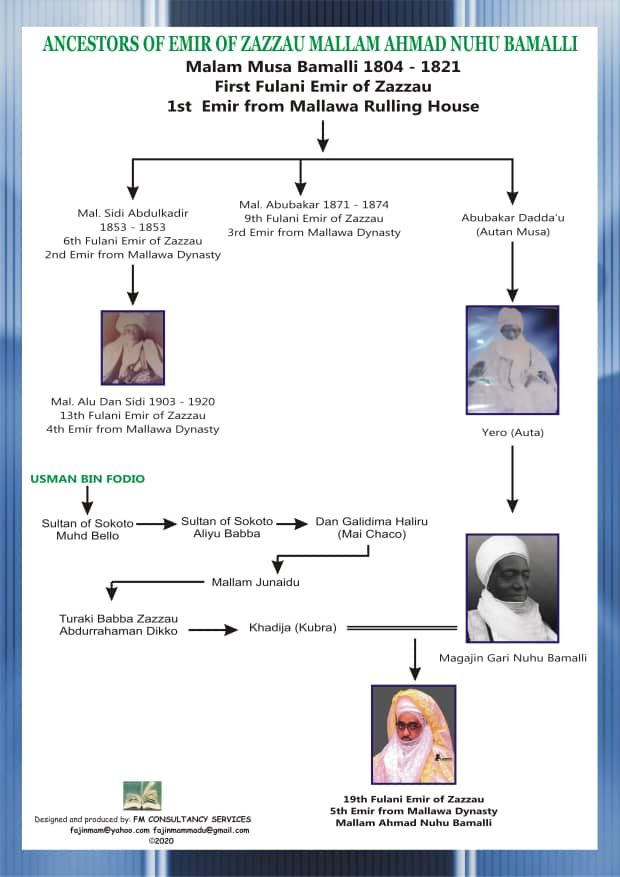
@Imshehu@GovKaduna@elrufai Our traditional monarchical system is never the with Arabian system. They use to have crown prince just like the British.....Zazzau emirate has four ruling houses which a house was deliberately sidelined from the first submission made by the kingmakers.
KADUNA UPDATE: The kingmakers are now meeting to assess all the 13 candidates that indicated interest from all the ruling houses, including the two that were previously excluded. The report of these assessments will be swiftly submitted to the governor for his consideration
@giwa_abbas@govofkaduna@BBCWorld@DailyPostNGR@bbchausa@KatsinaState WE NEEDED ALLAH'S CHOICE..........NOT PEOPLE......OF ALL THE CURRUPT PRACTICE DONE DURING THE NOMINATION BY THE SO CALLED KINGMAKERS......OMITITING A FOMIDABLE CONTENDER FROM THE FAMILY OF THE FLAG BEARER.........WHY THE FEAR?????
BEWARE OF FAKE NEWS! - This @elrufai has not received anything. The Commissioner responsible for chieftaincy matters is reviewing the 11 aspirants and the assessment of all of them by the kingmakers. I will consider the recommendations then and select the next Emir IN Sha Allah.
Breaking:
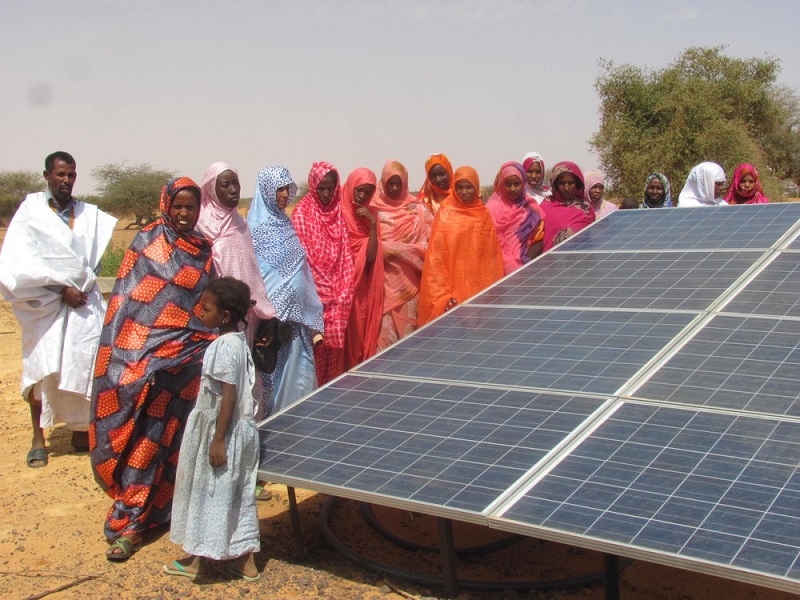
A new methodology for measuring energy poverty and energy access globally.
We focused on the critical issue of electricity reliability.
Always a pleasure to work with @energyforgrowth.
https://t.co/qHPFg1gc4C
cc: @BillGates@WorldBank@RockefellerFdn@UN
I'm attending Empower 2020 Virtual Summit. Join me at Aurora Solar's #virtual summit 07/23! Check out the sessions https://t.co/BwWYjteWVk
RT if you think others will find this helpful 🙌
https://t.co/jkdcaAQVNJ
We support @TheMacroGrid Initiative! The new #MacroGrid program from @ACORE and @CleanEnergyGrid seeks to expand and upgrade the nation’s transmission network to deliver job growth, a cleaner environment and lower costs for consumers. https://t.co/0F71z7z9zb #MacroGrid
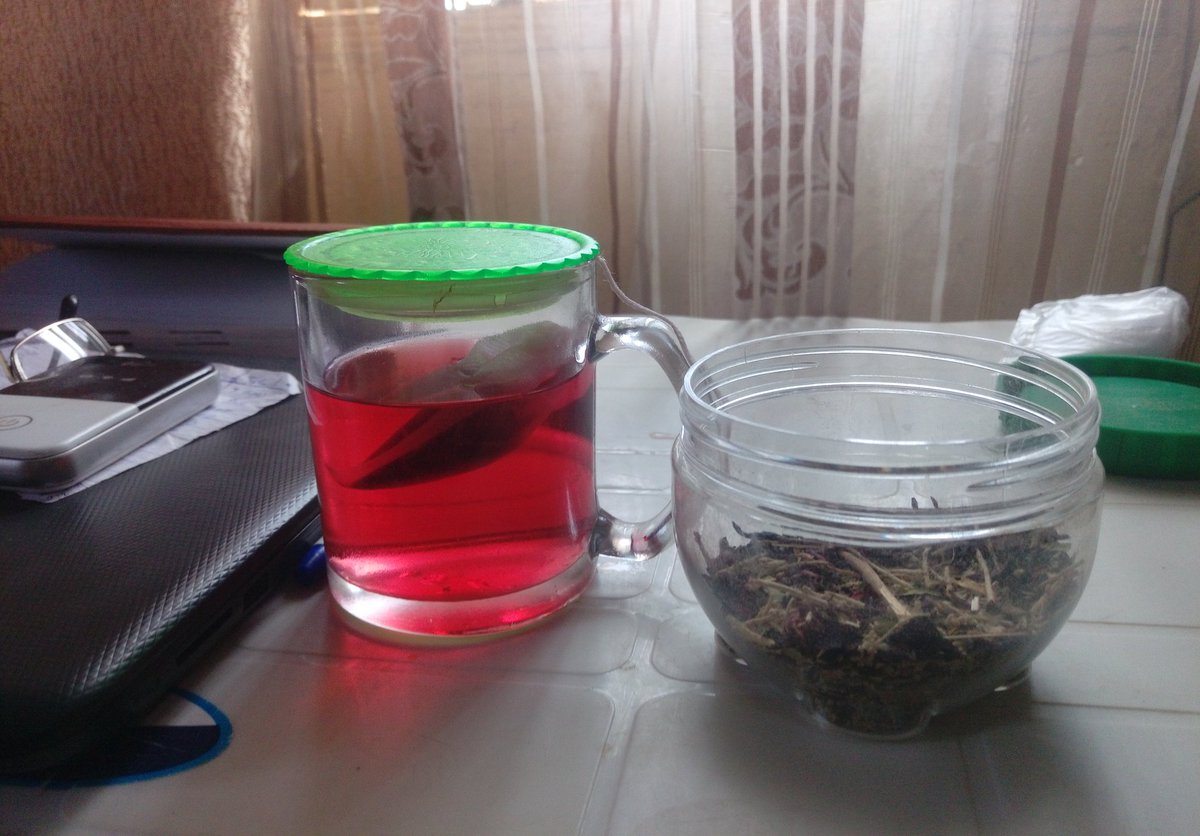
When I got tired of cyclic malaria & typhoid fevers 2yrs ago, in my Lab, I developed this herbal tea from neem, artemisia, hibiscus etc.Since then it's been my evening tea & proved preventive & curative of mild symptoms.
I realised it has similar ingredients with Madagascar herb.
My interview w/ CNN on sidelines of #TDF2020, before we carried out proportionate military response—delivering on our promise.
@realdonaldtrump has been fed disinformation.
"Beautiful military equipment" do not rule the world: people do.
And people of our region want U.S. out.