Don't let your Livestock farming dream die because you lack credible implementing partners.
@BenatFarms is here to walk with you on your farming journey for better results right from planning to product production.
Kindly retweet, you or your friend are our next clients.
— Advertised Vacancy —
The Director General invites suitably qualified Ugandans to apply for the positions at the NARO Secretariat
Apply Link: https://t.co/6Sa601luoF
On #EuropeDay, we thank the European Union for its steadfast partnership and commitment to climate-resilient pastoral systems.
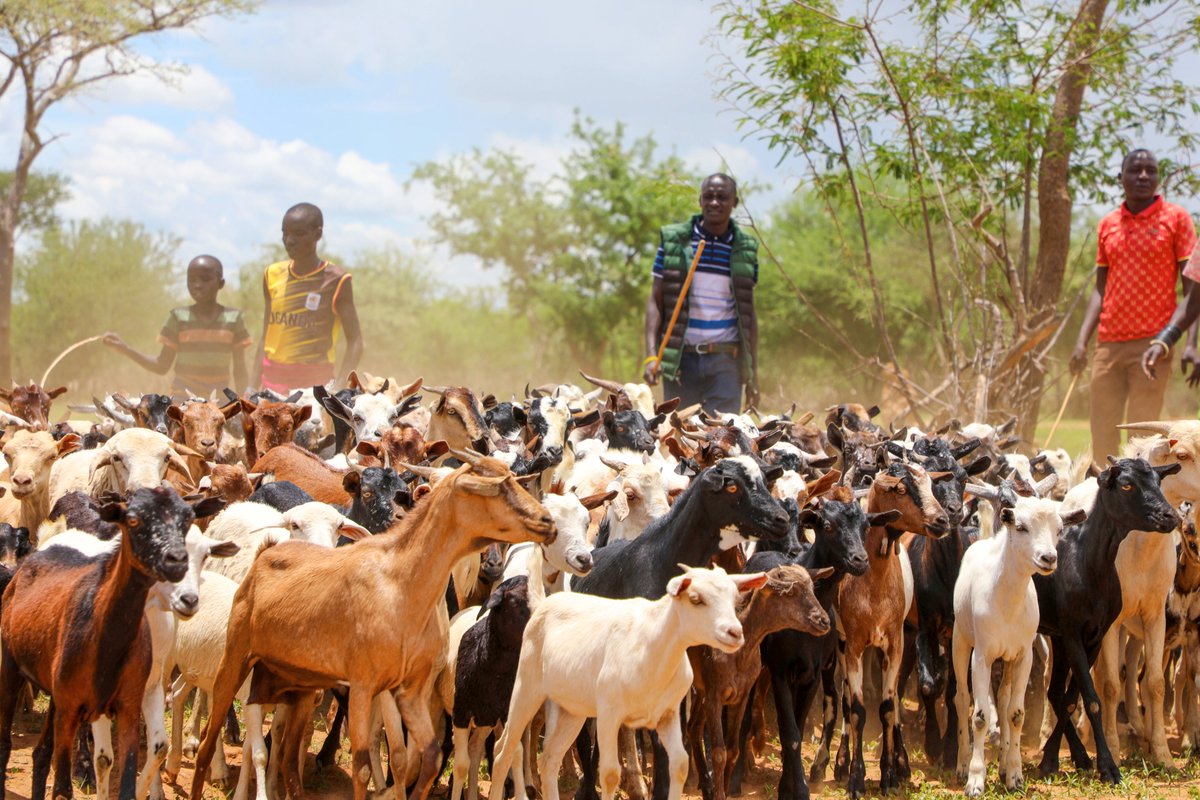
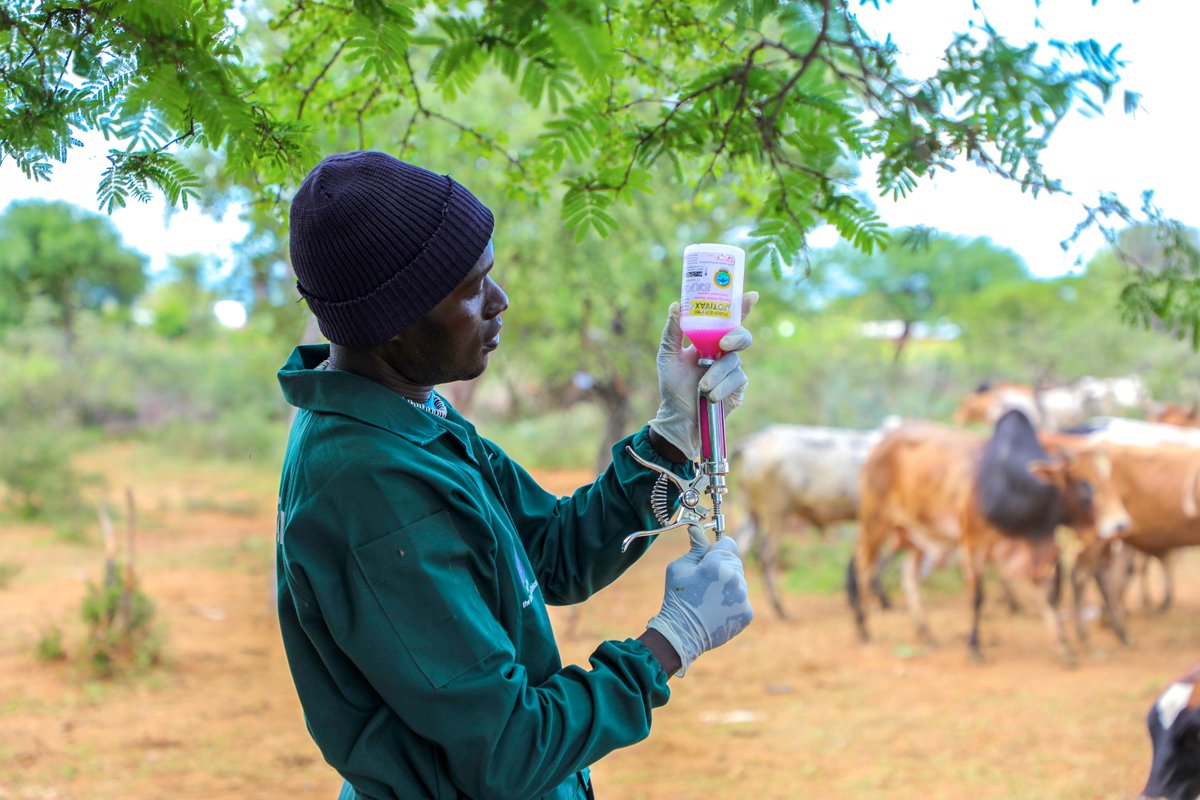
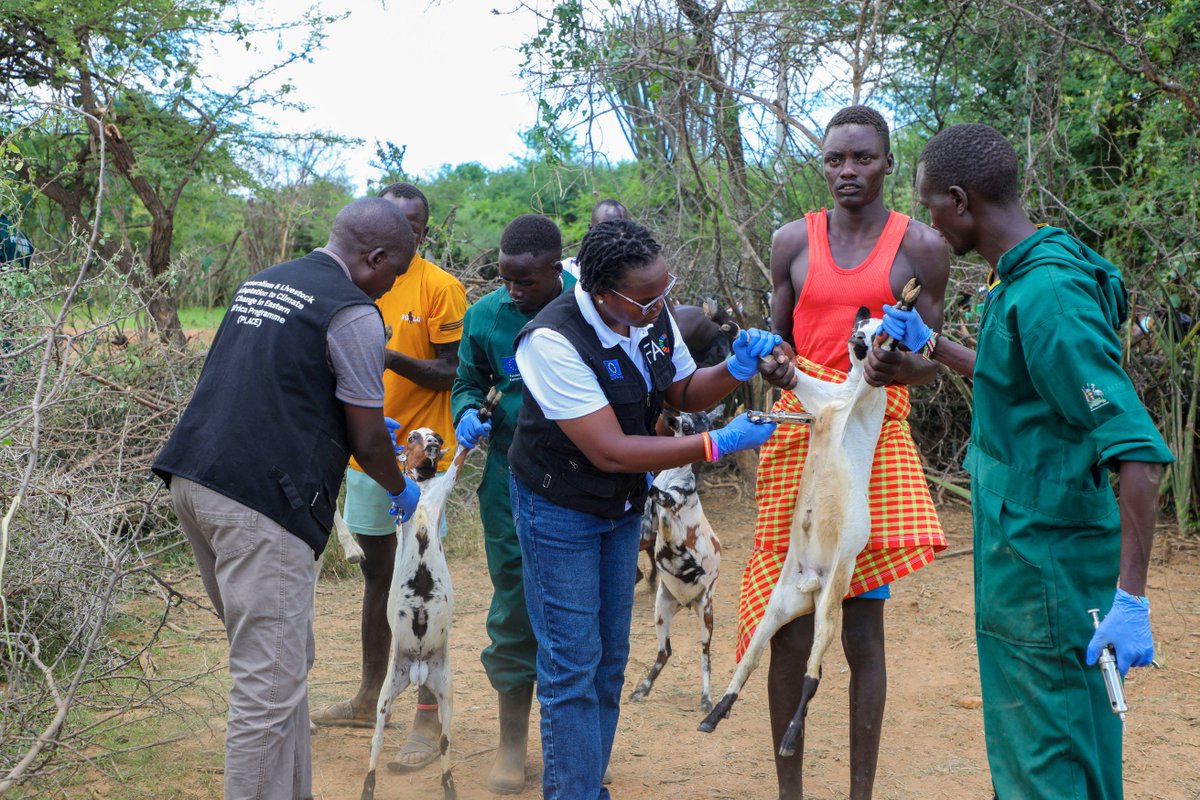
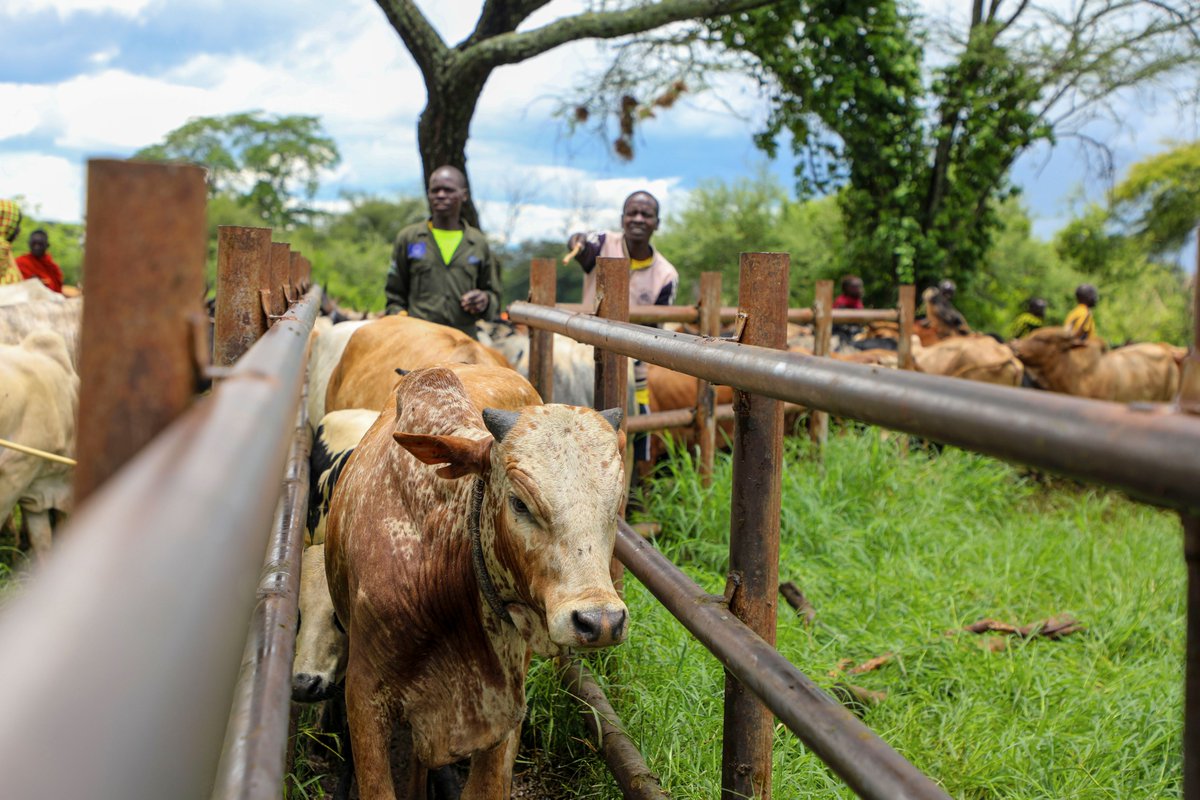
In Uganda, support from @EU_Partnerships has helped to vaccinate 660,000+ cattle, goats and sheep so far this year, against lethal livestock diseases.
Introducing Sunn hemp. A pasture legume which matures in 45days. Sunn hemp provides cows with high-quality forage rich in protein (18-22%) and total digestible nutrients (60-65%), making its nutritional profile comparable to premium alfalfa. 1/2
Q&A session between H.E. @KagutaMuseveni and the vaccine scientist
H.E: The scientist come back and explain to the Ugandan how the vaccine protects the livestock? Does the cow now kill the tick?
The scientist (Dr. Swidiq Mugerwa): Your excellency, we got the protein from the tick its self. When you put the protein inform of a vaccine and inject it in the blood of the cow, the cow recognises it as a foreign body and produces soldiers/anti-bodies to fight against that protein. When the tick sucks blood that contains the soldiers/antibodies they kill the tick
President @KagutaMuseveni has launched Uganda’s first locally developed anti-tick vaccine, NAROVAC-ATV1, at the @narouganda Livestock Resources Research Institute in Namulonge.
The breakthrough offers a safer, long-term solution to tick-borne diseases, reducing reliance on toxic acaricides while boosting livestock productivity. The facility can produce up to 36 million doses annually, positioning Uganda as a regional hub for veterinary vaccines.
The government has also committed UGX 600 billion to @narouganda to establish a vaccine research hub, reinforcing the country’s science-led transformation.
660,000+ livestock inoculated against #CBPP, #CCPP & #PPR 👏
Phase 1⃣ of @FAO’s vaccination campaign in #Karamoja, in partnership with @MAAIF_Uganda, was successful.
Supported by the @EU_Partnerships funded #PLACE programme, phase 2⃣ will be even bigger.
📹Watch highlights ⬇️
Building a resilient national coffee seed system is key to ensuring farmers access genuine, high-quality planting materials
For more details, reach out to the team at @NaCORIUganda:
📞 +256 414 697659
📧 [email protected]
PIG BREEDS AND THEIR PRODUCTION CHARACTERISTICS
Pig breeds differ significantly in their genetic potential, adaptability, and production performance, making breed selection a critical decision in swine production systems. Understanding these differences allows farmers to align breed choice with specific production goals, whether focused on meat quality, reproductive efficiency, or adaptability to local conditions.
Breeds such as the Large Black are known for their hardiness and suitability for outdoor systems, while indigenous types like Celta and Asturcelta demonstrate strong adaptation to extensive and free-range environments, often producing high-quality meat with distinctive flavor profiles. The Iberico breed is particularly valued in premium markets due to its ability to produce highly marbled meat used in traditional cured products.
Commercial breeds such as Landrace and Large White are widely utilized in intensive production systems due to their rapid growth rates, high feed efficiency, and strong reproductive traits, including large litter sizes and good maternal performance. Similarly, Hampshire and Duroc breeds are recognized for their excellent growth performance and meat quality, often used in crossbreeding programs to enhance productivity.
Specialized breeds like Pietrain are characterized by a high lean meat percentage and muscular development, making them suitable for improving carcass quality. In contrast, smaller breeds such as the Vietnamese pig are well suited to small-scale and backyard systems due to their early maturity and low maintenance requirements.
In conclusion, effective pig production depends on selecting breeds that match the production environment, management capacity, and market demand. Strategic breed selection contributes to improved productivity, better meat quality, and overall farm sustainability.
NOT ALL MILK IS THE SAME
Cheese is often simplified as a product of milk and technique, yet this perspective overlooks one of the most critical determinants of its final quality: the animal itself. Even when the same processing methods are applied under identical conditions, variations in milk composition can lead to significant differences in texture, flavor, and aroma. In essence, changing the goat breed alters the entire biochemical foundation upon which cheese is formed.
Milk composition varies across goat breeds due to differences in fat content, protein structure, and mineral balance. These factors directly influence coagulation, curd formation, and ripening processes. For example, high-yielding breeds such as the Saanen typically produce larger volumes of milk with relatively lower fat concentration, resulting in milder and less complex cheeses. In contrast, indigenous or extensively raised goats grazing on diverse natural vegetation often produce milk with richer biochemical profiles, contributing to more intense and distinctive flavors.
Environmental conditions further amplify these differences. Goats raised in mountainous or semi-arid landscapes consume a wide range of wild plants, absorb minerals from the soil, and adapt to challenging climates. These factors are reflected in the milk and ultimately in the cheese, creating products that embody specific ecological and geographical characteristics. Thus, cheese becomes more than a processed food; it is a direct expression of the interaction between breed, environment, and management system.
Importantly, many traditional goat breeds that contribute to unique cheese profiles have faced population decline due to the expansion of high-yield commercial breeds. This has placed certain region-specific cheeses at risk of disappearing, not because of a lack of demand, but due to the loss of the genetic resources required to produce them.
In conclusion, the uniqueness of traditional goat cheese lies not only in its method of production but in the biological and ecological origin of the milk. Each product represents a complex system involving the animal, its environment, and cultural practices. The true distinguishing factor is not merely the recipe, but the genetic and environmental identity of the source itself.
#AmbPopp visited Asili Farms in Kigumba, Uganda’s largest American-run farm, where 🇺🇸precision farming excellence meets 🇺🇬soil on a large scale. Growing maize, soybeans, sunflower, and beans, Asili is unlocking Uganda’s agricultural potential with U.S. technology & strengthening food security across the region.@JohnDeere #Freedom250
📢 Last call!
@FAO is hiring an Animal Health Officer (Vaccine and Quality Assurance).
📌 Location: Rome, Italy
🗓️ Deadline: 1 May 2026
👉 https://t.co/XZjj2l4miJ
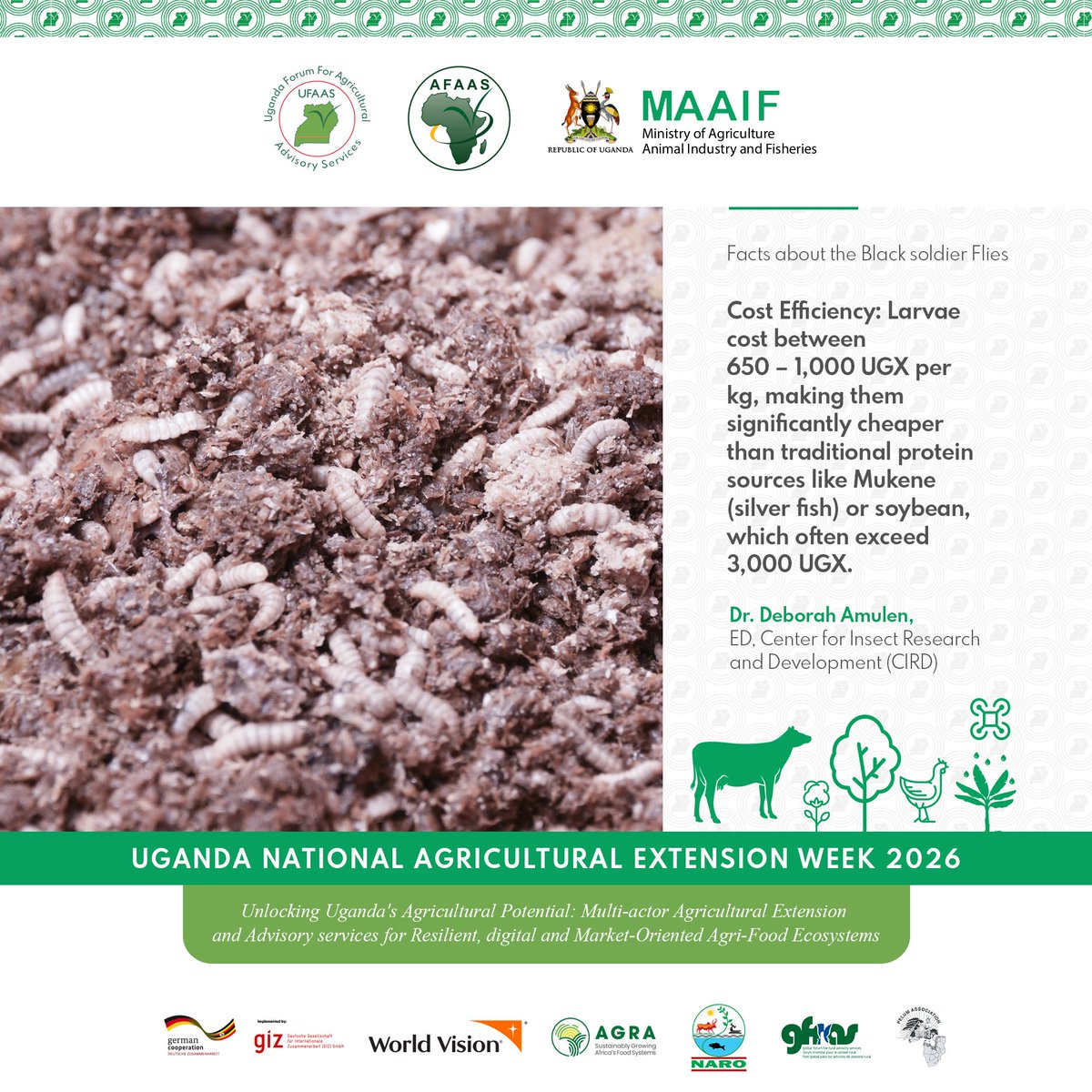
DID YOU KNOW: Black Soldier Fly larvae are the secret to cheaper animal feed!
Cost: 650-1,000 UGX/kg Soybean & Mukene: 3,000+ UGX/kg
Dr. Deborah Amulen highlights BSF as a highly cost-effective protein source for farmers.
#AgricExtUg2026
Strong animals, smart farms, safer food.
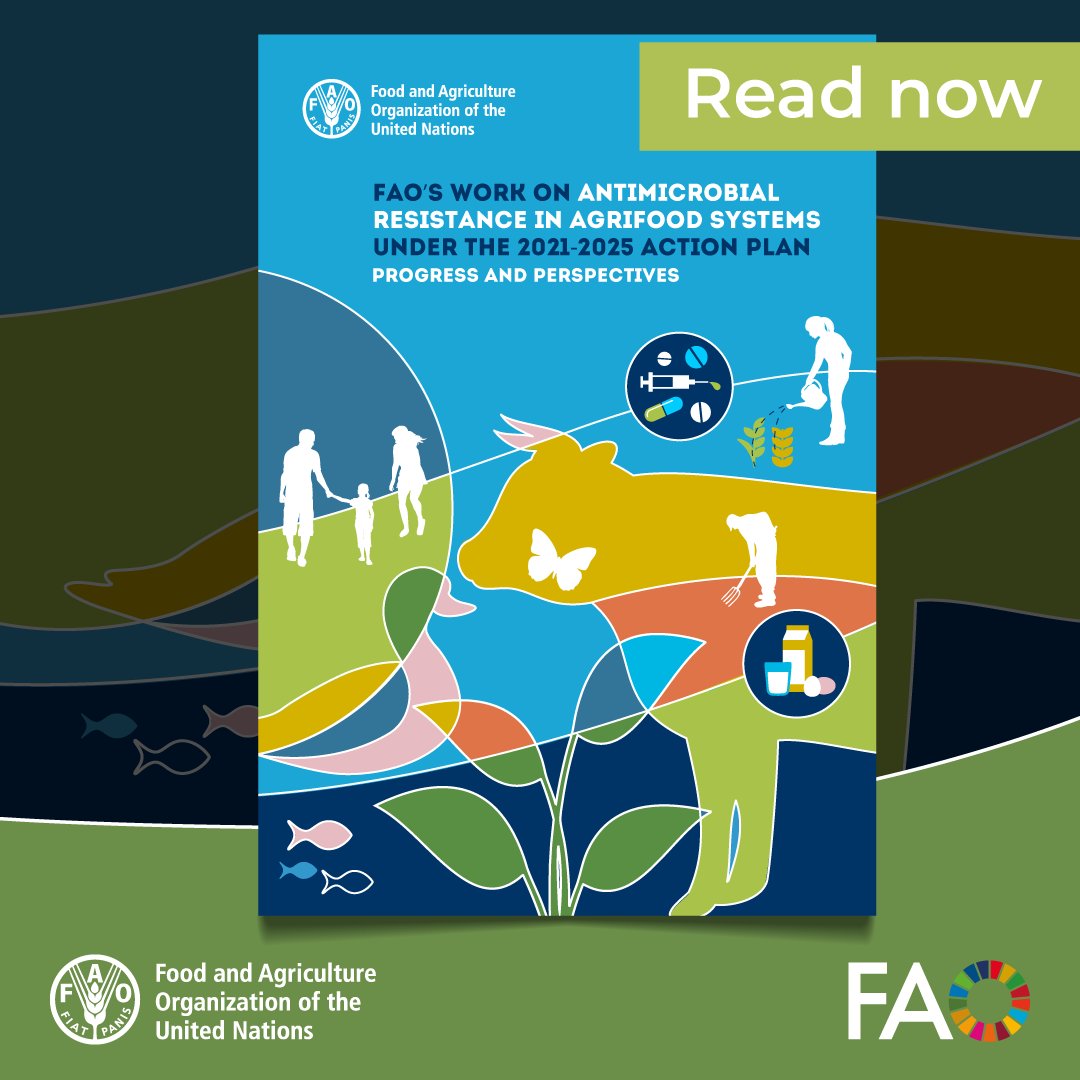
🌾🐄 Explore @FAO’s work on #AntimicrobialResistance in agrifood systems under the 2021–2025 Action Plan and see how smarter practices are transforming livestock and food security worldwide
➡️ https://t.co/wSnIVA53gO
#AMR