Renforcer la cybersécurité du secteur financier de l'UEMOA
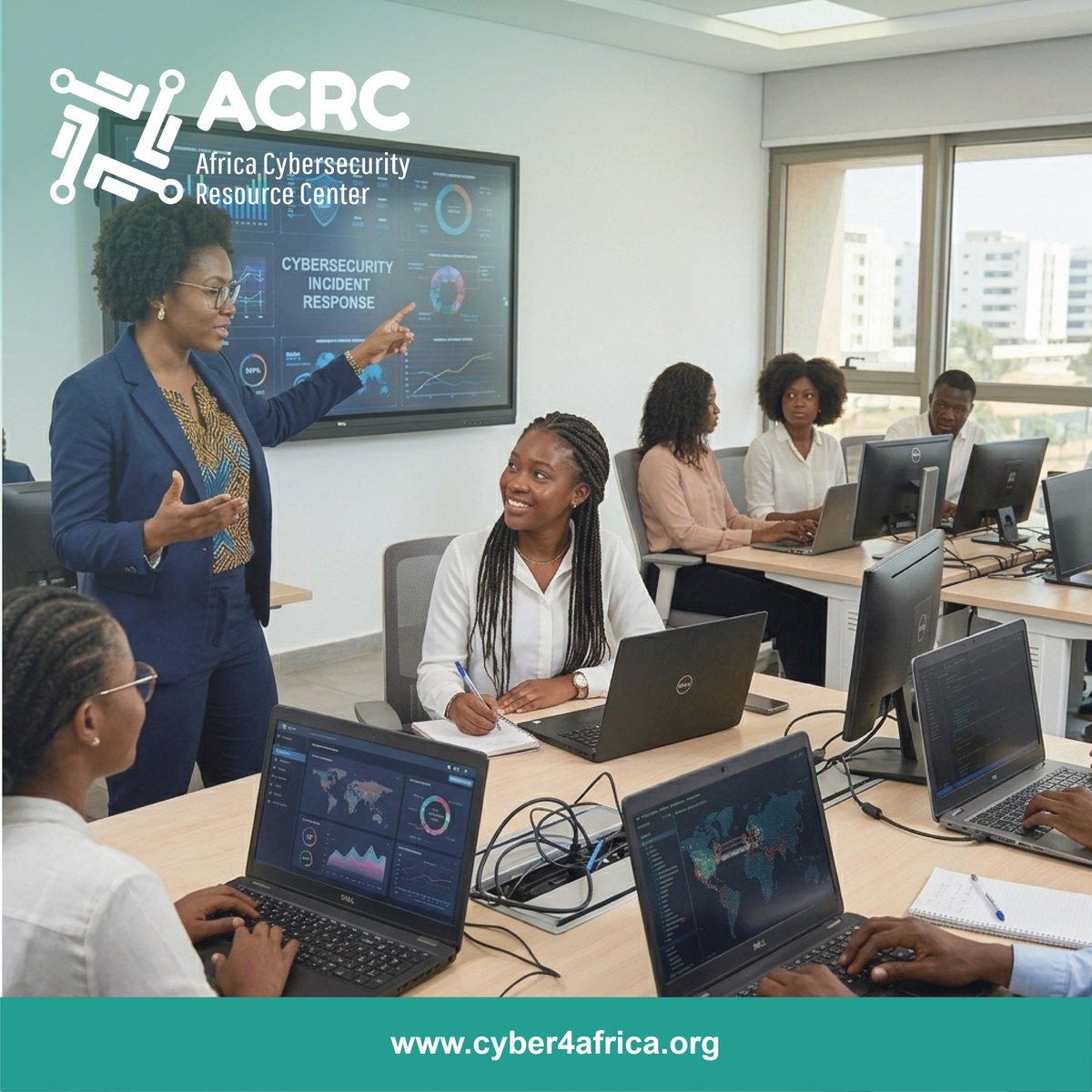
Du 28 au 30 avril 2026, ACRC a eu le privilège d’animer une session de formation en cybersécurité, organisée par le CONOBAFI au profit des experts du Comité technique C-CYBERSÉCURITÉ de l’UEMOA.
ACRC lance un appel à manifestation d'intérêt en vue de la sélection d'un cabinet chargé de réaliser l'audit financier et comptable du projet.
𝐀𝐜𝐜𝐞́𝐝𝐞𝐳 𝐚𝐮𝐱 𝐝𝐨𝐜𝐮𝐦𝐞𝐧𝐭𝐬 𝐢𝐜𝐢 : https://t.co/cuCIuT2GiP
𝐒𝐮𝐬𝐭𝐚𝐢𝐧𝐚𝐛𝐥𝐞 𝐜𝐲𝐛𝐞𝐫𝐬𝐞𝐜𝐮𝐫𝐢𝐭𝐲 𝐫𝐞𝐥𝐢𝐞𝐬 𝐨𝐧 𝐬𝐭𝐫𝐨𝐧𝐠 𝐥𝐨𝐜𝐚𝐥 𝐜𝐚𝐩𝐚𝐛𝐢𝐥𝐢𝐭𝐢𝐞𝐬.
In the face of constantly evolving threats, relying solely on external expertise quickly reveals its limitations. (1/4)
𝐒𝐮𝐬𝐭𝐚𝐢𝐧𝐚𝐛𝐥𝐞 𝐜𝐲𝐛𝐞𝐫𝐬𝐞𝐜𝐮𝐫𝐢𝐭𝐲 𝐫𝐞𝐥𝐢𝐞𝐬 𝐨𝐧 𝐬𝐭𝐫𝐨𝐧𝐠 𝐥𝐨𝐜𝐚𝐥 𝐜𝐚𝐩𝐚𝐛𝐢𝐥𝐢𝐭𝐢𝐞𝐬.
In the face of constantly evolving threats, relying solely on external expertise quickly reveals its limitations. (1/4)
Aboubacar Yacouba Maibirni has been appointed Chair of CONOBAFI’s Cybersecurity Committee (WAEMU).
Mission: set standards, assess cyber maturity, and strengthen the region’s financial sector security.
A strong recognition of ACRC’s expertise across Africa
- Cybersecurity is becoming a strategic, ecosystem-wide issue
- The resilience of Africa’s financial sector will depend on collaboration
Want to contribute or learn more? Let’s connect.
#Cybersecurity#Africa
The future of cybersecurity in Africa will be built collectively
Facing increasingly complex threats, the response relies on:
- Information sharing
- Regional cooperation
- Stronger regulatory involvement
- Building local capabilities
What simulations bring:
• Reveal weaknesses
• Improve procedures
• Build real reflexes
A well-run exercise prevents critical mistakes.
Simulation is now at the heart of cyber resilience.
Ready to assess your preparedness? Let’s talk. (2/2)
You don’t manage a cyber crisis for the first time the day it happens.
In reality, the most vulnerable organizations are those that never test their crisis management.
Why?
• Roles are unclear
• Decisions are slow
• Communication turns chaotic
(1/2)
In cybersecurity, delaying a decision often means suffering the consequences.
That is why preparation, coordination and the support of collective expertise are essential in a crisis.
(4/4)
What makes the difference is:
- Roles and responsibilities defined in advance
- Clear decision-making processes
- Rapid access to reliable analyses
(3/4)
But in practice, several obstacles slow organisations down :
- Uncertainty about the true nature of the incident
- Multiple layers of approval
- Lack of coordination between teams
The result is delayed decisions and amplified impacts. (2/4)
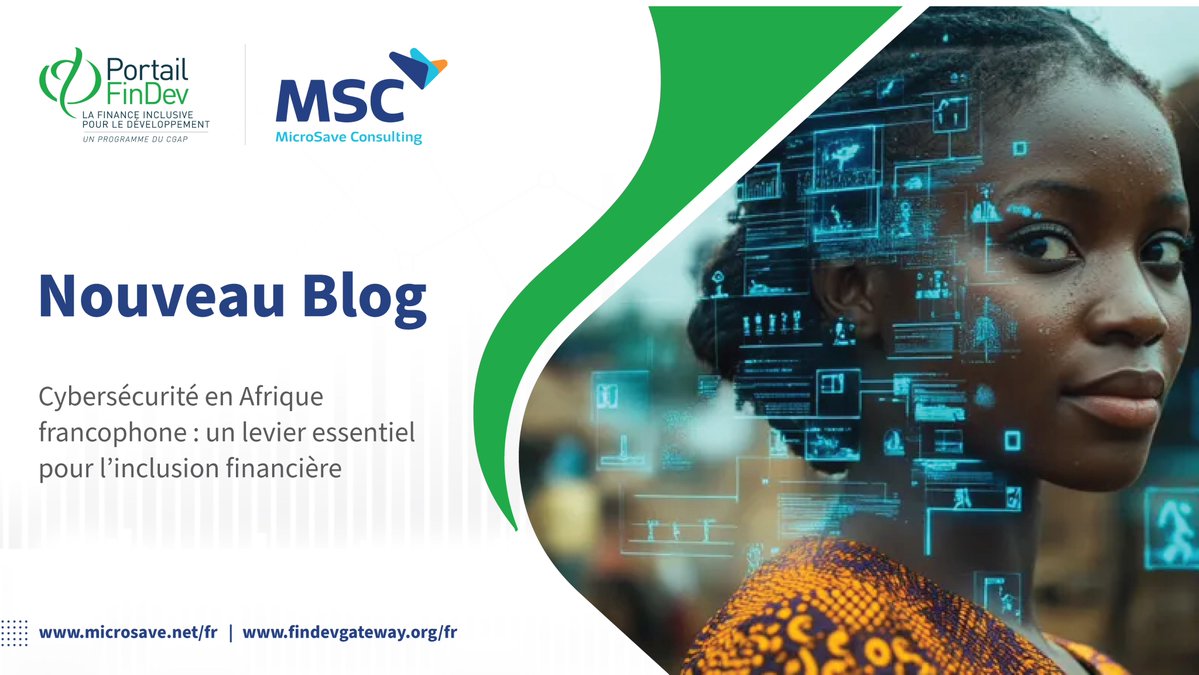
Sans #cyberrésilience, pas d’#inclusionfinancière durable en Afrique francophone.
1,1 Md comptes mobile money, +21 % en Afrique de l’Ouest. Mais +23 % d’attaques hebdo, 81 % fraudes = usurpation
Comment sécuriser la finance digitale ?
👉 https://t.co/m9sYWwTrek
#Cybersécurité





![ACRC_Project's tweet photo. #ACRC est fier d’avoir contribué au Masterplan des paiements transfrontaliers de l’#EAC : 20 initiatives pour des #paiements plus sûrs, #rapides et #inclusifs en #Afrique de l’#Est.
Téléchargez le rapport ici : [https://t.co/1QArAY0Y55]
#EAC #Paiements #InclusionFinancière #ACRC https://t.co/GPW6AoKpNC](https://pbs.twimg.com/media/Gri7e-JX0AA9TiN.png)