Our latest issue is out now! Featuring wide-ranging inquiry from contributors with ties to 16 countries, the issue beckons the human sense of possibility. Dive in: https://t.co/jEfky6rY5D
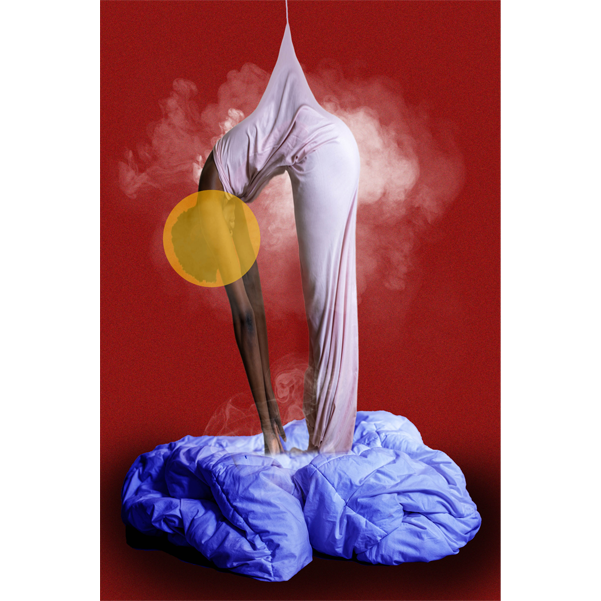
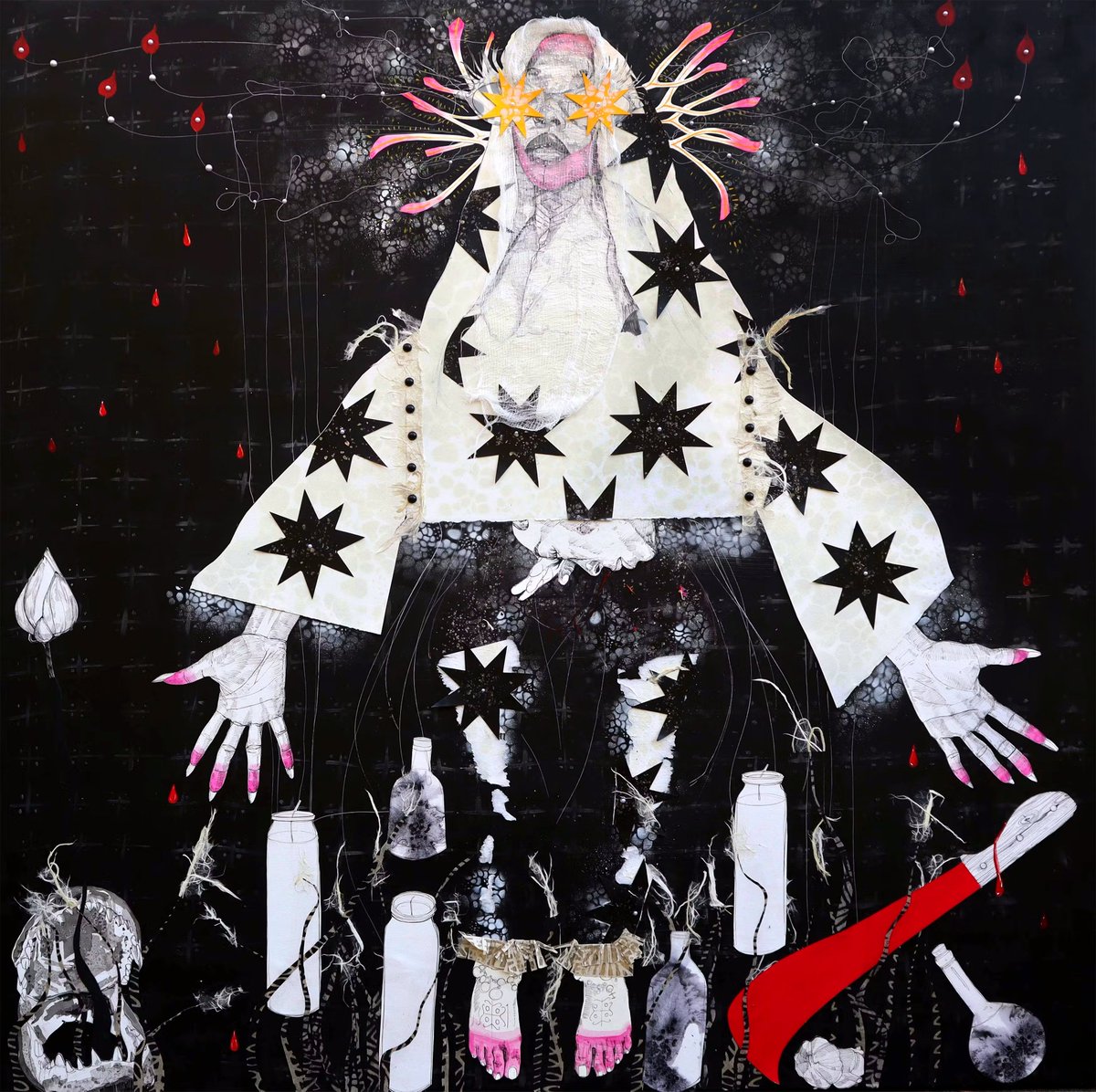
In "Ubuthongo obungasapheliyo", Thembi Mthembu pays homage to those who have passed, remembering that life does not end with death in Zulu culture. See more: https://t.co/k2zWKJcETH
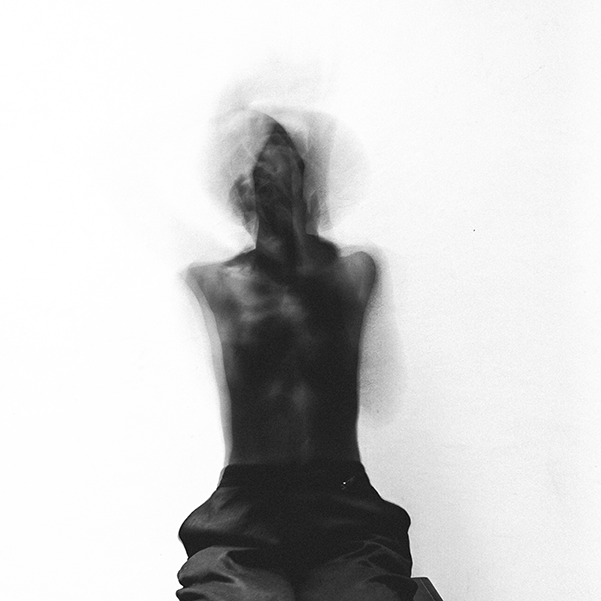
Faith Namikoye Wanjala uses a monochromatic colour palette and long exposure to accentuate colour and contrast to convey the vastness of Blackness.
See more: https://t.co/mhT95ifMpb
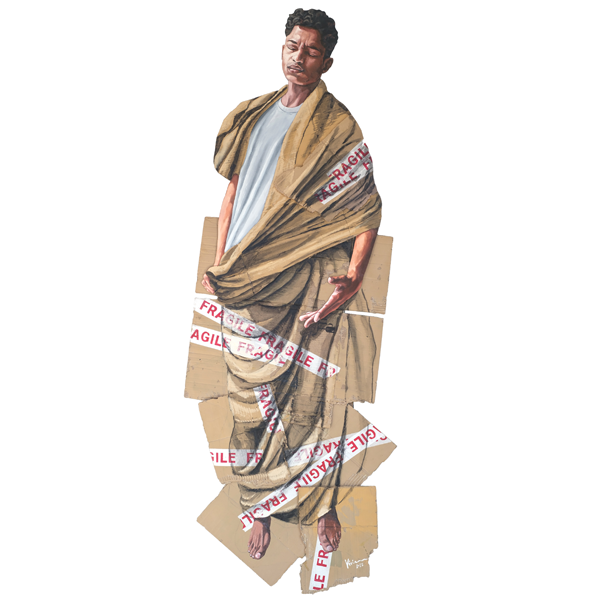
"My hybridised Blackness points not only to the political history of South Africa, but also to its hoped-for future," writes artist Vivien Kohler, whose work explores identity in contemporary South Africa.
See more: https://t.co/HeihJ5fuQt
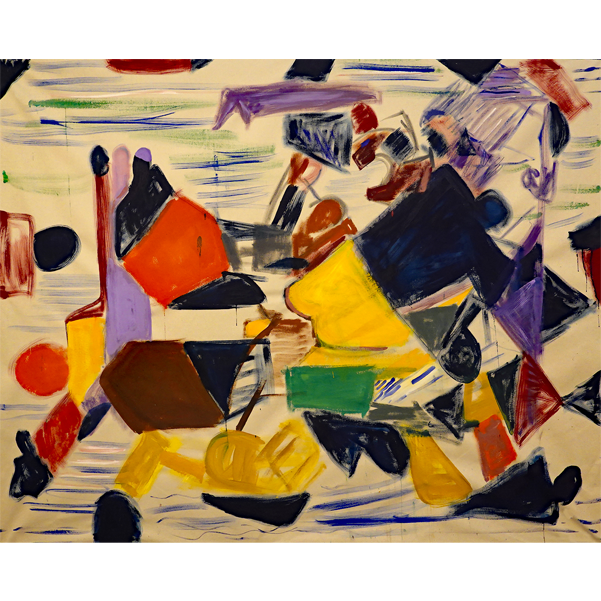
"In my practice, I orchestrate paint applications with variations of form, contrasting rhythmic textures, complementary colours, and atmospheric perspective," says David Fludd as reflects on his work featured in Moya magazine.
See more: https://t.co/kKfT4ODB2t
In her piece revisiting the conversation on language in African literature, Yvonne Adhiambo Owuor calls for a view of multilingual environments that complicates binary frames of domination.
Read the piece in full: https://t.co/RMDMVNsEds
In her review of his latest album, writer Milisuthando Bongela places jazz pianist Nduduzo Makhathini at the heart of a contemporary movement of South African artists creating a musical restoration of indigenous worldviews. Read it in full: https://t.co/K36zvU7wOc
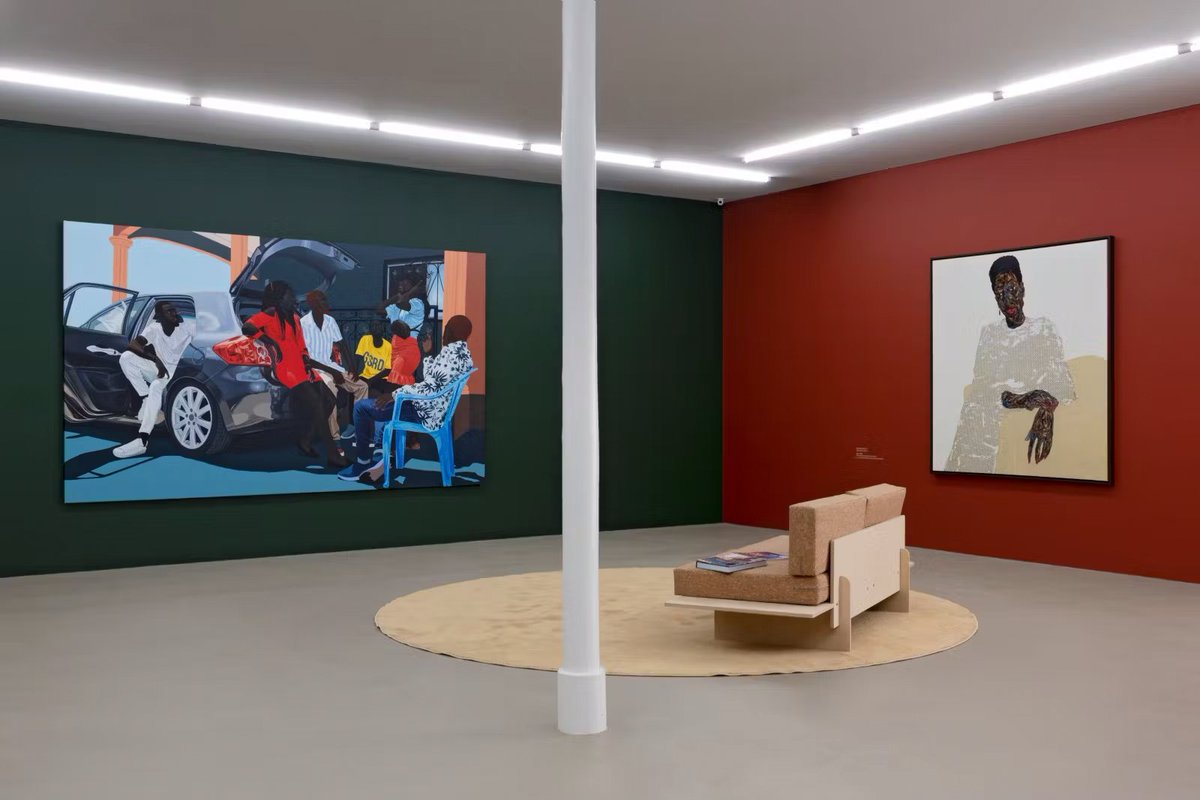
Swiss-Cameroonian curator and cultural scholar Bansoa Sigam visits the Kuntsmuseum in Basel to see When We See Us, a massive travelling exhibition showcasing a century of how Black people have imagined themselves in figurative art.
Read it in full: https://t.co/KiQDfwfX9m
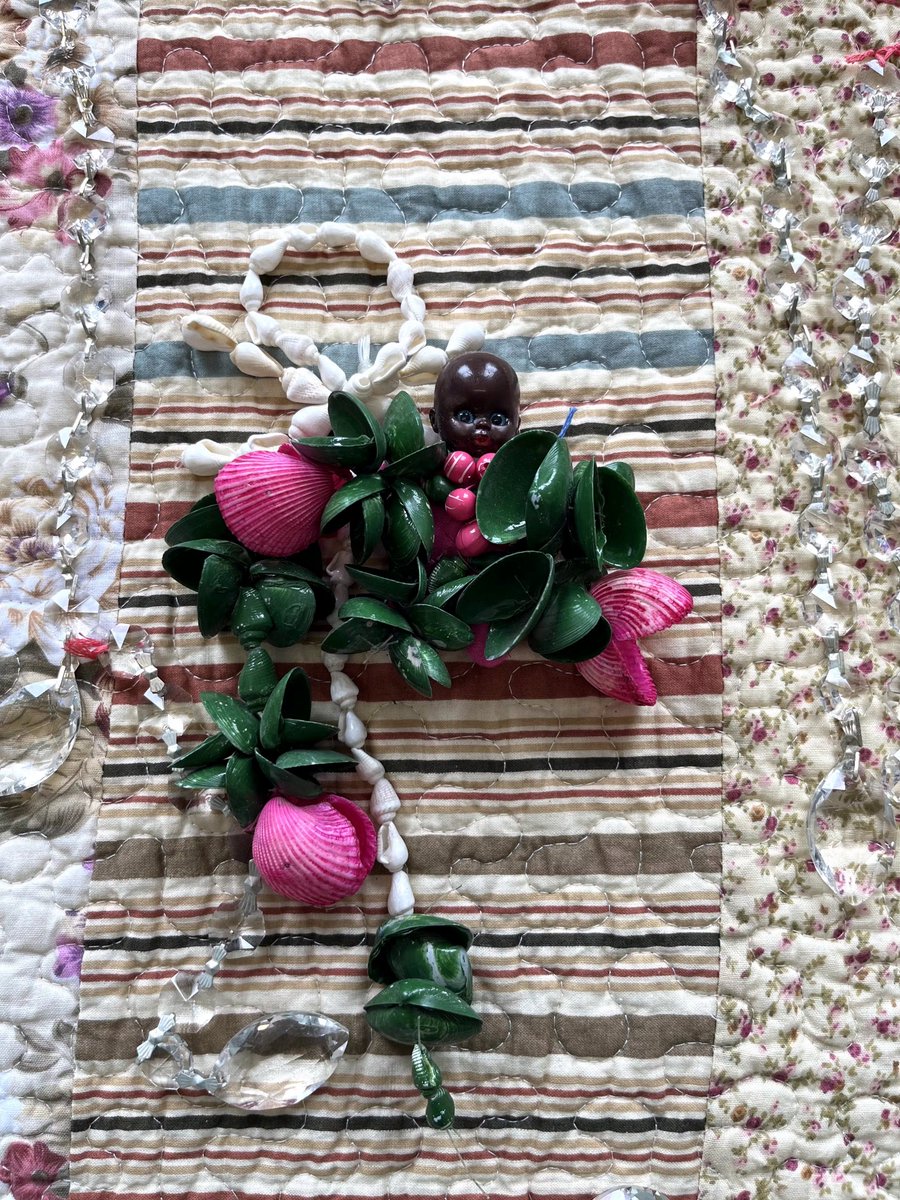
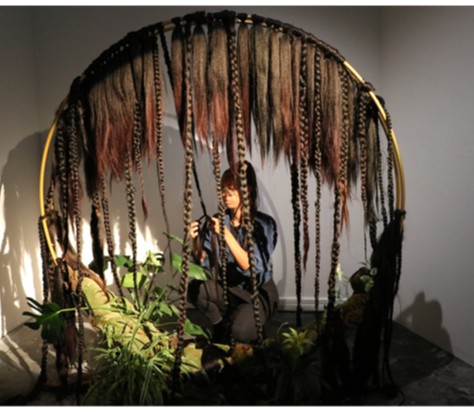
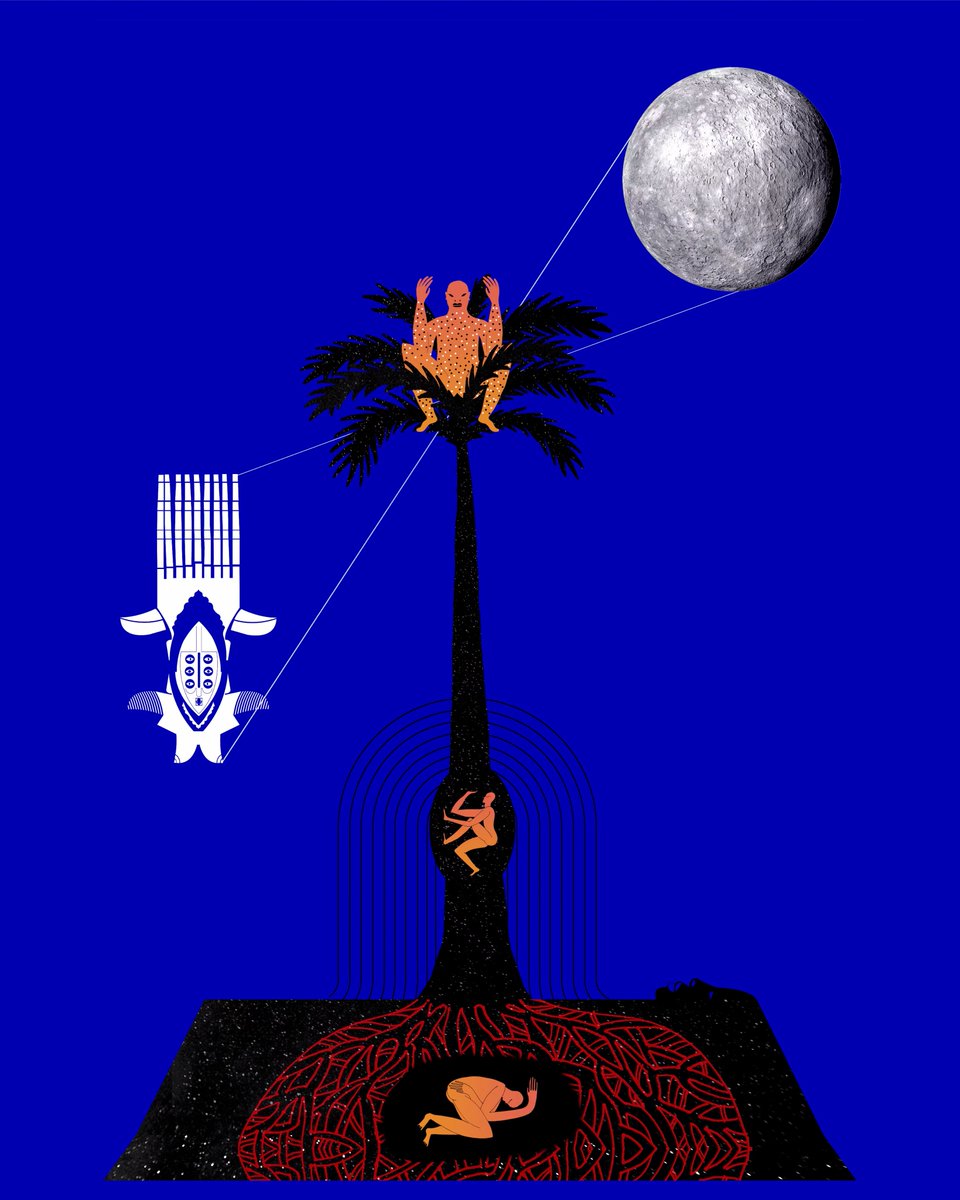
In "Birth of the Night" francisco hernando fuentes zarate's Afro-indigenous ancestry and digital and manual techniques come together to stitch together vivid memories across time.
See more: https://t.co/kBgfwzMhVG
Author Zeinab Badawi covers mostly familiar ground in her book An African History of Africa, but its greatest success is in its placement, all together in one place and in an accessible style, writes Jacqueline Nyati (of @HarareReview).
Read more: https://t.co/5peN2SFWus
Young people, who represent the vast majority of Africa's population, take centre stage on this episode of Race Beyond Borders spotlighting possible futures of race.
Check out the episode, reprised for our latest issue, at https://t.co/Xsfn6ndk4f.
In "Channels of Communication", artist Komikka Patton layers the mystical and grounded, inviting viewers to see beyond the cyclicality of our lives and to embrace the unknown and unknowable.
See more: https://t.co/ppHPC0FOMZ
Danielle Fuentes Morgan (@mos_daf), reviews Percival Everett's U.S. National Book Award Winning James, a retelling of the 1884 classic Huckleberry Finn that "reveals the changing sameness of American racism."
Read the review in full: https://t.co/Oi8HjLC4yR
On an episode of @RaceBeyond_Pod, reprised for our latest issue, philosopher Bayo Akomolafe calls attention to the "cracks in our time" that expose the failures of modern individualism, decentre the human & hold new possibilities for Blackness.
More here: https://t.co/kdmeauOSvj
In 'The Majician's Arrival', artist Richard Nattoo uses water from the Rio Grande River in Jamaica and Adom Waterfalls in Ghana, to paint a celebration of ancestry, spirituality, majic and youth.
See more: https://t.co/kPU0QlNaoz
.@QuitoSwan’s Pasifika Black has established itself as a critical text that asserts Melanesia’s place in Planetary Blackness and raises critical questions on Black internationalism and solidarity, argues writer and doctoral student @Nathan_Rew. See more: https://t.co/5BPGOzoOZy
Artist Sequoia Barnes pays homage to late Black American designer's subversive act of gifting symbols of racialised oppression in the United States, in this hand-sewn coat entitled 'So We Don't Forget Each Other'.
Read more about the piece: https://t.co/zQUcons7Bo
.@AdhiamboKE sheds new light on an old debate in African literature, arguing that the assumption that a language must prevail over the others keeps Africa’s literary landscape from harnessing the benefits of the rich linguistic culture. See more: https://t.co/RMDMVNsEds.
"Landscapes as linguistic zones can help us envision a literary model that values fluidity, cacophony, and babel, allowing us to make the most of the polyglossia prevalent not only in Nairobi and Kenya, but much of the African continent. @AdhiamboKE