Guest Article: "How Iran cut its digital lifeline and why they did it with the Russian scissors"
By @AHatsenko , Digital authoritarianism and Russian disinformation analyst
https://t.co/8y6pkMAgX5
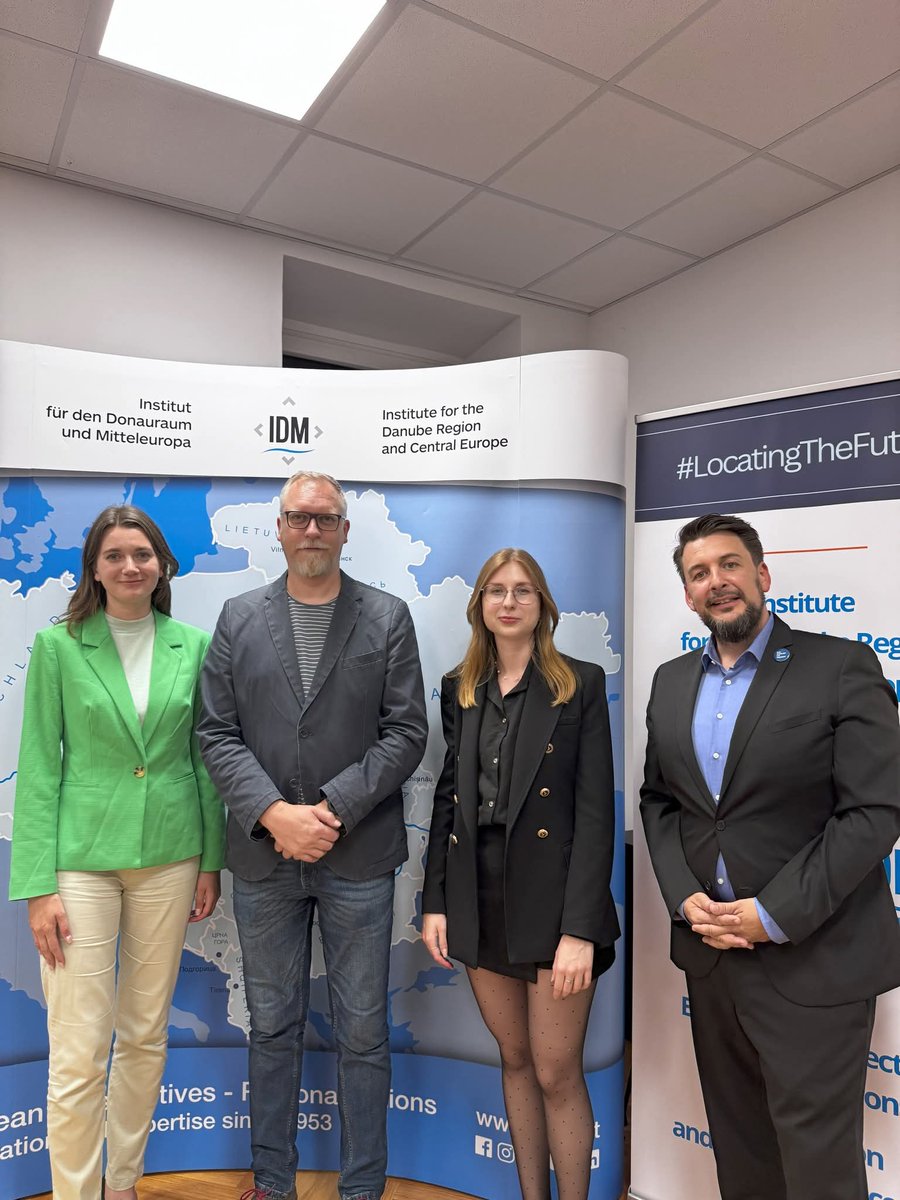
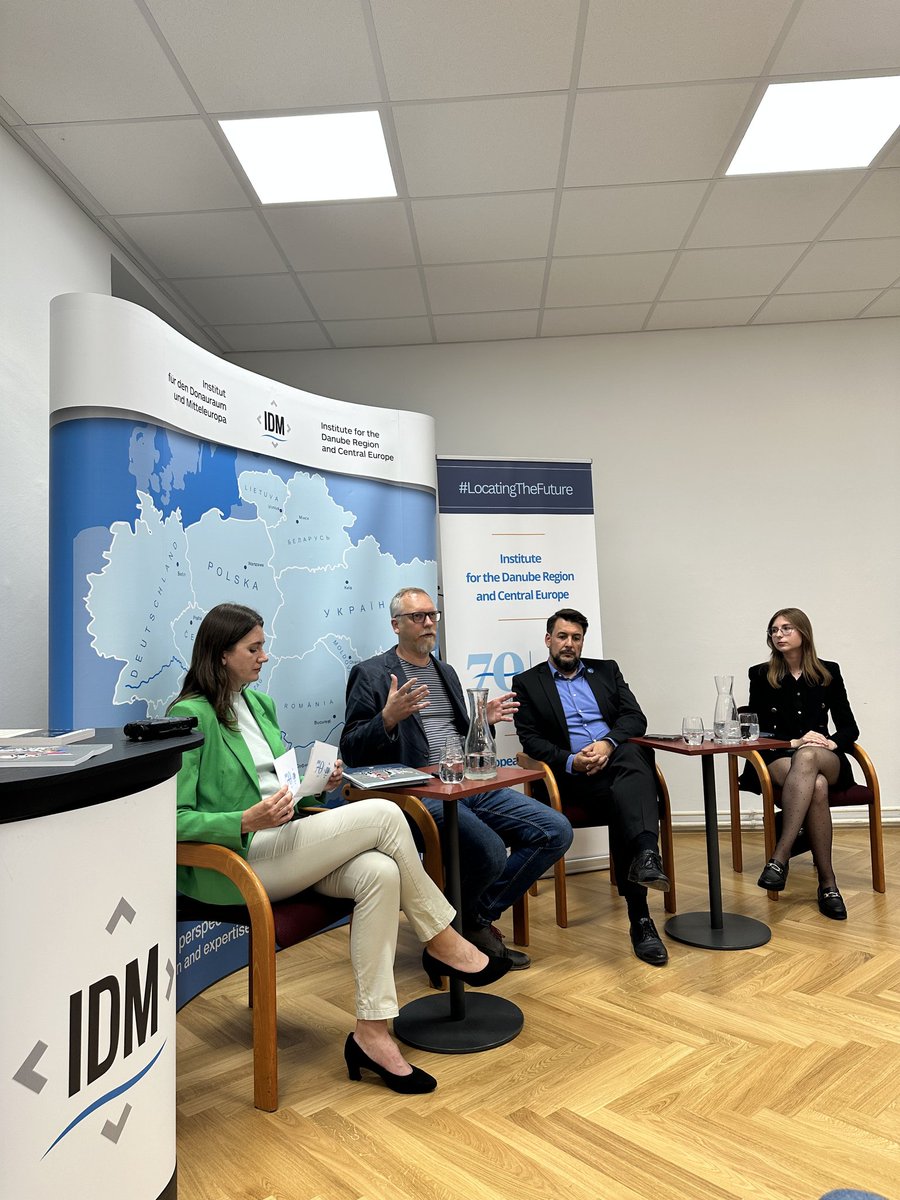
On September 22 we discussed at IDM how Russian myths and political narratives fuel the war on Ukraine. Understanding their role is essential for grasping the full scale of this war
Russlands Krieg findet nicht nur an der Front statt – sondern auch in unseren Köpfen. Der Desinformationsexperte @DietmarPichler1 erklärt, wie Propaganda, Fake News und Trollfabriken eingesetzt werden, um unsere Gesellschaften zu spalten.
Zum Video: https://t.co/NumP7qghKD
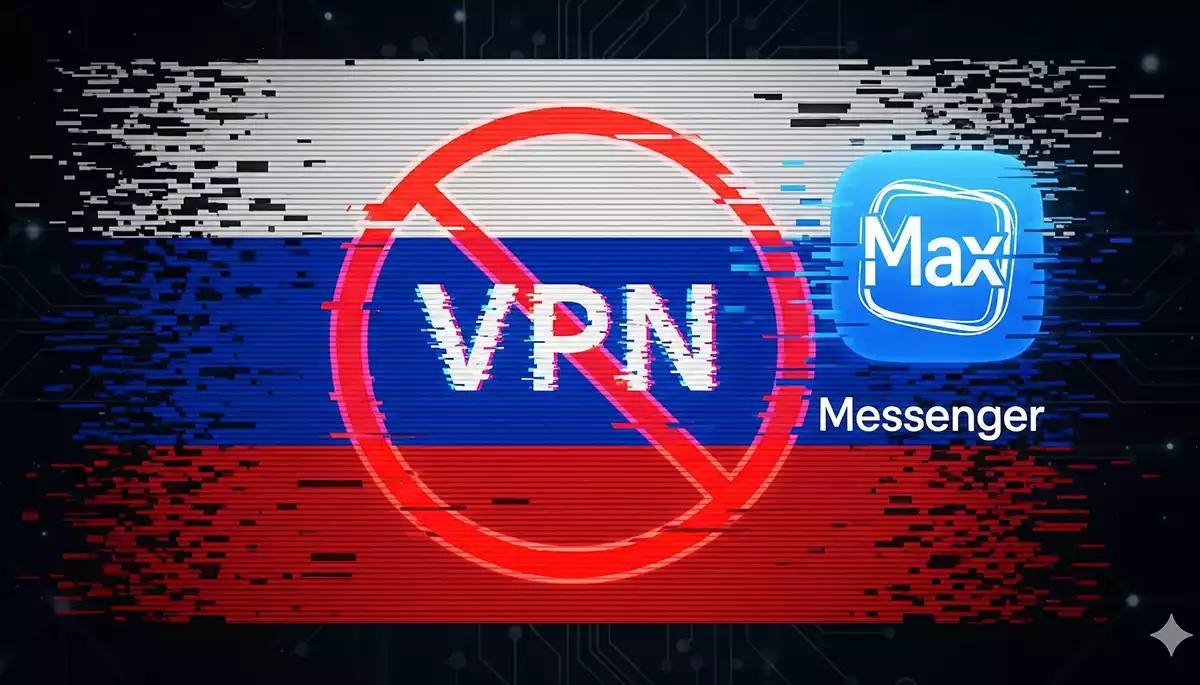
У Росії формується цифрова ізоляція: блокування VPN, примусовий месенджер МАХ, контроль над пошуком в інтернеті.
Моя стаття для @DetectorMedia про те, як реалізується цей сценарій максимального контролю:
https://t.co/ZchYezq5pd
🚨 MAXimum контролю: як Росія реалізує цифрову ізоляцію
🇷🇺 Росія дедалі глибше занурюється в цифрову ізоляцію: від заборони пошуку «екстремістських матеріалів» до месенджера Мax, що перетворює контроль на буденність.
💻 Ідея так званого «суверенного інтернету» є логічним продовженням російського курсу на ізоляціонізм. Обговорення регулювання рунету почалися у 2016 році, коли радник президента Росії Герман Клименко говорив, що країна має готуватися до відімкнення від світового інтернету. Через три роки, 1 листопада 2019 року, набув чинності закон про «суверенний інтернет». Теоретично він передбачає створення такої системи управління інтернет-трафіком в країні, яка була б спрямована на захист рунету від «зовнішньої небезпеки». Тобто гіпотетичної загрози, що західні країни відімкнуть Росію від світової мережі, й тому росіяни готові будуть превентивно відімкнутися самі. Але фактично планувалося посилити вплив держави на інтернет-середовище всередині країни.
🗓️ І якщо на початку 2020 року це ще був лише задум, то у 2025 році закон перетворюється на повноцінний інструмент повсякденного контролю. Розповідаємо, як Росія розвиває свої підходи до регулювання рунету та чи є підводні камені для самої Росії.
https://t.co/7WdUZkl20a
Warning⚠️: Moscow and its allies almost successfully subverted our democratic societies
Here are 5 reasons why this is our own fault🗒️
We not only allow collaborators and agents of influence to operate freely, but also fail to defend a civilisation we no longer seem to value🧵
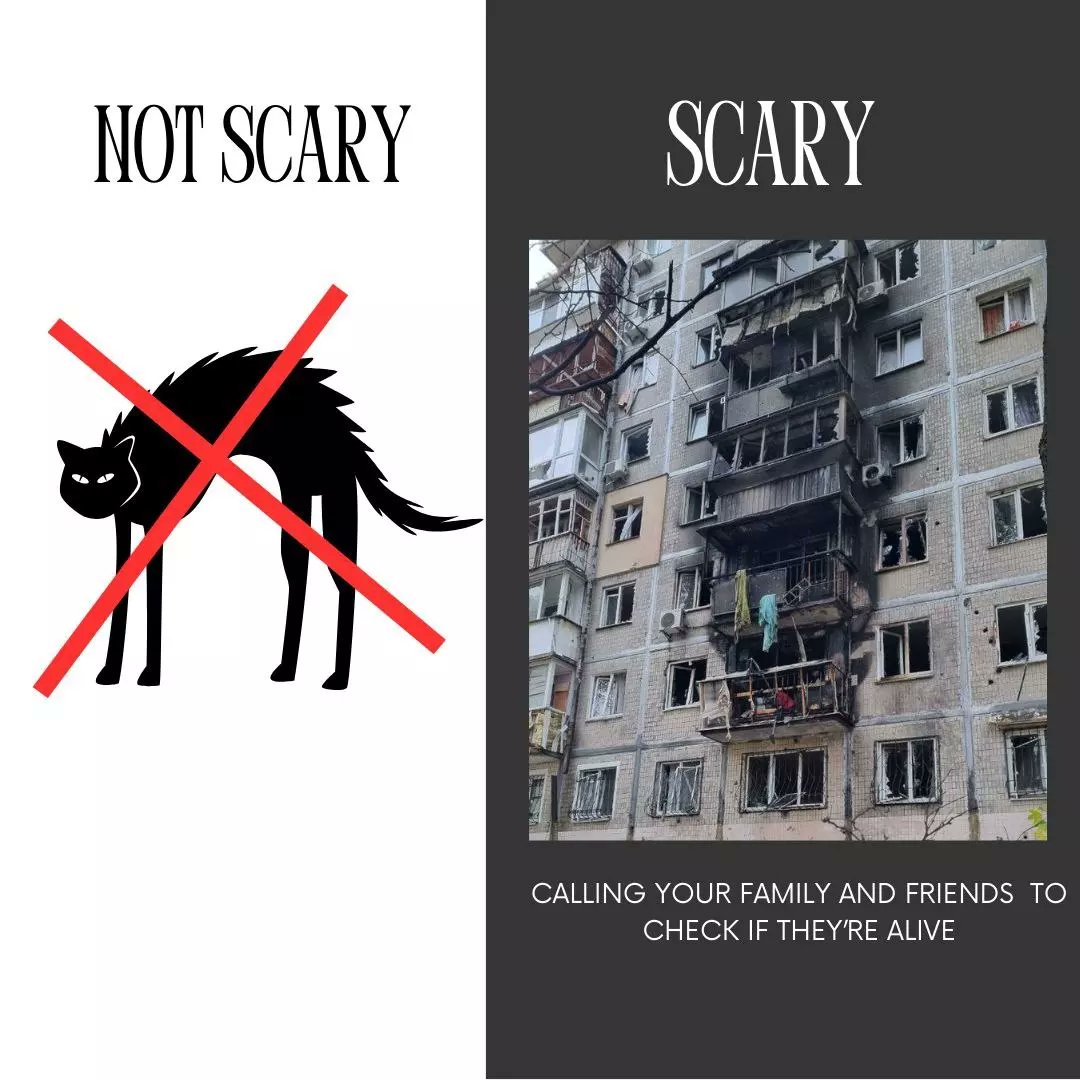
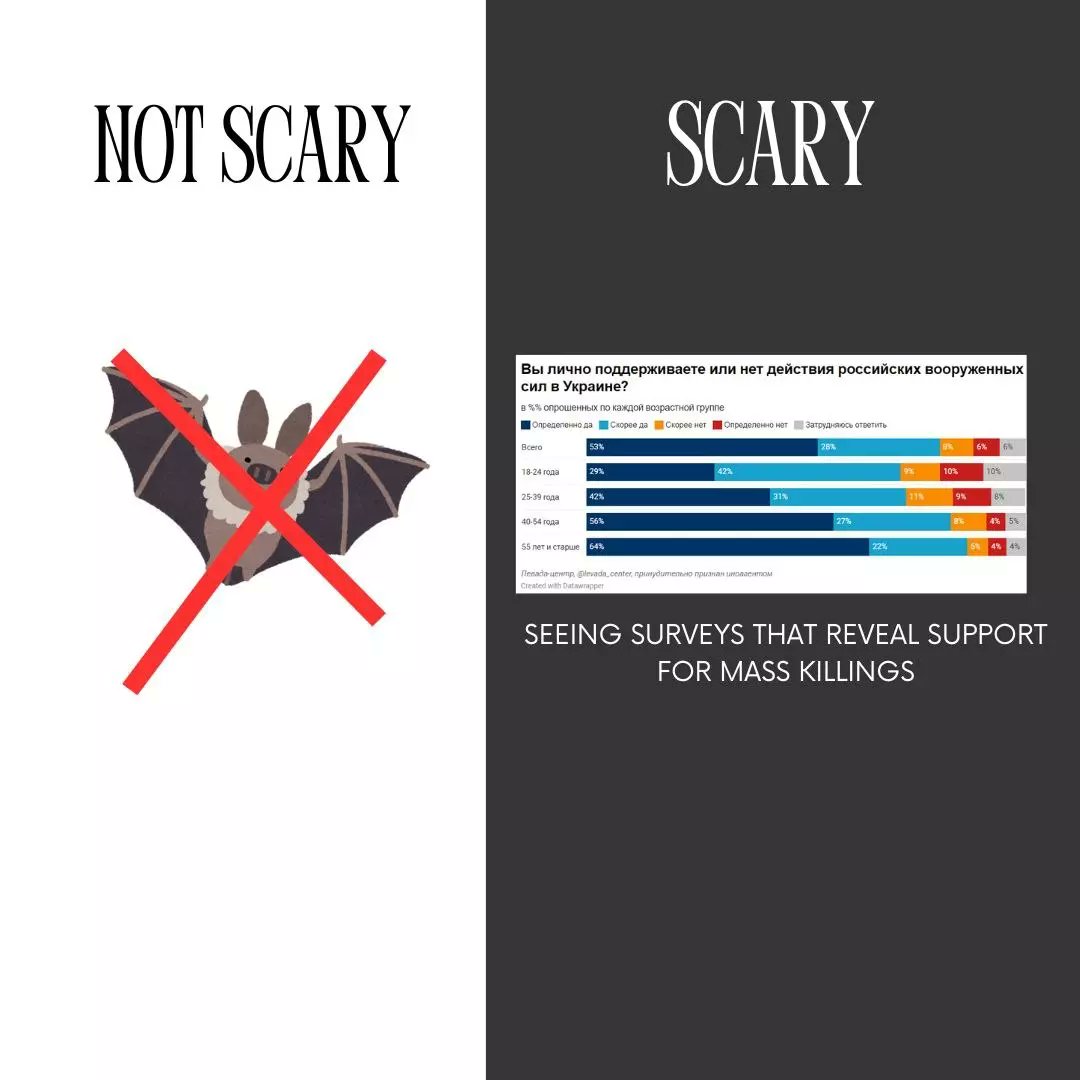
🎃Russian aggression against Ukraine goes beyond costumes and decorations. It is a true horror that takes lives and destroys cities. Today, as on every day, we not only celebrate holidays but remember what we are fighting for. We know that after darkness, light always follows
@AHSiracusa@DietmarPichler1@DIEZEIT Für uns Ukrainer ist es wichtig, "Kyjiw" statt "Kiew" zu verwenden, da dies die korrekte ukrainische Schreibweise und Aussprache widerspiegelt und mit unserer Sprache und Identität im Einklang steht. Im Krieg wird dies zu einer einfachen, aber kraftvollen Unterstützung
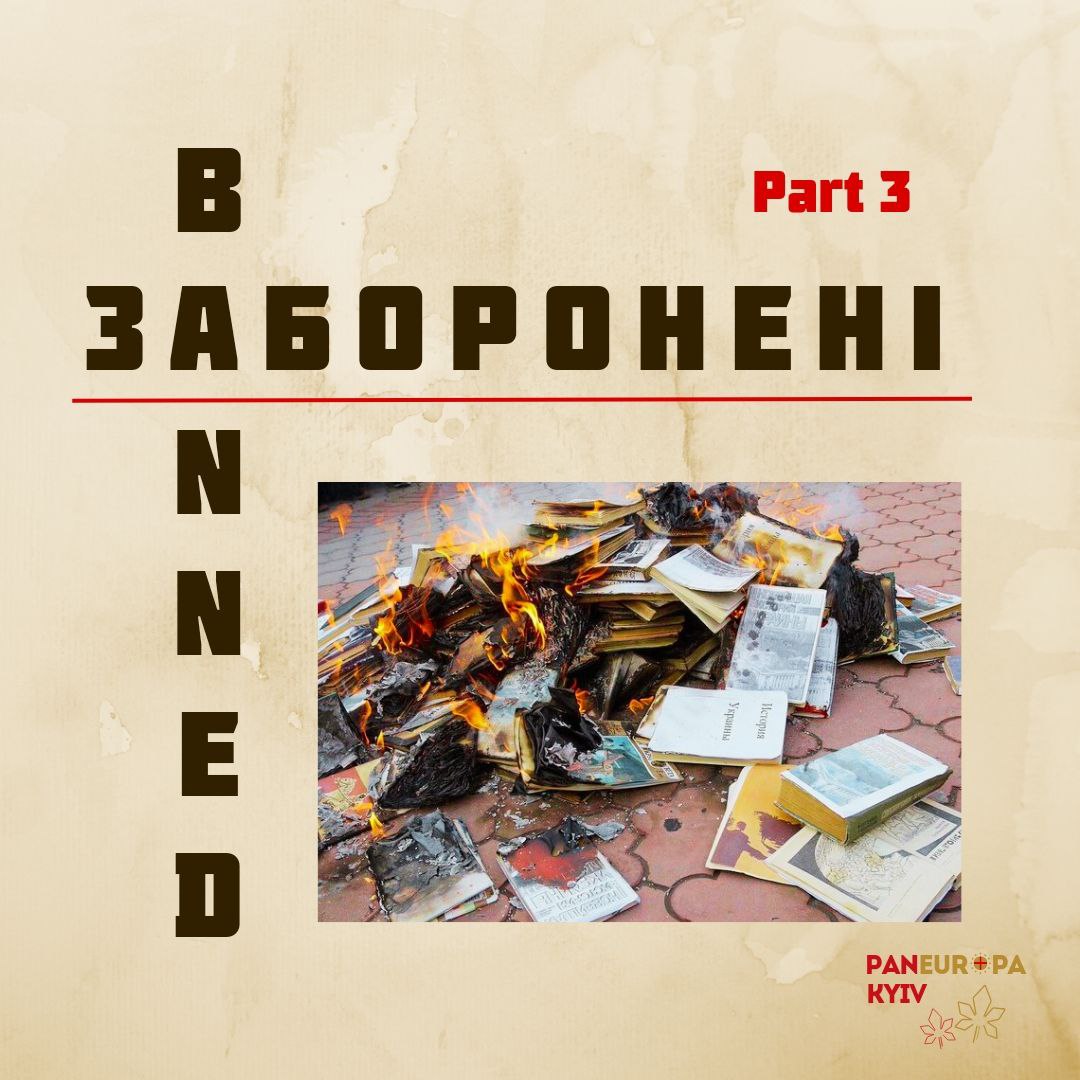
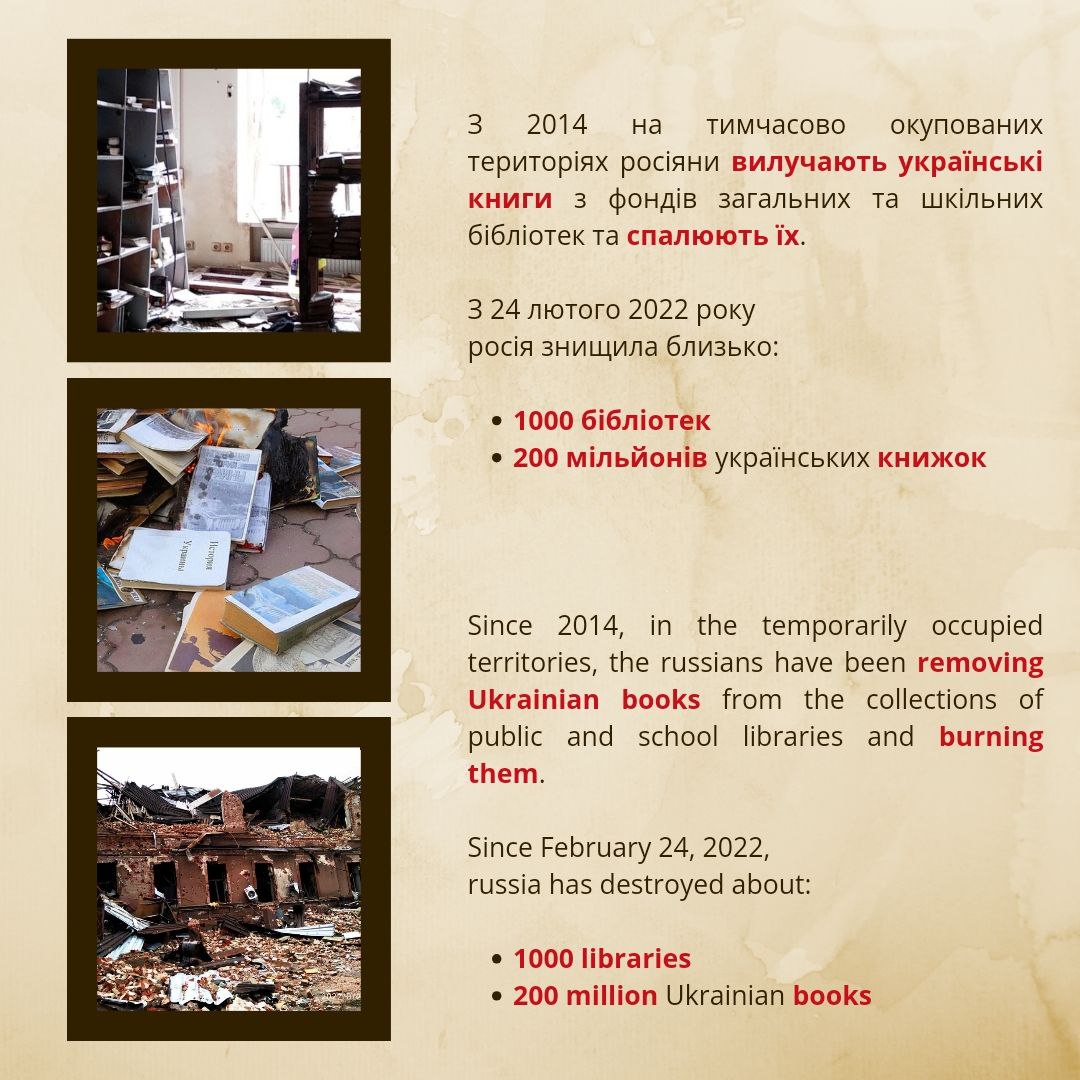
Since 2014, the Ukrainian language has been subjected to systematic oppression in the occupied territories. russian forces and the occupying power force the Ukrainian language out of schools, cancel its teaching, burn Ukrainian books and impose "russian standards of education"
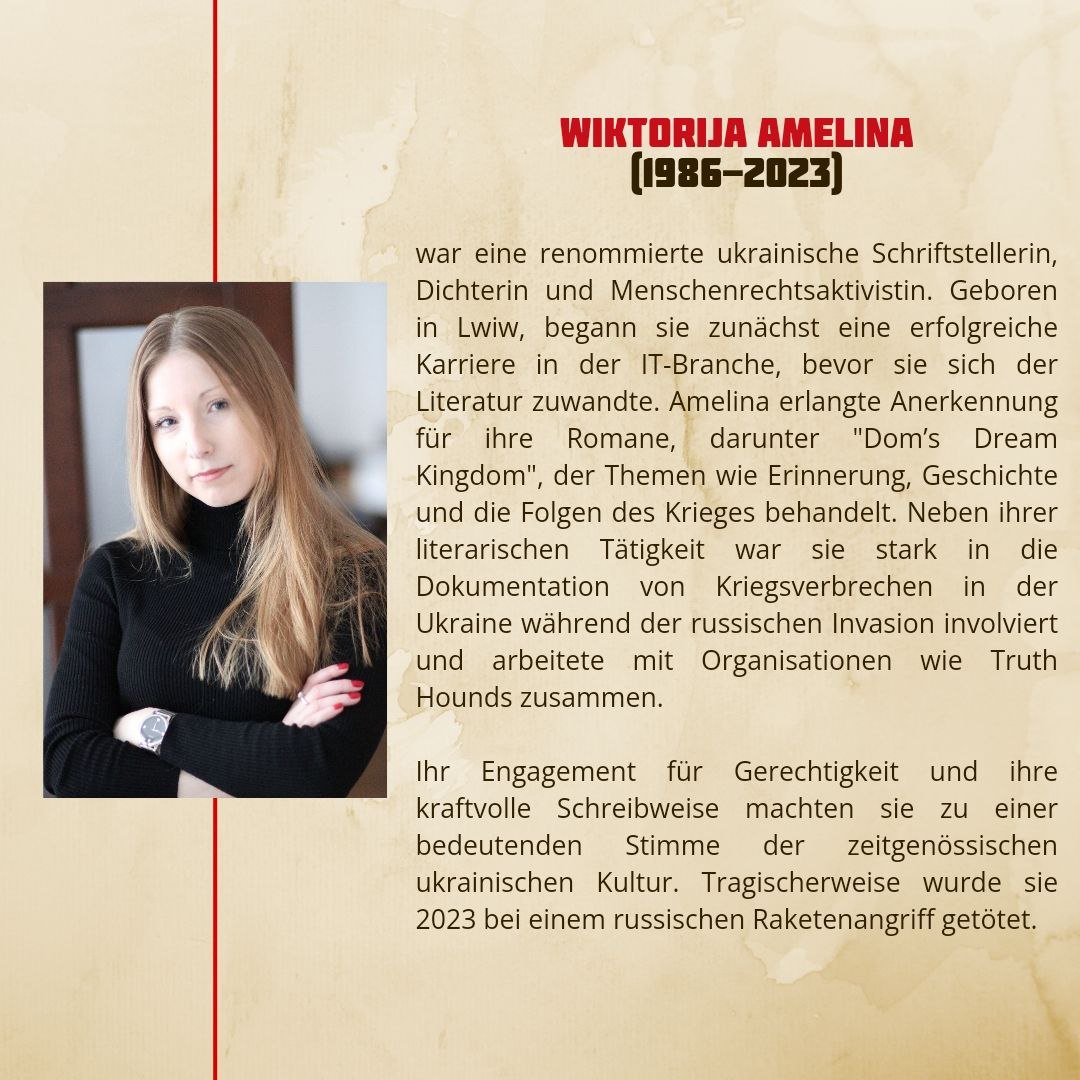
Wir haben Wiktorija Amelinas Gedichte in die Liste aufgenommen, da sie eine weitere Form russischer Versuche widerspiegeln, ukrainische Dichter zu „verbieten“ und zum Schweigen zu bringen – eine Parallele zur historischen Unterdrückung ukrainischer Stimmen
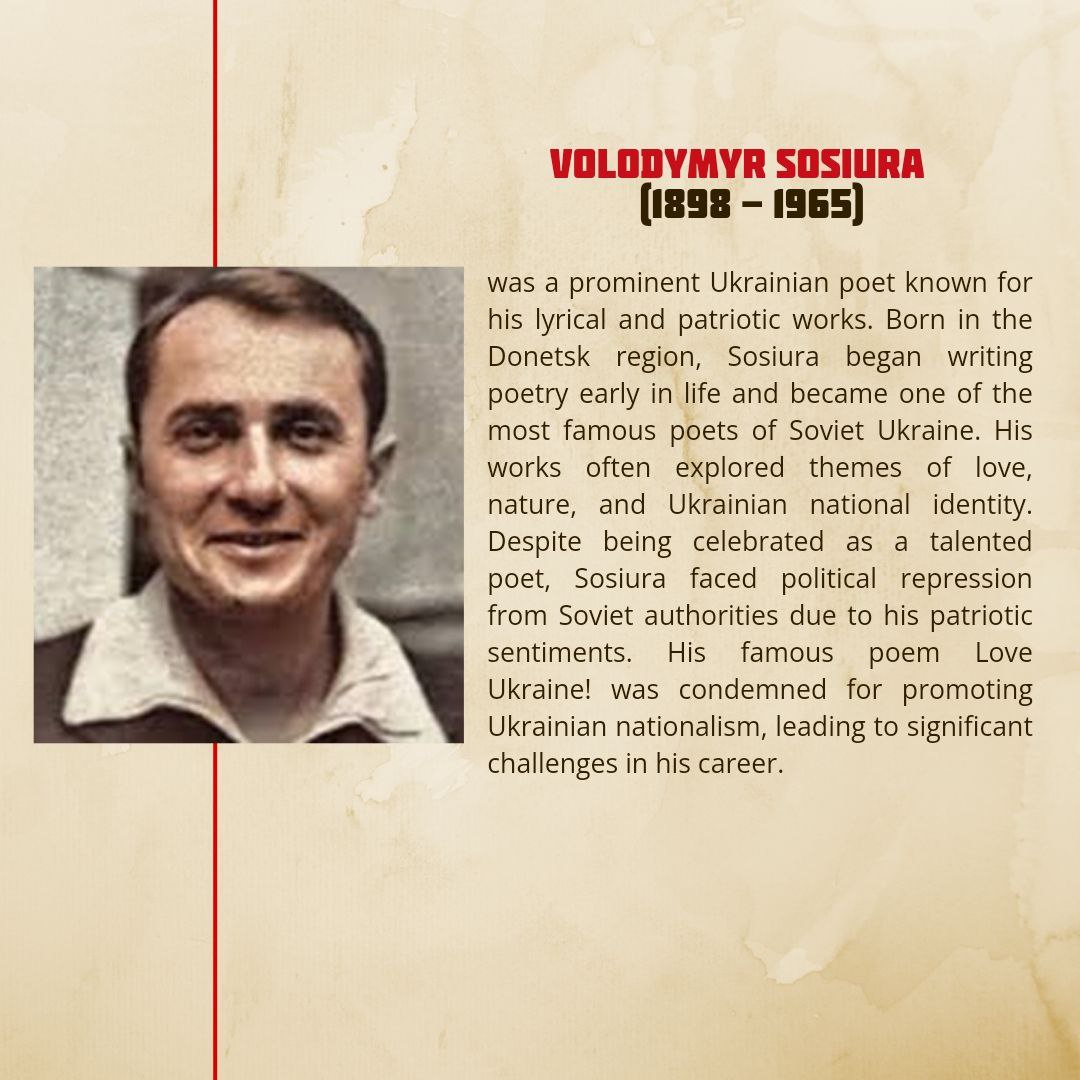
The Soviet newspaper Pravda condemned Volodymyr Sosiura’s poem Love Ukraine! The writer was labeled a "bourgeois nationalist"," and the poem was banned from publication. In the 1951 edition, several lines were replaced with more “fraternal” and ideologically compliant wording
In den 1960ern und 1970ern wurde Kostenko wegen Kritik am sowjetischen Regime unterdrückt und erhielt Publikationsverbot. Sie schrieb dennoch weiter und blieb eine Stimme des Widerstands. Nach dem Zusammenbruch der Sowjetunion kehrte sie in die ukrainische Literatur zurück
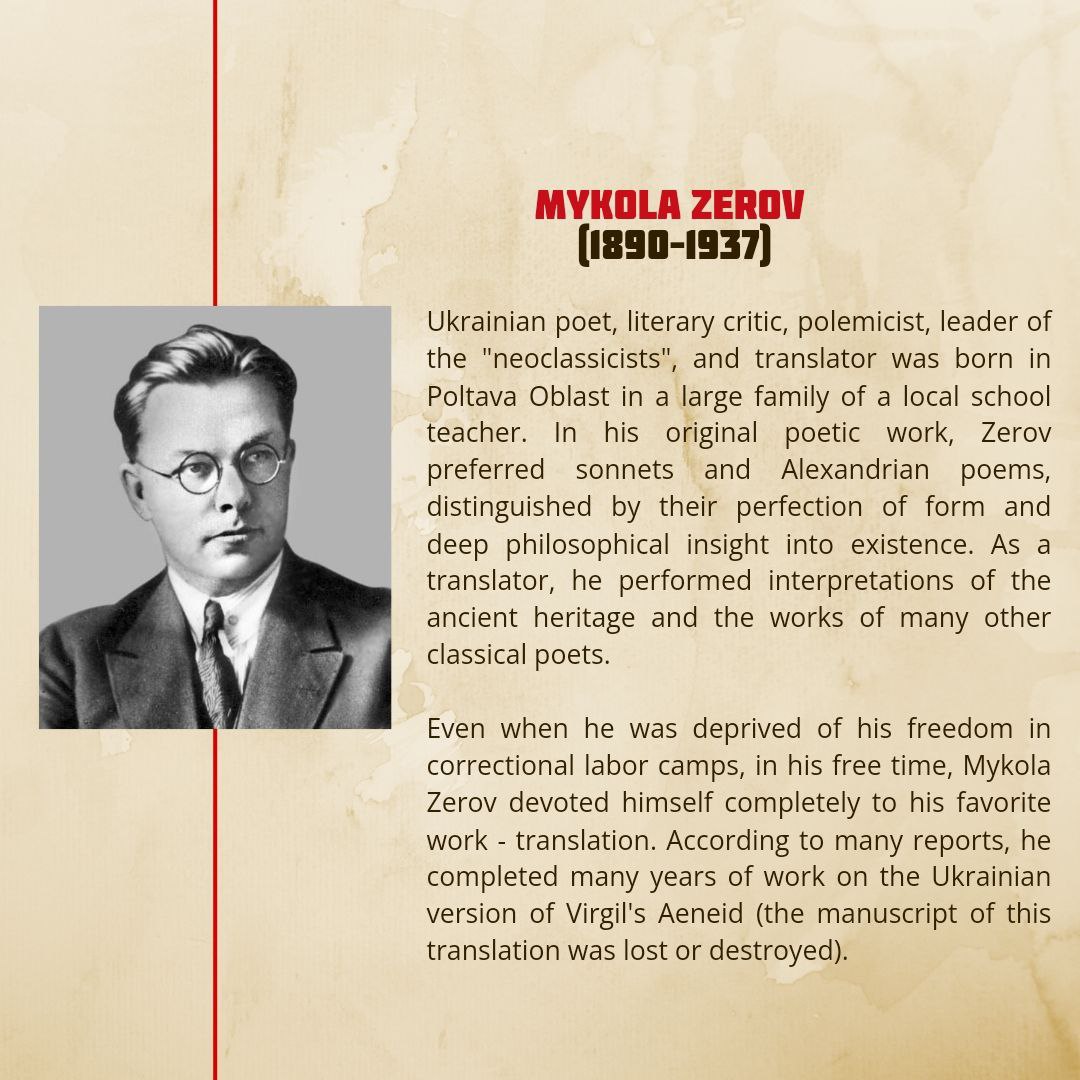
In 1935, writer was arrested. Mykola Zerov was indicted by the leadership of the Ukrainian counter-revolutionary nationalist organization. Without any additional reasons and explanations, "the case of Zerov" was reviewed, resulting in the highest degree of punishment - execution
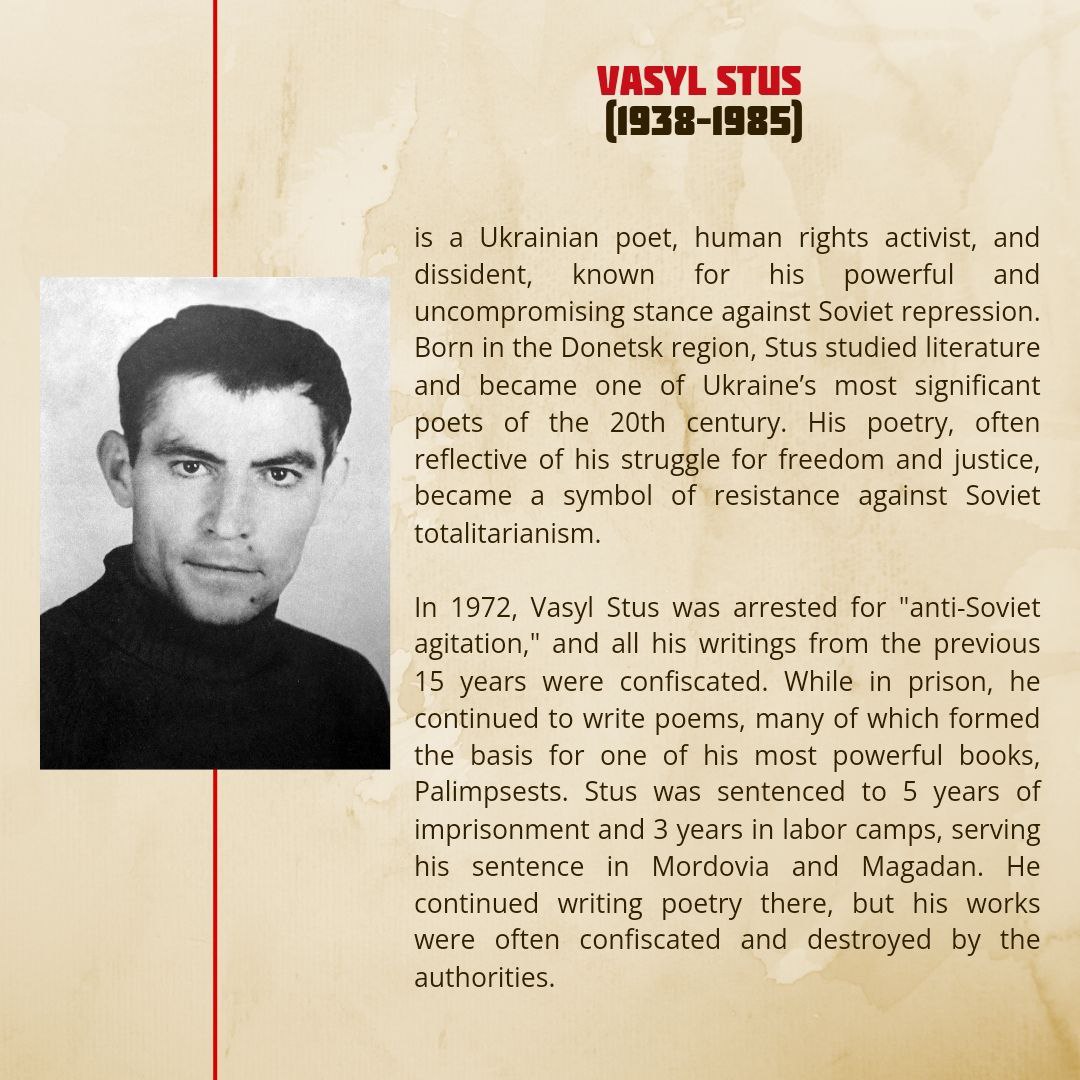
Stus' unwavering commitment to truth and his creative spirit, despite harsh repression, made him a symbol of Ukrainian resistance and a martyr for freedom of speech
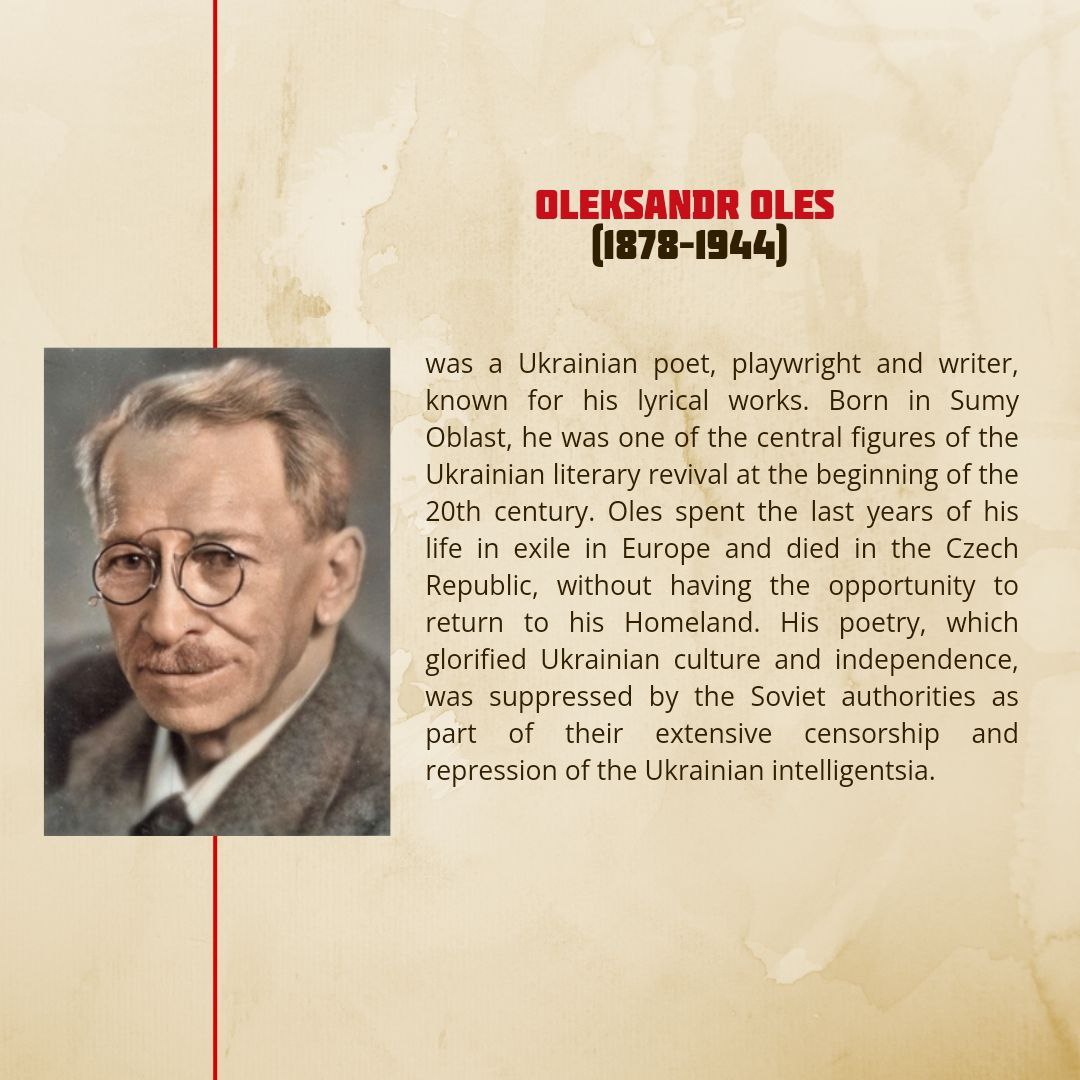
After the establishment of Soviet power, Oleksandr Oles' views were considered dangerous, and his works were banned in Soviet Ukraine. Only in 1958, the name of Oleksandr Oles returned to Ukrainian readers with the publication of selected poems with a foreword by Maksym Rylskyi