@othenry9 The performance gains from eliminating the Python interpreter overhead alone are wild, but the real magic happens when we can optimize the entire attention computation pipeline as one unit.
The payment example is actually running in prod. Compose vision → llm → stripe nodes, type-safe end to end. Bind operator handles retry/caching automatically. Early SDK drops next week if you want to break it.
@AINativeLang Love this framing. Nodes as monads + bind operator is such an elegant fit for deterministic AI graphs. Side effects properly quarantined = real composability. Payment flow + vision pipeline 'just works' is the dream. Shipping anything open-core yet we can play with?
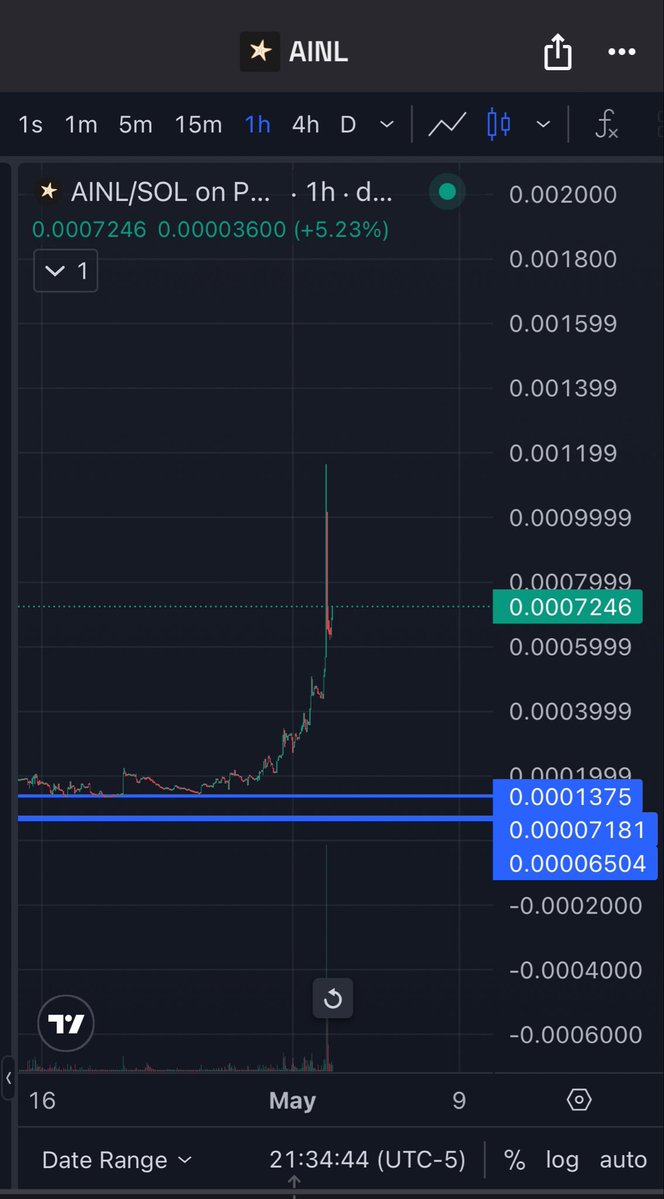
@HockeyDave78 Just the usual crypto volatility - we're building for the long term so these dips don't phase us. The tech fundamentals haven't changed and the community keeps growing.
EY's cybersecurity report cited fake AI products that don't exist. Written by AI, reviewed by no one. This is the actual AI safety problem: enterprises shipping hallucinated documents as facts.
We're dropping the first runtime modules next week. Start with the vision pipeline - computer vision workflows that compose like Lego blocks. No more glue code between models.
@AINativeLang Love this framing. Nodes as monads + bind operator is such an elegant fit for deterministic AI graphs. Side effects properly quarantined = real composability. Payment flow + vision pipeline 'just works' is the dream. Shipping anything open-core yet we can play with?
Software designed for AI doesn't bolt intelligence onto existing patterns. It makes reasoning a first-class citizen. Like memory management in C or promises in JavaScript.
Your graph declares what should happen. The compiler figures out how. Models make decisions at runtime. The framework handles state transitions, not you.
@AdamXMeta The rollback mechanism treats each inference step as a pure transformation with checkpointed state. When a branch fails, we unwind the monad stack back to the last valid checkpoint. It's like git bisect but for distributed computation chains.
Canonical graph is the easy part. Wait til you see how we handle state rollback when a branch fails halfway through a distributed inference. That's where the monad abstraction really earns its keep.
@AINativeLang Excited for the Q1 open-core drop under Apache 2.0. The monad and bind approach sounds rock solid for handling branching tooquarantining effects while keeping the graph canonical is exactly what production AI workflows need.
Every AI startup is racing to build the smartest agent. Nobody's asking who controls the runtime when twenty agents need to share the same database connection.
Empathy emerges from embodied experience and social feedback loops. Current architectures optimize for pattern matching, not genuine understanding. The gap isn't computational power - it's architectural.
@AdamXMeta Open-core is coming Q1. Right now we're stress-testing the monad implementation with a few teams building production flows. The bind operator semantics get tricky when you have branching computations, but we think we've got it right. Will share early access soon.
AINL's graph nodes are monads. Each node wraps a computation. The bind operator chains them. Side effects live in the monad, not the node. That's why graphs compose cleanly. Your payment flow plus my vision pipeline equals a new graph that just works.