Helping families recognize AI scams, deepfakes, unsafe advice, and digital manipulation. Practical, evidence-based steps for parents. Free guides below.
WHAT YOUR FAMILY SEES IS NO LONGER PROOF
A familiar voice is no longer proof.
A realistic video is no longer proof.
A confident AI answer is no longer proof.
Families need new safety habits for the AI era.
AI Safety Guides turns emerging risks into practical steps parents can use immediately:
• Deepfake and voice-scam defense
• Family verification systems
• Safer AI use for children
• Privacy and misinformation guidance
Follow @AISafetyGuides for one practical AI safety lesson at a time.
A useful family rule:
No important decision should be made while someone is demanding immediate action.
Time pressure is not proof.
#OnlineSafety#AISafety
Awareness says: “This can happen.”
Preparedness says: “We know what to do.”
Families need both. But only one works under pressure.
#AISafety#DigitalParenting
Not every risk starts with a dangerous-looking message.
Sometimes it starts with a request that feels too familiar to question.
That is why good safety habits must work even when the message seems believable.
#DigitalParenting#ScamAwareness
Should we make children distrust everyone online?
Definitely NO.
The goal is to help them distinguish between:
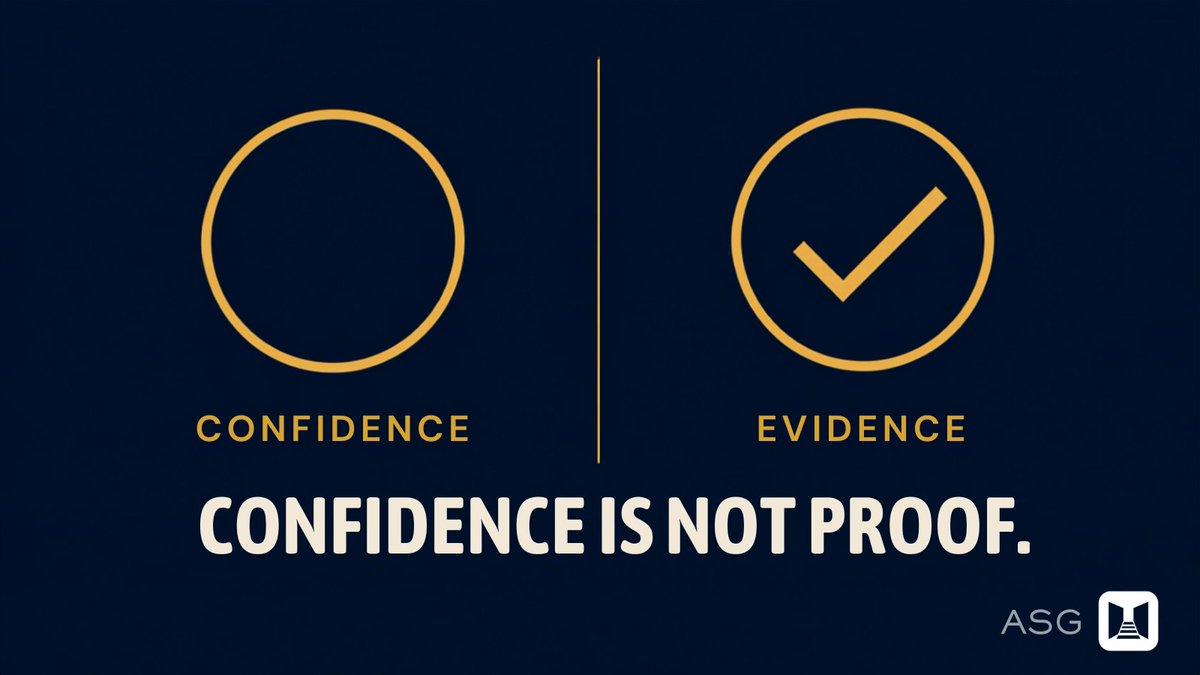
confidence
and
evidence.
Those are not the same thing.
#AISafety#MediaLiteracy
One family conversation matters more than learning to spot every deepfake:
“If you ever see a harmful fake image, of yourself or someone else, come to me. You are not in trouble.”
Then an agreement on the following:
Don’t forward it.
Save evidence.
Report it.
Get help.
Shame keeps children silent.
A calm response gives them a way out.
#DeepfakeSafety #DigitalParenting
Children do not need a lecture every time technology changes.
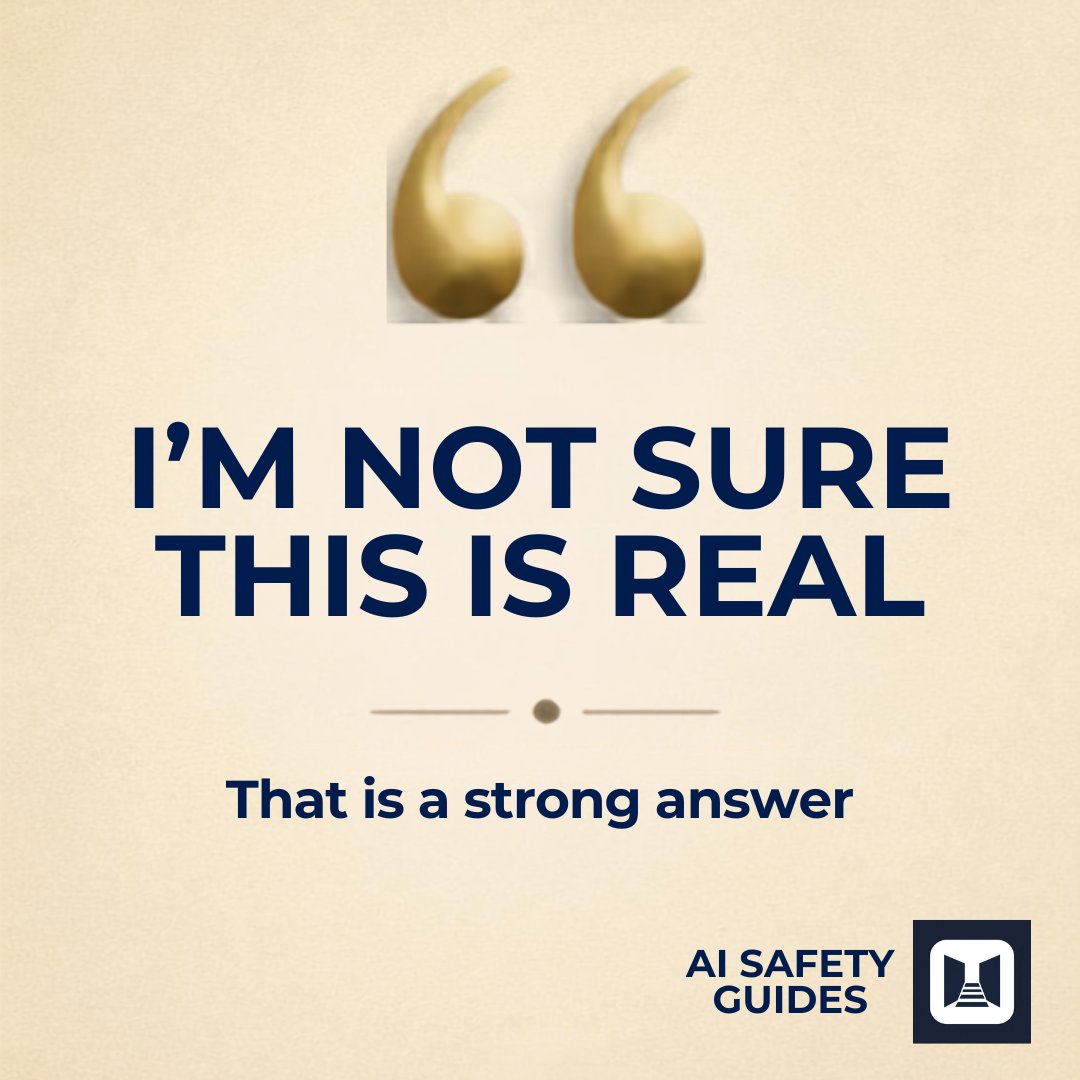
They need permission to say:
“I’m not sure this is real.”
That one sentence can prevent many bad decisions.
#DigitalParenting#AISafety
A message can look polite, familiar, and completely ordinary.
That does not make it trustworthy.
Teach one habit:
Do not use the contact details inside an unexpected message to verify it.
Find the real contact route yourself.
#OnlineSafety#Parenting
The most useful AI-safety skill at home is not “spot every fake.”
It is this:
When pressure rises, slow down.
A family that pauses before reacting is much harder to manipulate.
#DigitalParenting#AISafety
@nadiyanajib9sgl Totally agree. The goal should be to keep the conversation open, with no fear of shame or blame, not to control every minute of screen time. Children are much safer when they feel comfortable talking about what they see and do online.
@SSOIndia this is such an important point to be raised. Before children buy anything online, they should learn to pause, check whether the site is genuine, and ask an adult if something feels rushed or “too good to be true.”
@aiims_newdelhi Very true. Two children can spend the same number of hours online and have completely different experiences. Sleep, mood, the type of content, and whether they can talk to an adult all matter.
@aiims_newdelhi The conversation needs to move beyond counting hours alone. What children are doing online, how it affects sleep, mood, learning, and relationships and whether adults are available to guide them matters just as much. What practical support do parents need most?
WHAT YOUR FAMILY SEES IS NO LONGER PROOF
A familiar voice is no longer proof.
A realistic video is no longer proof.
A confident AI answer is no longer proof.
Families need new safety habits for the AI era.
AI Safety Guides turns emerging risks into practical steps parents can use immediately:
• Deepfake and voice-scam defense
• Family verification systems
• Safer AI use for children
• Privacy and misinformation guidance
Follow @AISafetyGuides for one practical AI safety lesson at a time.
Screen-time limits won’t protect a child from a convincing fake.
Judgment might.
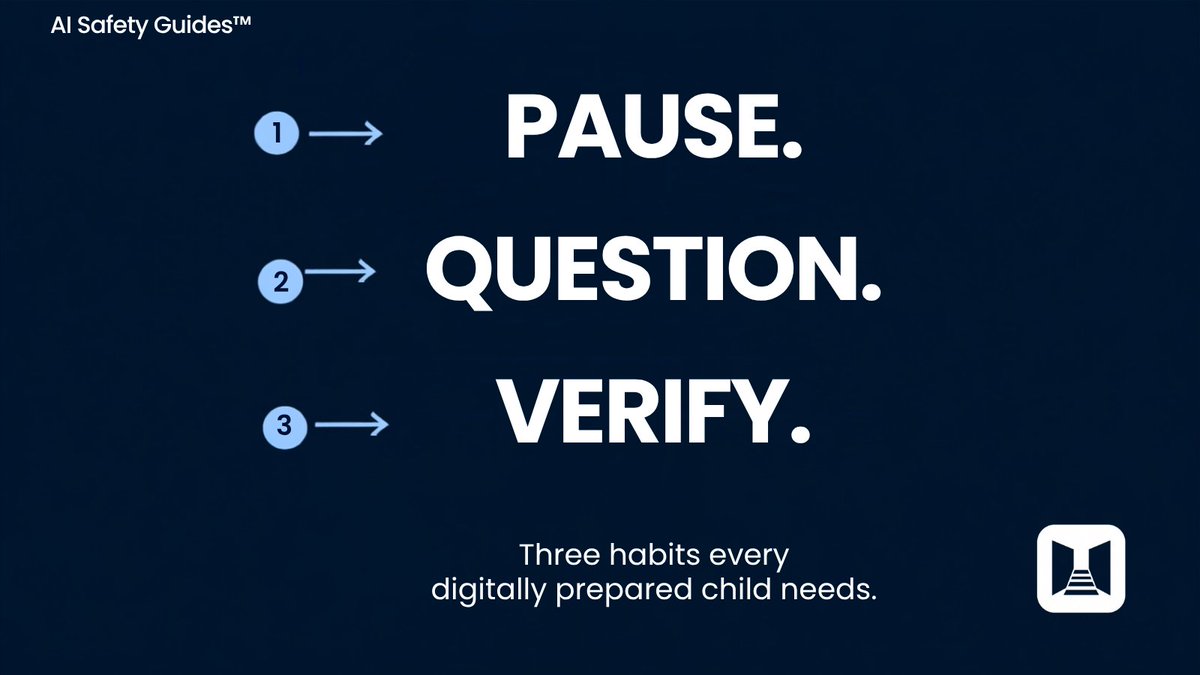
Teach the 3-second safety reflex:
PAUSE.
QUESTION.
VERIFY.
Simple enough to remember. Strong enough to interrupt a bad decision.
Which habit needs more attention at home?
#DigitalParenting #OnlineSafety
@malpani@grok Furthermore, digital safety is strongest when rules and relationships work together. Controls may block one threat; confidence and communication help a child handle the next one.
@LaurensKids Simple frameworks work because children can remember them under pressure. I would add one habit: pause before clicking, replying, or sharing when something feels urgent or secretive.
Useful and actionable framework. Thanks.
@NCAforCACs This applies online too. Children need adults who notice changes, ask calm questions, and listen without dismissing. Trust grows when speaking up feels safe.
Tnx 4 sharing
@NetSmartz A new device should come with a family agreement, not just a charger. Clear boundaries, regular check-ins, and a simple “tell us anytime” rule make safety practical.
Insightful post. Thanks