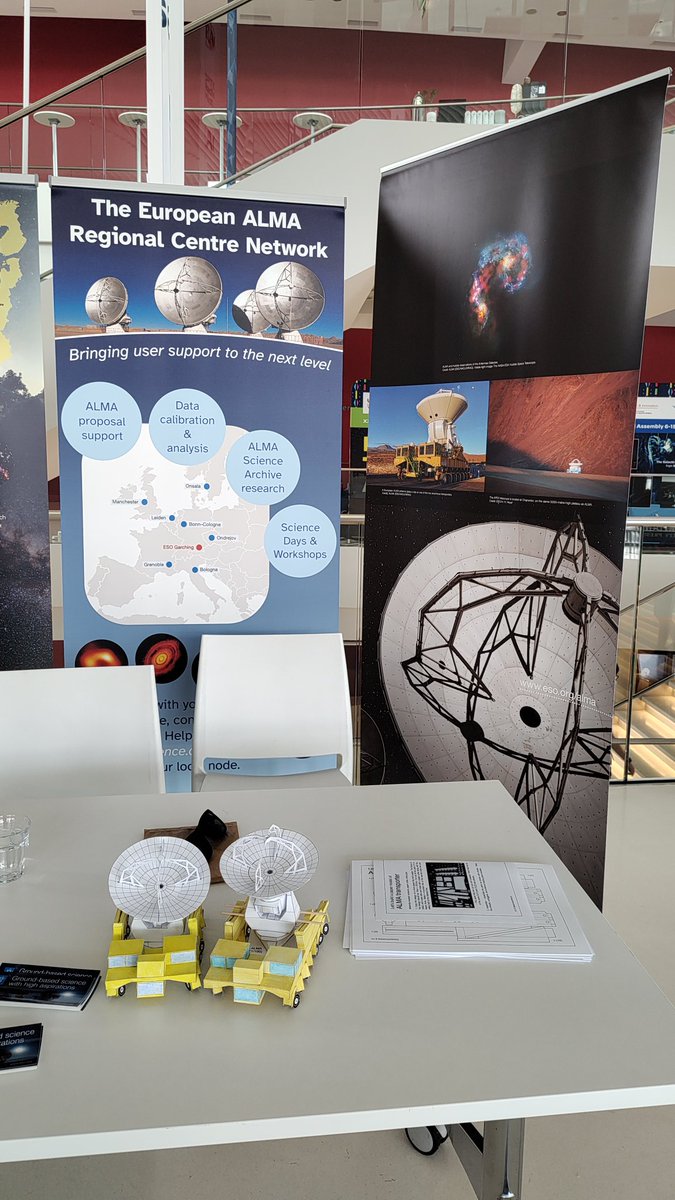
It's #ESOUsersDay ! Do you want to learn more about how to use @almaobs –– interferometry, calibration, imaging... If so, @alma_europe is organising a meeting on 10 - 14 June 2024, hosted by the UK ARC Node.
Register here until 31 Dec: https://t.co/BZcADqqNNF
📷 ESO/C. Malin
Time to celebrate for @almaobs ! 🥳 🎉
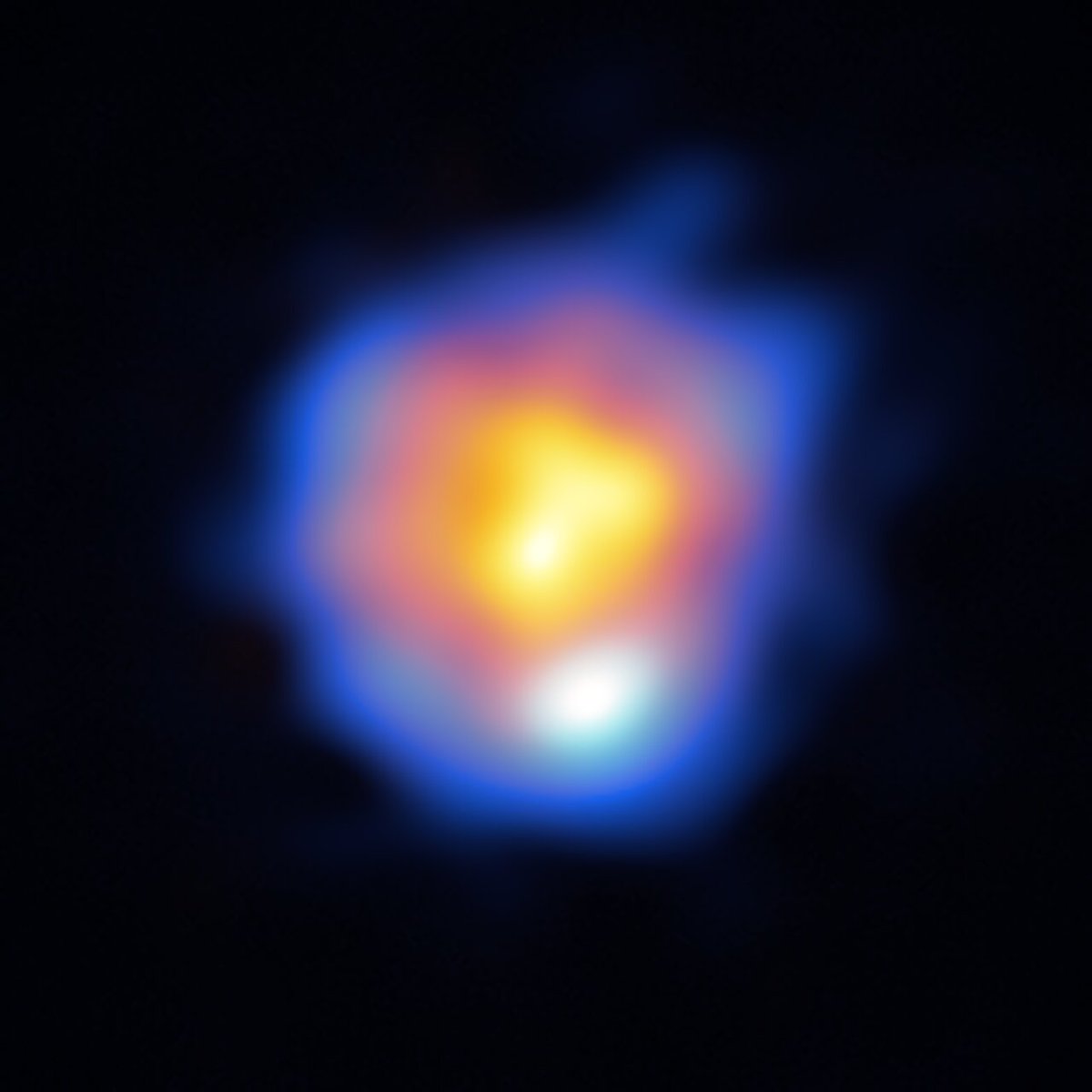
In a test that imaged the evolved Milky Way star R Leporis, ALMA — in which ESO is a partner — achieved the sharpest observations since it began operations. 1/
More info: https://t.co/YBpOilrlQu
📷 ALMA (ESO/NAOJ/NRAO)/Y. Asaki et al.
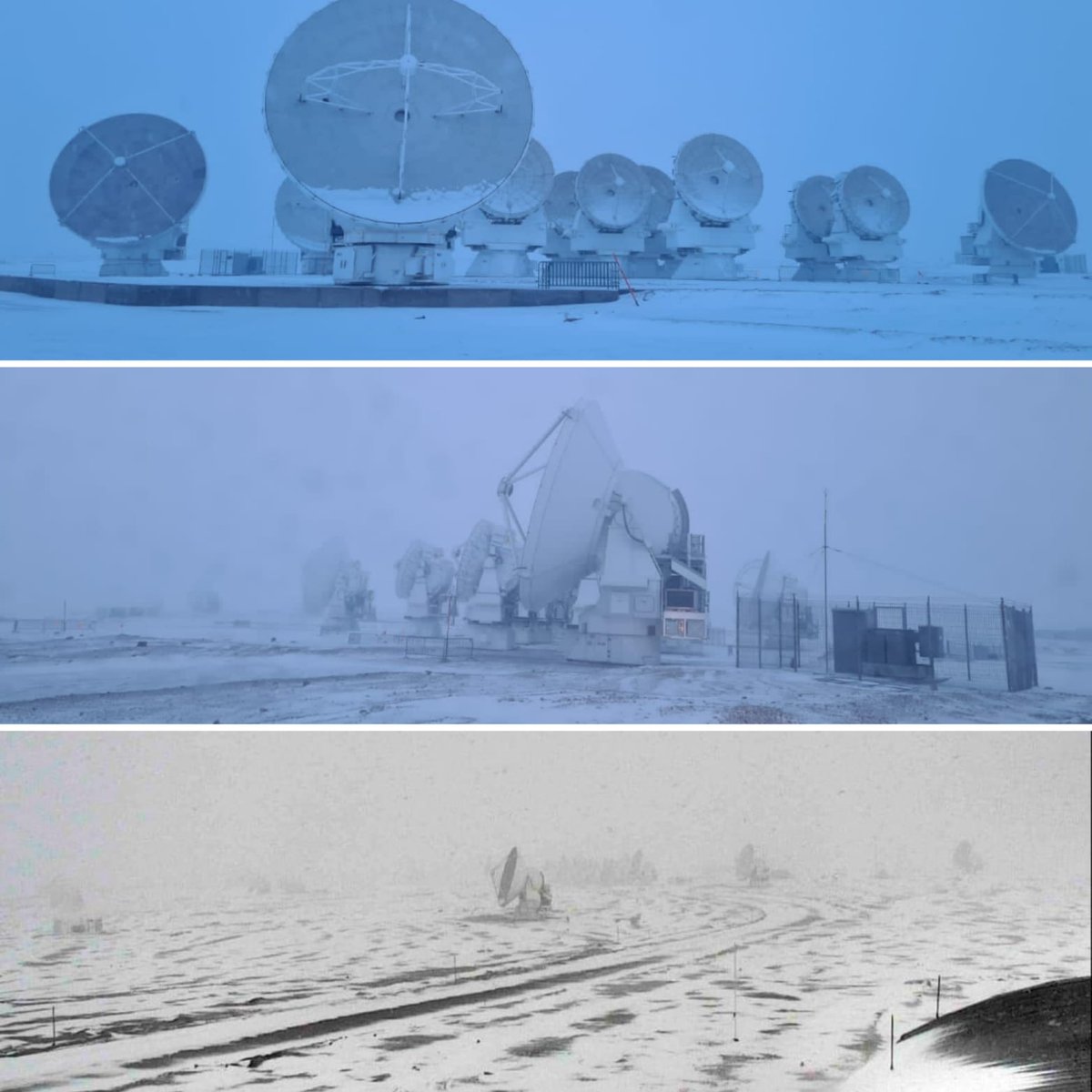
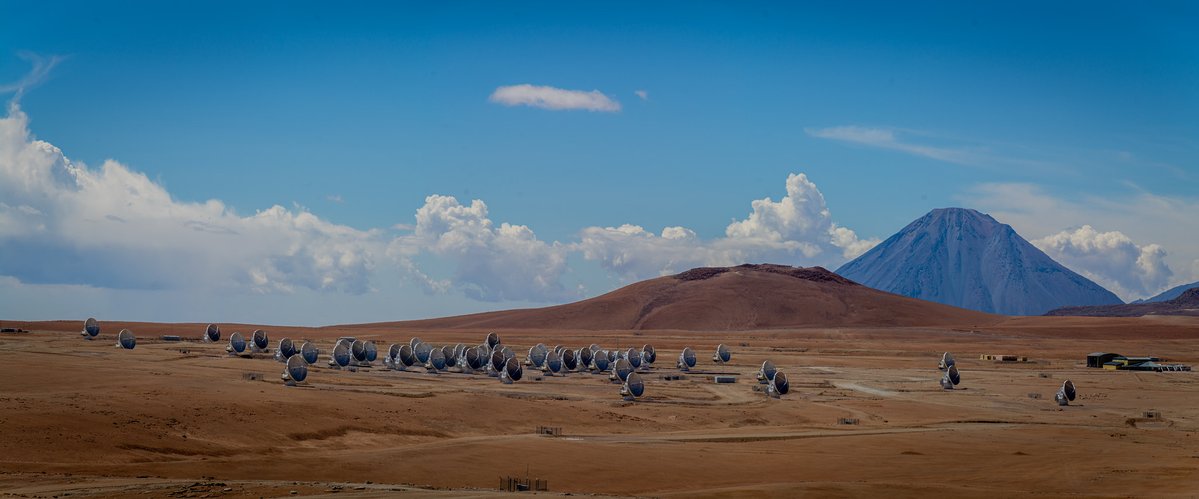
📡This weekend, nature displayed its might with fierce winds and a stunning snowfall. For safety, we closed access to the antennas and interrupted our observations. A minor setback that gave us these amazing views that we just had to share.
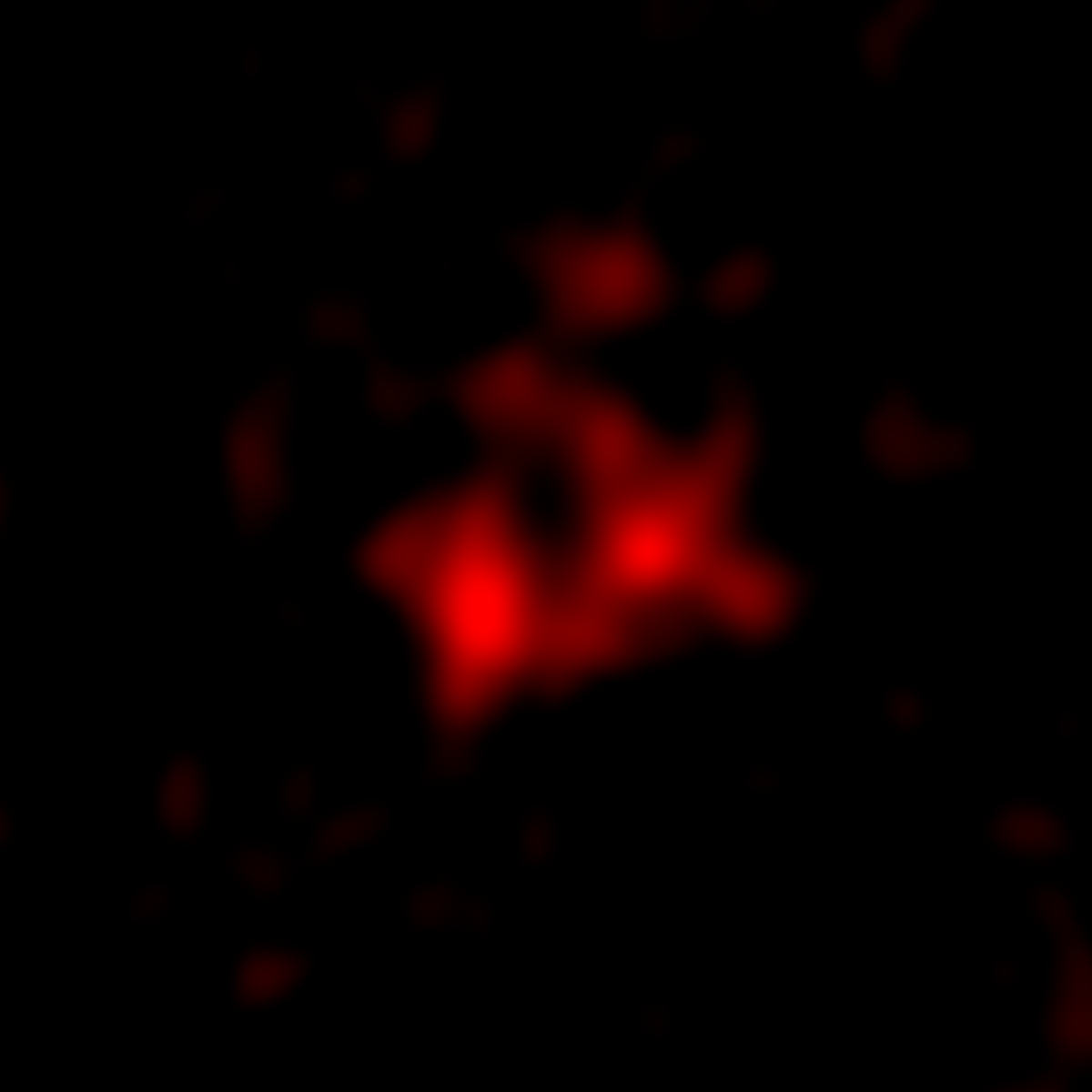
📡🌀Galaxy MACS0416_Y1 located 13.2 billion light-years away, harboring the farthest ever dark nebula. The image spans approximately 15,000 light-years on each side. https://t.co/DbQcarZeJu
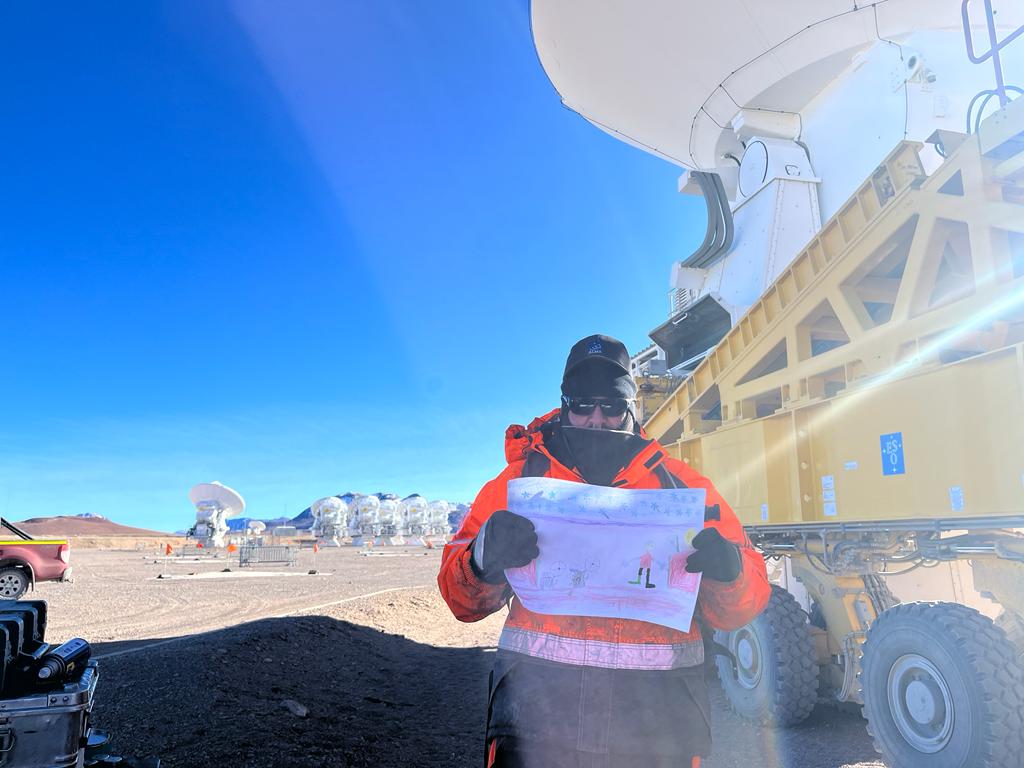
The two winning pictures of our @almaobs drawing competition finally made it to ALMA! Congrats again to the winners & thanks to the Antenna Management Group for making such an effort with the photos. The pictures are now permanently displayed at the door of the ALMA control room!
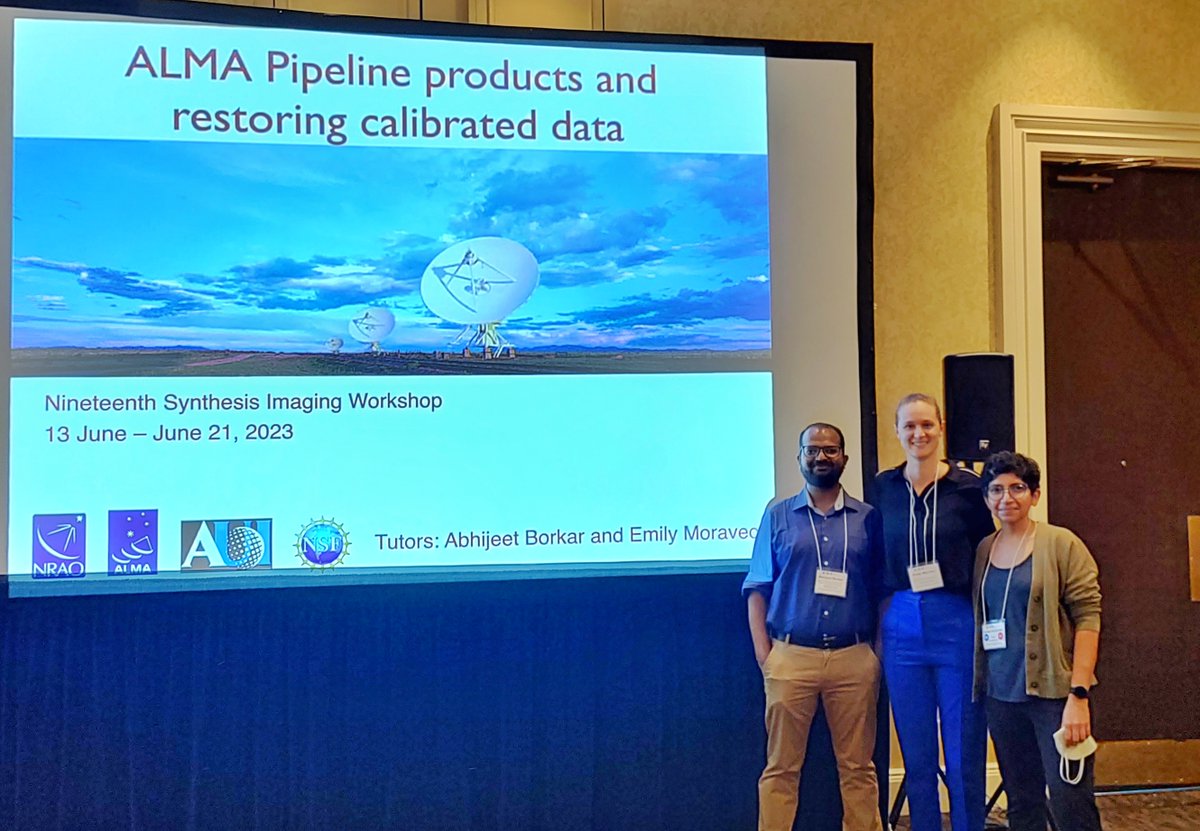
Czech node 🇨🇿 of the EU-ARC represented at the 19th Synthesis Imaging Workshop @TheNRAO in Charlottesville, with Abhijeet Borkar (@borkarabhijeet, current member), and Emily Moravec @DrEAMoravec & Devaky Kunneriath (former members) presenting how to work with @almaobs data.
Friendly reminder! The deadline to submit your reviews for the distributed peer review of the @almaobs proposal packs is coming up soon: 28 June 2023 (15:00 UT).
This ITRAIN video by @majdade explains the best practises for reviewing ALMA proposals: https://t.co/I5VvEmUzpl
📡The amount of time requested on the 12-m array increased to over 29,000 hours! Demand to Observe with ALMA remains very strong https://t.co/nK5jdxNcsK
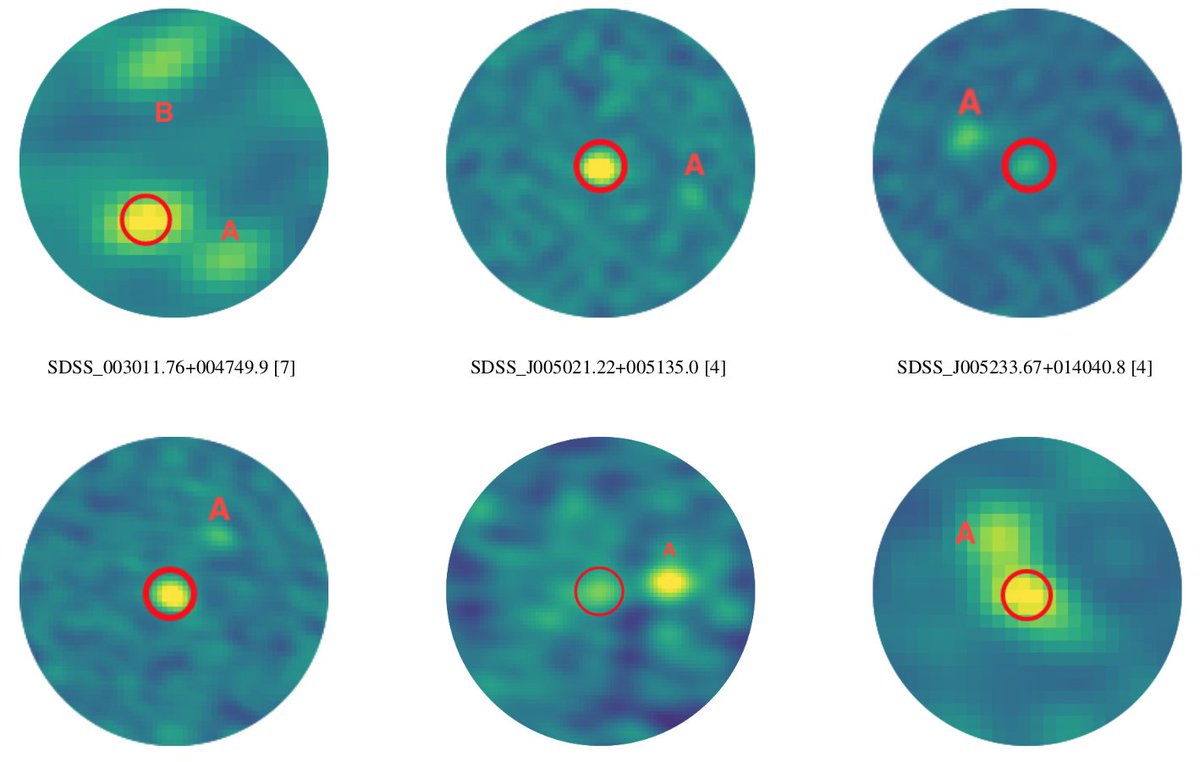
We also briefly discuss some interesting and unique sources detected during visual inspection, including jetted quasars, lensed quasars, and quasars with close companions. These would be of interest to the community.
The catalogue is available online on MNRAS. We also provide a list of DR14 quasars within the ALMA footprint, for which no detection above an SNR cut of 3.5 was found.
Link to data:
https://t.co/nLxoIBGqvJ
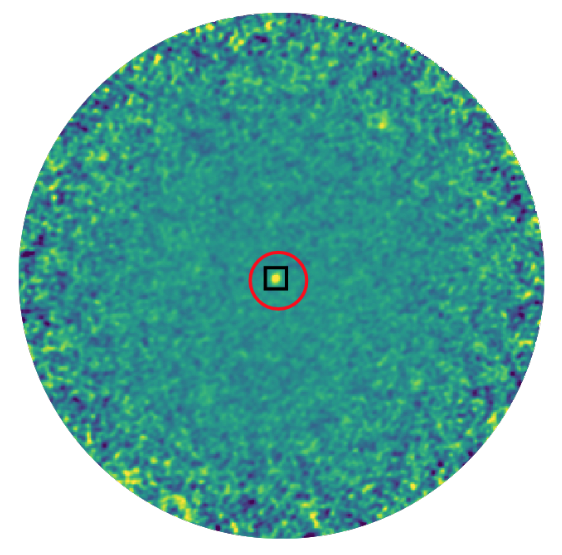
We present 376 submm detections of SDSS DR14 quasars, corresponding to 275 unique quasars, in the ALMA footprint.
87% were targeting the SDSS quasar (i.e. the observations are centred on the quasar), while for the remaining cases the quasar just happened to be on an ALMA image.
SEDs of quasars at wavelengths >10 micron are often poorly defined, consequently affecting properties derived from those SEDs, such as SFRs in quasar hosts, dust temperatures etc.
This catalogue is a first step towards a study of submm properties of quasars in greater detail.
When creating the SED of quasars, submm is an oft-neglected part of the spectrum.
Our current knowledge on the far-infrared (FIR) to mm properties of quasars is based on observations with poor spatial resolution, making it difficult to identify counterparts at other wavelengths