StanfordEng: RT @Rbaltman: Art has the power to heal and may be the answer to many of our societal problems, such as growing political polarization and social isolation borne by the pandemic, says my guest on this episode of TFoE, @deborahcullinan. This is the future of art.…
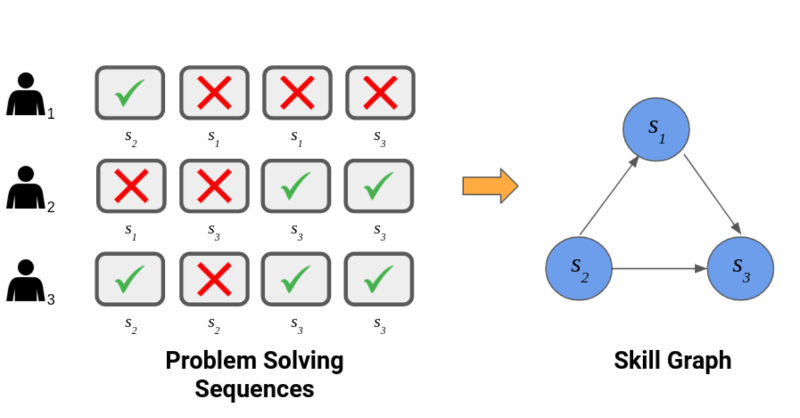
StanfordEng: RT @jure: #GNNs are highly effective in knowledge tracing, used by online educational systems to make learning effective and relevant. Great work by @Stanford#CS224W students by Anirudhan Badrinath, Jacob Smith, and Zachary Chen:
…
StanfordEng: RT @Nature: “This current e-skin really has all the attributes that we have been dreaming about,” says @zhenanbao. “We have been talking about it for a long time.” https://t.co/51oIoG2gI6
StanfordEng: RT @newscientist: A patch of artificial skin sends signals from heat or pressure sensors to the brain. In the future, it could be used as a prosthetic for people with skin damage https://t.co/IKNduW4YTf
StanfordEng: RT @techreview: A soft electronic skin could allow people with prosthetics to sense pressure and temperature, helping them to more easily interact with their surroundings. https://t.co/wlTKHzSIN7
StanfordEng: The future of sensory technology looks like this. Stanford’s Bao Research Group has produced soft integrated circuits—e-skin—that can generate nerve-like impulses that talk to the brain. https://t.co/XayEMqDPU3
StanfordEng: RT @jure: #CS224W project by @_AbhaySinghal, Suhas Chundi, Patrick Donohue on how #GNNs can understand and detect syntactic similarities in code. This application is useful for code search, plagiarism detection, code completion and refinement …
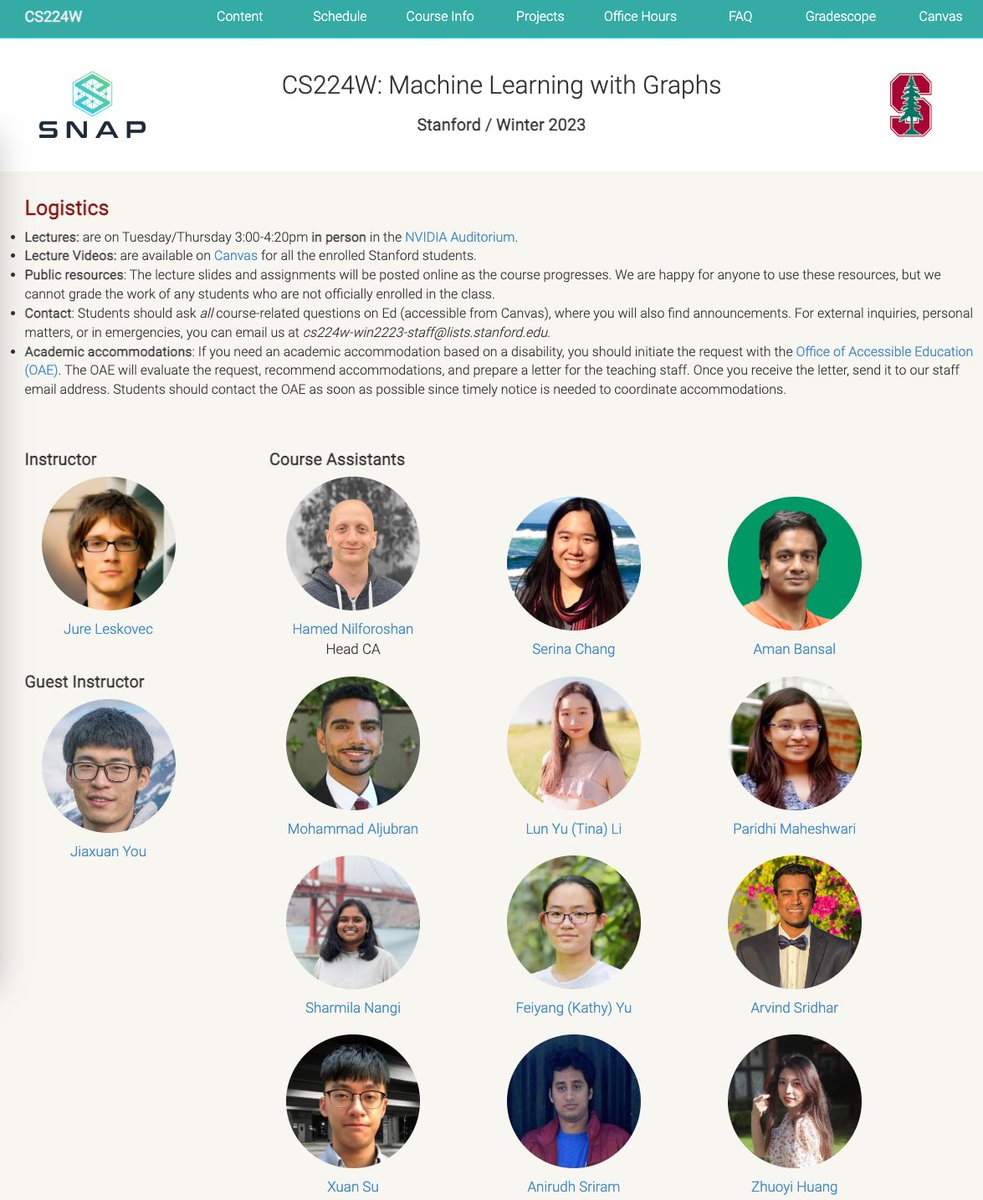
StanfordEng: RT @jure: Over the next few days I will be tweeting about amazing graph machine learning projects coming out of the Stanford's CS224W class on Machine Learning with Graphs: https://t.co/mvPOuCPXUw
StanfordEng: This tiny robot’s swirling folds allow it to twist as it collapses or expands, while magnetic fields could direct it to move through the body in multiple ways.
StanfordEng: What kind of innovation could one day crawl, spin, and swim throughout the body to achieve targeted drug delivery? Prof. Renee Zhao’s "spinning-enabled wireless amphibious origami millirobot," of course.
StanfordEng: RT @StanfordHAI: Words are the key component of human intelligence, which is why generative AI – like ChatGPT – has caused such a stir, says HAI Associate Director @chrmanning. Hear more in this episode of @StanfordEng's The Future of Everyt… https://t.co/bksurKUlI2
StanfordEng: RT @Rbaltman: I’m joined by @Stanford_Neuro’s Helen Bronte-Stewart on this episode of The Future of Everything as she discusses how new technologies and techniques have revolutionized the way we track and treat movement disorders, like Parkinson’s. https://t…
StanfordEng: RT @philip_onffroy: Super exciting to see an image of my recent research in the @DeSimoneLab on 3D-printed metallized polymer lattice electrodes for renewable energy storage displayed in the @StanfordEng MRS “Art of Science” showcase. #3Dpri…
StanfordEng: RT @StanfordHAI: How do we develop human-centered language models? HAI faculty affiliate @Diyi_Yang leads a course that provides an overview of human-centered techniques and applications for NLP, ranging from human-centered design thinking t… https://t.co/65goMDQQcB
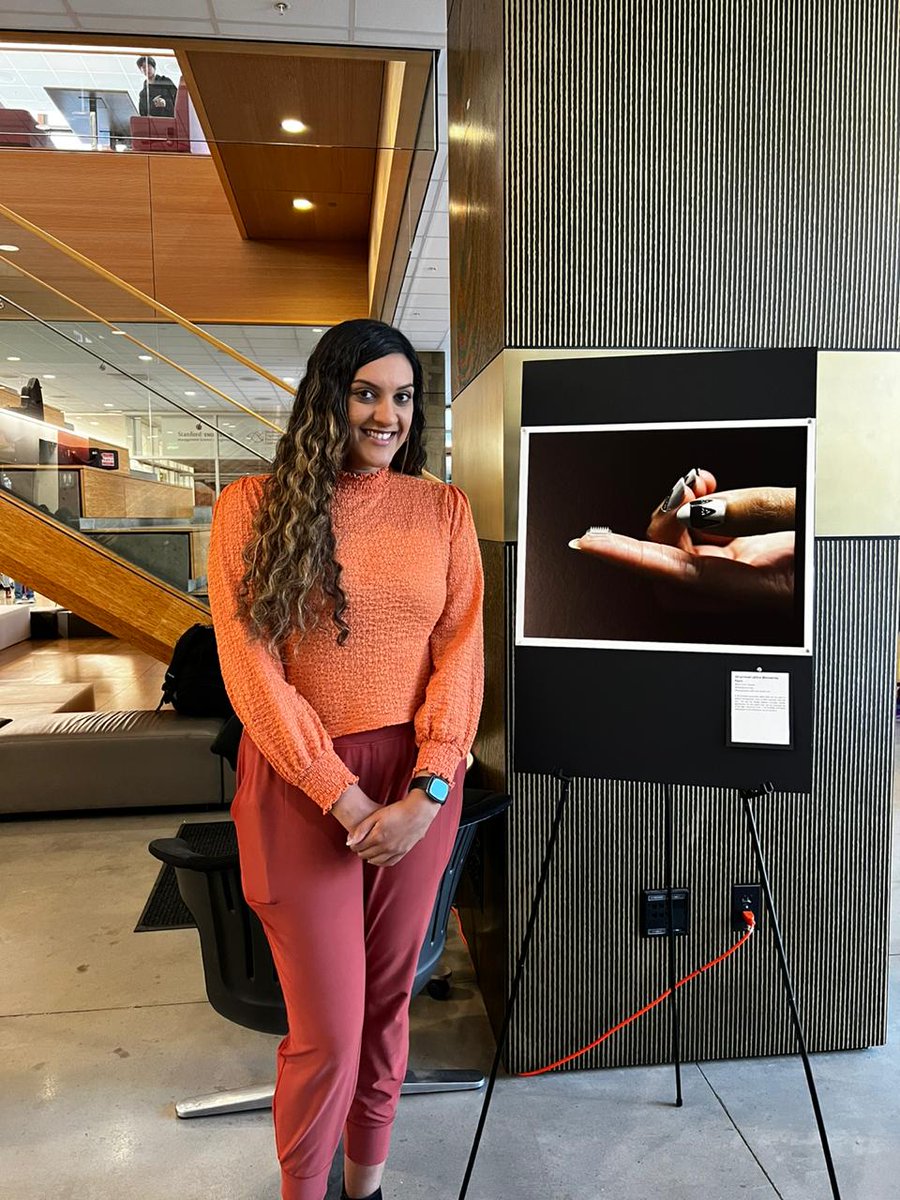
StanfordEng: RT @NetraUnni: It was surreal to see my PhD work in the @DeSimoneLab featured in the Art of Science Exhibition by @StanfordEng MRS! This work depicts the scale of our 3D-printed patches while my nail art shows the complex, lattice geometries…
StanfordEng: RT @leto__jean: Seeing TidyBot come together in my lab has been fun! And yes, our lab has been exceptionally clean 🧹
Many of you commented on the mobile platform which I'm so pleased about seeing it move!
Let me tell you the story behi… https://t.co/b8QqiAspRl
When organizing a home, everyone has unique preferences for where things go. How can household robots learn your preferences from just a few examples?
Introducing 𝗧𝗶𝗱𝘆𝗕𝗼𝘁: Personalized Robot Assistance with Large Language Models
Project page: https://t.co/LbVGq01QMT