YOUR UNUSED PAZE CREDITS CAN LITERALLY GO TO CHARITY
People are using the $10 Paze promo to make $10 donations to St. Jude through Domino's and Smile Farms through 1800flowers.
How it works
- Donate $10 to St. Jude/Smile Farms
- Pay with Paze
- Get the $10 Paze credit back
- Repeat across eligible cards while the promo is still live
And there is another nice angle for 2026.
If you do not itemize, the IRS now allows a deduction for qualifying cash charitable contributions of up to
- $1,000 for single filers
- $2,000 for married couples filing jointly
So keep the donation email receipts.
You can turn unused Paze credits into real donations, still earn card rewards in some cases, and potentially get a tax deduction too.
Probably one of the best ways to use credits that were going to waste anyway.
Chase Sapphire Reserve Adds a $15 Monthly DoorDash Credit
Starting October 1, 2026, Sapphire Reserve cardholders get a new $15 monthly DoorDash credit — and unlike before, it now works on restaurant orders too.
That brings your DoorDash promos to three per month:
$15 credit for restaurant orders
Two $10 credits for grocery, retail, and other non-restaurant orders
Total: up to $35/month, or $420/year
Plus, the card still includes a complimentary DashPass membership (valued at $120/year), putting total potential DoorDash value at up to $540/year
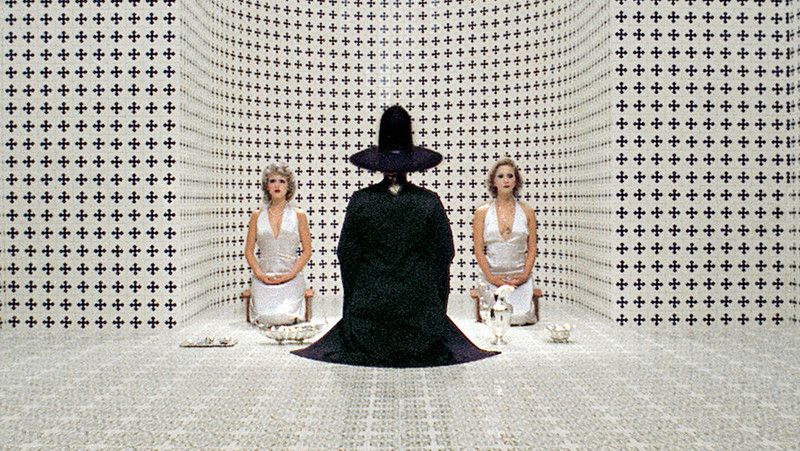
Some movies require multiple viewings for audiences to even begin to grasp their profundity. We present you The 30 Most Confusing Movies of All Time: https://t.co/8FFvZQjLBD
If you’re considering living in Japan, you’re probably going to have to be independently wealthy to get permanent residence now but the other thing is that you’re going to have to pass the Japanese language proficiency test at level two.
Here are a few recommendations for Japanese studies, but it kind of depends on getting basic proficiency first. One is start reading manga or books written for kids because you have the furigana that'll tell you how to pronounce the kanji. Another thing is that try and find audiobooks and read the actual book while listening to the audiobook. That is very helpful. There is a good app worth buying called Speechify, which will allow you to paste in large chunks of Japanese text and get it read out loud to you. It does a pretty good job. The other things are, as boring as it sounds, sentence pattern drills. You have to learn the grammatical structure, and then you plug in words, and you keep doing it over and over until it's automatic. Starting with basic building blocks like, 「図書館で大きな声で話してはいけない。」「図書館で携帯電話で話してはいけない。」「図書館で音楽を鳴らしてはいけない。」So that's your, you can't do this or you shouldn't do this sentence structure, right? And then maybe you stack a reason on top of it. 「この場所はみんな勉強してるから大きな声で話してはいけない。」「このルールだから図書館で話してはいけない。」 You keep learning these patterns until they come to you naturally, almost like doing a martial art. And that's how I did it, basically the Soviet Union school of repetition and structure.
You'll often see this kind of training phrased as bunkei renshu, 文型練習but it is helpful. You can also start using vocabulary words and things that you're interested in to fill in the words in your sentence structure practice, and that's a good way to remember words as well. I also really recommend that when you get to a certain proficiency, you read books written for children about jobs, because when you know the jobs that people do and the skills that they have to have, you'll learn the verbs that are associated with their life. There's one particular series that is really good because it has pictures and explanations, and vocabulary words that you can pick up. It's like words that you would learn on the job. And that is all the advice I have at the moment. Pardon if it's disordered and there are typos because I'm doing this while playing with my niece.
“A crooked tree lives its own life, but a straight tree is turned into wood.”
- Chinese Proverb
The idea behind this proverb comes most clearly from the writings of Zhuangzi, one of the central thinkers of Daoism in the 4th century BCE.
In the Zhuangzi, a famous story tells of a large, twisted tree that carpenters ignore because its wood is unsuitable for construction. Precisely because it is considered “useless,” the tree is never cut down and survives to live out its natural life.
Zhuangzi uses the tree as a metaphor for human life. In Daoist thought, being “useful” by conventional standards can make a person vulnerable to exploitation, control, and exhaustion. Those who are unconventional, overlooked, or unwilling to fit society’s expectations may instead preserve their freedom and live on their own terms.
He said this is the feature that makes clients think he's done something extraordinary and it takes less than 5 minutes.
Apple TV 4K has a built-in color calibration tool that uses your iPhone's TrueDepth camera (Face ID sensor) to measure and correct your TV's color output. It analyzes the screen, adjusts white balance, color temperature, and tone mapping, and applies a custom profile matched to your specific TV and room lighting.
Settings > Video and Audio > Color Balance > follow the on-screen prompts with your iPhone.
"I run this on every install. The client watches a scene before and after. Every time every single time they say 'It looks like a different TV.' The colors become natural. Skin tones look human. The blue tint disappears. And I didn't touch the TV's settings at all. The Apple TV corrected the signal before it reached the screen."
With tvOS 26, calibration has gotten even more refined the system adjusts dynamically based on room lighting conditions and integrates tightly with certified 4K displays for automatic tone mapping.
"Samsung has Smart Calibration. LG has CalMAN. Both require separate apps and setup. Apple's version works with any TV, uses the phone you already have, and takes under 5 minutes. Most Apple TV owners have never opened this setting. They're watching uncalibrated color on a device that can fix it for free."
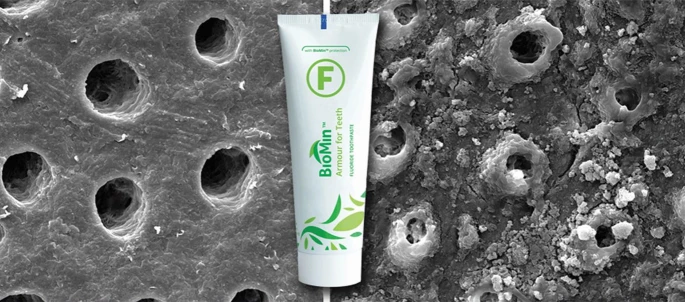
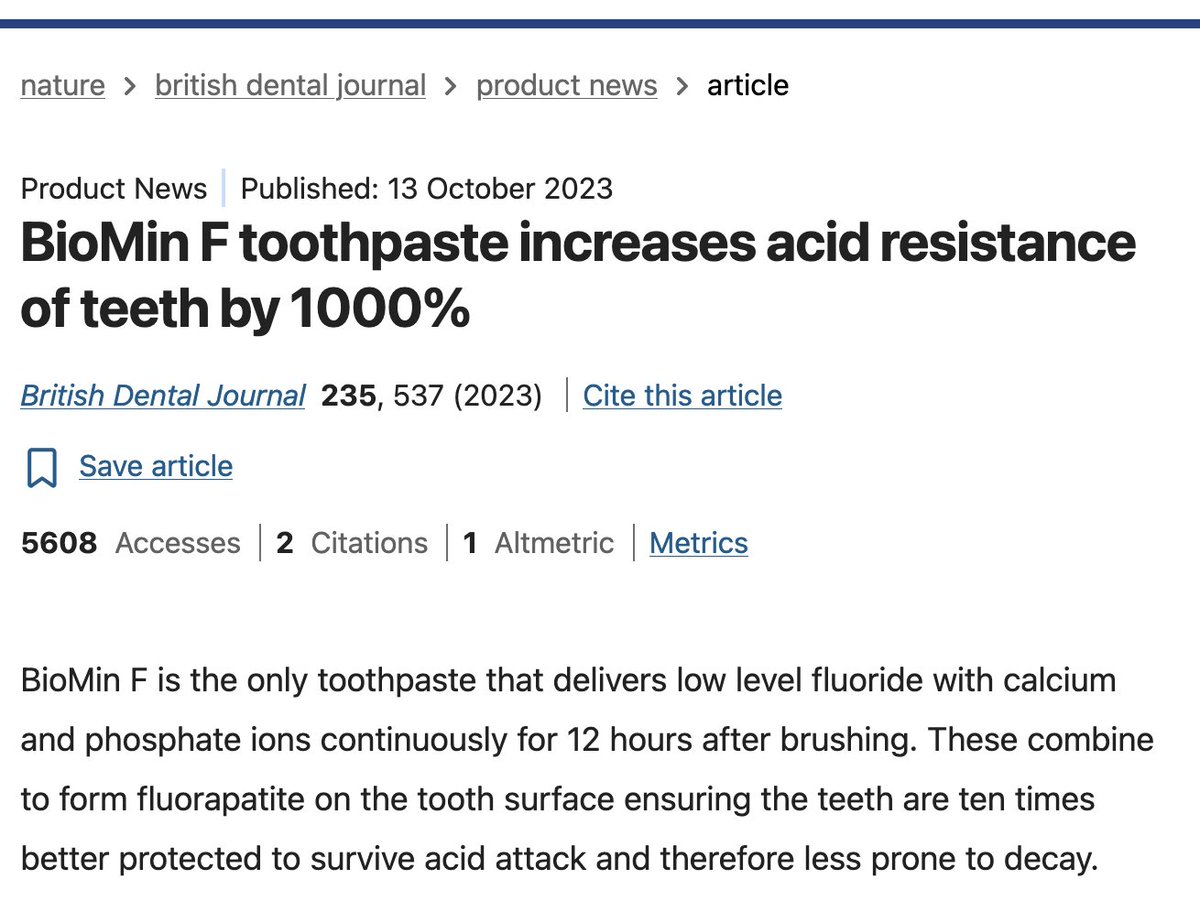
actually, the best toothpaste comes from US Army research into bioactive glass for bone repair during the vietnam war.
a professor in london expanded upon the research for bone grafts and rolled the tech into a company called biomin. fills the dental microtubules with bioglass that has insane acid resistance
very difficult to get in the US though, it's not OTC. it's pretty amazing though
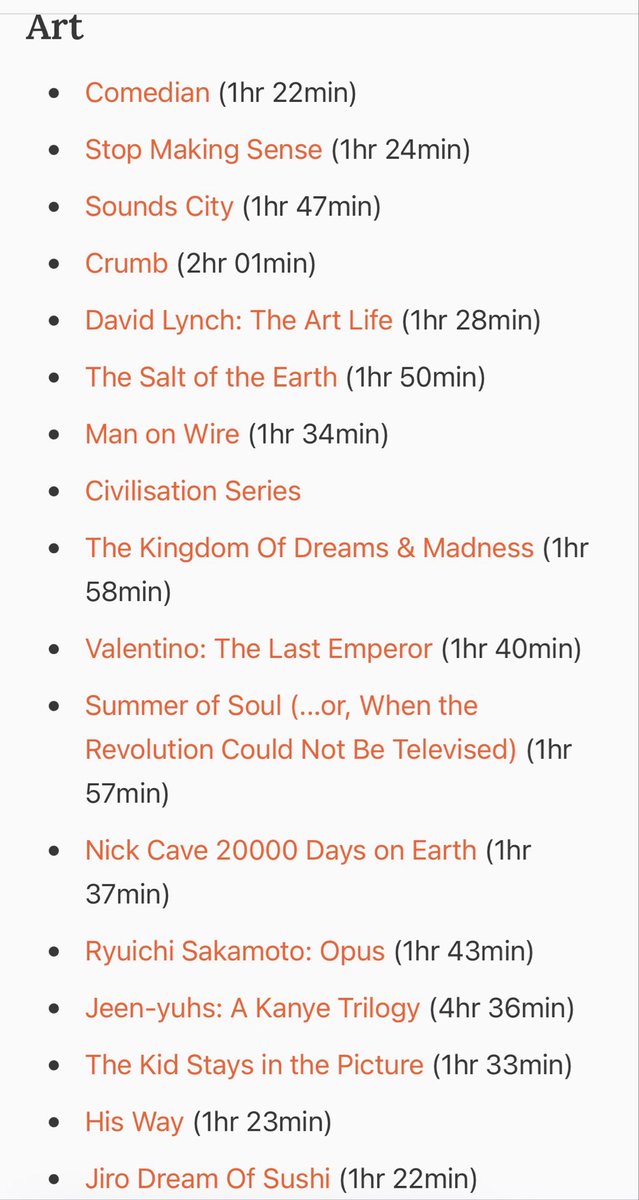
A collection of 30 random films (with subtitles).
Contains:
- 12 Angry Men
- Seven Samurai
- In the Mood for Love
- Taxi Driver
- The Holy Mountain
- Sunset Boulevard
- Chungking Express
- Close Up
- The Human Condition Trilogy
And many more.