The AMGC research group @VUBrussel brings together researchers to answer questions about the past, present and future of the Solar System, Earth and Humankind
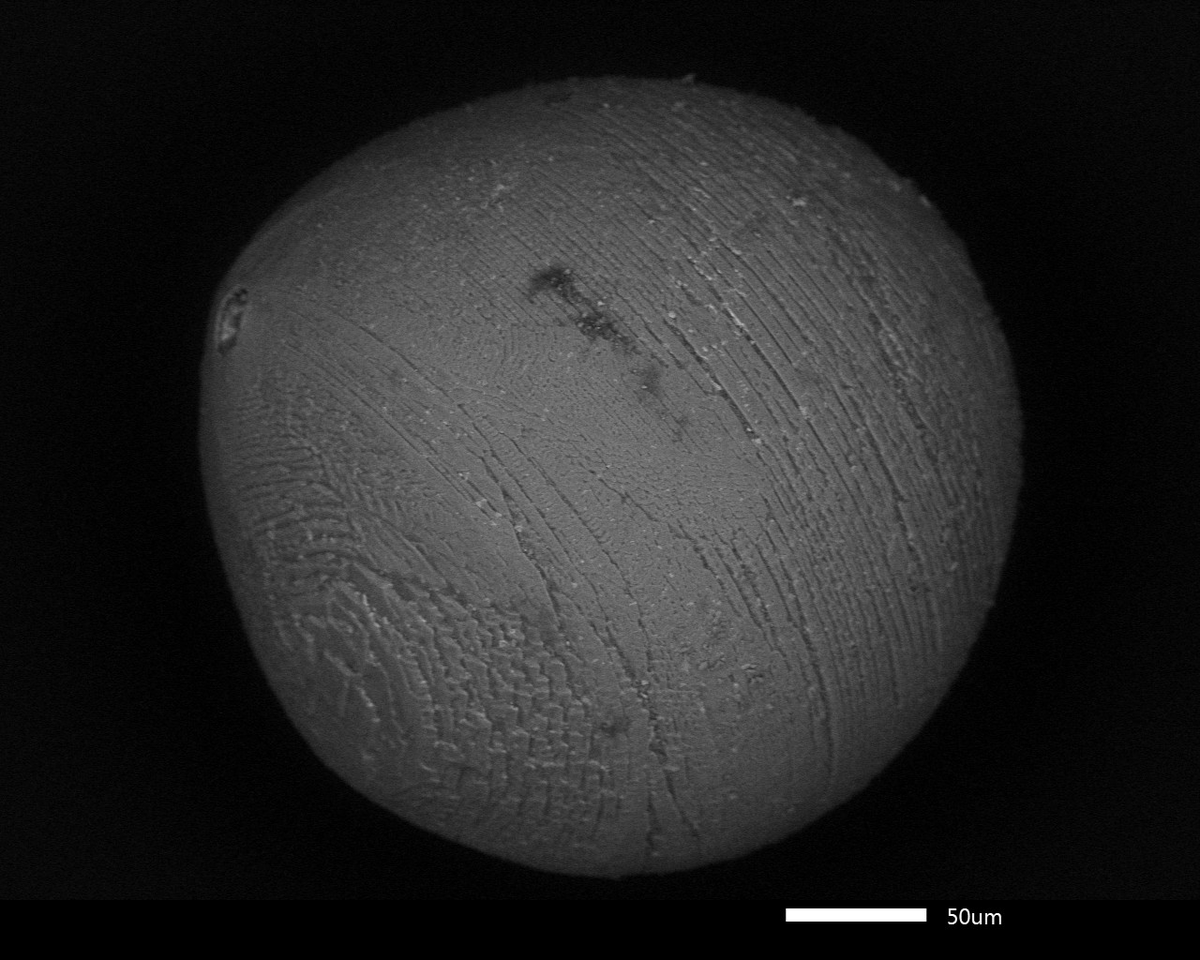
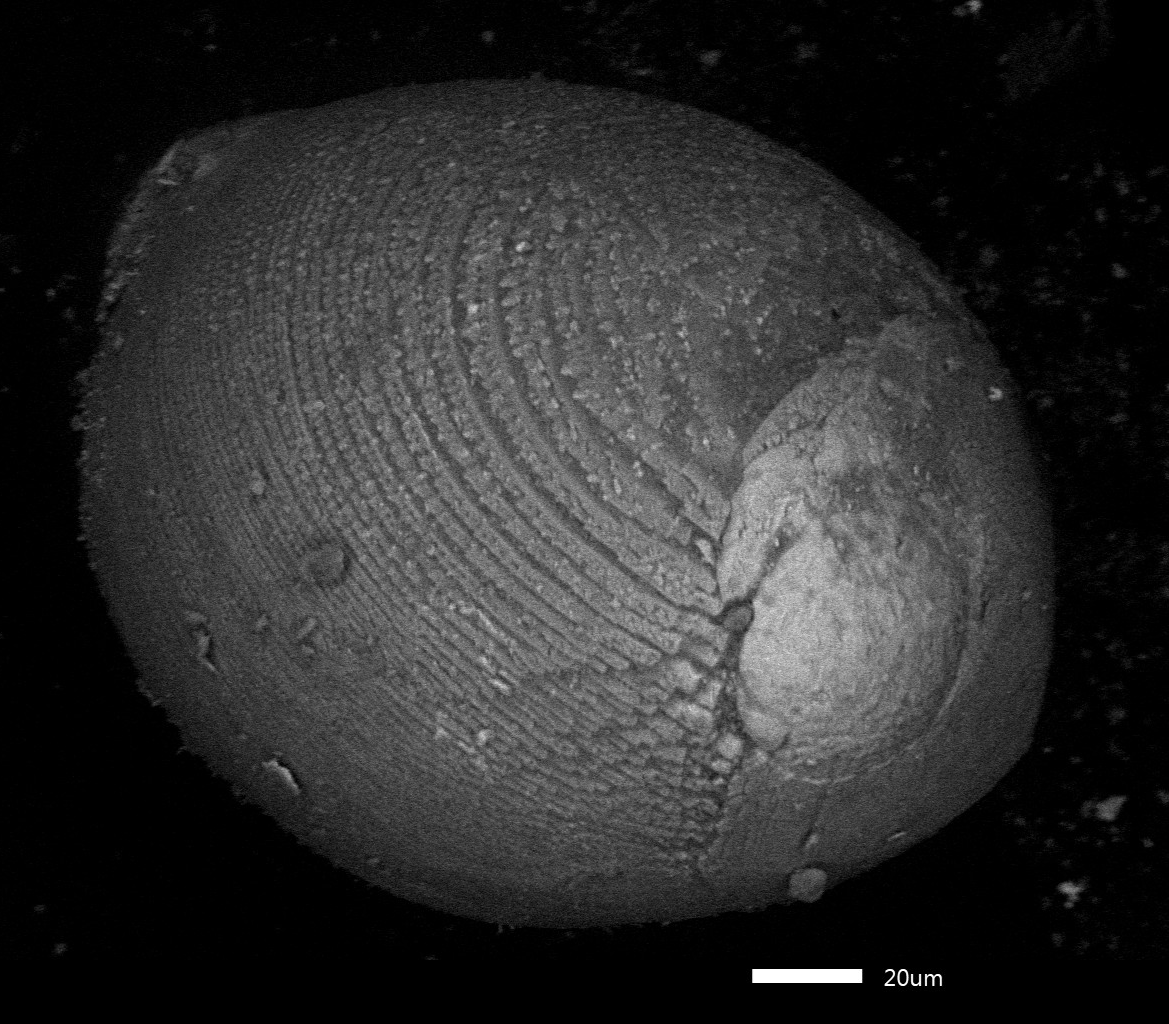
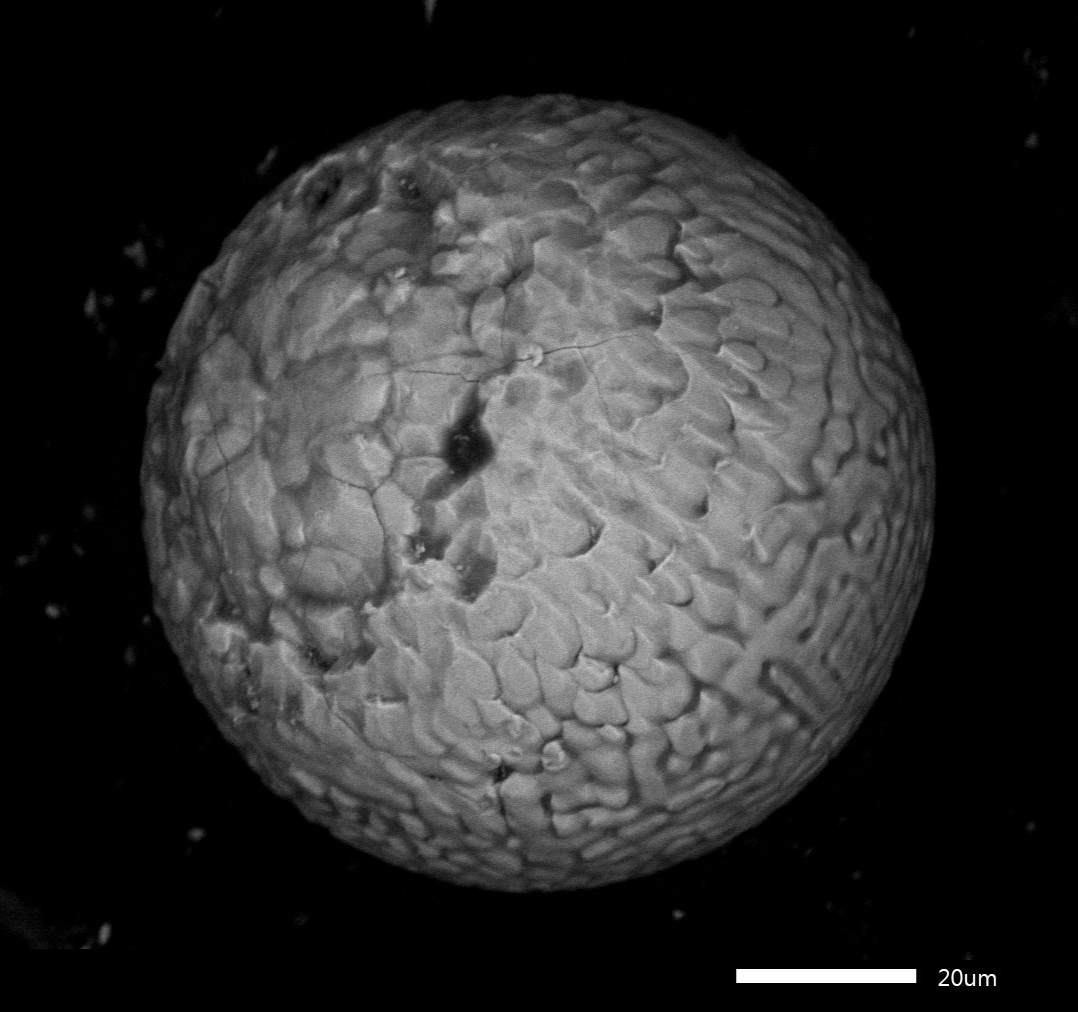
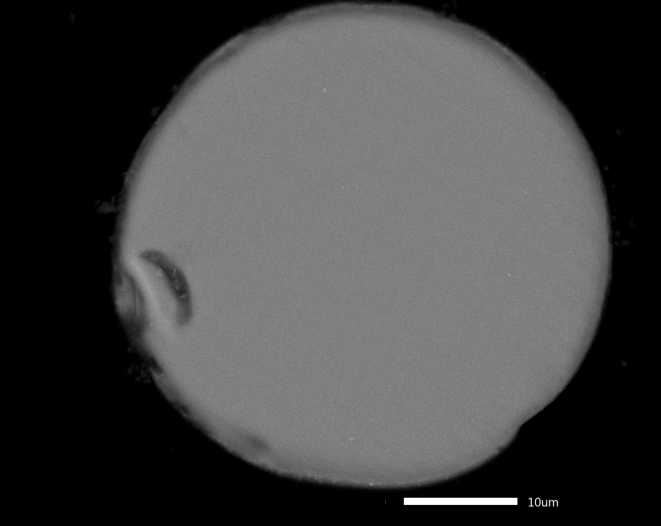
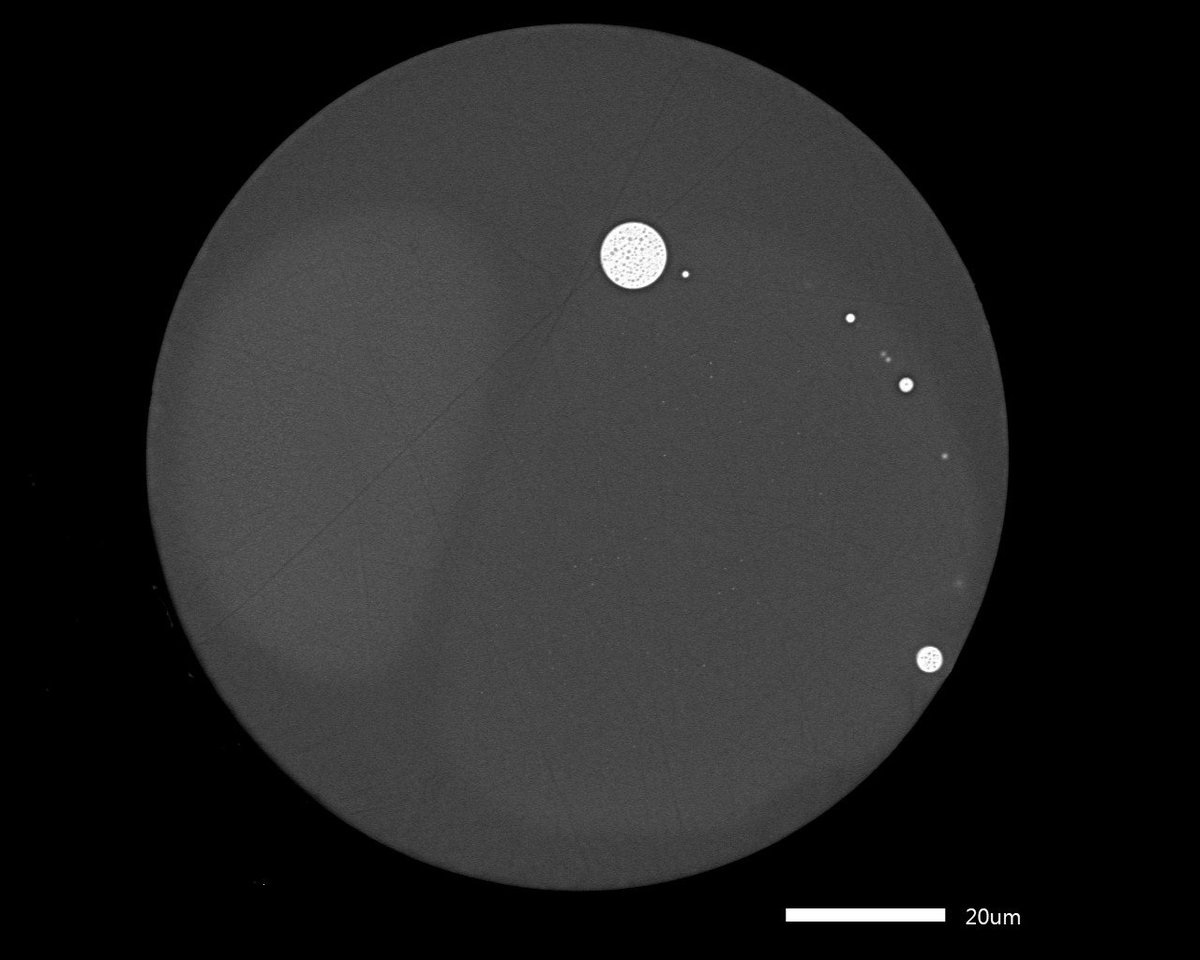
This week’s #MicrometeoriteMonday: another beautiful BO-type cosmic spherule from the #Atacama Desert! Compared to last week's sample, this one is significantly more spherical and lacks an evident FeNiS bead (at least on this side)! ☄️
Tonight, Dr. @GoderisSteven guides us through the fascinating world of fossil micrometeorites in his lecture “Don’t Look Up!”
Already registered? Don’t miss it! ☄️
Not yet? There’s still time to sign up!
🔗 Register here: https://t.co/ltl45D49Ew
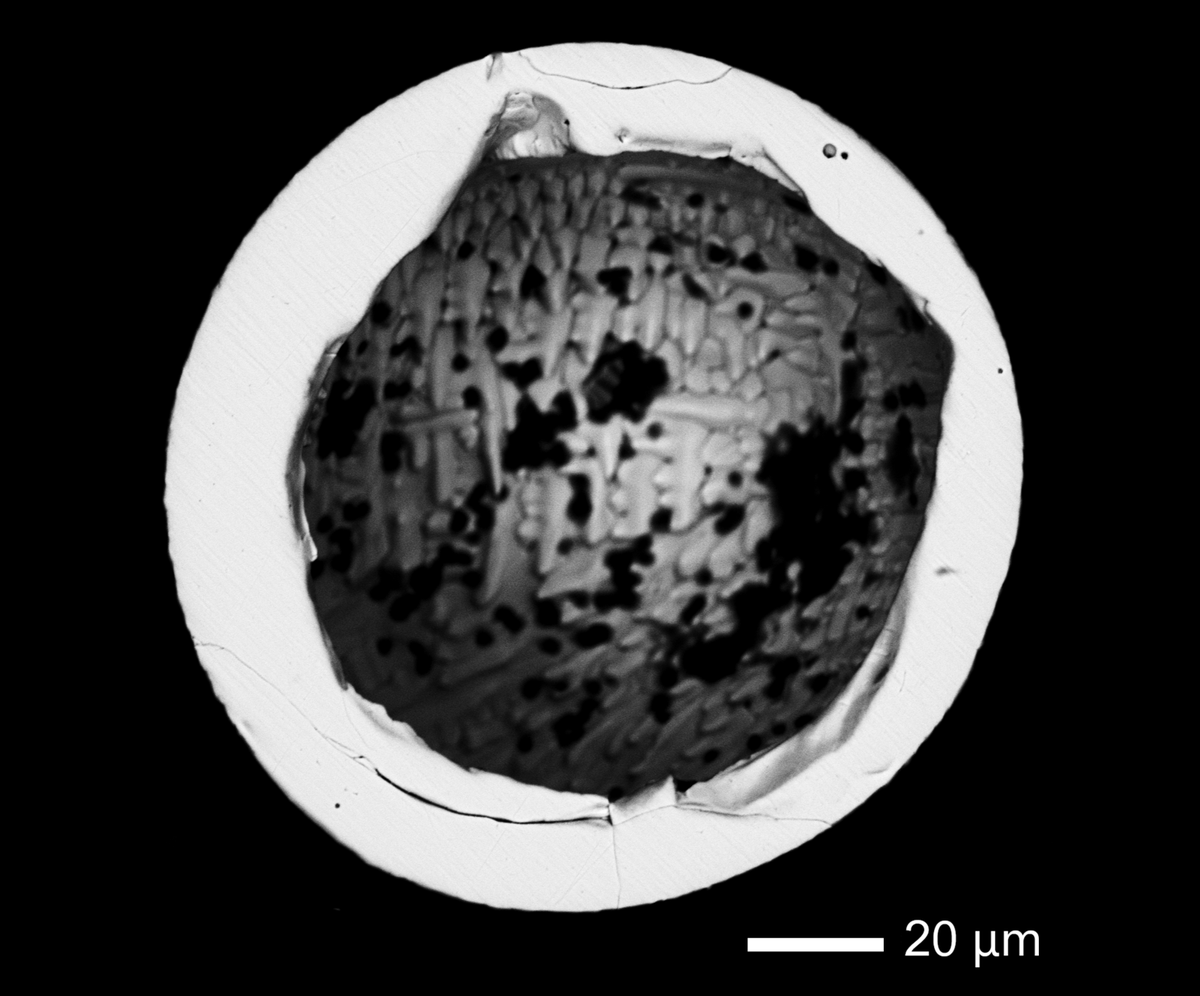
This week’s #MicrometeoriteMonday features a beautiful BO-type cosmic spherule from the #Atacama Desert! Alongside the characteristic olivine striations, this specimen contains a relatively large (and perfectly preserved) FeNiS bead! ☄️
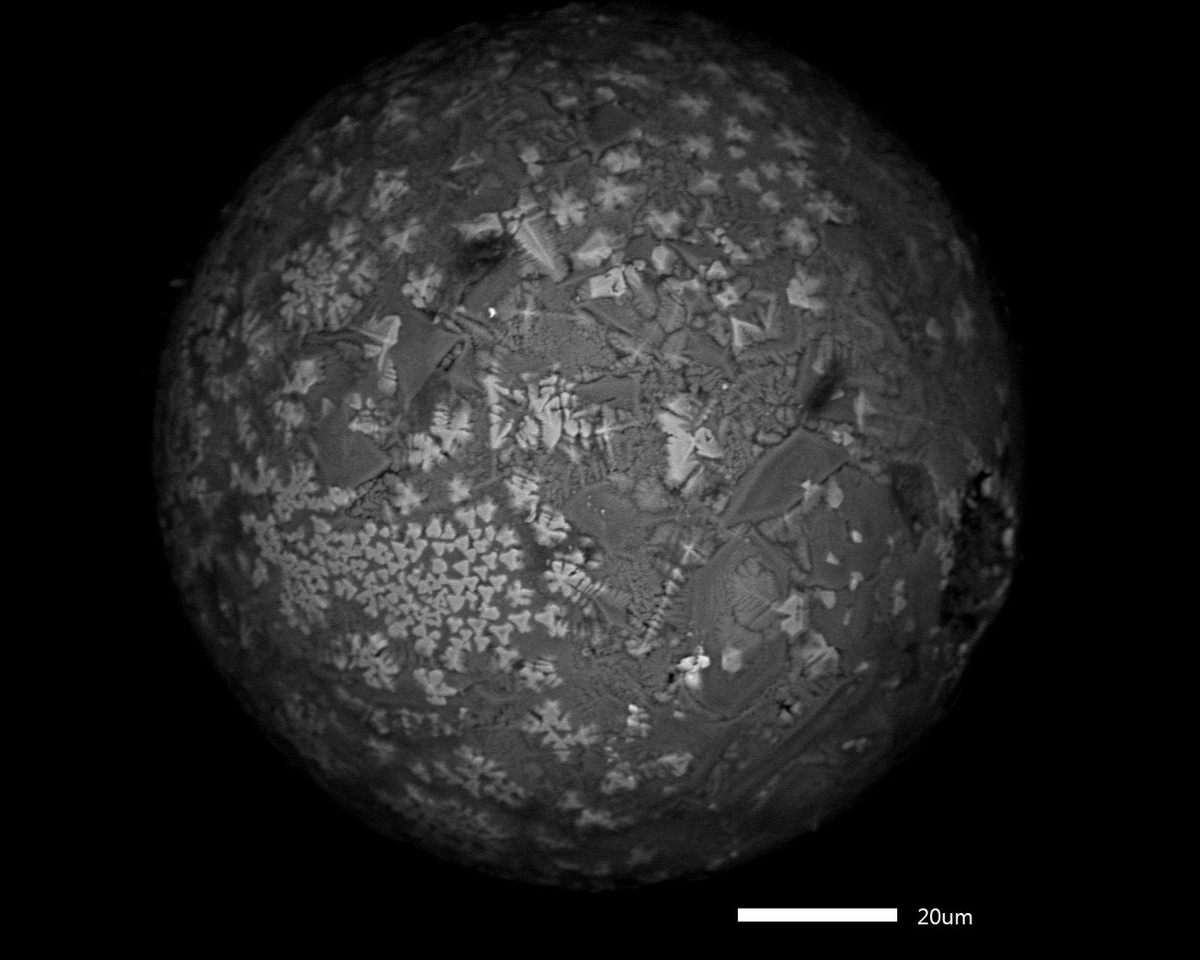
This week’s #MicrometeoriteMonday features a pretty I-type cosmic spherule from the #Atacama Desert! Note its characteristic dendritic texture, as well as a protrusion that is likely caused by an internal FeNi-metal bead. ☄️
This week’s #MicrometeoriteMonday features a spooky little ghost, or more likely, a weathered V-type cosmic spherule! 👻☄️A belated nod to spooky season, this specimen was recovered from loose sediments in Antarctica’s Sør Rondane Mountains! #Pareidolia
In honour of spooky season, this week’s #MicrometeoriteMonday features this rather frightening S-type cosmic spherule of the Porphyritic subtype! Whether its eerie holes are due to weathering or something spookier is beyond our team’s expertise! 👻☄️ #Pareidolia
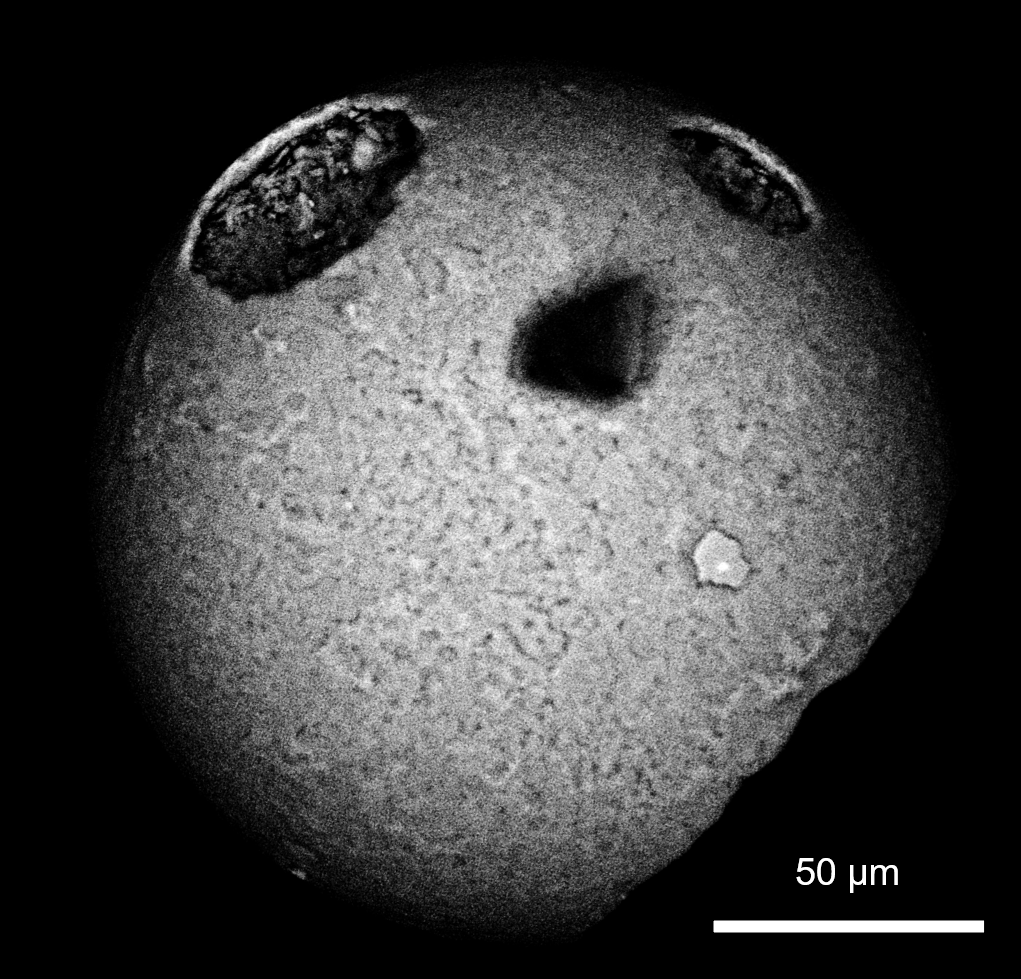
This week’s #MicrometeoriteMonday: A stylish "micrometeorwrong" we found in sediments from the Atacama desert! Though it has the shape of a cosmic spherule, the sample displays a composition and texture atypical of a true #micrometeorite. ☄️
This week’s #MicrometeoriteMonday: A cosmic spherule nested below some terrestrial sediments from Sør Rondane Mountains, Antarctica! Unlike the micrometeorites we commonly post on our account, this one has yet to be classified! ☄️
This week’s #MicrometeoriteMonday: A pretty porphyritic olivine (Po) cosmic spherule from the Sør Rondane Mountains, Antarctica! Though Po spherules are not uncommon, this one stands out for its abundance of small, leaf-like magnetite dendrites. ☄️
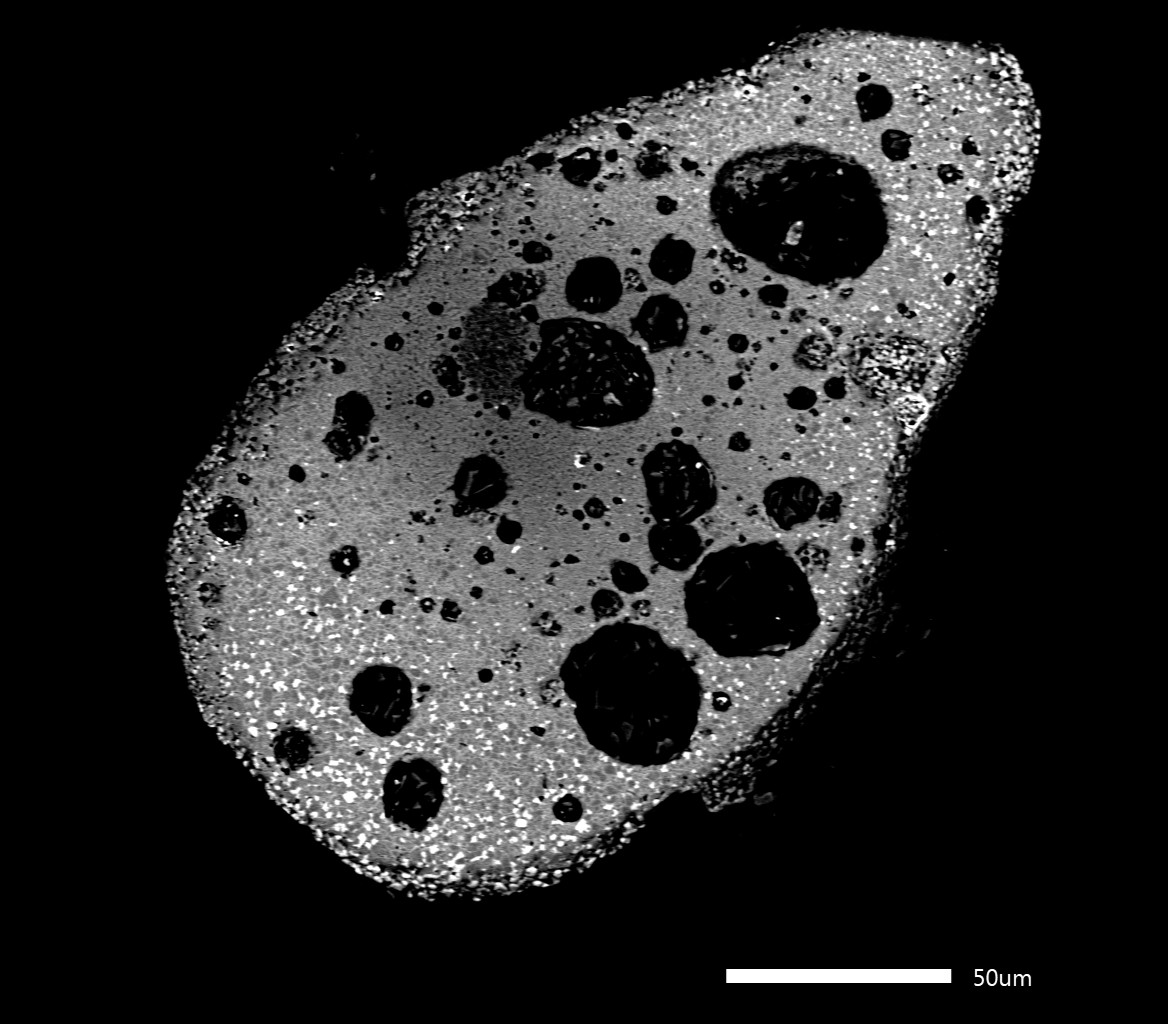
This week’s #MicrometeoriteMonday: A polished scoriaceous micrometeorite from the Sør Rondane Mountains, Antarctica! Unlike fully melted cosmic spherules, scoriaceous micrometeorites are only partially melted and tend to contain abundant vesicles formed by devolatilization. ☄️
This week’s #MicrometeoriteMonday: A polished V-type cosmic spherule from the late Devonian! Though V-types rarely last long on Earth due to weathering, this one seems to have “survived” by being replaced by palagonite: preserving its texture, but not its original mineralogy! ☄️
This week’s #MicrometeoriteMonday: A polished I-type cosmic spherule from the late Devonian! Though corrosion has left a large cavity where an FeNi bead once was, and etched the spherule, remnants of its primary dendritic texture remain visible after nearly 400 million years! ☄️
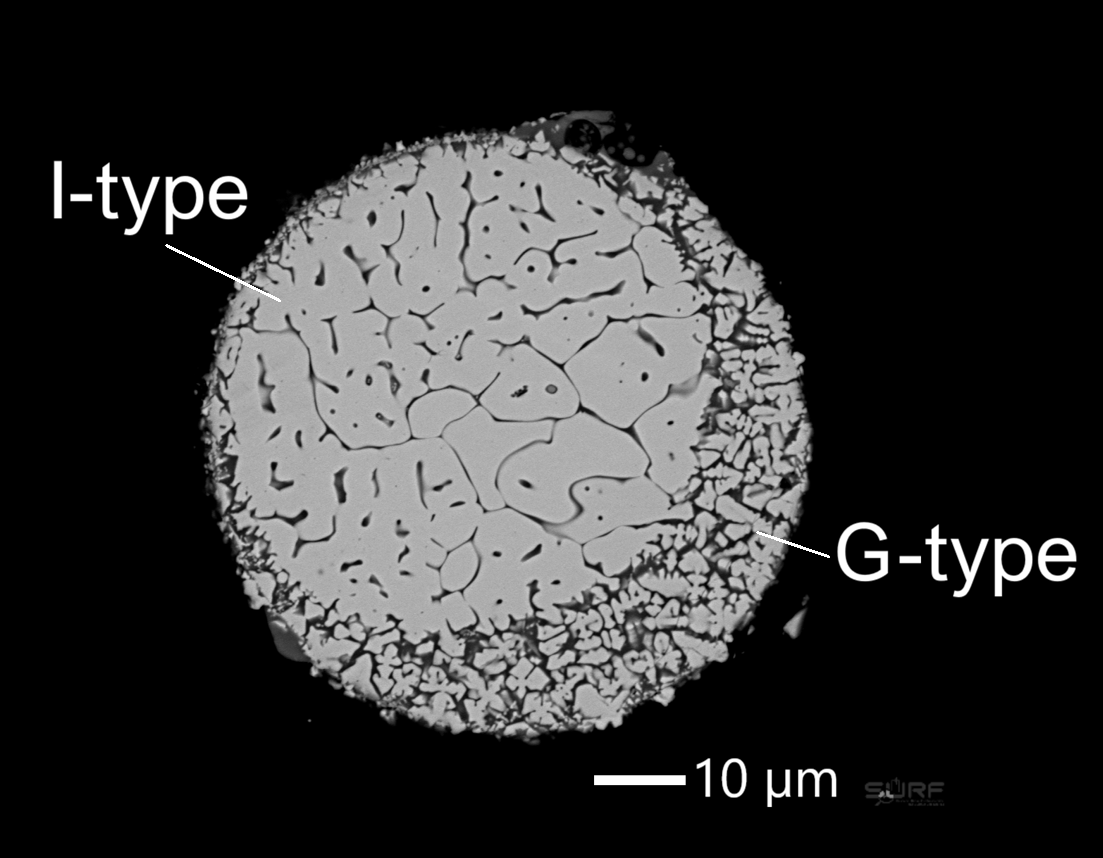
This week’s M. Monday: a rare transitional "I/G-type" cosmic spherule! Indeed, not all cosmic spherules fit neatly into the traditional S-, G-, and I-type categories. After analyzing thousands of samples, you’re bound to encounter a few oddballs that blur the boundaries! 😎☄️
We are back with Micrometeorite Monday! ☄️
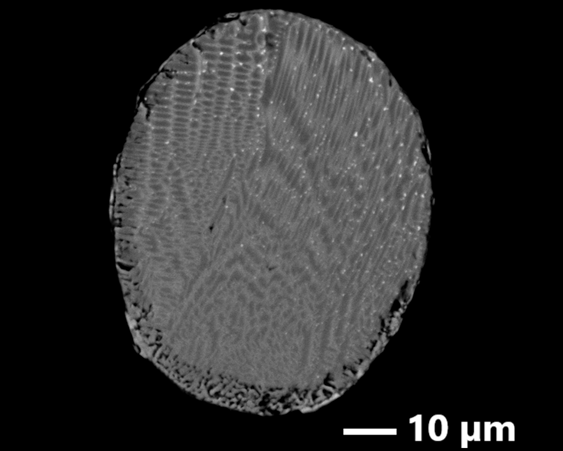
This week’s sample is a rare *fossil* S-type (BO-subtype) cosmic spherule from the Chanxhe collection. While most S-types do not survive the fossilization process, this specimen still preserves part of its original silicate content, a rare find!
This week’s Micrometeorite Monday: A polished section of a V-type cosmic spherule from the Atacama Desert! This cool spherule consists almost entirely of silicate glass, plus several tiny FeNi-metal beads. ☄️
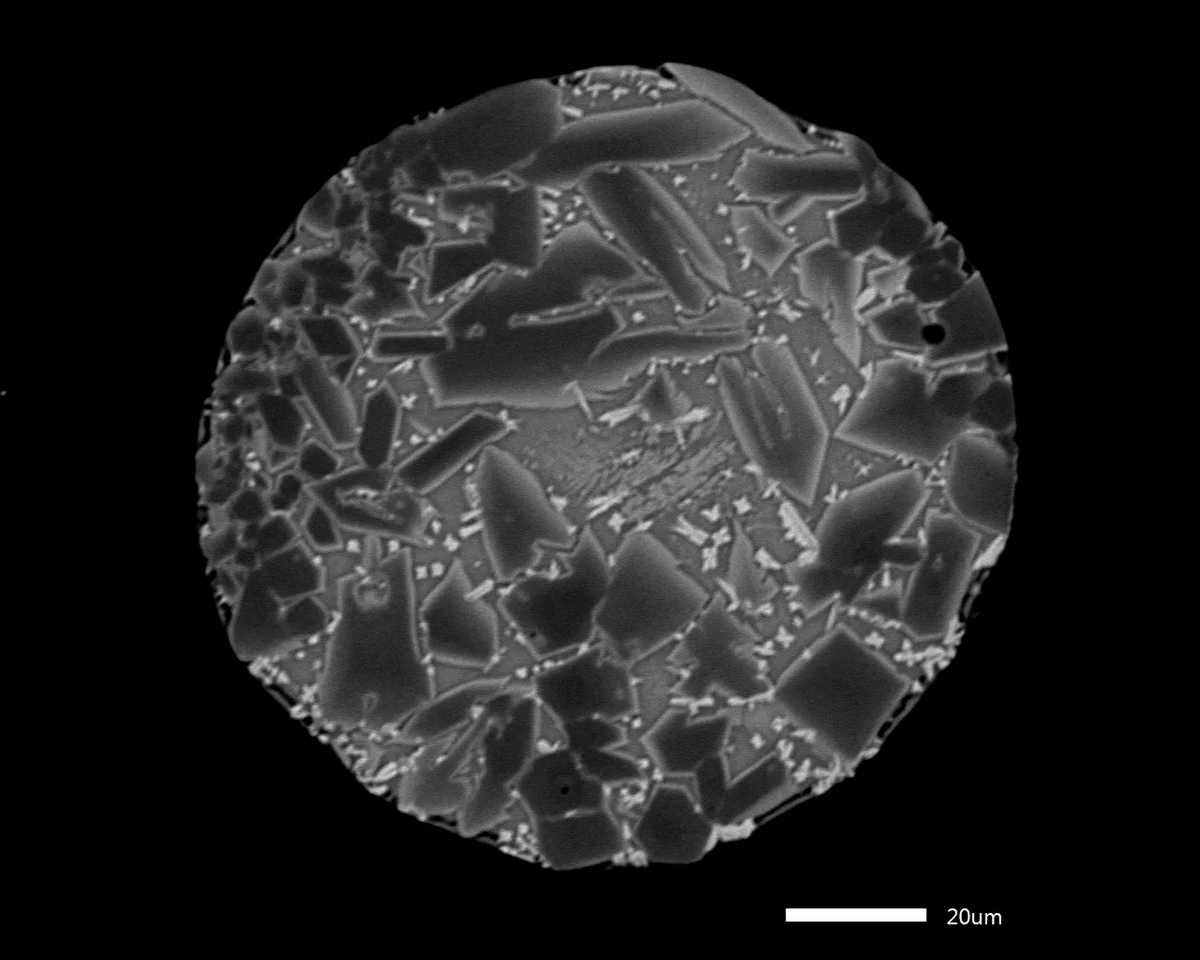
This week’s Micrometeorite Monday: A polished section of a Porphyritic olivine (Po-type) cosmic spherule from the Sør Rondane Mountains (Antarctica), showing typical well-defined olivine crystals in a glassy matrix with scattered magnetite grains ☄️
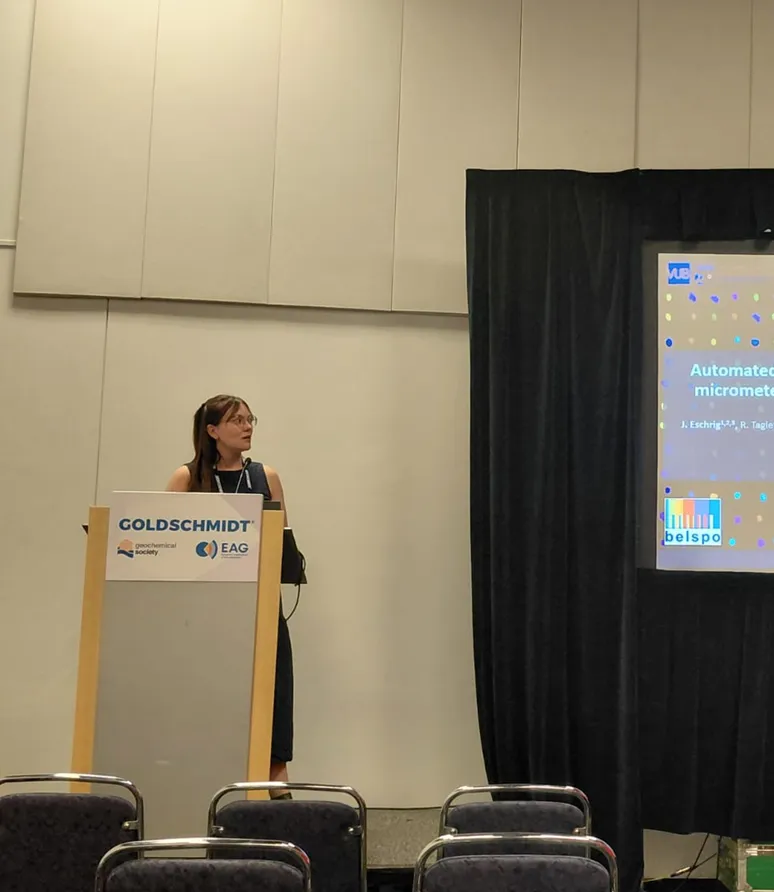
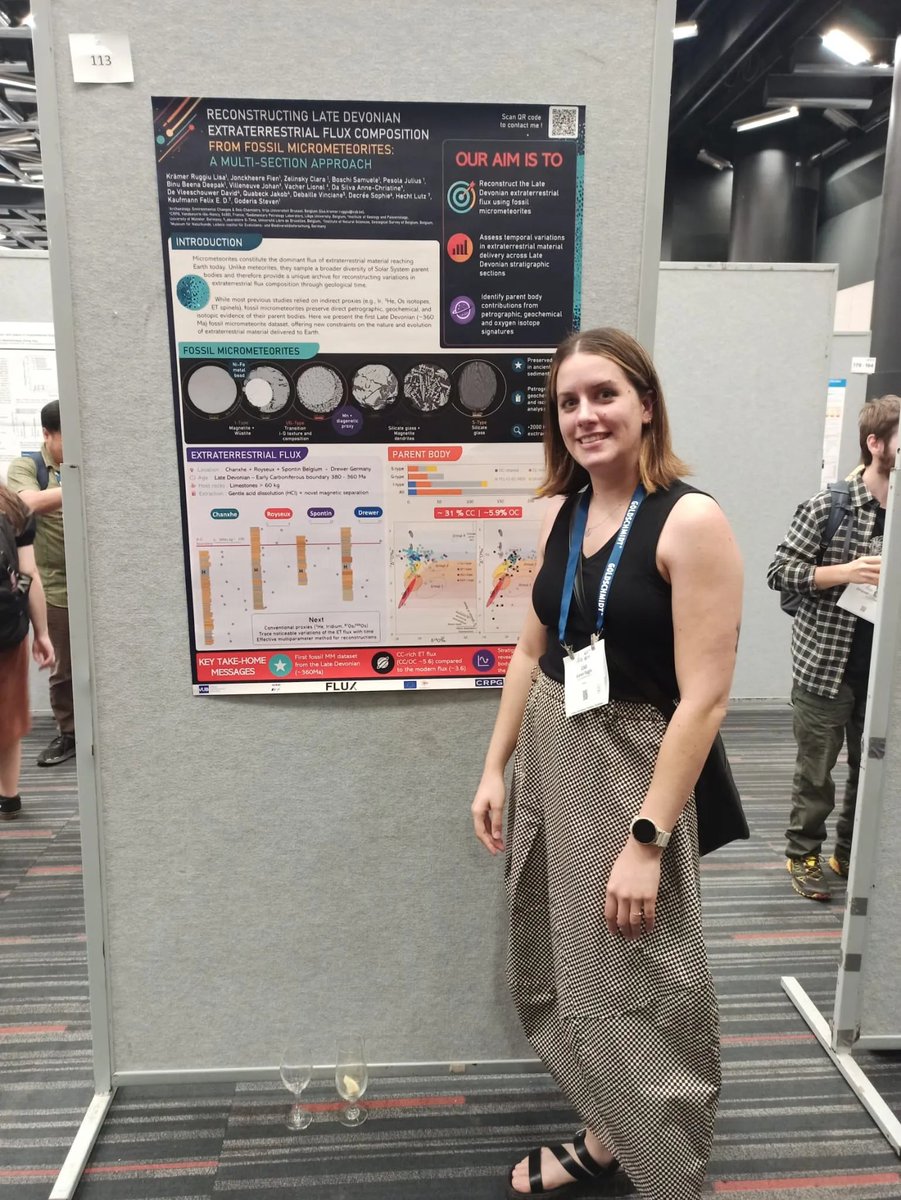
Similarly, project lead Steven Goderis and the postdoctoral researchers did an excellent job presenting their research at Goldschmidt 2026, covering topics from #micrometeorite characterization and preservation, as well as #microtektites! ☄️
Back from Goldschmidt 2026 in #Montréal! We had a great time presenting our ongoing research on modern and fossil #micrometeorites! Our PhD members did an excellent job presenting their work as both posters and talks! ☄️
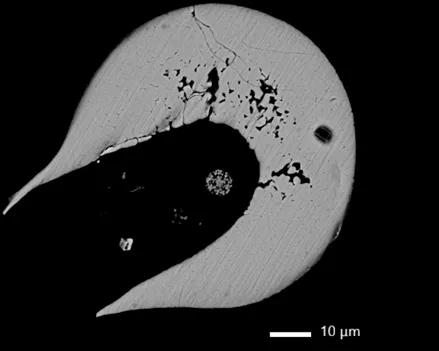
This week’s Micrometeorite Monday: A polished section of a peculiar fossil I-type cosmic spherule from the Chanxhe collection (~380 Ma). Its unusual shape preserves an elongated cavity left by the ejection of a FeNi-metal bead during atmospheric entry! ☄️
This week’s Micrometeorite Monday: Nearly 100 of the ~1,000 Antarctic cosmic spherules on this microscope slide, captured with one of our optical stereoscopes! These tiny extraterrestrial particles measure just 63–125 µm across ☄️