Join me at the The London School of Economics and Political Science (LSE) on Thursday 27th November, 6:30–8:00pm for The Impact Revolution – Fixing the Future, where I’ll be launching the updated edition of my book, IMPACT https://t.co/eYZK53DMNP
My interview with the Prime Minister is OUT!! 😃
Fascinating to hear him talk at length about his personal motivation for rewiring the state, what he wants to encourage and reward in the civil service & the need for transparency & accountability in govt https://t.co/VFlyBzHlVq
Africa in 2025 - A Year of Challenges, Opportunities, and Transformation
As Africa steps into 2025, the continent stands at a decisive crossroads. With a burgeoning youthful population, abundant natural resources, and an increasing role on the global stage, Africa is poised for transformative progress. However, persistent conflicts, deepening economic inequalities, governance deficits, and climate challenges threaten to stall this momentum. This year offers a chance for renewal if leaders, institutions, and citizens seize the moment and drive meaningful change.
Africa’s political landscape reflects a complex mixture of progress and stagnation. While hopeful signs of democratic consolidation are visible in countries like Tanzania, where President Samia Suluhu Hassan enjoys broad approval and appears likely to secure re-election, challenges persist elsewhere. Cameroon remains a glaring example of entrenched authoritarianism. President Paul Biya, the world’s oldest head of state, is expected to seek an eighth term amid widespread allegations of electoral fraud. His rule exemplifies the continent’s struggle with term limits and governance reform, as well as the complicity of global powers that prioritize strategic alliances over democracy.
Similarly, Gabon faces a critical test of its democratic aspirations. Following the 2023 coup that ousted Ali Bongo, interim President Brice Oligui Nguema has introduced constitutional changes allowing his participation in elections while barring other Bongo family members. These developments highlight the fragility of democratic institutions in several African nations and the persistent influence of external powers like France and the United States, which are often more concerned with geopolitical interests than fostering genuine political reform.
Amidst these challenges, the renewal of the African Union’s leadership in 2025 provides an opportunity to strengthen continental governance. The incoming leaders must prioritize conflict prevention, governance reform, and deeper implementation of the African Continental Free Trade Area (AfCFTA).
With Africa’s population projected to reach 1.5 billion in 2025, the continent’s youth represent a powerful force for innovation, entrepreneurship, and societal transformation. However, this demographic dividend remains untapped, as high unemployment and inadequate education systems limit opportunities for millions.
Governments must urgently expand access to education, vocational training, and technology to harness this potential. Investments in agriculture and renewable energy could create jobs and empower young people to drive economic growth. Addressing youth unemployment is not only a social imperative but also a critical factor in preventing instability and ensuring long-term development.
Africa’s economic trajectory in 2025 is a story of resilience tempered by structural challenges. Forty-four countries are expected to grow faster than the global average, with Côte d’Ivoire, Tanzania, and Rwanda leading the way. The AfCFTA remains a key driver of integration and growth, offering opportunities to reduce trade barriers and foster regional collaboration. Yet, progress has been slow, requiring stronger political will and investment in infrastructure to realize its full potential.
Debt remains a significant burden. Many nations allocate more resources to debt servicing than to essential sectors like healthcare and education, undermining efforts to achieve sustainable development. Combating illicit financial flows, diversifying funding sources, and implementing fiscal reforms are urgent priorities.
Conflicts in Sudan, the Sahel, Ethiopia, and the Democratic Republic of Congo continue to displace millions, disrupt economies, and strain humanitarian efforts. The African Union’s “Silencing the Guns” initiative has made limited progress due to a lack of political will and institutional capacity. Addressing the root causes of these conflicts—poverty, inequality, poor governance, and resource mismanagement—is essential for achieving lasting peace.
Climate change compounds these challenges, exacerbating food insecurity, resource competition, and displacement. Africa must adopt proactive measures to build climate resilience, including investments in sustainable agriculture and renewable energy.
On the global stage, Africa’s influence continues to grow. With the African Union now a full member of the G20 and South Africa holding its presidency, the continent has a platform to advocate for equitable financial systems, climate justice, and increased representation in global governance.
Africa’s partnerships with China, BRICS, and Gulf states are also evolving. These alliances offer opportunities for development but must align with the continent’s long-term goals of equity, sustainability, and human rights. Leaders must ensure that these relationships are mutually beneficial and prioritize Africa’s needs.
The African Union’s 2025 theme, “Justice for Africans and People of African Descent Through Reparations,” underscores the importance of addressing historical injustices. Reparations for transatlantic enslavement, colonialism, and apartheid remain critical to Africa’s full decolonization. The AU’s focus on restituting cultural artifacts and advocating for reparatory justice reflects a broader commitment to reclaiming Africa’s history and dignity.
Africa in 2025 stands at a threshold of transformation. The continent’s success will depend on the decisions of its leaders, the resilience of its people, and the strength of its institutions. By prioritizing governance reforms, economic diversification, youth empowerment, and conflict prevention, Africa can chart a course toward inclusive and sustainable development.
The stakes are high, but so is the potential. This year, Africa’s story is still being written. It is an opportunity for progress, resilience, and hope—one that the continent cannot afford to miss. Let 2025 be the year Africa rises to its promise, inspiring not only its people but the world at large. https://t.co/1hEzLM7a5w
“My house was swallowed by a river. A decade later, I own my own house in the city.” Shahinur’s story is one of hope over fate. Listen to @ReshminTV tell this story for BRAC UK’s @BBCRadio4 Appeal and donate now. https://t.co/E4kzkiL5pm
We've partnered with @CoopParty to bring you 'Power in your hands: community ownership driving local growth' at this month's @UKLabour conference. Join us on 23rd to hear from @JimfromOldham@sarahlonglands @ailbhe_mcnabola @DeanaBamford. Find out more 👇
https://t.co/sn6pQ7BM9K
🔑A Community Right to Buy could be a game changer for communities across the UK, putting more buildings & spaces into community hands. But the government needs to get it right. Our report outlines how to make a Community Right to Buy work for everyone 👇 https://t.co/l7iNTYF0RE
@MetCC I want to thank the contact centre for helping me so quickly. The car had been relocated. They told me about https://t.co/zbkyNg0Cva. I am very relieved!
@MetCC I am trying to report my car has been stolen. Online form filled out. Incorrect and unhelpful response received. I need a crime reference number and follow up. Please help
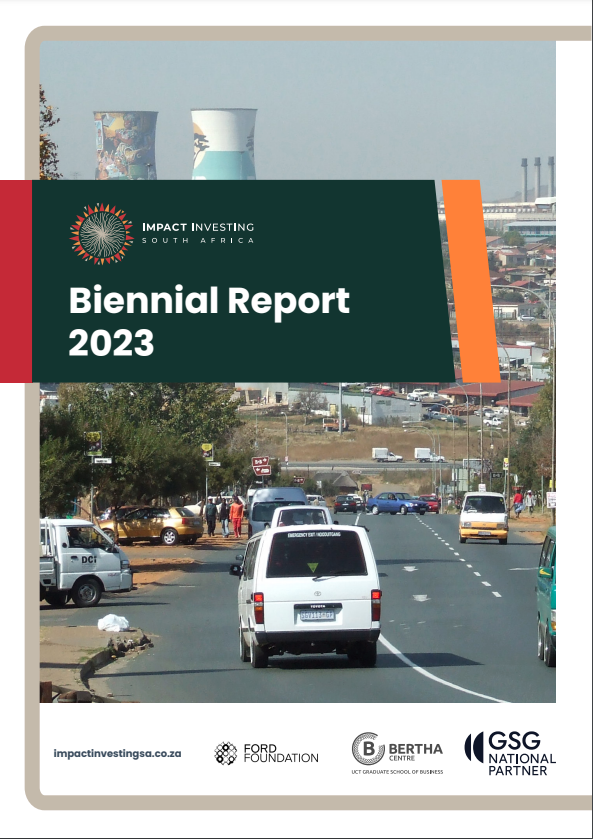
We're thrilled to release our 2023 Biennial Report!
Discover our journey over the past couple of years and our forward-looking strategy: https://t.co/AZ79XBPaZa
#ImpactInvesting#BiennialReport
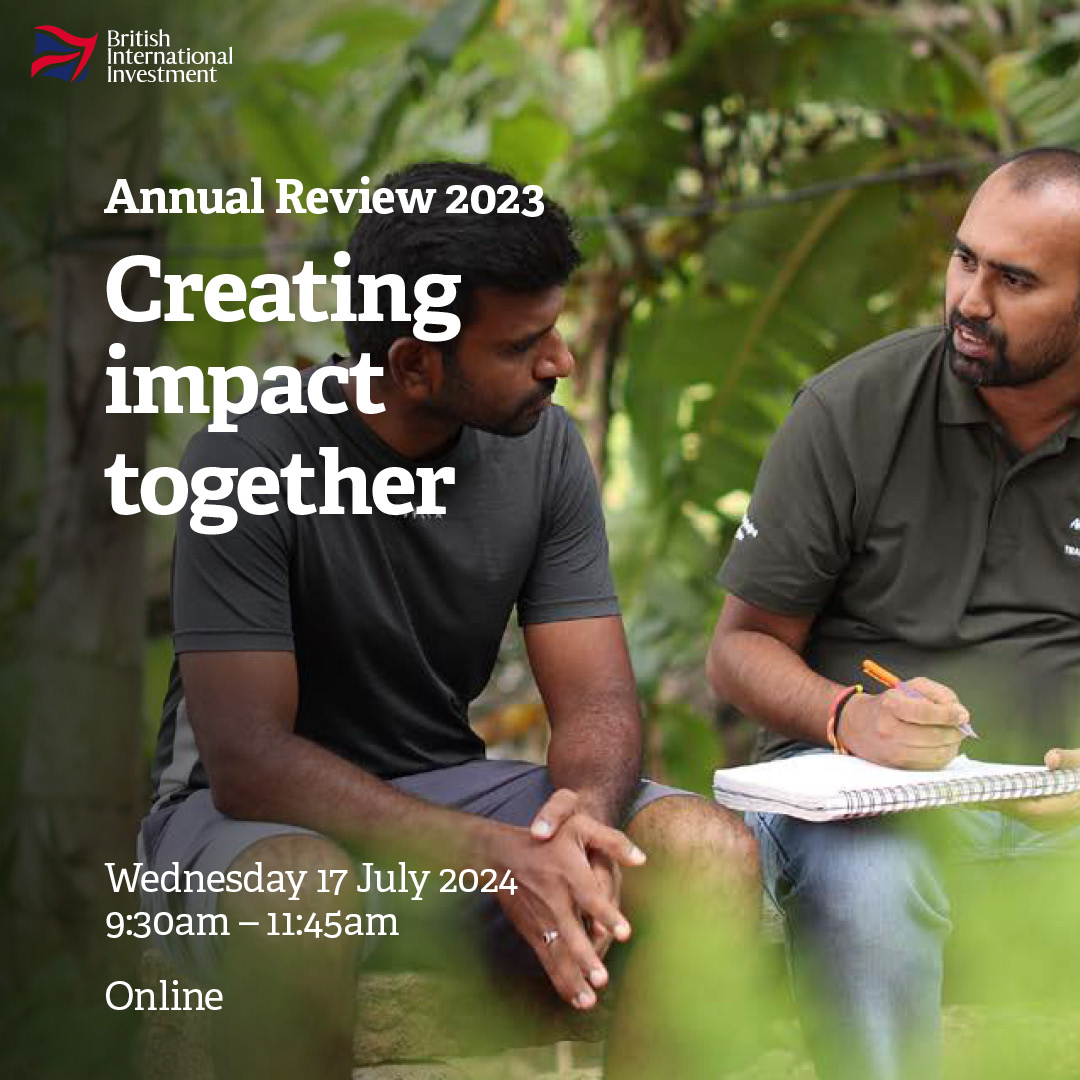
📅 🕤 Join us on 17 July for a special event to mark the publication of our 2023 Annual Review: Creating impact together.
Hear from our leadership team as well as partners from Africa and Asia as we reflect on the previous year’s milestones, successes and challenges.
COMMUNITY ENERGY FORTNIGHT ☀️ | Have you watched this? 👇
We tested an innovative model for community energy, through the Community Owned Renewable Energy (CORE) partnership alongside @BetterSocCap and @FinanceEarth 🔋
https://t.co/hYbDl6U7vg
📅 Join us on Wednesday 17 July for a special event to mark the publication of our 2023 Annual Review, ‘Creating impact together’ 🤝.
Join our Chair, CEO and partners as we explore key milestones, successes and challenges from the past year.
🔗Register: https://t.co/3Vqzovv8kW