We preserve, promote and display the military heritage of South Australia.
Museum open every Sunday from 11am to 3pm and Mondays and Wednesdays 11am to 2pm.
Past. Present. Army.
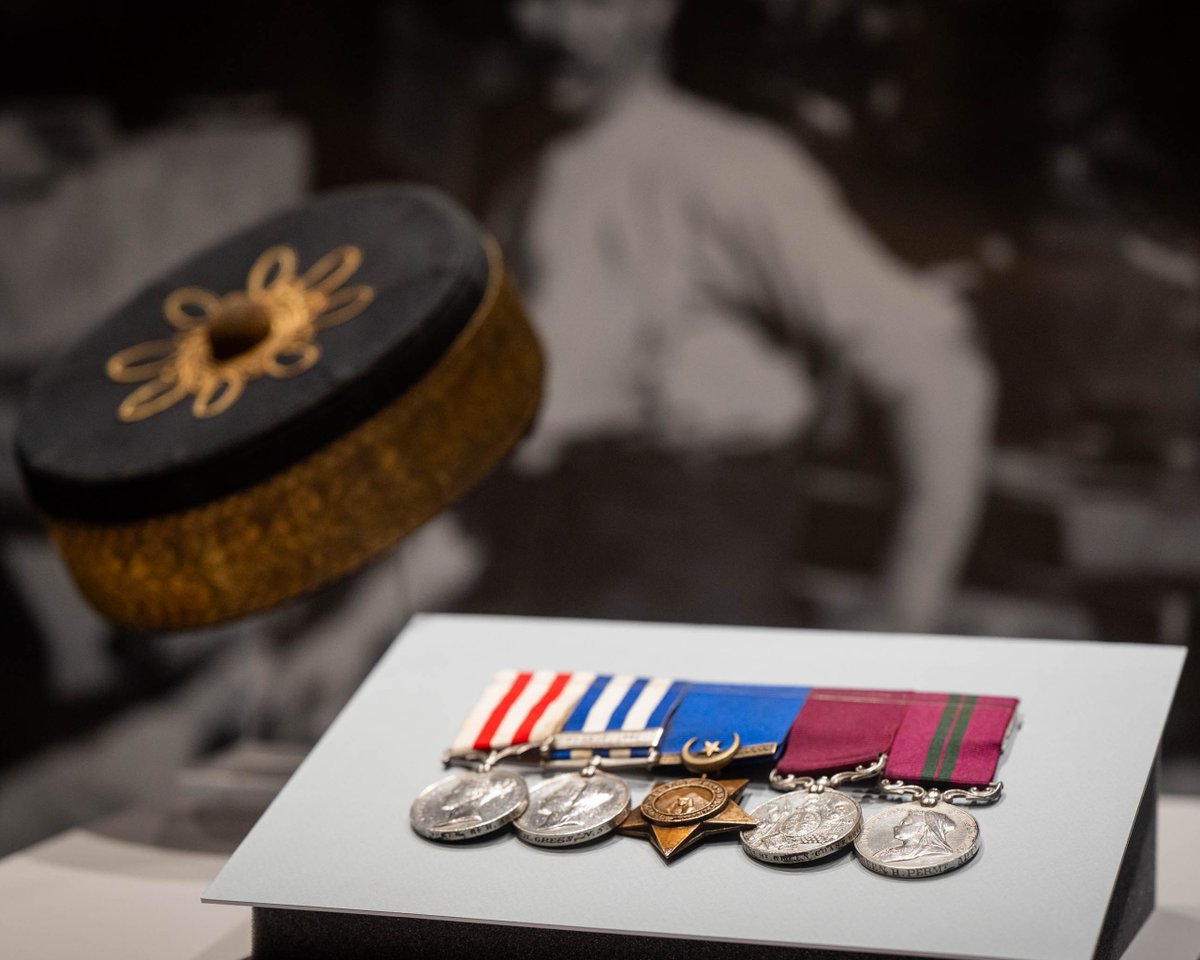
On International Museum Day, we spotlight #AusArmy’s museums – where the stories, people and moments that shaped our Army are preserved.
📸 SGT Campbell Myers
Died on this date - (Aust)Private Reuben Stephen Blake (b. 1894; Bulls Creek, Sth Aust), Service number 2298, embarked from Fremantle, Western Australia on HMAT Port Macquarie (A39) on 13 Oct 1916 with 44th Infantry Battalion, 4th Reinforcements & disembarked at Plymouth, England
Died on this date – 26 January
Remembering the 6 Australian WW1 deaths on this date buried in UK & Ireland – their stories have been told previously….
Congratulations to all 32 soldiers acknowledged in the Australia Day honours.
Their service alongside #YourADF reflects the professionalism & leadership that defines #AusArmy.
See the full list 📰 https://t.co/BlJZDnXn7n
On 9th January, the last Allied troops left the shores of the Dardanelles, concluding one of the First World War’s most infamous episodes: The Gallipoli Campaign.
Lone Pine in the southern part of the ANZAC zone of attack was a strategically important plateau. Australian forces had briefly captured it during the April landings, but it was retaken and held by Ottoman forces between May-July. By then, Lone Pine was known as Bloody Ridge (“Kanli Sirt” in Turkish). Some 1,167 Commonwealth burials lie within Lone Pine Cemetery. 504 of these casualties are unidentified, and their names will be on one of the many memorials to the missing scattered around Gallipoli.
The Army Museum Puckapunyal serves as the custodian for the stories of those who served. Housing the heritage collections of both the Royal Australian Armoured Corps and the Royal Regiment of Australian Artillery, the museum preserves a legacy spanning from the 1870s through to the 21st Century.
These collections stand as a testament to the innovation, courage and sacrifice that have shaped our nation's defence.
#YourADF
Died on this date - (Aust) Private George Noble (b. 1895; Reedbeds, Fulham, Sth Aust), Service number 4754, embarked from Melbourne, Victoria on HMAT Wandilla (A62) on 15 June 1915 with 3rd Australian General Hospital – 1st Reinforcements.
On 27 Jan 1916 he disembarked at
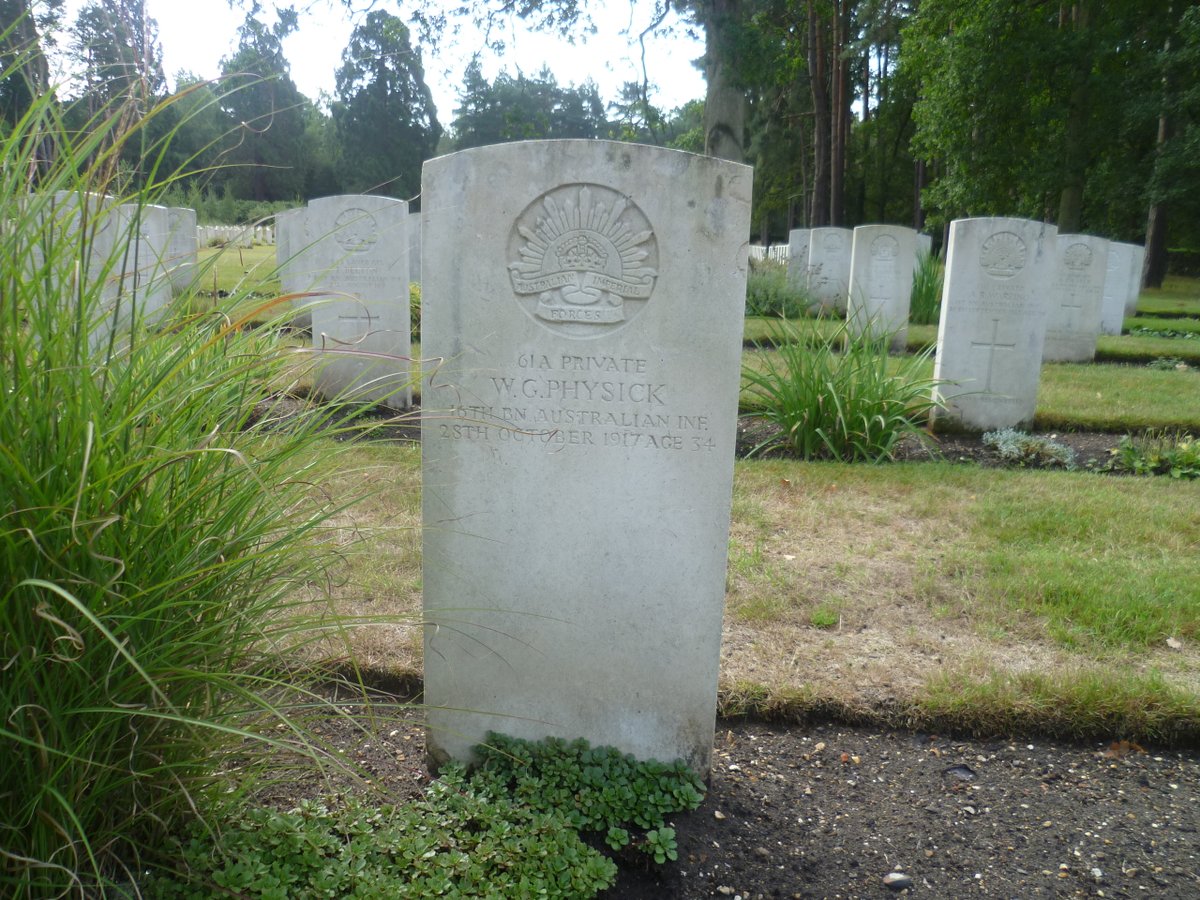
Died on this date - Driver William Gordon Physick (b. 1886; Muswell Hill, England; came to Australia in 1911), Service number 61, embarked from Adelaide, Sth Australia on HMAT Port Lincoln (A17) on 22 Oct 1914 with 3rd Light Horse Regiment - Machine Gun Section & disembarked
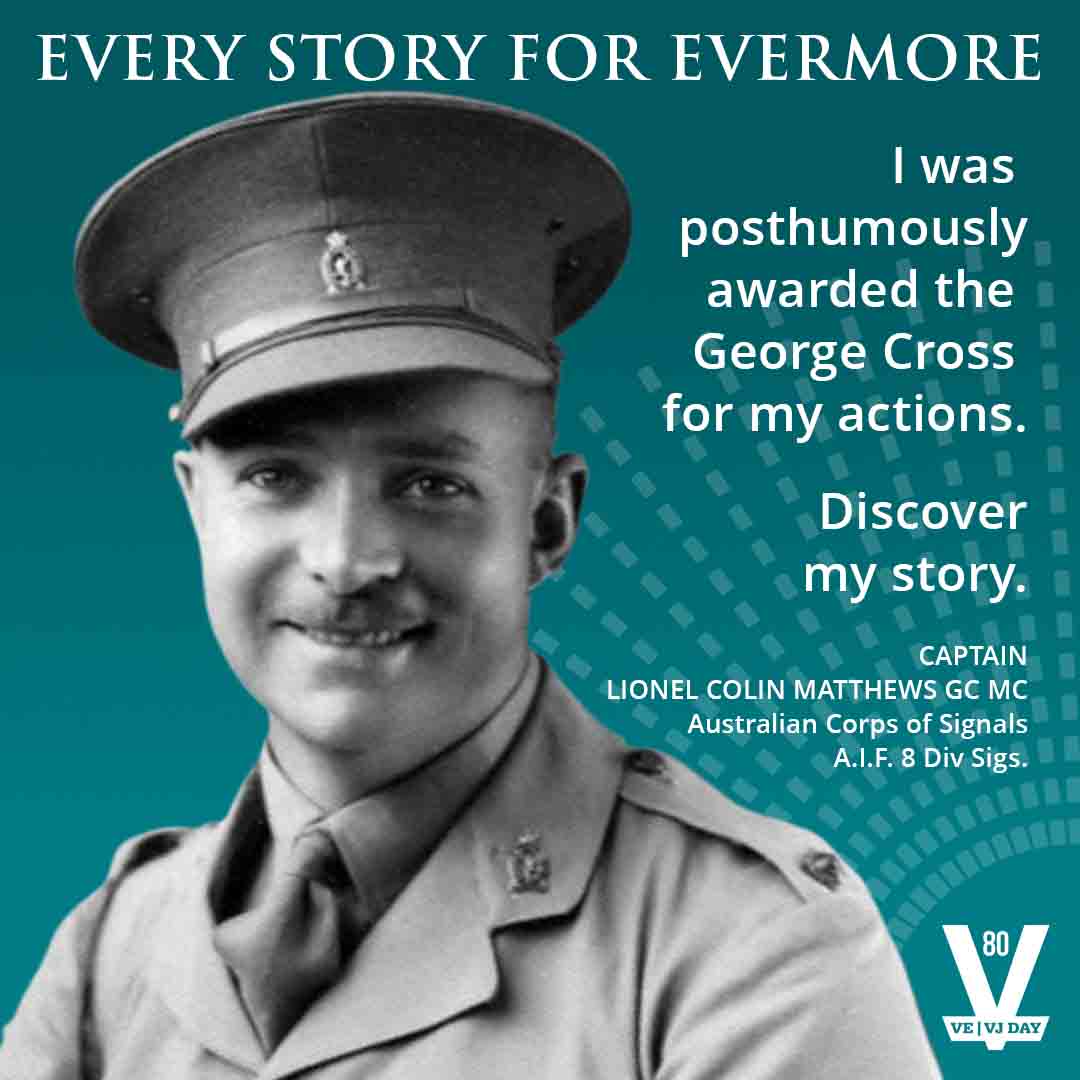
Lionel Colin Matthews was born in Stepney, South Australia on 15 August 1912.
From the London Gazette of 25th November 1947: "The King has been graciously pleased, on the advice of His Majesty's Australian Ministers, to approve the posthumous award of the George Cross, in recognition of gallant and distinguished services whilst a prisoner of war in Japanese hands."
"Captain Matthews was taken as a prisoner of the Japanese at Changi and subsequently sent to Borneo with a work party. Soon after arrival he began to organise and equip the so-called "British North Borneo Armed Constabulary" to be held ready for uprising in the event of an Allied landing. He concerned himself with many "underground" activities and arranged supplies of medicines into prisoner-of-war camps and ran a radio news service. He was in contact with the Philippines guerrilla forces and organised escape parties, with which he himself could well have escaped. He was arrested and subjected to starvation and torture in an attempt to make him betray his contacts but made no implications. He was eventually executed by the Japanese for his brave actions."
📲Discover his story on For Evermore
New Crown, who dis? 👑👑
#YourADF is updating logos & images with King Charles III’s Tudor Crown, replacing Queen Elizabeth II’s St Edward’s Crown.
Read more 📰 https://t.co/CE8qmKgqcS
🅾🅽 🆃🅷🅸🆂 🅳🅰🆈
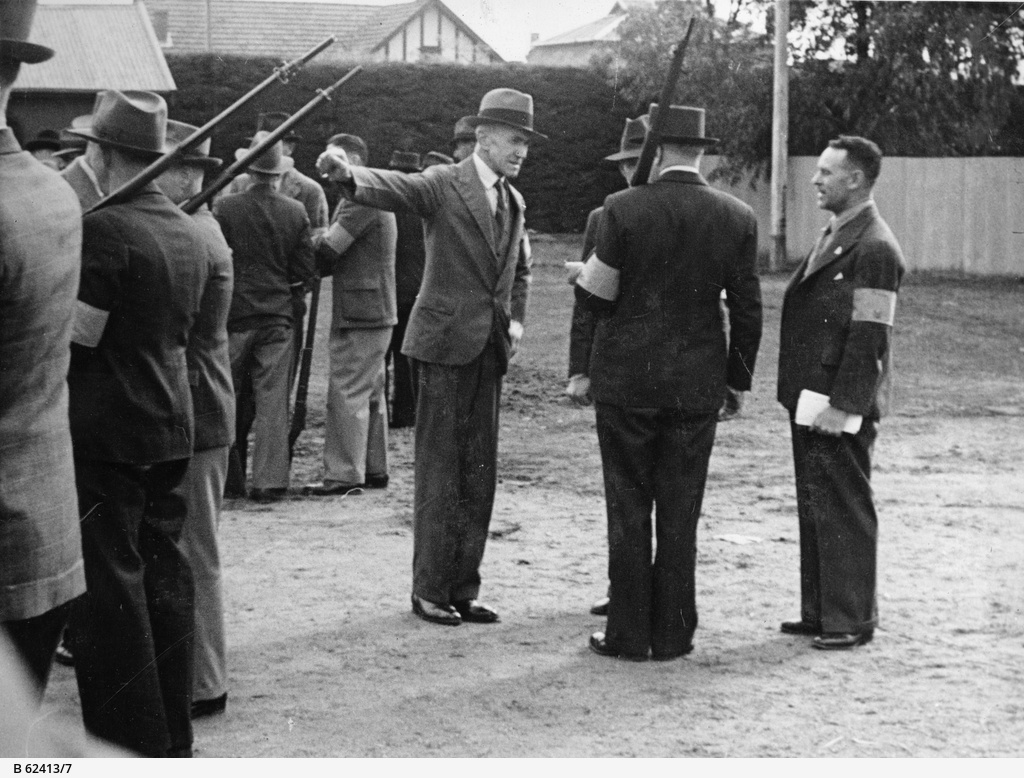
JULY 20, 1940: Members of the South Australian branch of the VDC (4MD) awaiting the issue of armbands - 'an important matter of dressing'. #SouthAustralia#VDC#WW2 🇦🇺
Image source: https://t.co/q1j8YEBMOC
🇦🇺 Alexander John Hunter was born on 12 September 1924 in Adelaide, South Australia. Prior to his enlistment, he was a sheet metal worker in Stockman Plumbing and Sheet Metal Works, Hyde Park, Adelaide. Alexander enlisted in the Royal Australian Air Force on 27 April 1943.
Alexander was known as ‘Junior’ on the squadron which moved to Labuan, Borneo later that month. On 8 August 1945, he was part of a long-range strike on Kuching in Sarawak. The war in the Pacific ended on 15 August 1945, and his squadron was selected as part of the British Commonwealth Occupation Force (BCOF) in Japan.
📲Discover his story on For Evermore
Vale Colonel Peter Scott DSO OAM MID (Ret’d)
Today in Adelaide, we farewelled a great South Australian - a dedicated servant of his nation, whose life was defined by courage, leadership and selflessness.
https://t.co/sf3sHyDCCa
Our latest video is now available on YouTube, developed with our friends at @BattleguideVT it tells the story of the landings at Helles.
https://t.co/75moXl6EP4
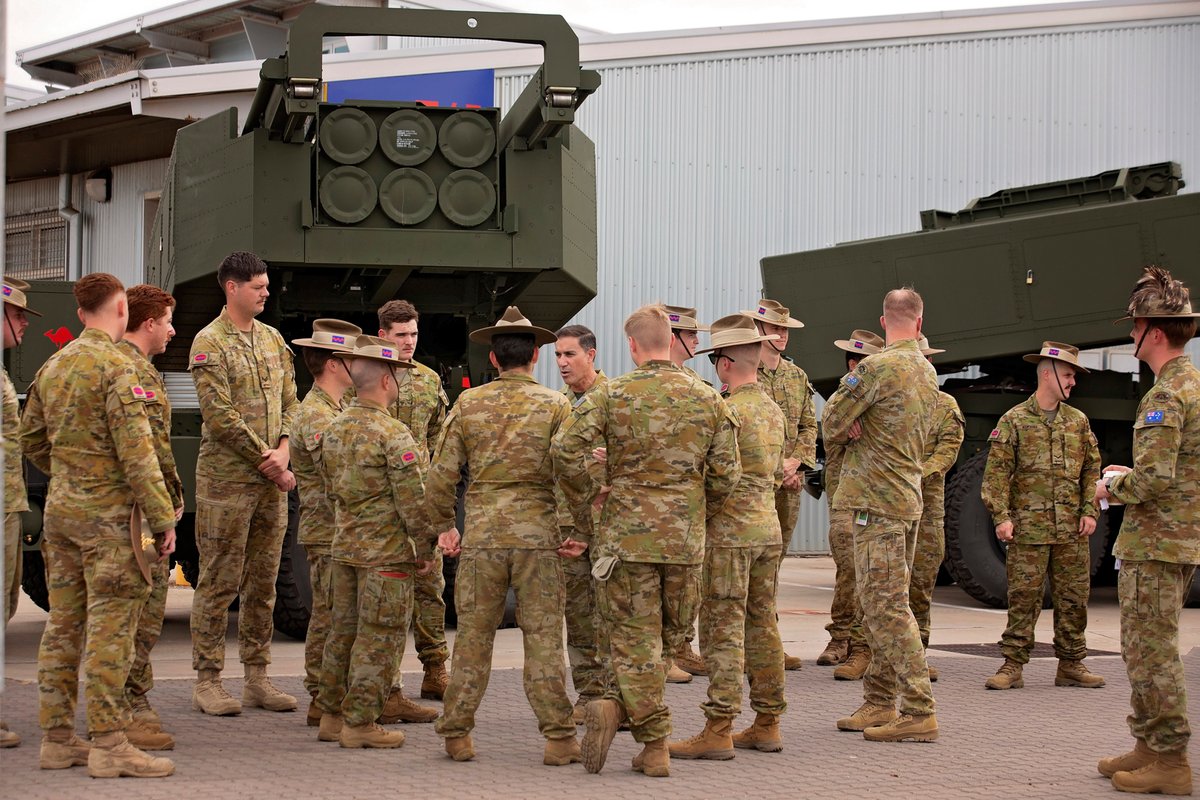
10 Brigade locked and loaded 💥💥💥
Our newest Brigade has begun to receive its HIMARS and NASAMS weapons systems, able to strike targets more than 500km away.
Died on this date - Private Maurice Burbidge (b. 1894; Singapore Straits Settlements; came to Australia when he was about 22), Service number 56, embarked from Adelaide, South Australia on HMAT Geelong (A2) on 18 Nov 1915 with 8th Infantry Brigade, 32nd Infantry Battalion,