The ‘Aber 5’, the late Andrew Linklater +4 of his students @InterpolAber, wrote @E_IR about 5 global crises from the viewpoint of #ProcessSociology. We discuss how Process Sociology can talk to IR debates. You can read them all ⬇️ https://t.co/wyD4IrxejG
@AlexKouts and the late Andrew Linklater edited & complied short essays on Process Sociology & IR written by the Aberystwyth 5 including pieces by @AndreSaramago @AdriannaKapek and myself for @E_IR showing conceptual consistency with empirical diversity
https://t.co/RFy5UQjCmy
@hanshare @InterpolAber Don't be too hard on yourself, focus on the experiences you shared with Andrew, write them down in a notebook if need be. We all had our own unique relationship with Andrew during our PhD journeys. Embrace your special bond and trust your memory.
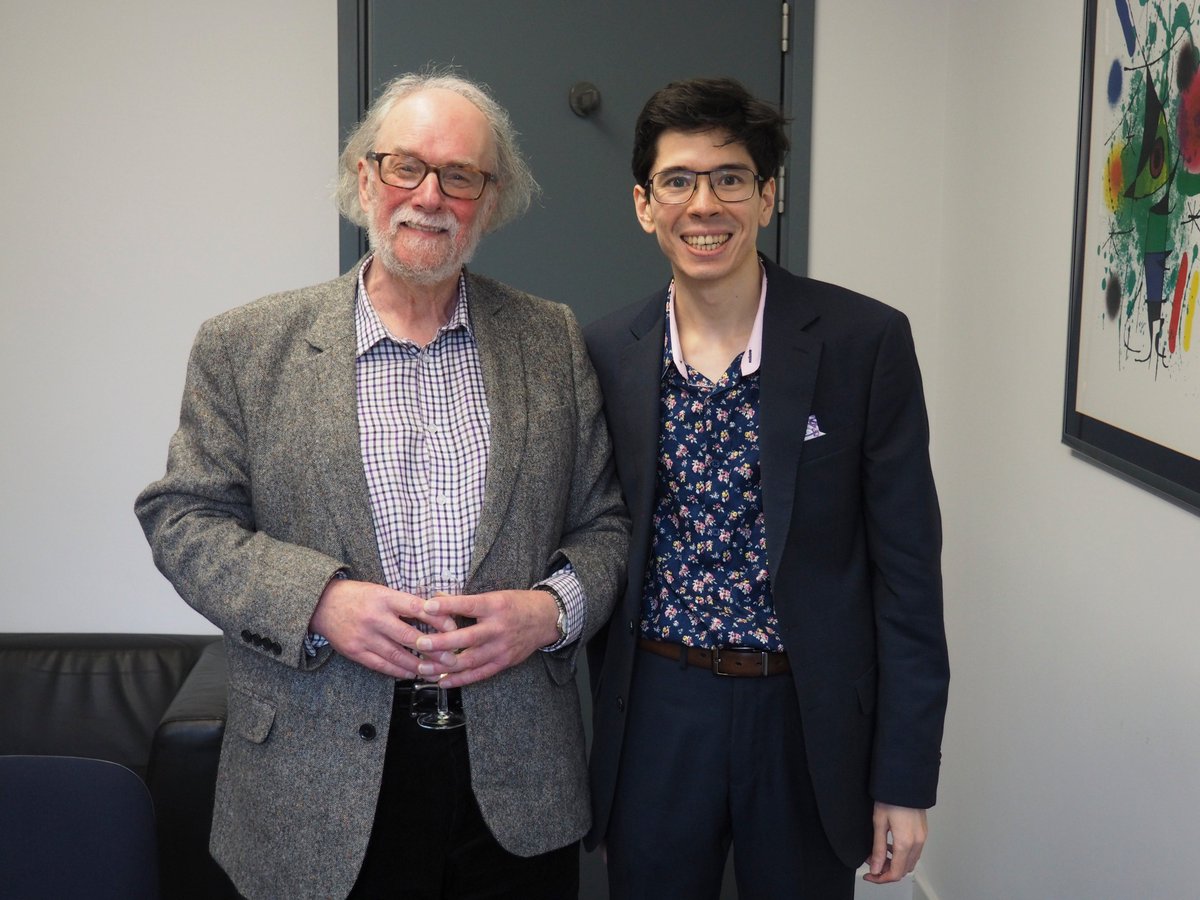
@hanshare @InterpolAber Thanks! Post-viva there are a few long minutes as the paperwork is being signed, so I seized that moment to dash up the stairs to Andrew's office for my camera.
Published! A review of Jan Stöckmann's The Architects of International Relations. A historiographical inquiry that concludes with a sociological question on how societies are organised affect their responses to wider international relations. https://t.co/5YEPwuit0F
@DrWaiLau and I are pleased announce the distribution of Issue 57 of Figurations newsletter. You'll find a diverse range recently published research from the process-orienated scholarship community. Email [email protected] to join our mailing list #processsociology
@AlexKouts haha indeed there is. The technical technique of using a camera is interdependent one's attunement to space, light, time and wider socio-psychological orientations across the experience of the artwork
@AlexKouts Yes, he might be making sound points, but the timing strikes me as an attempt re-enter the public sphere/field/figuration, where his remarks once held sway. I'm seeing a more personal and UK egocentric orientation wrapped in remarks on a current issue.
A #Shostakovich symphony a day, helps one's thoughts and words to go about their way, echos chime from another time, to understand one's own feeling of terror its soothing to hear sounds from another era. Start with No 5 and enjoy feeling alive | https://t.co/VRArtFa7zx
A succinct historically contextualised account of the #ukrainecrisis, which explains the long term state-society formation processes & patterns of emotional identification in ways that avoid perpetuating a short-term media spectacle #processsociology | https://t.co/T4PshWZMwD
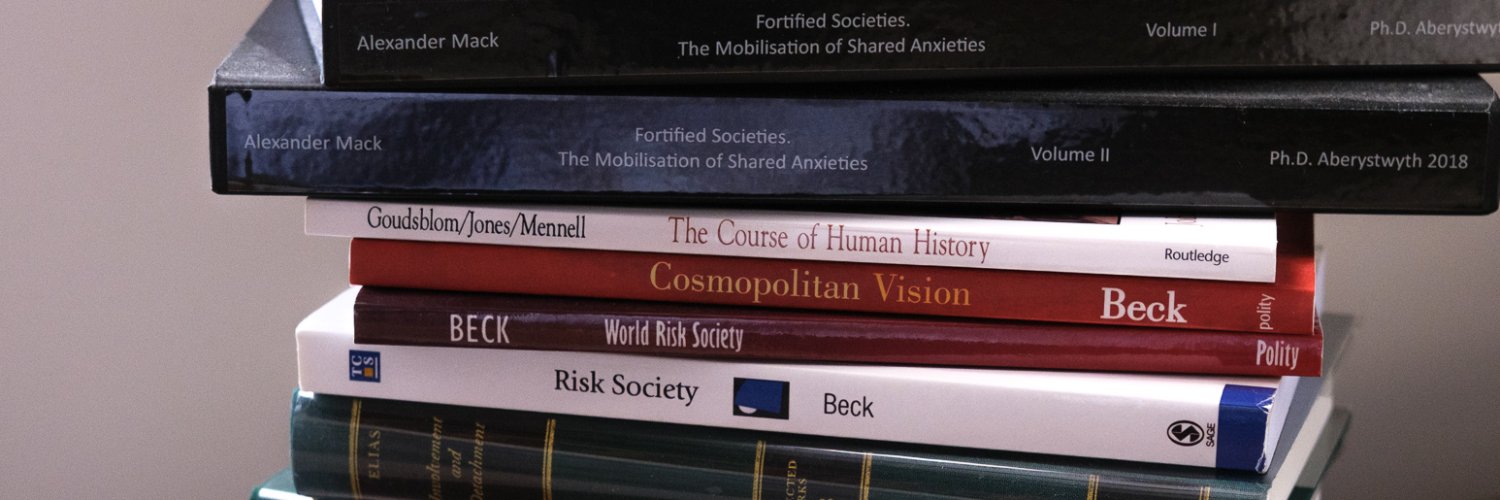
An extended video abstract showing how a combination of #processsociology & the Becks strand of #risksociology can open an interesting space of inquiry | https://t.co/C55DP1ftdw
@AlexKouts Indicates lingering aristocratic code where hollow gesture is used to placate the dissatisfaction of followers. Intermixed with an ongoing media cycle that is reductively orientated around 'events' which avoids & even displaces (in a Freudian sense) social structure reflections.
@AlexKouts The 'clap for the NHS' did mean something for UK's political establishment seeking to substitute a public performance gesture for wider societal reflection about pandemic response & (longstanding) lack of financial commitment to the public health system.
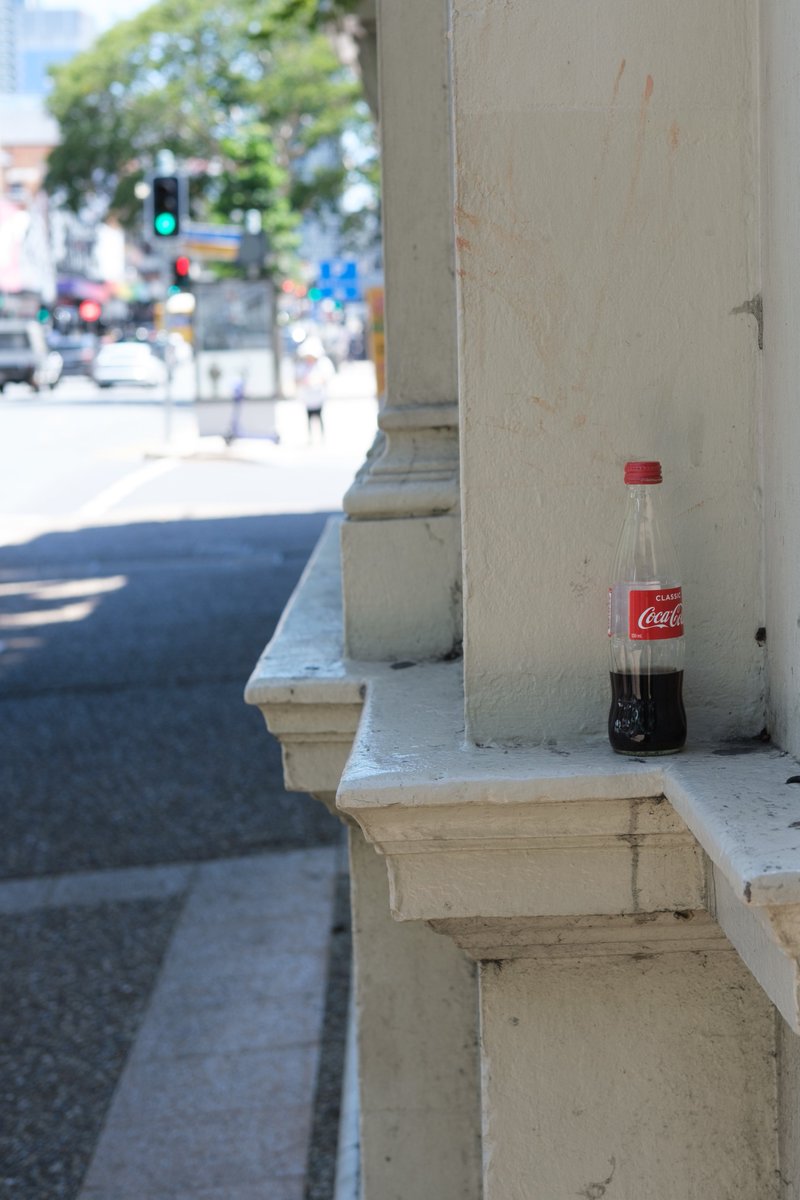
As soon as I pressed the shutter @AlexKouts @Leon_W_Lau I knew which researcher might get something out of a discarded object that has become a global symbol across societies #processsociology#linklater
@AlexKouts Global solidarity & nationalist particularistic are both interpretations in radically different ways of global interdependencies. These movements parallel what Ulrich Beck (2006, a book that has aged well) called the dialectic of cosmopolitanisation & anti-cosmopolitanisation.
A standard International Relations question might be where is the international in this image? A wider field of view might note that the visible material object on the right is a glimpse into invisible sociological & psychological relations that encompass international relations.
@AlexKouts Easy to forget what was happening under Blair in the early 2000s. Also the defense against harmful outsiders performance is more empathy/emotional redirection towards the government, which likes to play the national hero role. It plays well with a section of their audience.
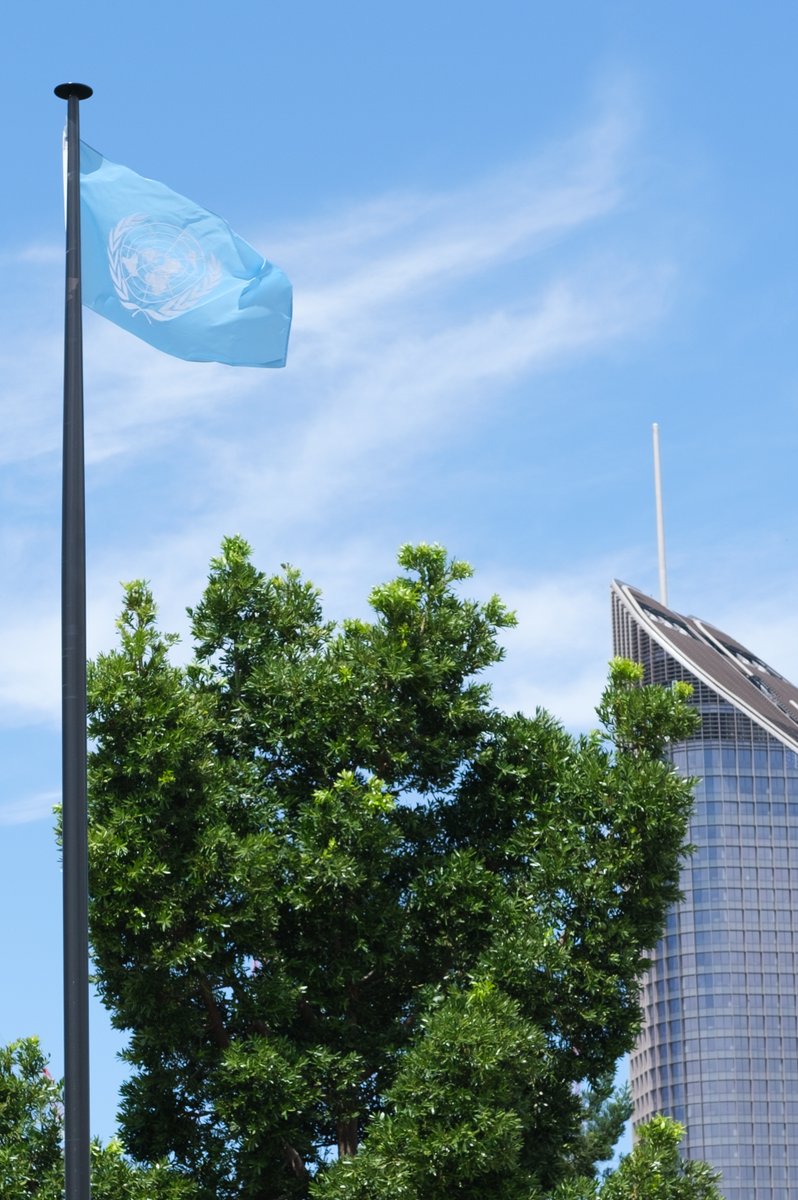
Would you have remembered it was United Nations Day a week or so ago? Someone did. A flag is but rag to paraphrase Durkheim, yet how do many such rags become sacred, while others are ignored by passers by? This is a broader question for social science not just narrow politics.