Professor @ Univ. of CO Boulder. Studying self-regulation of thought and behavior (esp. procrastination). A proud cat daddy. Moved to @amiyake.bsky.social.
Our review on procrastination is now out in the September 2024 issue of @NatRevPsych. I posted a long thread about this review when I had only a few followers, so I thought I'd quote that thread again here. We make some novel claims in the review, so please take a look!
In my first ever (!) Twitter post, I want to tell you about a review on procrastination in adults and children, just published at @NatRevPsych (https://t.co/or6EbjbfQl). Working on this review w/ Caitlin Mahy and @YukoMunakata1 changed my thinking and research directions. (1/15)
I’m letting you know that I’ll be making virtually all of my professional posts at a different site (see my handle there in the attached picture below). I’ll use X primarily to get baseball related updates (esp. Seattle Mariners). See you at the other site.
@SepehrGourabi@Psychonomic_Soc Thank you so much for your kind words! Great to hear that you enjoyed my “reflective” talk! I use Bluesky nowadays (@amiyake.bsky.social), so I didn’t notice it until now, but your post made my morning coffee/social media time more enjoyable. Thanks again!
@albertkimtw & I will be presenting a poster this evening (7:45-9:15 p.m.) @Psychonomic_Soc. It's about cognitive correlates of individual differences in classic N400 and P600 ERP effects. If you're interested in language & individual differences, come talk to us!
#psynom24
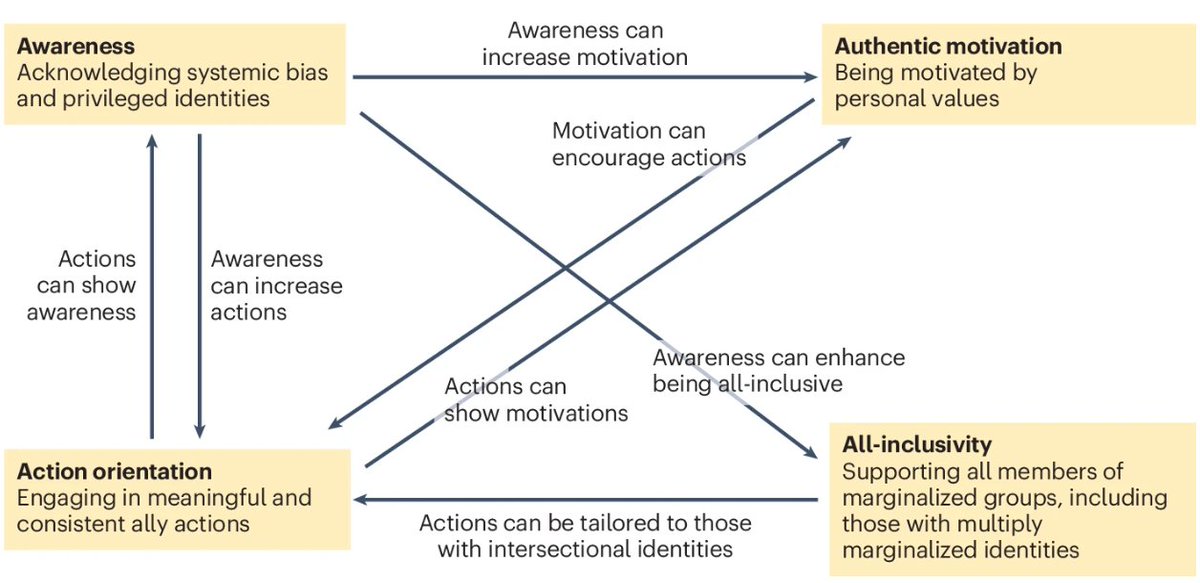
A framework for understanding effective allyship
Review by Evava S. Pietri (@EvaSPietri), Charlotte E. Moser (@ceamoser), Veronica Derricks (@vderrick1025) & India R. Johnson (@IndiaRJohnson)
Web: https://t.co/LgwTc7M4RG
PDF: https://t.co/g5QZLdIVOc
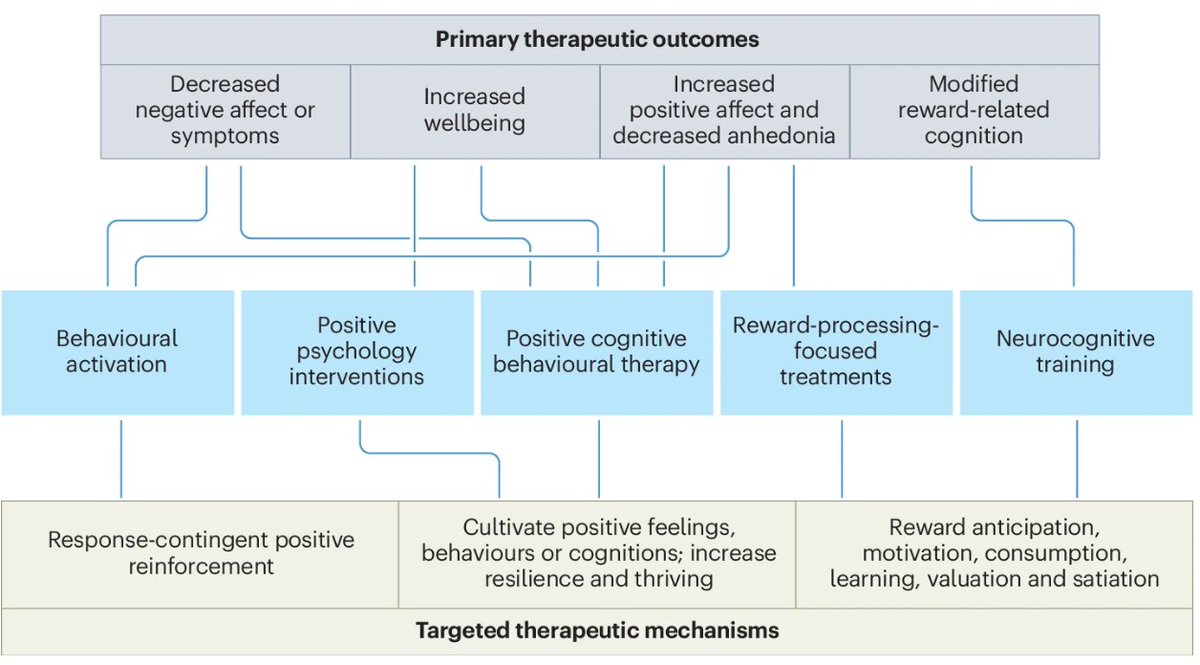
Positive affect and reward processing in the treatment of depression, anxiety and trauma
Review by Michelle G. Craske, Barnaby D. Dunn, Alicia E. Meuret, Sakina J. Rizvi & Charles T. Taylor
🚨FREE to access until Sep 30!
https://t.co/PzUs4w4AYe
This press release is about our new @NatRevPsych review (just published in the Sept. issue), with Caitlin Mahy (@ Brock Univ.) and @YukoMunakata1. In it, we discuss mutual implications of adult/developmental research.
Web: https://t.co/rnYTNMrEOu
PDF: https://t.co/3Ab66ofkEJ
Developmental research can challenge some prevalent conceptions based on adult research, an important idea illustrated by the new press release below: Studying children challenges a currently dominant definition of procrastination based on adult research.
https://t.co/SD9QKIECoh
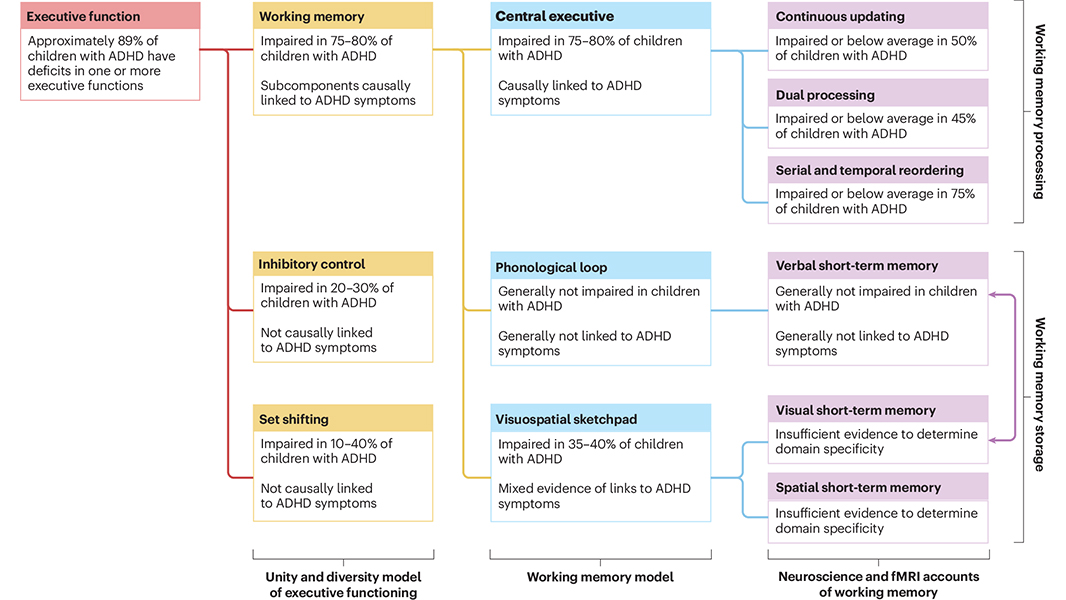
Children with ADHD and/or autism spectrum disorder show executive function deficits compared to neurotypical peers. A Review in @NatRevPsych examines whether these deficits are shared across both conditions. 🔒 https://t.co/bB1IPxbiVf
A Review in @NatRevPsych describes intentional and unintentional forgetting, highlights alignment across these traditionally siloed research areas, and explores the role of forgetting in certain clinical conditions. 🔒 https://t.co/nJxesxlNo9
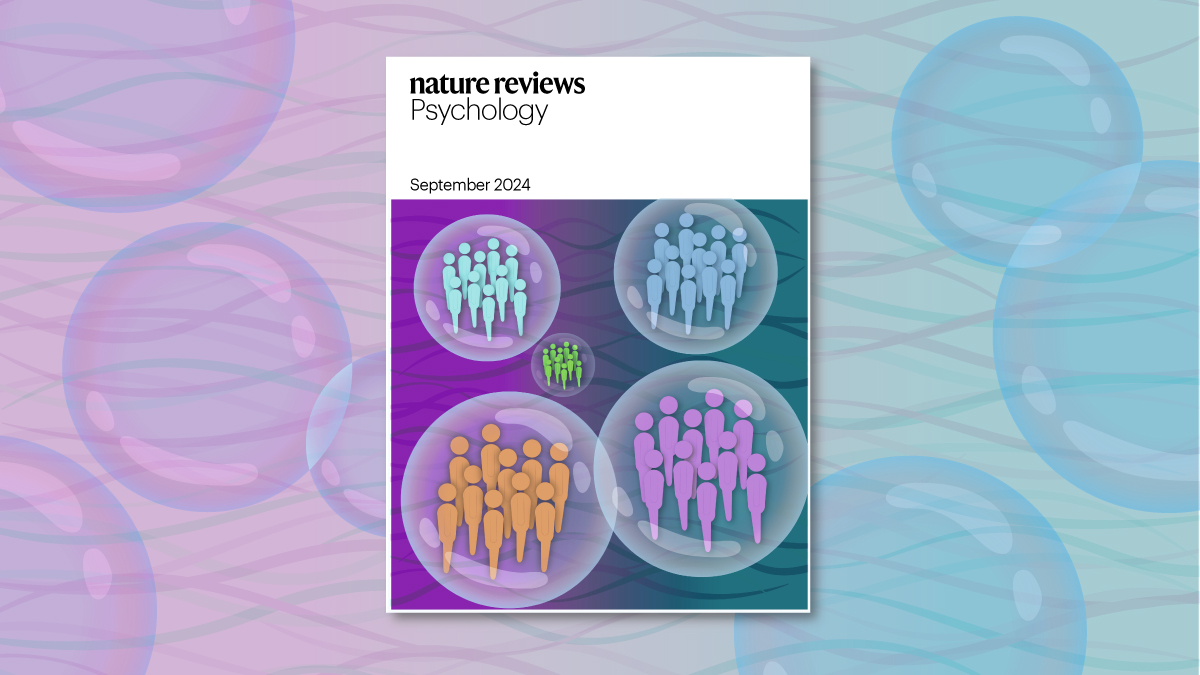
📢Sep issue is live! https://t.co/LNR3JOzj29
Cover: Intergroup interventions
Also in this issue:
⌛️Procrastination
🤯Subjective effects of psychedelics
🤔Children's curiosity
Plus 2 correspondence & replies debating claims about independence of cognitive stability & flexibility
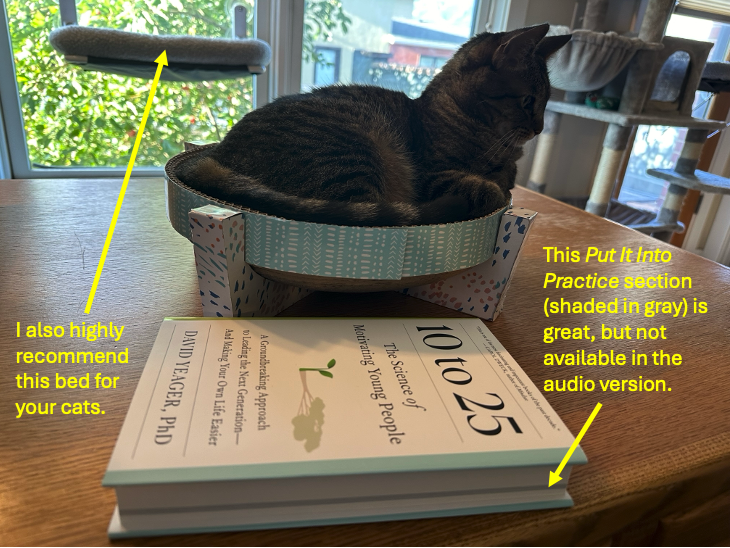
I listened to this book during my morning walks. Though Yeager is a great narrator, I recommend a hardcopy, b/c the audiobook version omits a useful 65-page section that helps you reflect on the key issues covered in each chapter (as shown in the picture below). Enjoy! (4/4)
I finished David Yeager’s new book, "10 to 25," during my morning walk today (the first day of our fall semester). I really enjoyed it. If you teach or supervise undergrad/grad students, you'll likely get a lot out of it (no need to have kids aged 10-25 to enjoy the book!). (1/4)
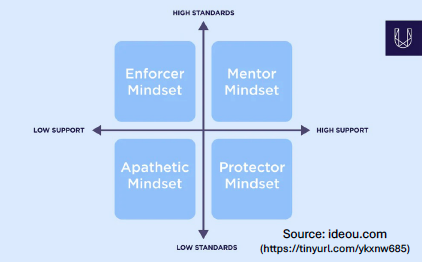
So, knowing what to do (or not to do) could make a huge difference, not just to students but to you, too. Young people are more sensitive to “status” & “respect” than older people like us (not 25 anymore!) realize, and the book argues for adopting a “mentorship mindset.” (3/4)
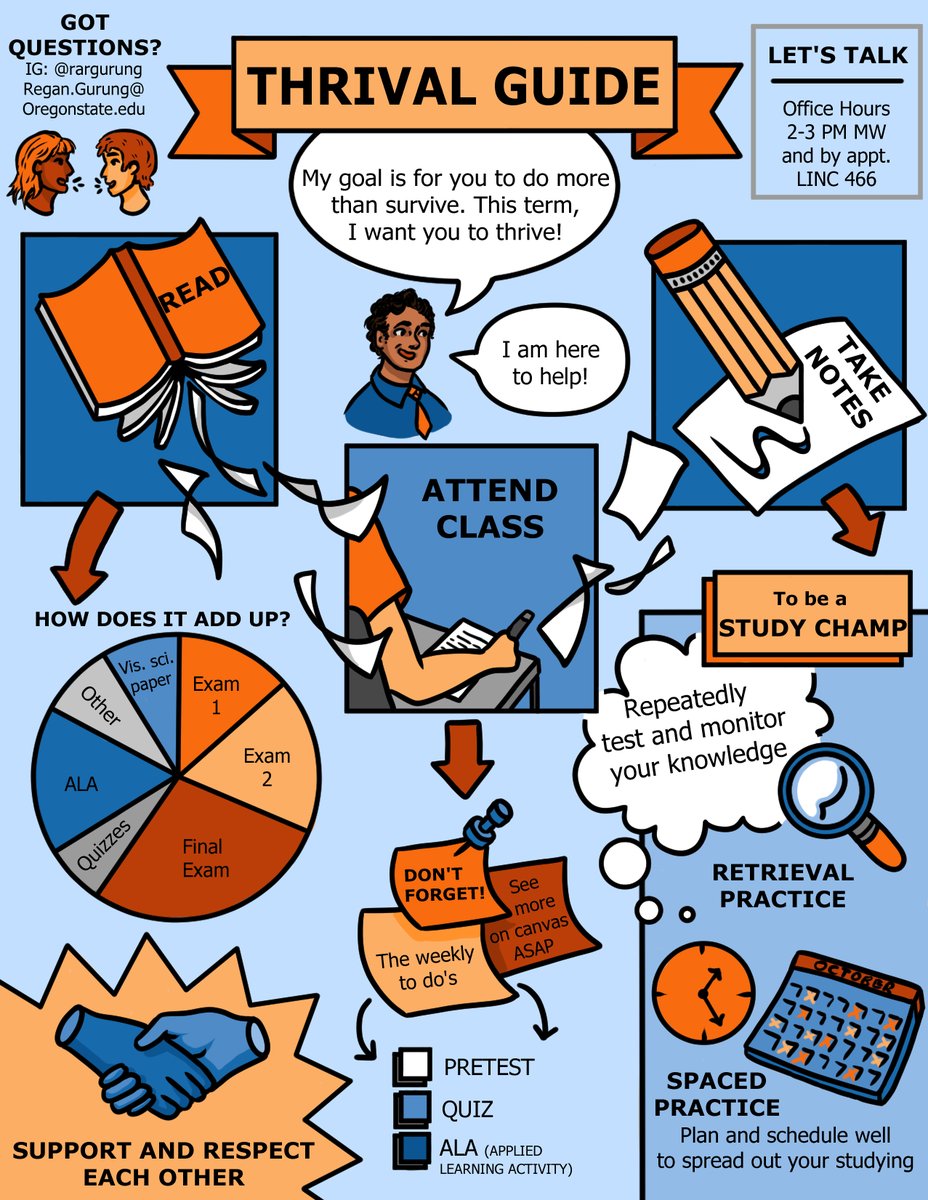
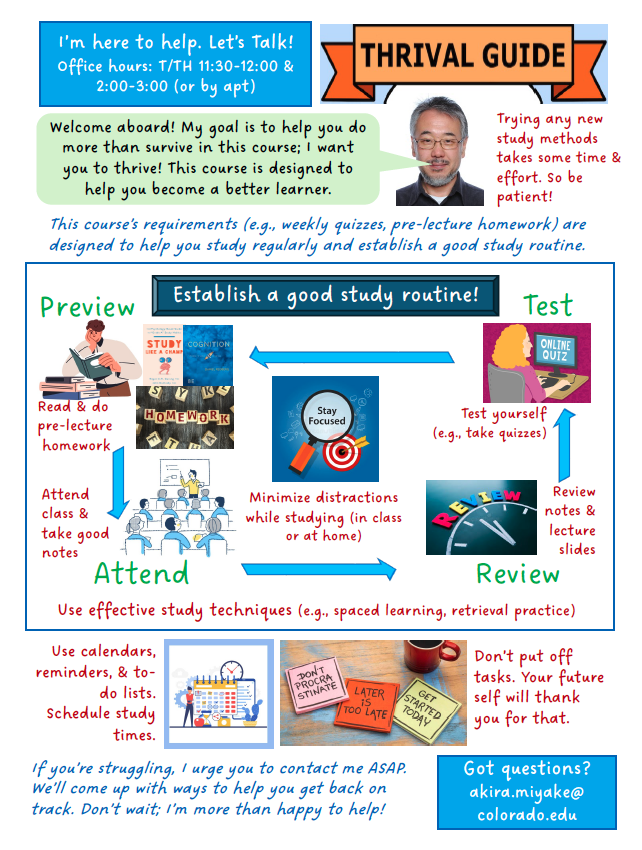
My thrival guide was modeled after @ReganARGurung’s (below). I know I'm not as artistic as he is, but I tried to capture major goal of my cogpsych class: helping students become better learners. If you haven’t created one, try it. It’s not too late; the semester has just begun.
Our fall semester starts today! I've decided to share the “thrival” guide I created for my intro cogpsych class. I had put off creating this for weeks, but I’m glad I did it, b/c it helped me crystallize my vision for the course. Hopefully, students will find it useful, too!