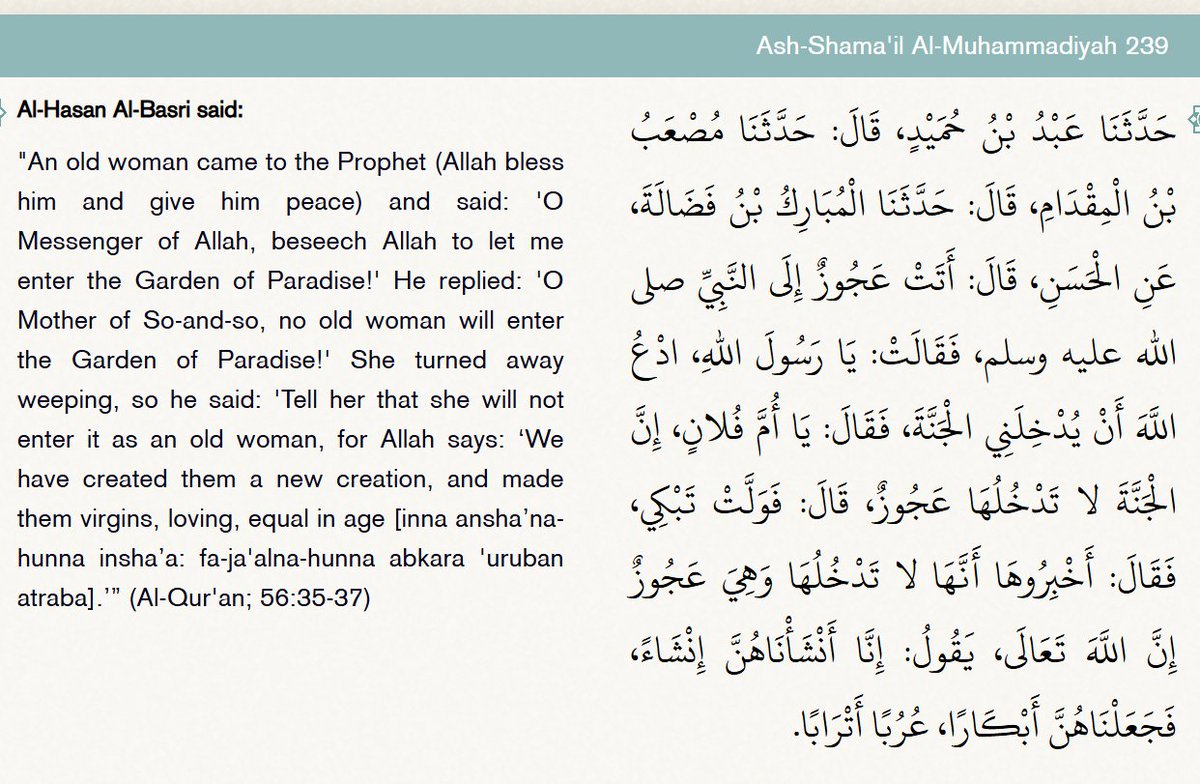
@Amicus__curiae_ The Hadith does have weakness although it is differed on.
But it’s just an example there are plenty other authentic examples where the Prophet ﷺ used such expressions
The rhetoric Salafis are being mocked here is a prophetic method of expression.
See the iron needle Hadith as an example.
The prophet ﷺ himself used hyperbolic comparisons to convey gravity and magnifying severity.
normal person: lower ur gaze
salafi: "it is better to be breastfed by a goat and raised by wolves than look at a non mahrum"
is it so difficult to be normal 😭
The rhetoric Salafis are being mocked here is a prophetic method of expression.
See the iron needle Hadith as an example.
The prophet ﷺ himself used hyperbolic comparisons to convey gravity and magnifying severity.
I love the World Cup as a concept.
The concept of the world’s nations coming together to compete to see who is the best is something the soul is naturally inclined to enjoying.
All the issues Muslim scholars have with it boils down to it not being under Muslim control.
We are reduced to mere consumers.
I think it’s super important for people, especially Salafis, to understand the claim here.
The claim is that habituating a specific act into an unbroken rite, delivered every time without exception, in the same format, runs the risk of manufacturing something that functions like an obligatory ritual.
The concern is the repetition may create an element of religious authority to it that was never assigned by the Sharia
I.e., if you skip the reminder, it’s seen as a shortcoming or the reminder becomes presented as part of the “Sunnah of Friday”
Salafis should not have a problem with the claim generally especially as it’s an argument used to warn against things like collective Dhikr post every single Fard prayer.
However my issue is that the claim
doesn’t apply here.
This is because the act of reminding on a weekly cycle is established by the text itself.
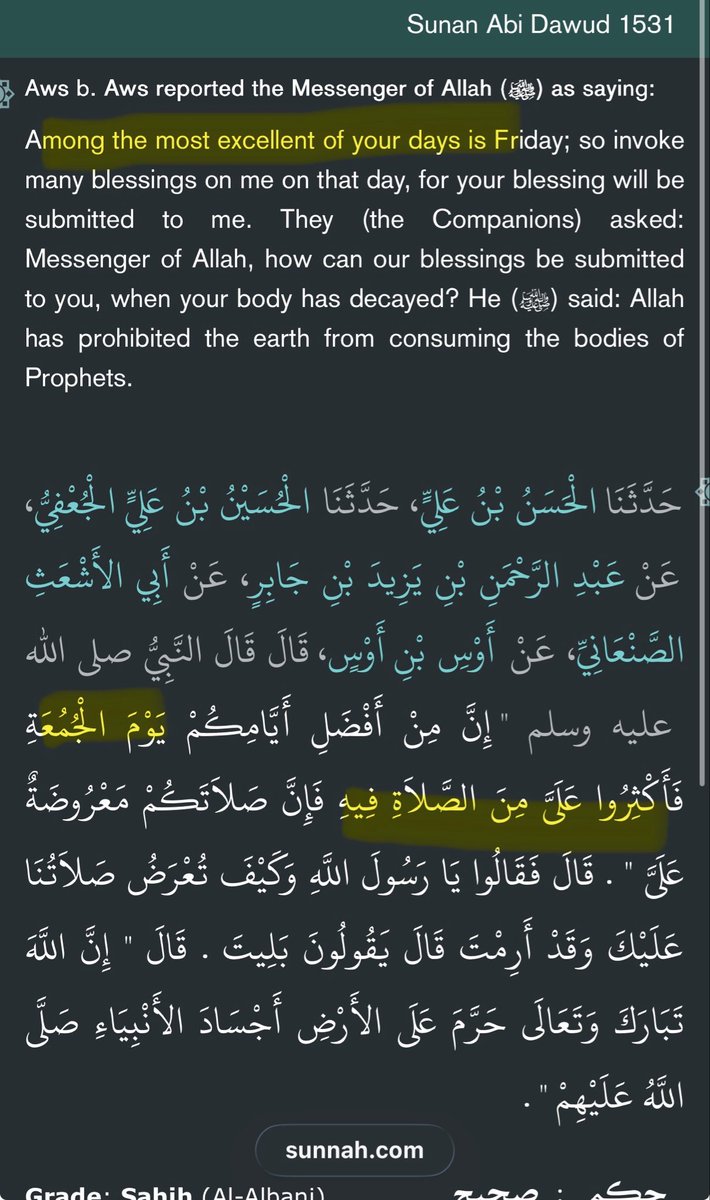
The Hadith itself assigns a recurring weekly unit. The Prophet ﷺ said in the Hadith إنّ من أفضل أيامكم يوم الجمعة
Yawm Al Jumuah recurs every week by definition.
And so this reminder merely tracks a rhythm the shariah already set. It’s not a manufactured rhythm bolted onto the Deen.
And Allah knows best.
The Innovation of Fixed Weekly and Monthly Religious Reminders: Do Not Regularise What the Prophet ﷺ Never Regularised!
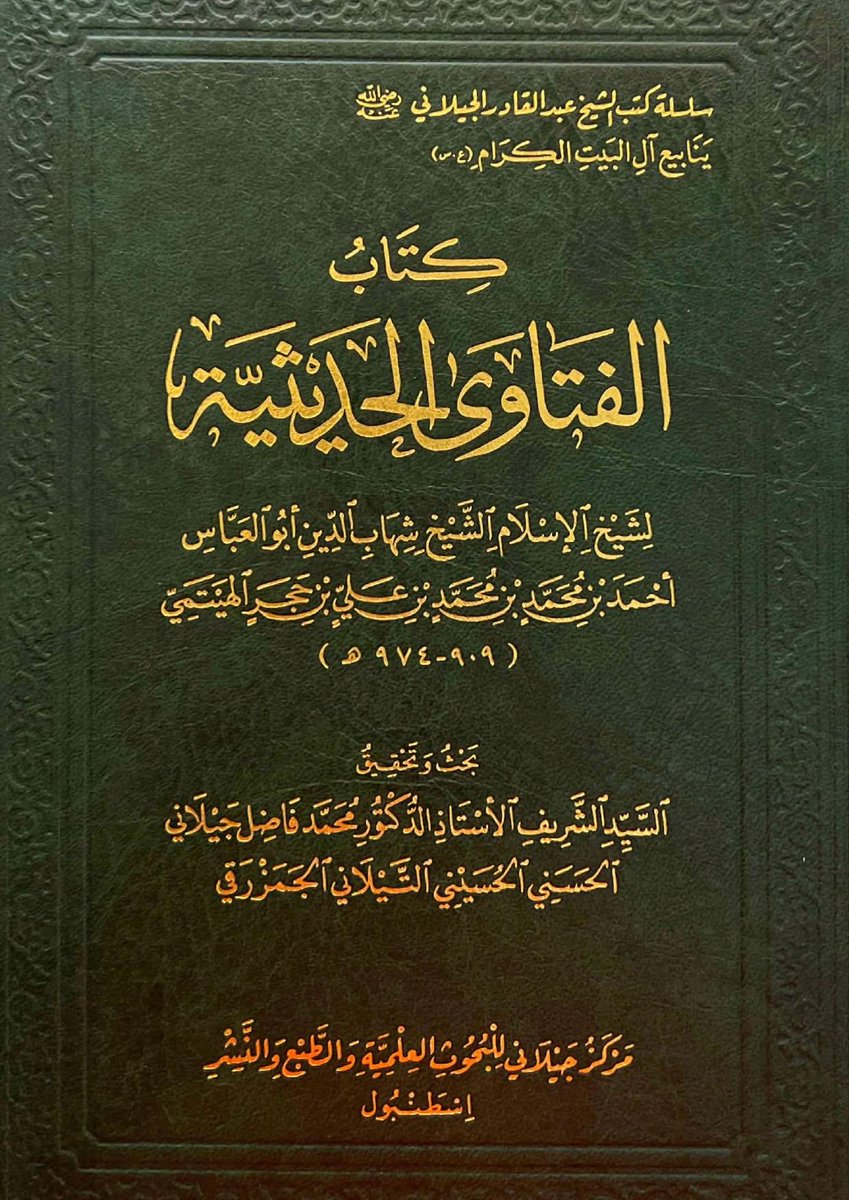
Shaykh Abdurrahman Al-Umaysan حفظه الله
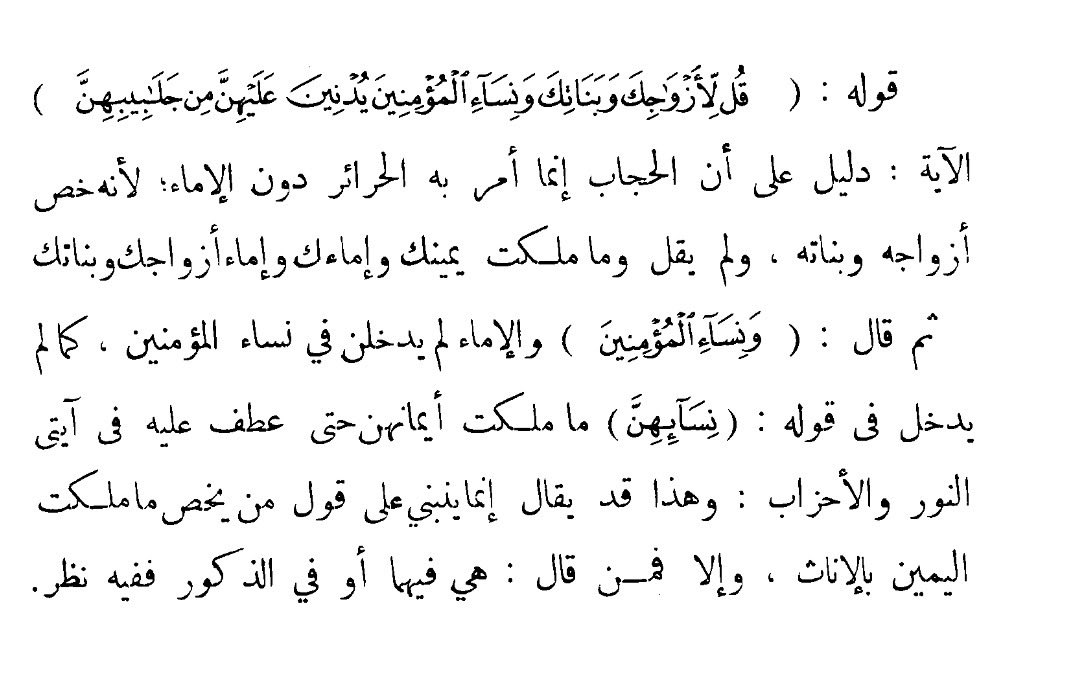
When you understand that the verse of Hijab does *not* apply to slave women, all the Fiqh discussions and early reports that come thereafter will fall into place.
Ibn Taymiyya in Majmu’ Al Fatawa 15/448:
When you understand that the verse of Hijab does *not* apply to slave women, all the Fiqh discussions and early reports that come thereafter will fall into place.
Ibn Taymiyya in Majmu’ Al Fatawa 15/448:
Ibn Kathir is quoting Abu Shama and doesn’t affirm or deny these accusations.
I firmly stand on critiquing ideas and beliefs and leaving off the personal history & incidents we were not privy to nor witnessed to Allah.
Ibn Kathīr mentioned that Fakhr al-Dīn al-Rāzī was criticized for his close ties to rulers and worldly affairs.He also reported objections to al-Rāzī’s use of expressions such as referring to the Prophet ﷺ as “Muḥammad al-Bādī” (“Muhammad the bedouin”).
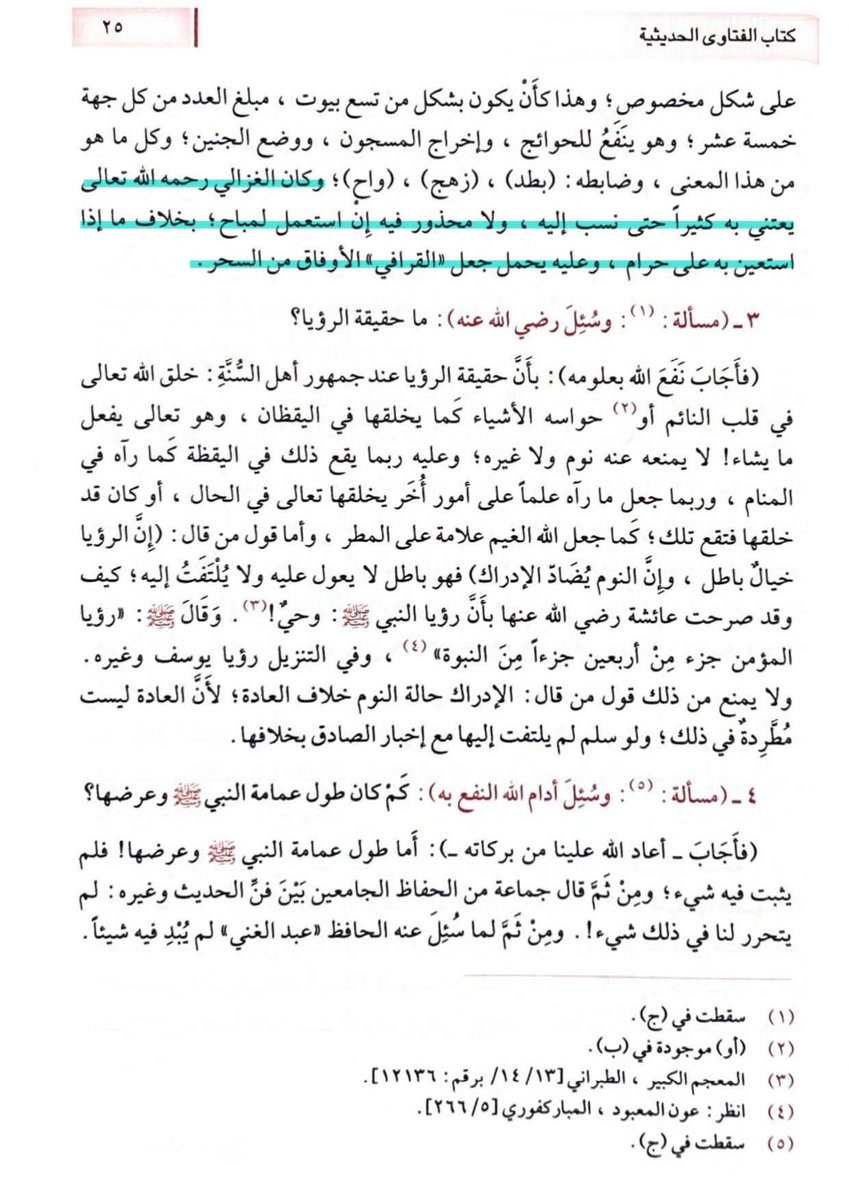
All Ibn Hajar attributes to him is that he gave a great deal of attention to awfāq.
There is no mention of Ghazali using it for an unlawful end, which is the only scenario where the siḥr label would attach at all.
We should be just here.
The question and the answer are explicitly about ʿilm al-awfāq.
Ibn Hajar never calls Ghazali's involvement siḥr.
Ibn Hajar says that there is nothing objectionable in it if used for something permissible.
If he held it to be siḥr in itself, he could not call it permissible as siḥr is unlawful by definition.
Ibn Hajar also is restricting al-Qarāfī's siḥr label to the single case where awfāq is misused for something unlawful.
Also focus on the term “repeatedly and persistently”
The desire and pleasure arises from this.
A chosen behaviour repeated is what generates the desire.
Hence why lowering the gaze is obligated.
This is far far from an innate default “bisexual” orientation.
This quote doesn’t support the OP’s point.
It’s specifically talking about a man who has chosen to look repeatedly and persistently (كَرَّرَ … وَأَدَامَهُ).
For this person, to deny desire is nonsense, because it’s the repetitiveness and persistence that exposes the motive.
The quote says nothing about men who don't do this.
The statement “surely bi should be the default” needs the universal premise that “all men are attracted to men”
Ibn Taymiyyah’s quote just doesn’t show this.
Men who choose to ogle at beardless youth ≠ all men are bi.
The fact the 2 most senior Sahaba differed on how to deal with these people is enough of an indication that these people did not deny the obligation of paying the Zakah..