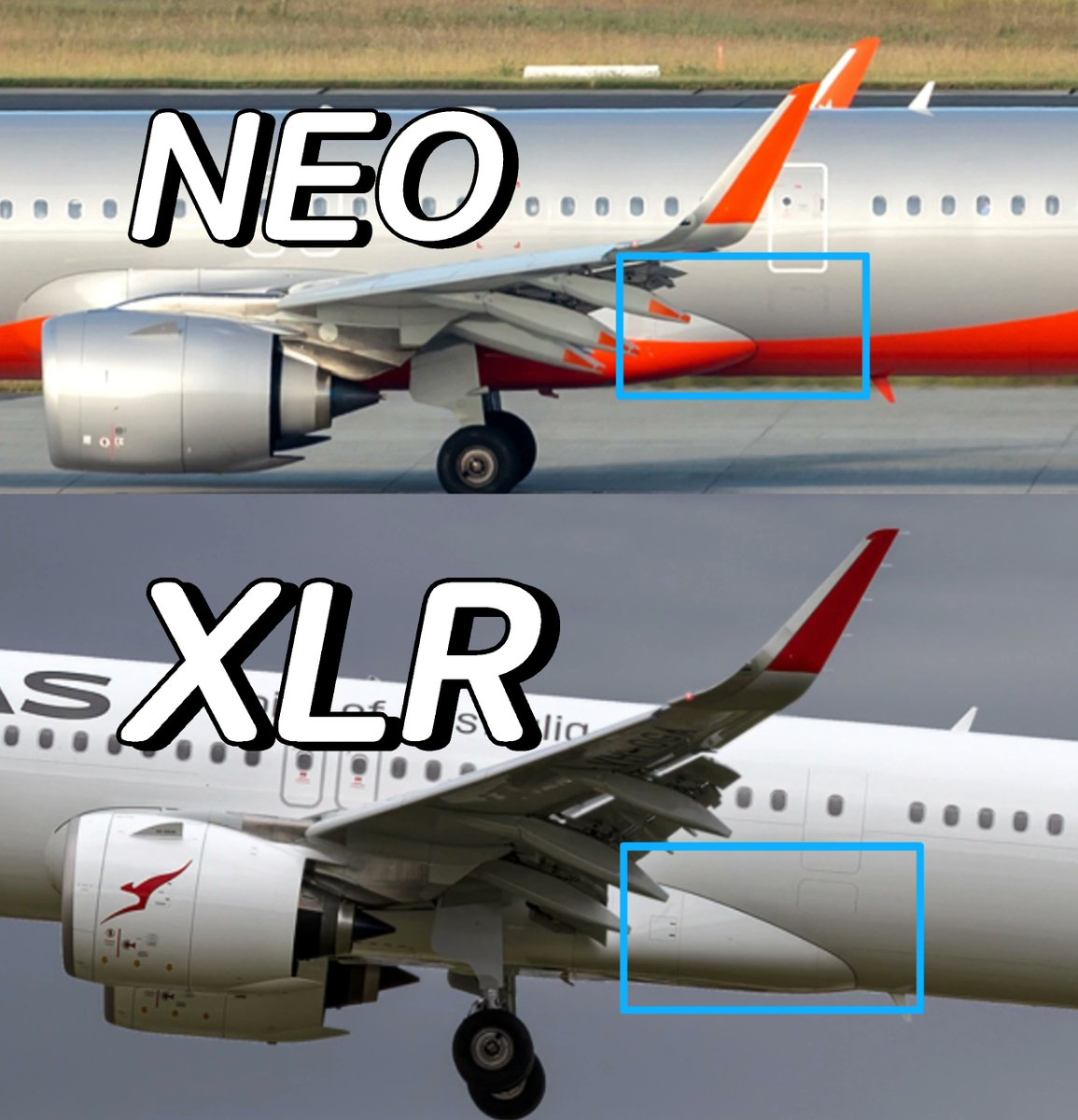
Easy way to tell a regular A321neo from the XLR on the tarmac: that noticeably longer belly fairing under the rear fuselage protects the Rear Center Tank and adds strength for safety. Also, the inner flaps are single-slotted now instead of the double-slotted ones on standard neos. The XLR marking on the tail makes it obvious too.
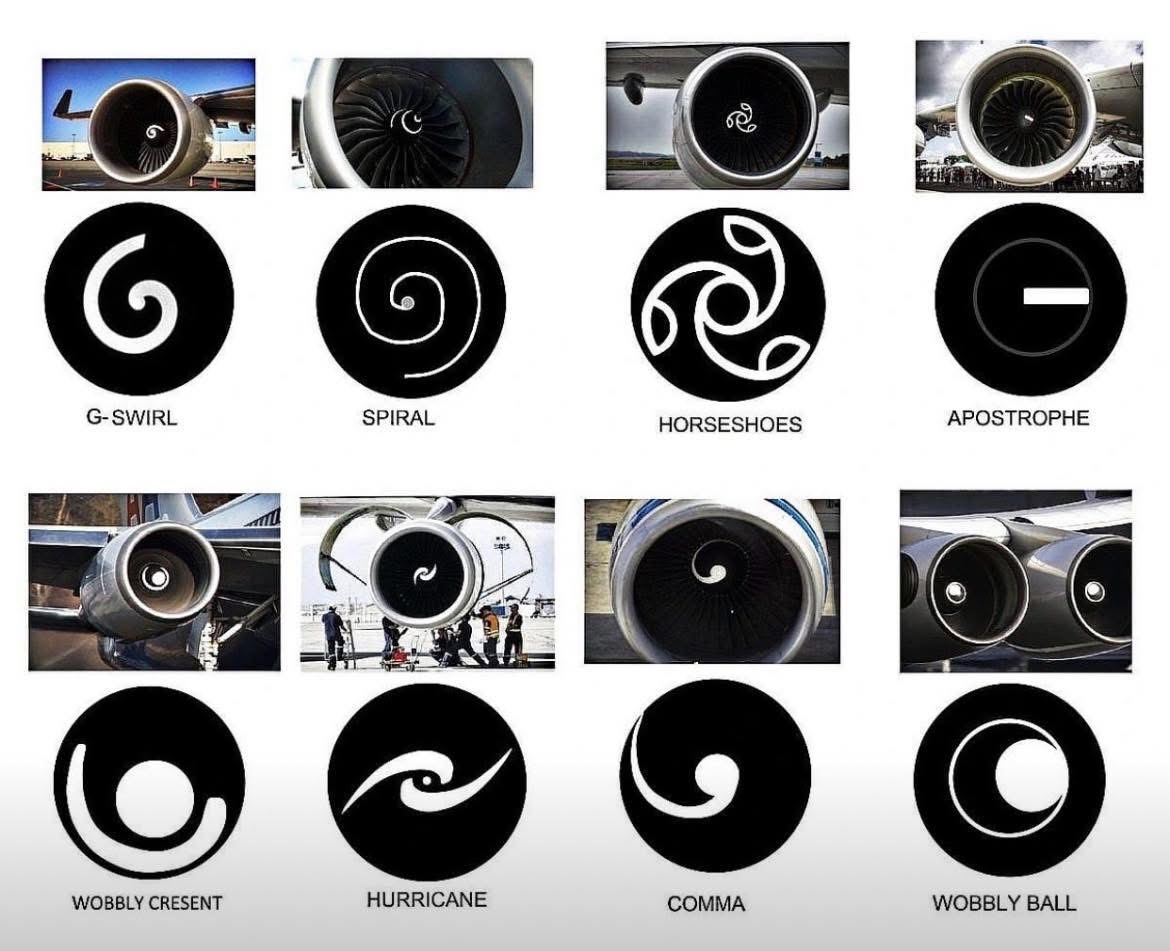
Have you ever noticed jet engine nose tip while boarding any flight whether that engine manufactured by GE, Pratt and Whitney, Rolls Royce or CFM. There's something common in every jet engine nose tips a kind of spinner "swirl" shaded in white colour. Why it's important?
1. Ground safety
- when the engine is running it rotate at very high RPM that can appear stationary to ground crew
- The contrasting spiral creates an optical cue of rotation, allowing ground crew to immediately recognise that engine is running
2. Operation visibility
- It ofcourse helps pilots and engineers visually engine is rotating or not while start-up nd shut down.
📸 @AVIOKNOWLEDGE