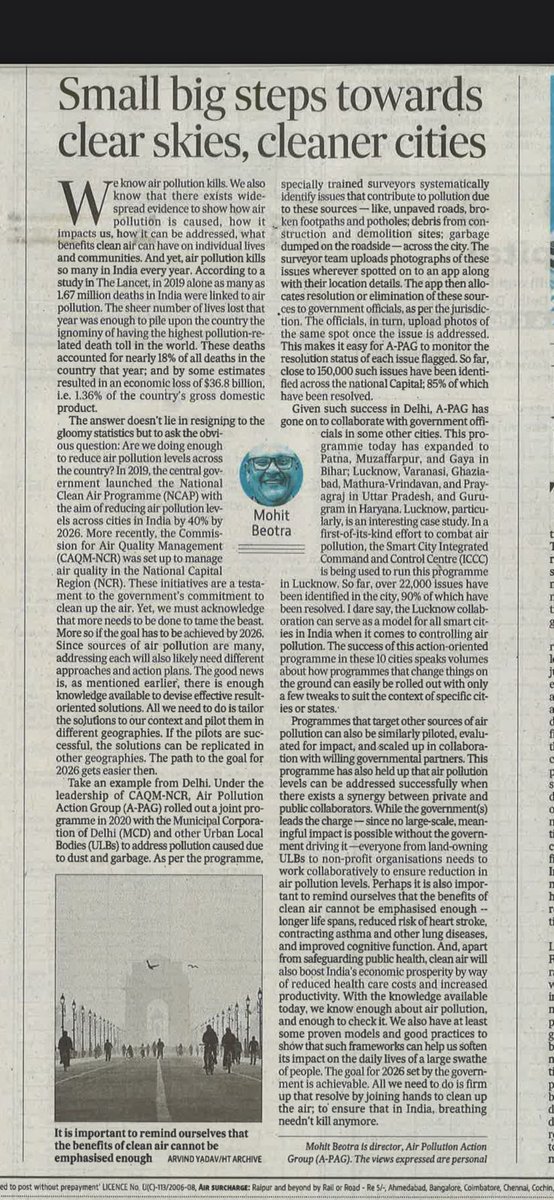
Pilot, Test, Scale: This is how we combat air pollution. Mohit Beotra, Director at A-PAG, discusses the success of A-PAG’s dust and garbage addressal pilot programme and how it is being scaled up in close collaboration with the government(s).
https://t.co/HYShCLGCab
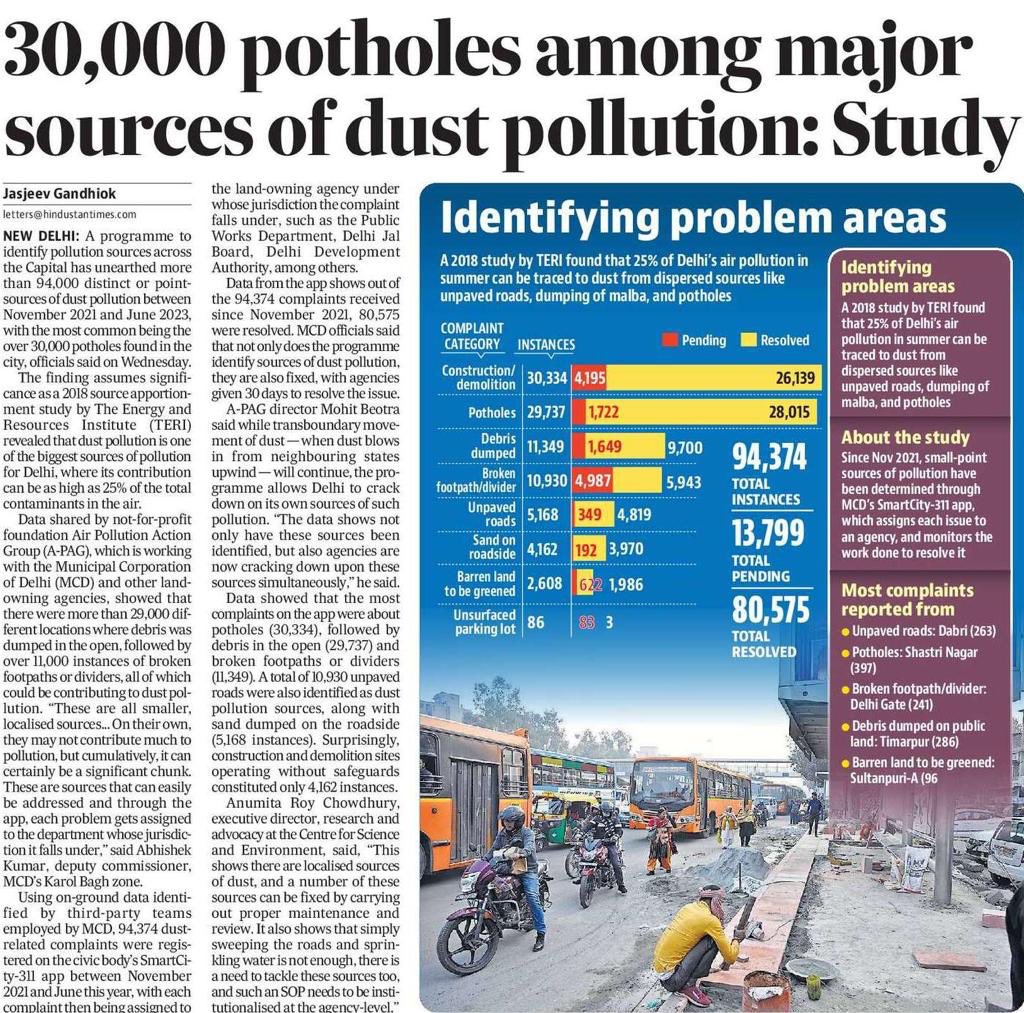
A programme to identify pollution sources across Delhi by @APAGIndia has pointed to more than 94,000 point-sources of dust pollution between Nov’21 & June ‘23, with most common being the 30,000+ potholes found in the city⬇️
85% of such dust-related complaints have been resolved since November 2021. We at A-PAG work closely with the MCD & ULBs to identify and resolve these complaints.
The MCD & other urban local bodies (ULBs) in Delhi have been leading the fight against air pollution in the city. Potholes, unpaved roads, and garbage dumps—which release dust & debris into the air—are the reason behind 25% of Delhi’s air pollution.
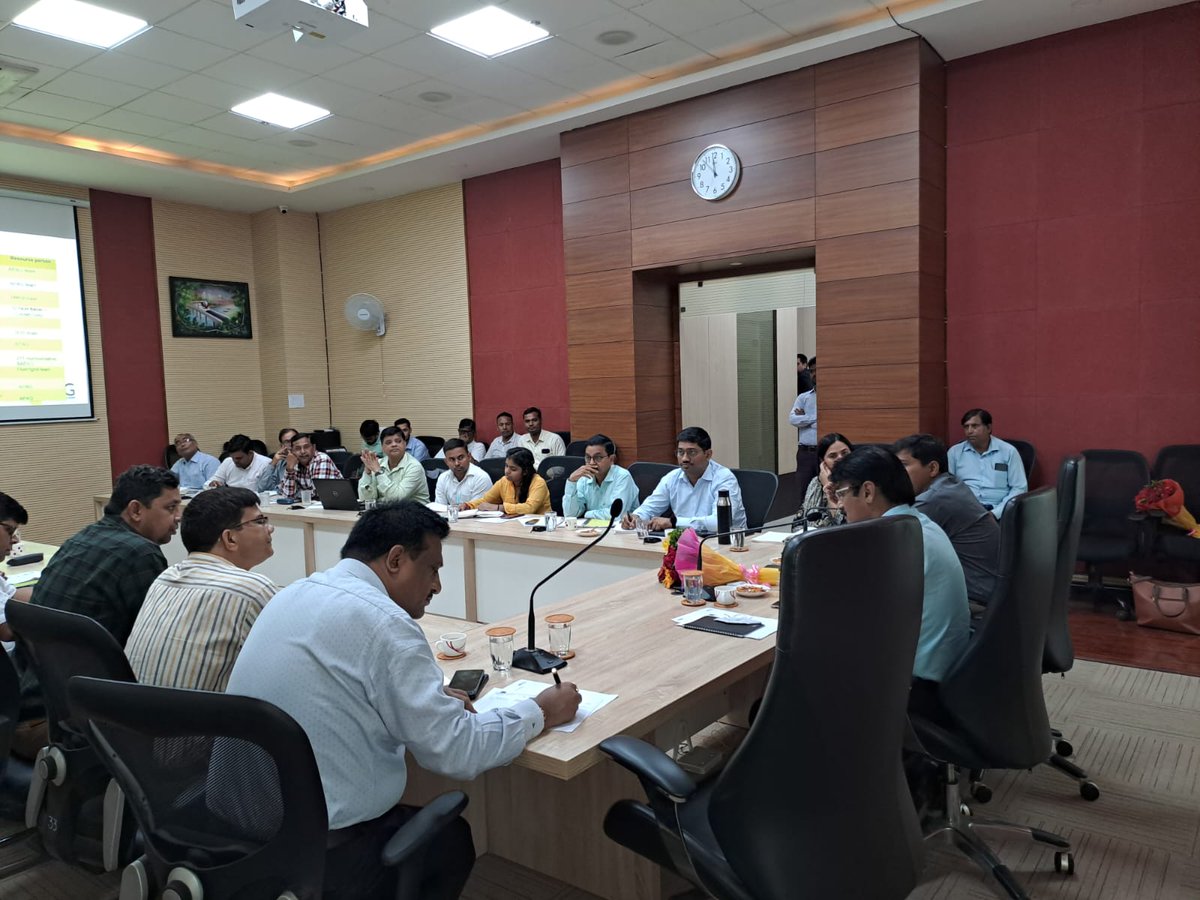
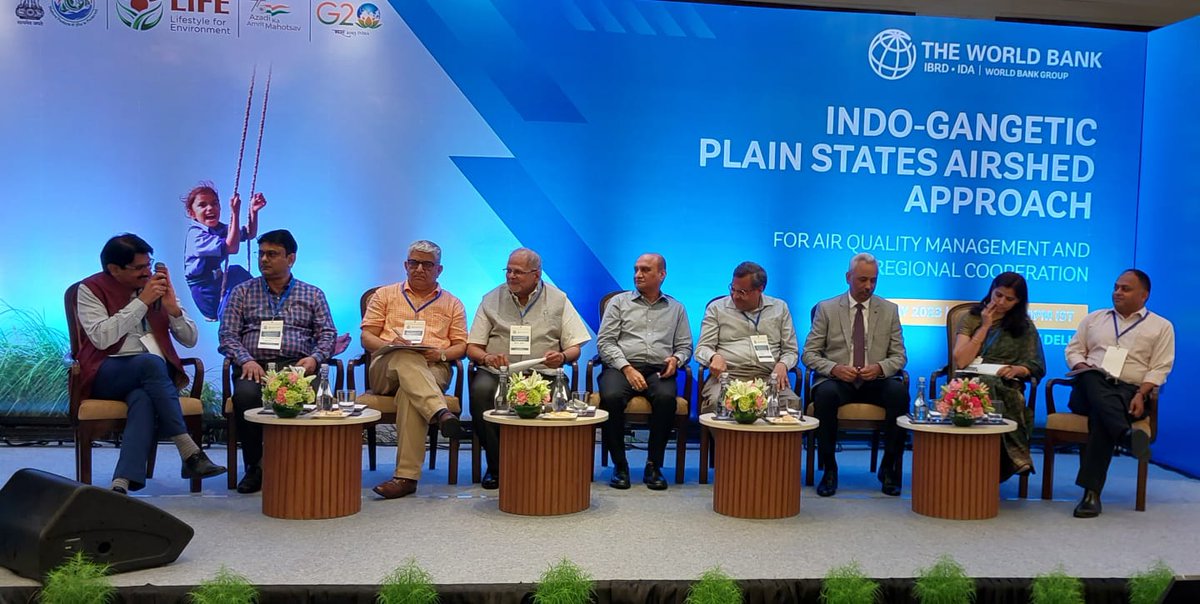
The World Bank and Ministry of Environment, Forests and Climate Change, Government of India organized a workshop on 01.05.23 in New Delhi on the INDO GANGETIC PLAINS STATES AIRSHED APPROACH FOR AIR QUALITY MANAGEMENT AND REGIONAL COOPERATION.
#BspcbPatna#AirPollution#Bihar(1/2)
Here’s Jatinder Singh, a farmer in Punjab, talking about how the Super Seeder machine helped him save time, money and the environment:
https://t.co/eV4G0DUo3p
To help farmers better understand the benefits of using these machines, we developed videos that address Frequently Asked Questions about the Super Seeder machines: https://t.co/zjvktIvMN6. And the Happy Seeders: https://t.co/dasKQWTzNh
Stubble burning in Punjab in October-November aggravates the poor air quality in the Indo-Gangetic plains. Since 2020, we have been collaborating with the Punjab Agriculture Department to encourage adoption of alternative crop residue management (CRM) technologies among farmers.
The alternate CRM technologies include the Happy Seeder and Super Seeder machines. Our aim is to facilitate the adoption of these machines in Punjab. Here’s a video we circulated among farmers to encourage adoption of the machines: https://t.co/ouxrC6tpHM
#MeetTheTeam at A-PAG: Deepak Kumar, State Lead, Bihar, talks about his learning curve at A-PAG - running root-cause analyses of what causes air pollution, and working with multiple government institutions to effectively address the issues at scale.
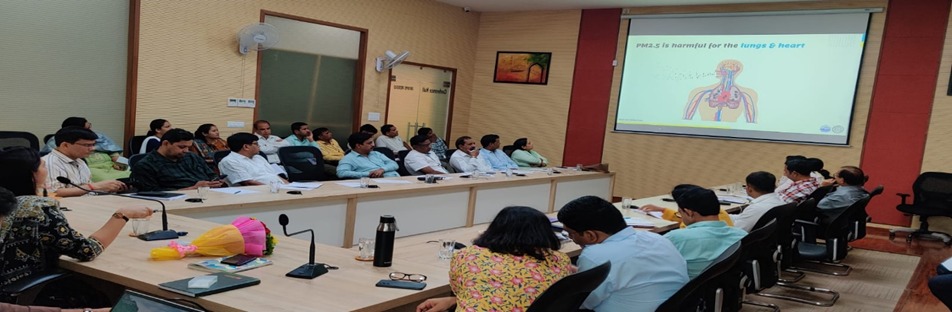
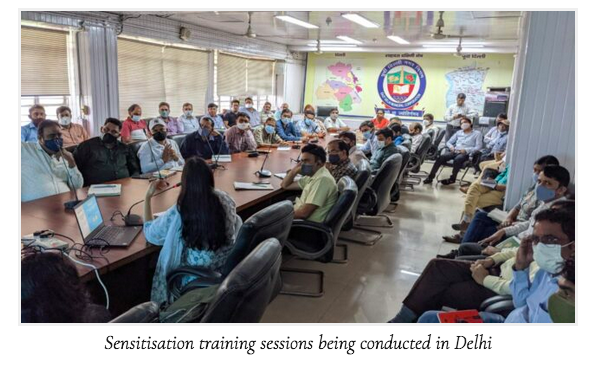
We have trained over a 100 officials in Patna on core air pollution concepts. We used the knowledge and sensitisation toolkit that we developed with @iitdelhi to help officials understand the need to mitigate air pollution urgently https://t.co/6OrpFsXVsf
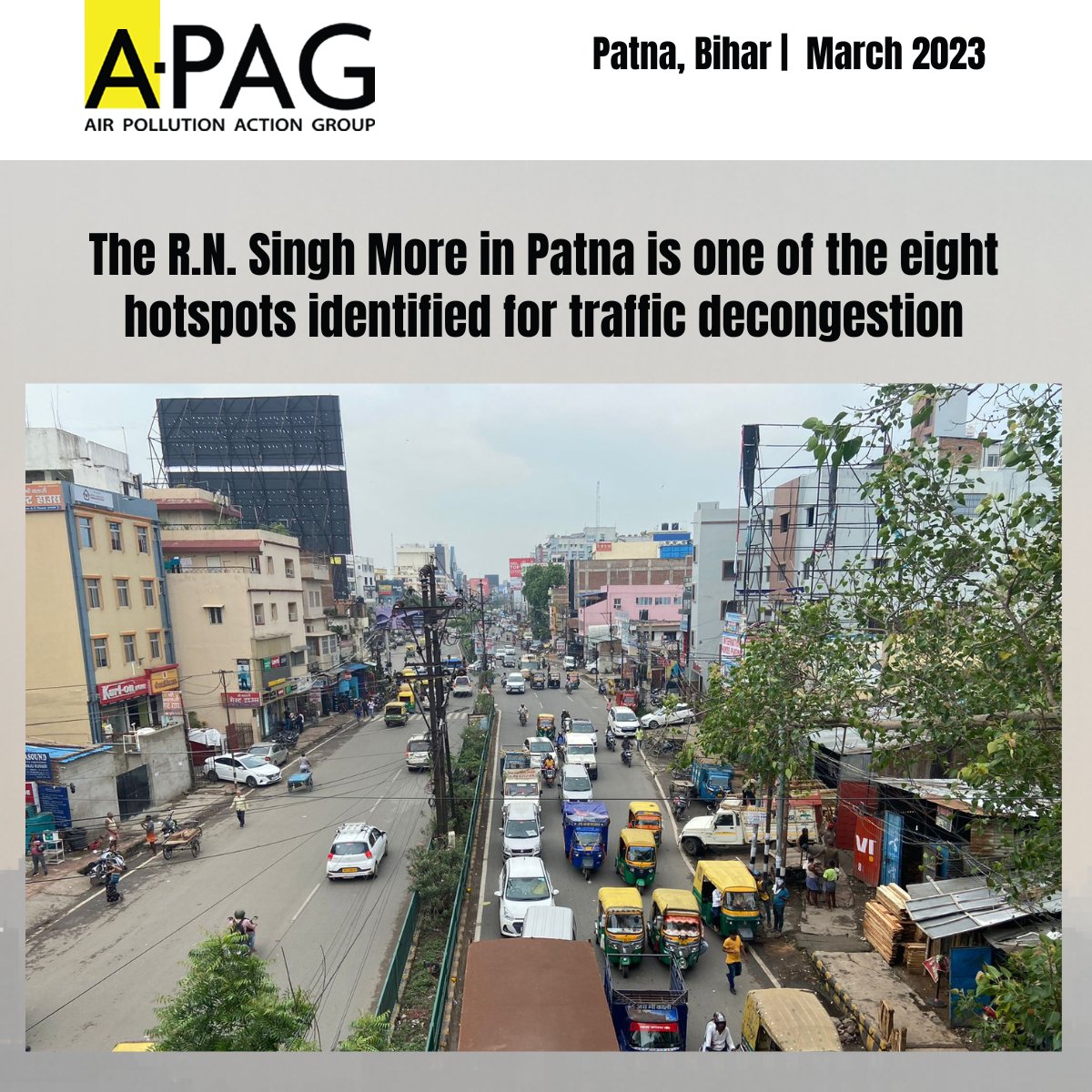
Besides our dispersed sources of air pollution programme in Bihar, we are also working with @BSPCBOfficial to address traffic woes in Patna. We have identified 8 hotspots, based on a report by @teriin that analysed vehicular count in these hotspots, for traffic decongestion.
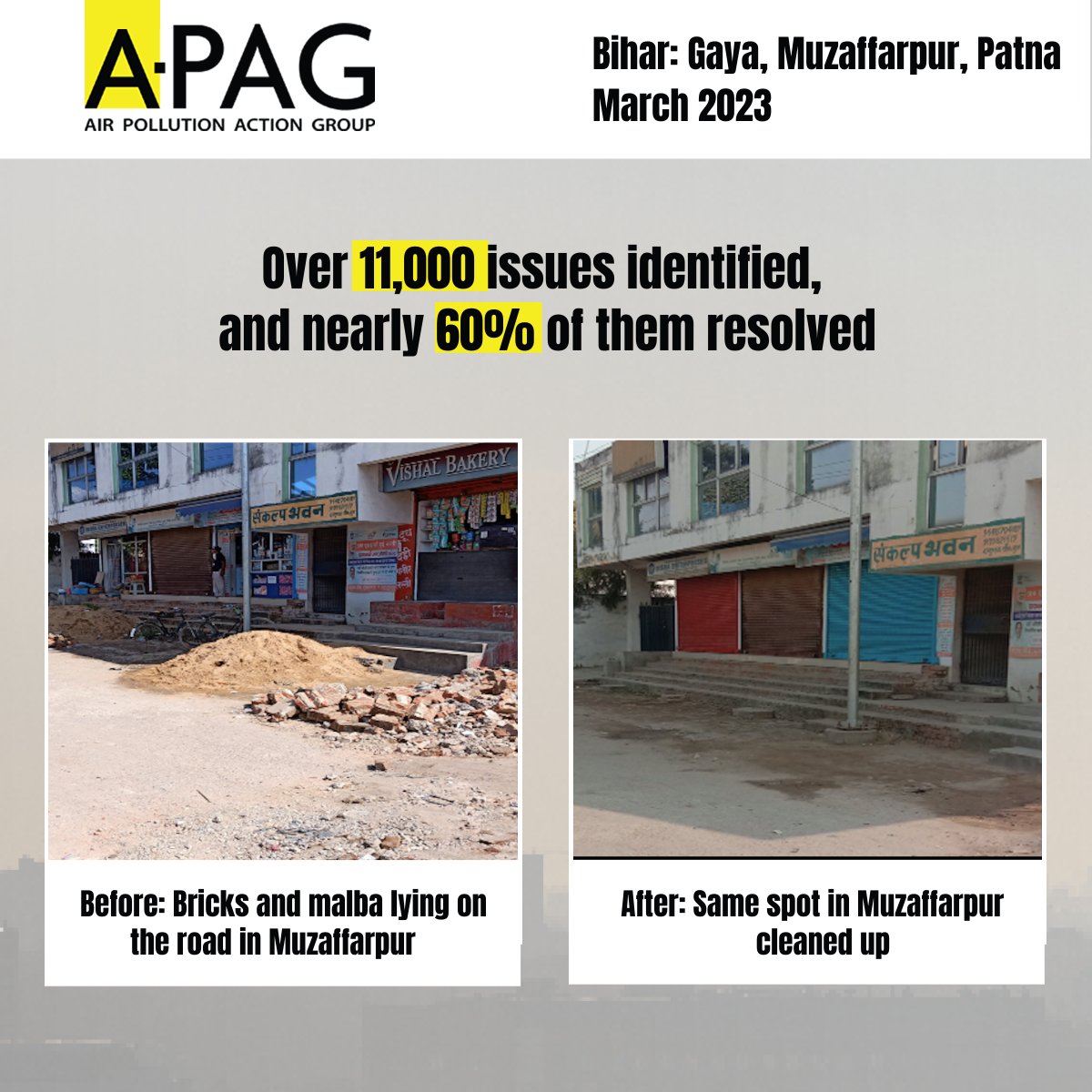
In Bihar, we work closely with @BSPCBOfficial and other Urban Local Bodies to run our dispersed sources of air pollution programme. The programme is currently running in three cities: Gaya, Muzaffarpur, and Patna. Here’s more about our work in Bihar: https://t.co/rGawgYU6zG
#MeetTheTeam at A-PAG: Sweta Kumari, State Lead, Uttar Pradesh, talks about why she believes that A-PAG's approach to mitigating air pollution is effective. She says one of the most exciting things about the org's approach is translating research into action on the ground.
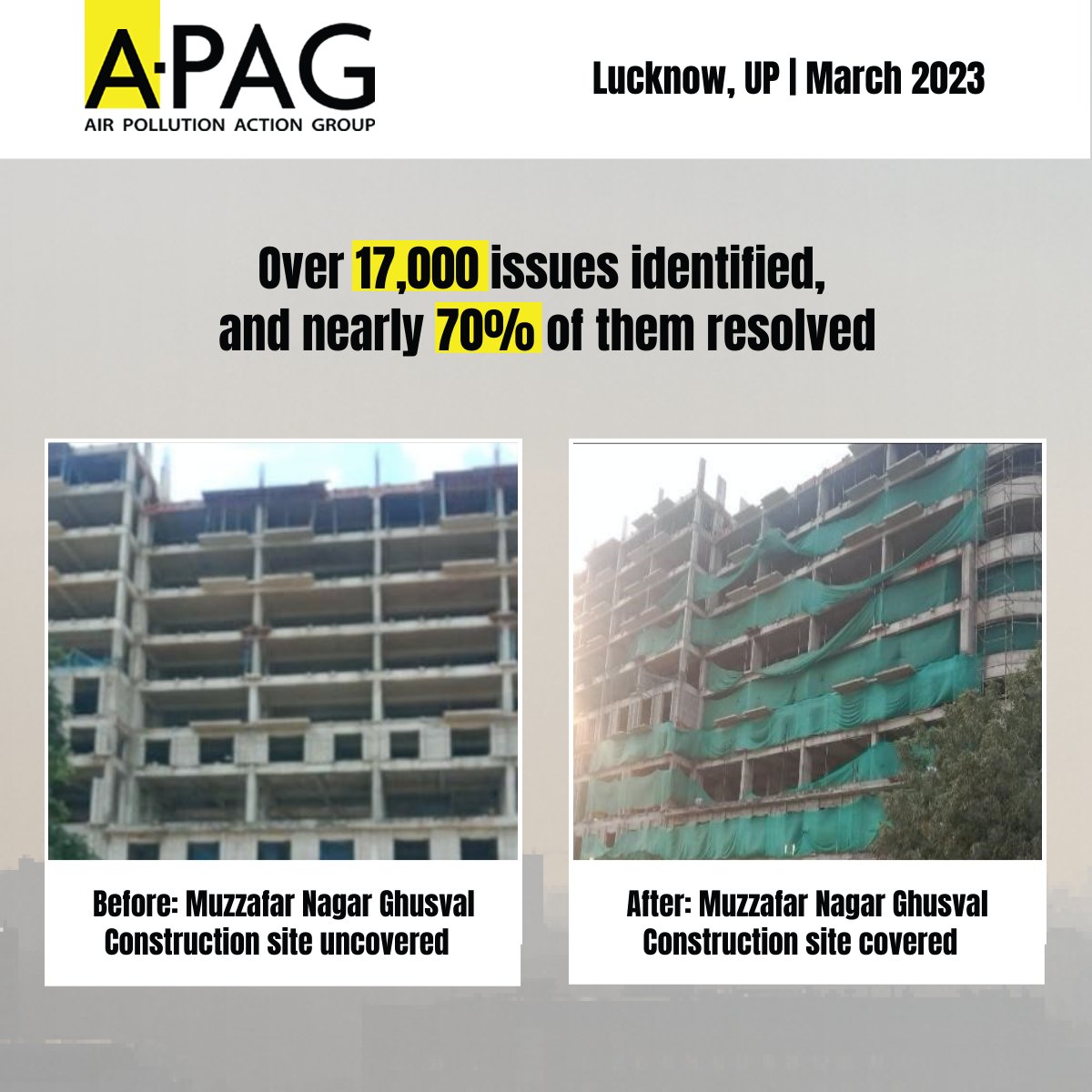
We recently signed a Memorandum of Understanding (MoU) with the Urban Development Department in Uttar Pradesh. While we were already working in Lucknow to reduce air pollution, we will now run the dispersed sources of air pollution program in multiple cities across the state.
We have trained over 150 officials from @LMC_IECofficial & @UPPCBLKO in the last few months: sensitisation on air pollution (causes, solutions) and how to leverage technology to effectively address and track issues. Here's more about our work in Lucknow: https://t.co/m21BAS7lQ0
Our dispersed sources of air pollution programme in Lucknow is led out of the Integrated Control and Command Centre (ICCC). Pollution instances are identified by physical on-ground surveys and accordingly acted upon
#MeetTheTeam at A-PAG: Nipun Matreja, Senior Manager at A-PAG in Delhi, talks about his foray into the social impact sector with A-PAG. He also talks about how opportunities at A-PAG contributed to his personal and professional growth
We provide support in training and sensitisation in air pollution issues and resolutions to officials. We have trained over 1000 officials across MCD and ULBs. We have even developed a sensitisation toolkit which is a key resource in this effort: https://t.co/HtPCGkorFO