For the first time, a research team coordinated by the @LeibnizIPK has characterised genomic diversity across the agriculturally important genus Hordeum. The results were published in @Nature.
➡️Press release: https://t.co/FF95dANDIG
➡️Publication: https://t.co/lTR4FfHQTy
Excited to share the chromosome-scale, haplotype-resolved genome of Cardamine amara, a parental genome of many allopolyploid species in the genus #Cardamine.
https://t.co/qFHWUkafqs
Last night, Ukraine’s Defense Forces struck an airfield in the Voronezh region. Four Su-34 aircraft were destroyed and two more Su-34s were hit. The Russians used them to terrorize our people. These very warplanes were ready to launch new attacks on Ukraine and were loaded with aerial bombs.
Our Long Neptune missile was used to strike the target. I thank the warriors of the Ukrainian Navy for their precision!
Our long-range sanctions also reached a site in the Oryol region used to store and launch attack drones. A target was also hit in the Black Sea.
These are our justified responses to all of Russia’s terror against Ukraine. Russia is dragging out the war, so our long-range operations will continue.
Today, Peter and Ahel shared their expertise in advanced microscopy with colleagues during a hands-on spinning disk microscopy training! 🔬
Thanks for sharing your knowledge, tips & tricks, and showing us how to make some really cool root growth movies 🎬
Are you interested in gene expression, epigenetics, and plants? 👩🔬👨🔬🌱
We are looking for candidates to apply for a Juan de la Cierva postdoctoral fellowship.
Deadlines/eligibility requirements here: https://t.co/yUylDiRgKq
Interested? Get in touch at [email protected]
Barley comes in way more shades than you'd think! 🌾 We’re using the Oregon Wolfe Barley population, an amazing genetics teaching tool developed by the folks at OSU, to help bring plant biology to the public. It’s a perfect visual of the black lemma and pericarp locus (Blp1).
1/2 My very first post on X—and what better occasion than the publication of our paper in @NaturePlants! 🌱
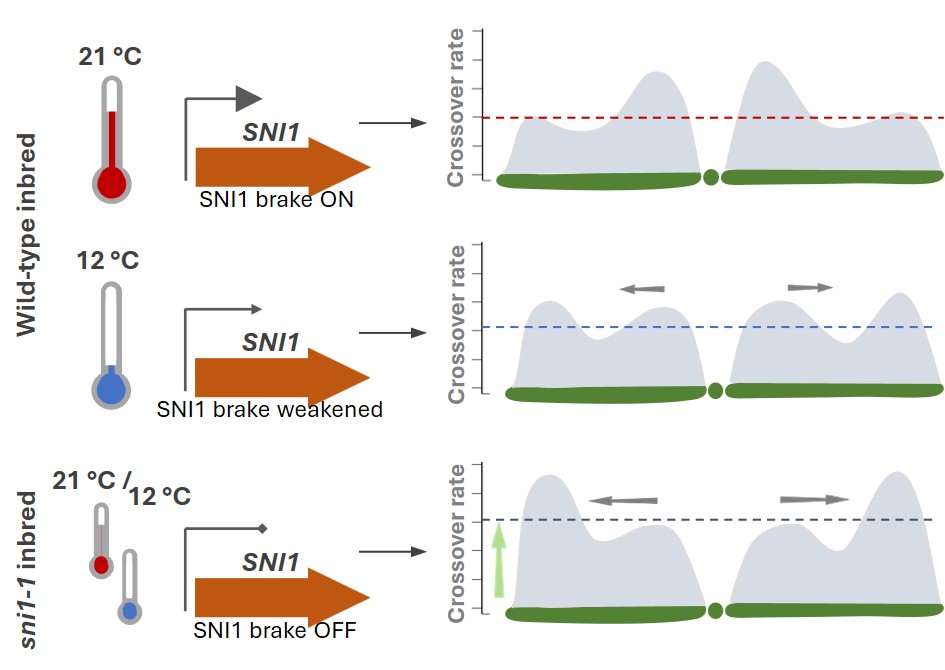
We identify SNI1 as the first plant gene linking temperature to meiotic recombination, generating genetic diversity that may help plants adapt.
https://t.co/MQmlpSMQM2
‼️A new story from our lab!🙌 We show that SNI1, a component of the SMC5/6 complex, acts as a temperature-dependent brake on class II crossovers, helping shape where genetic exchange occurs in Arabidopsis. Huge effort by Alex made it happen🙏
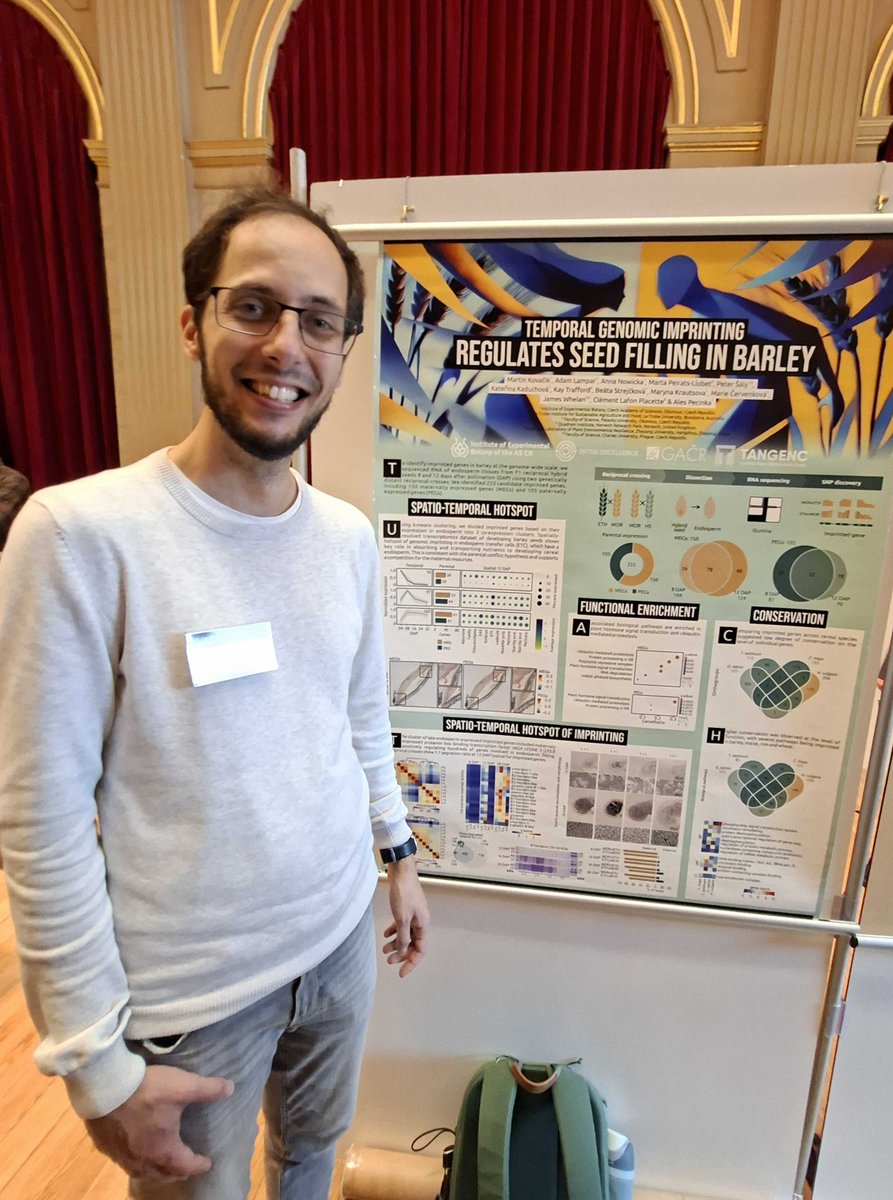
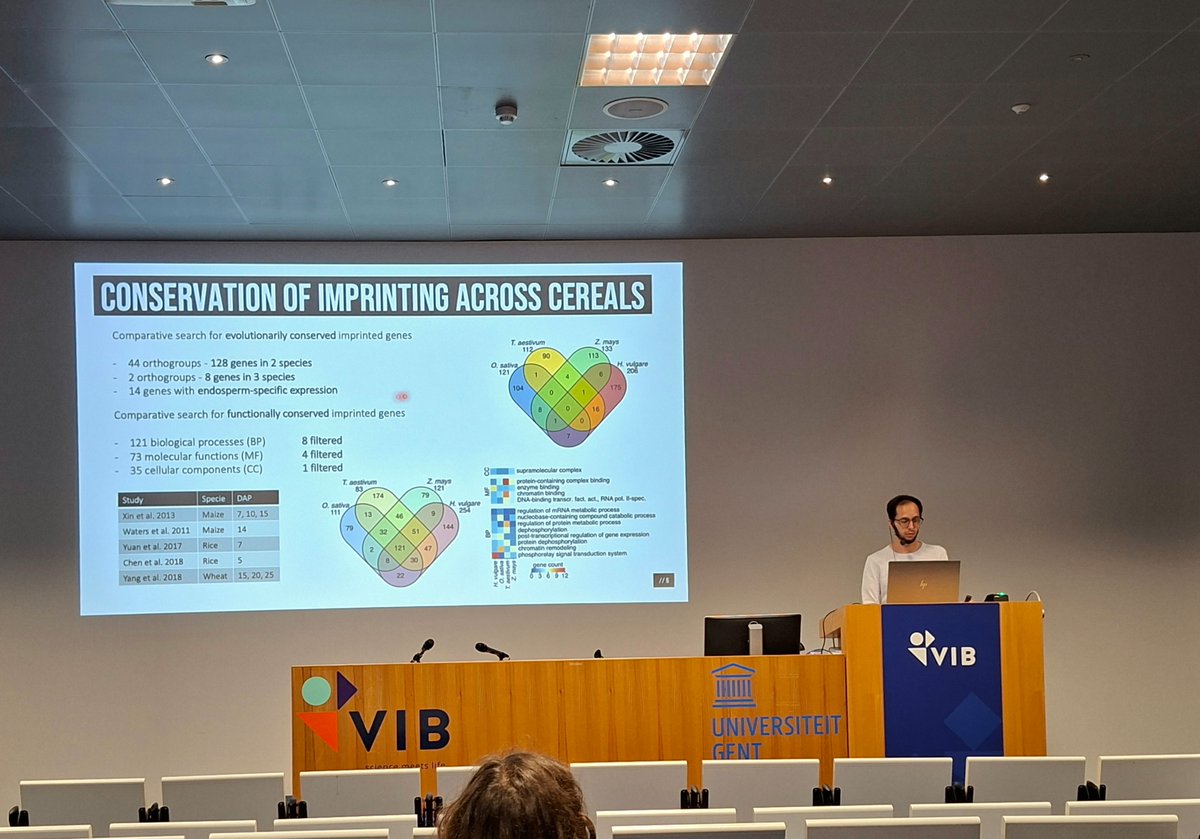
This week, Adam and Martin attended the “At the Forefront of Plant Research” conference at VIB in Ghent, presenting their work with beautiful posters. Martin also gave a talk at VIB’s Early Career Research Day. #ParentalConflict#Barley#Seed
New cat species discovered in over 100 years
Scientists have identified Leopardus tilcayo, a tiny wild cat found in Bolivia’s Yungas forests. The discovery began with a wildlife sanctuary reporting a “weird cat” and was later confirmed through genetic research
New cat alert! A call from a wildlife sanctuary about a "weird cat" has led to the first new cat species discovered in over 100 years in Bolivia’s Yungas forest ecoregion. Learn more about this feline surprise: https://t.co/crffXvPqH4