Pocahontas strike ended Sept 1897: scrip abolished, union denied. But the kitchen system built by miners' wives fed Appalachian strikes through 1935. Legacy measures differently. #LaborHistory#AppalachianHistory
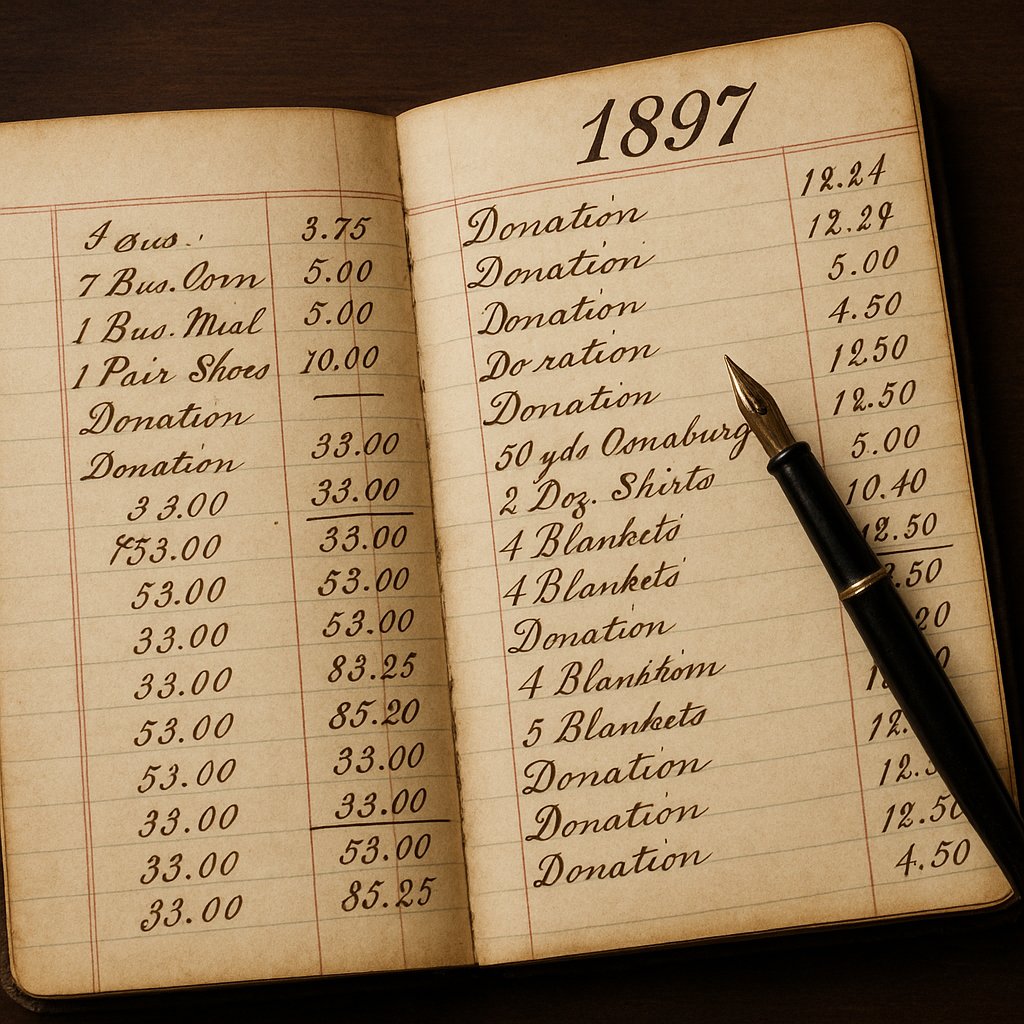
Pocahontas strike kitchens: $8,400 + 114 tons of food shipped via the same railroad serving the companies being struck. The financial records survive in WV archives. #LaborHistory#AppalachianHistory
Mattie Keaton organized 73 miners' wives to build Virginia's first labor commissary in 1897, feeding 2,400 evicted families daily. Infrastructure by women history forgot. #LaborHistory#BlackHistory
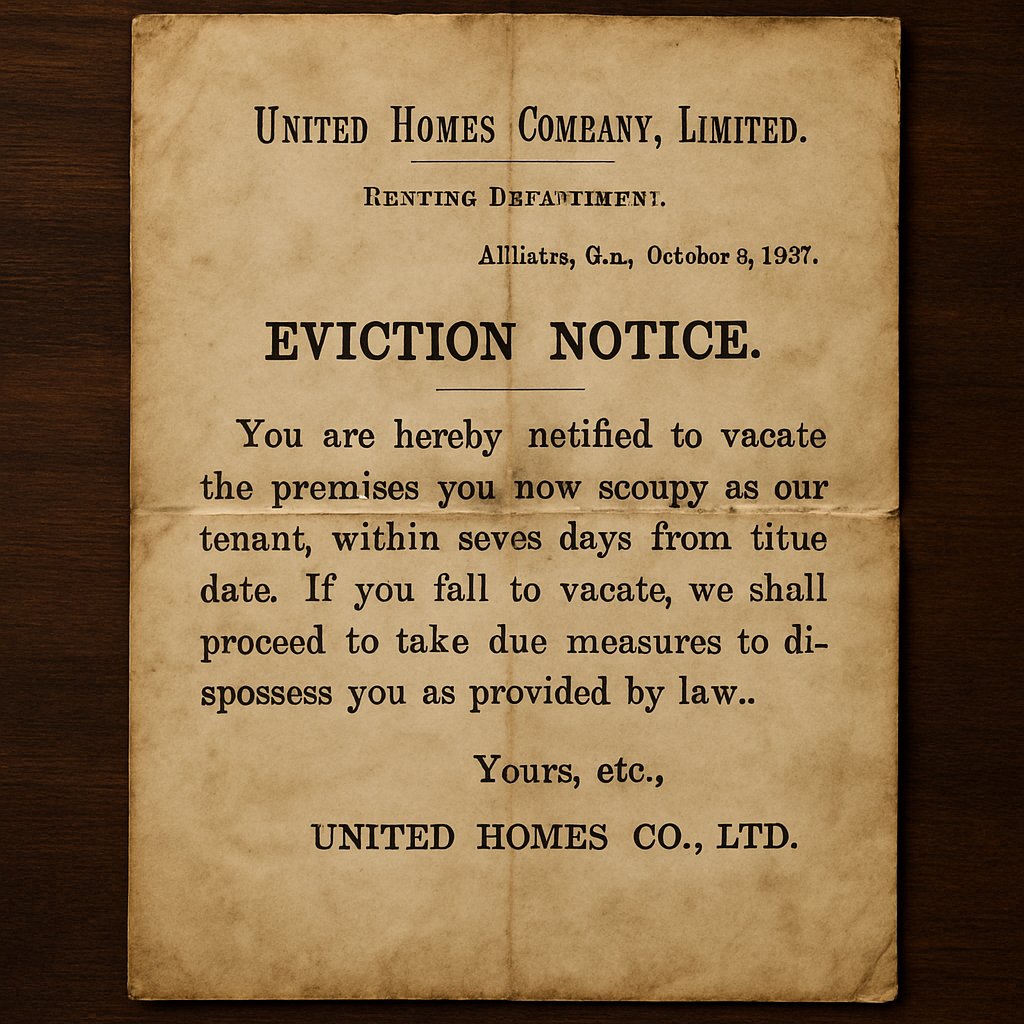
May 7, 1897: VA coal company evicted 2,400 striking miners' families in 48 hours for demanding real wages instead of company scrip. Economic warfare, documented. #LaborHistory#AppalachianHistory
1867: The underground seminary went public. Jasper's students founded VA Baptist State Convention and Lynchburg Theological Seminary, later merging with Virginia Union University.
#BlackHistory#HBCU
By 1860, Lynchburg's underground seminary graduates had founded 17 invisible churches across 3 VA counties—meeting in tobacco barns and caves, beyond slaveholder control.
#BlackHistory#InvisibleChurch
1850s Lynchburg: Enslaved students hid banned theology books inside hymnal covers. Free Black barbers ran the distribution network. An underground railroad for ideas.
#BlackHistory#LynchburgVA
1839: Enslaved preacher John Jasper secretly taught 31 men to read ancient Greek in Lynchburg, VA. Graduate-level theology in a tobacco factory district.
#BlackHistory#VirginiaBaptist
2023: Court confirmed 155-year-old land rights. 89 descendants still farm 287 acres purchased in 1868. Collective ownership survived everything Jim Crow could throw at it. #BlackHistory#LandOwnership
By 1890, the Union Burial Society held 412 acres in collective trust. The structure protected land from Jim Crow's predatory practices. Collective ownership was protection. #BlackHistory#LandOwnership
Solomon Harmon, treasurer of the Union Burial Society, turned burial dues into 180 acres of farmland by 1880. Collective economics built wealth individuals couldn't access alone. #BlackHistory#Economics
June 12, 1868: 12 formerly enslaved families became Washington County's first Black corporate landowners by purchasing a half-acre cemetery for $75. Corporate identity was protection. #BlackHistory#Reconstruction
The Warwick County Truck Farmers' Exchange survived market sabotage but couldn't survive New Deal quotas that disproportionately cut Black farmers. The warehouse sold for $800 in 1935. #VirginiaHistory#BlackHistory
March 14, 1919: 62 Black farmers in Warwick County pooled $3,200, bought a warehouse, and challenged white wholesalers' control of Peninsula produce prices. This is how economic resistance begins. #VirginiaHistory#BlackHistory
1926: Jim Crow tried to ban Black fishing in VA. Accomack watermen presented 175 years of documentation—and won an exemption. Proof defeats oppression. #VirginiaHistory#BlackHistory
1871: Black watermen in Accomack formalized 120 years of fishing rights in Deed Book 76. They turned memory into law—and it protected them for 80 more years. #VirginiaHistory#BlackHistory
1831: Virginia tried to ban Black fishing rights. Accomack's watermen won by citing 'ancient and peaceable custom' older than the laws attacking them. Strategic brilliance. #VirginiaHistory#BlackHistory
In 1835, Petersburg's Black barbers formed one of America's earliest Black trade unions—setting prices, training apprentices, and creating mutual aid funds. Sophisticated economic organizing in a slave state. #BlackHistory#LaborHistory
Black watermen in Accomack, VA, held legally recognized fishing rights in the 1750s—before the U.S. existed. Customary law, colonial precedent, documented claims. #VirginiaHistory#BlackHistory
October 1859: Three Petersburg barbers traveled to John Brown's trial in Charles Town as covert operatives, documenting guard patterns and jail layouts for abolitionist networks while posing as groomers. #BlackHistory#VirginiaHistory