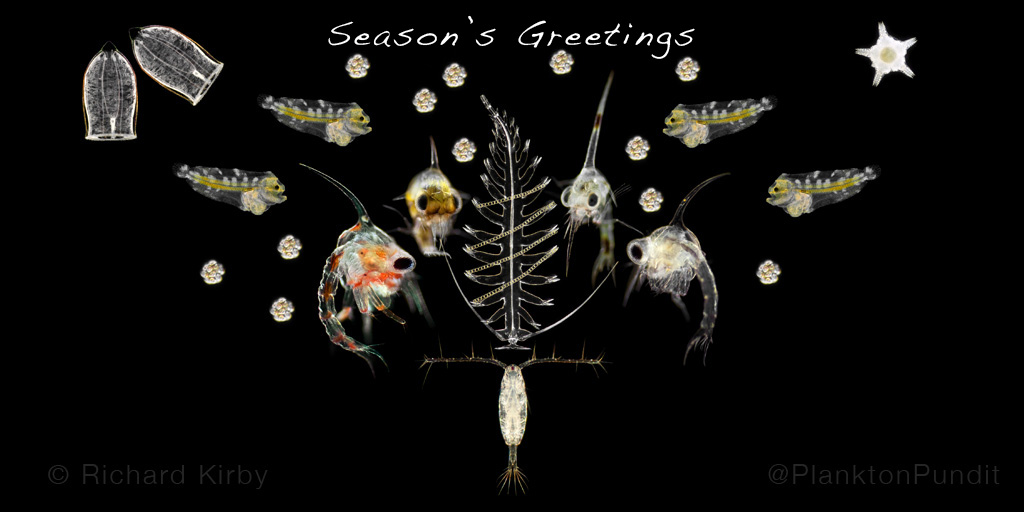
#Zooplankton are moving north into the #Arctic, but can they survive up there? Measuring the effects of genes & environment on survival @nerc_cao #climatechange
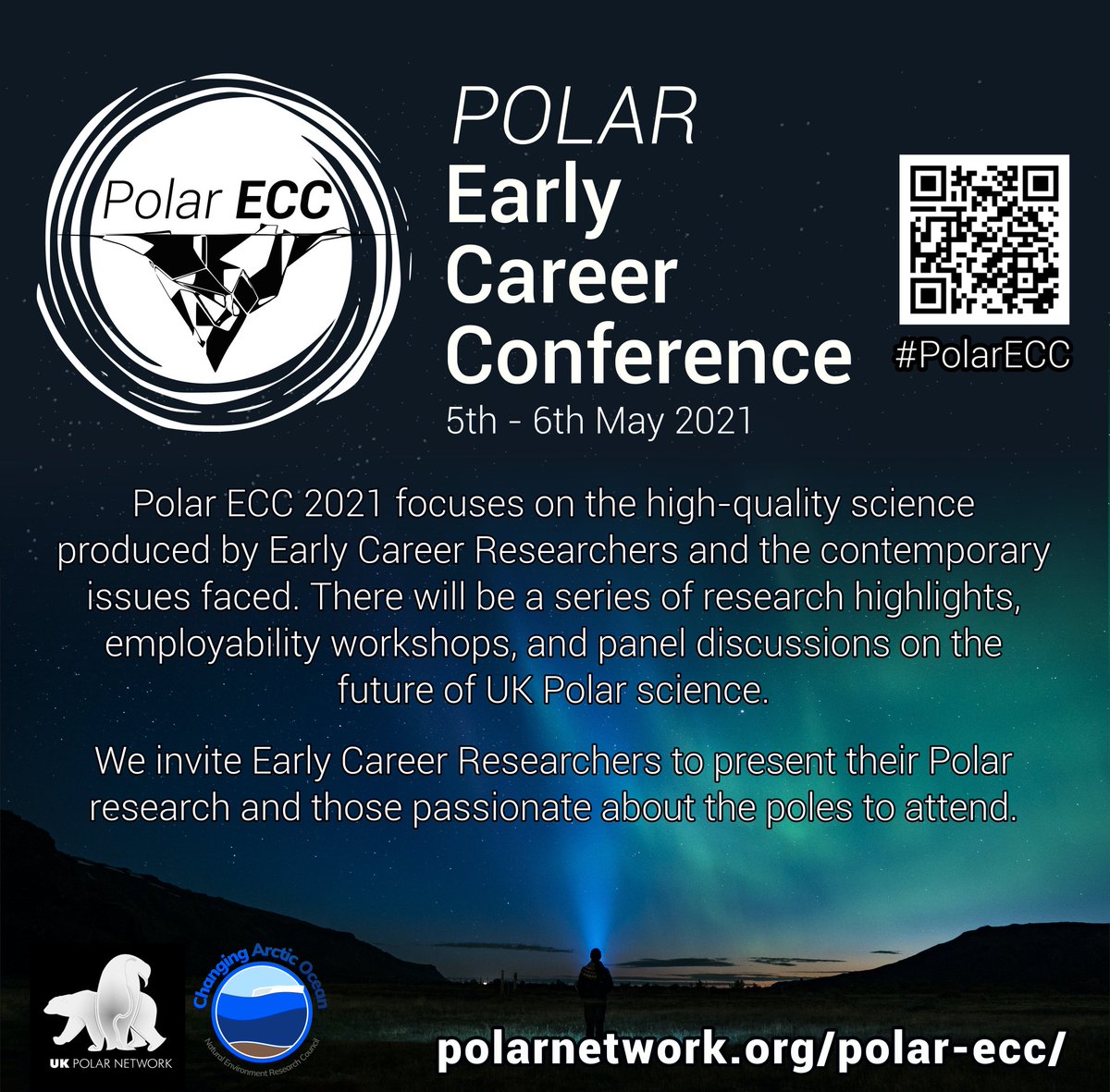
@ukpolarnetwork and @NERC_CAO proudly bring you the UK's Polar Early Career Conference - #PolarECC! Join us online on 5th & 6th May 2021. Submit your abstract by 19th March here https://t.co/9XI0RsfrMY, or register to attend here https://t.co/kCQuP7yTMY
Bon voyage to scientists taking part in a virtual #Arctic cruise this week on board the RV Publish!
Unable to go to sea for their winter expedition, researchers from SAMS & other institutes around the world will meet online for workshops & to analyse data from previous cruises.
Great the see this article in @theipaper today.
All about Arctic copepods and how their life history timings are dependent on food availability (which, like many things in the Arctic, is changing). https://t.co/kFTKFmDh4w
On the fifth day of #Krillmass, my true love sent to me
Five werewolves, (to be shouted with gusto, of course)
Four scary worms,
Three copepods,
Two olympic races,
And a fact about diversity
#TwelveDaysofKrillmass
In an attempt to share some #zooplankton facts, I'm going to start the #TwelveDaysOfKrillmass on Monday. 12 days leading up to Christmas, a new bit of zooplankton info each day. NOT exclusively krill, but Calanusmass doesn't sound as good 😜.
Very proud of Laura and team for publishing this #newpaper in @ScientificData. They generated a daily #transcriptome for a crucial copepod in the #Arctic and describe how they did it! Gene studies help understand how #plankton make it through an Arctic day
https://t.co/4ssmOletKF
Scientists @AlexanderHaywa4 and @scotland2arctic communicating in plain language! A very thorough and current article that clearly explains how phytoplankton are big players in the effects of climate change:
https://t.co/hbOi82DRhB