Introducing Arcwell. @robinhoodapp
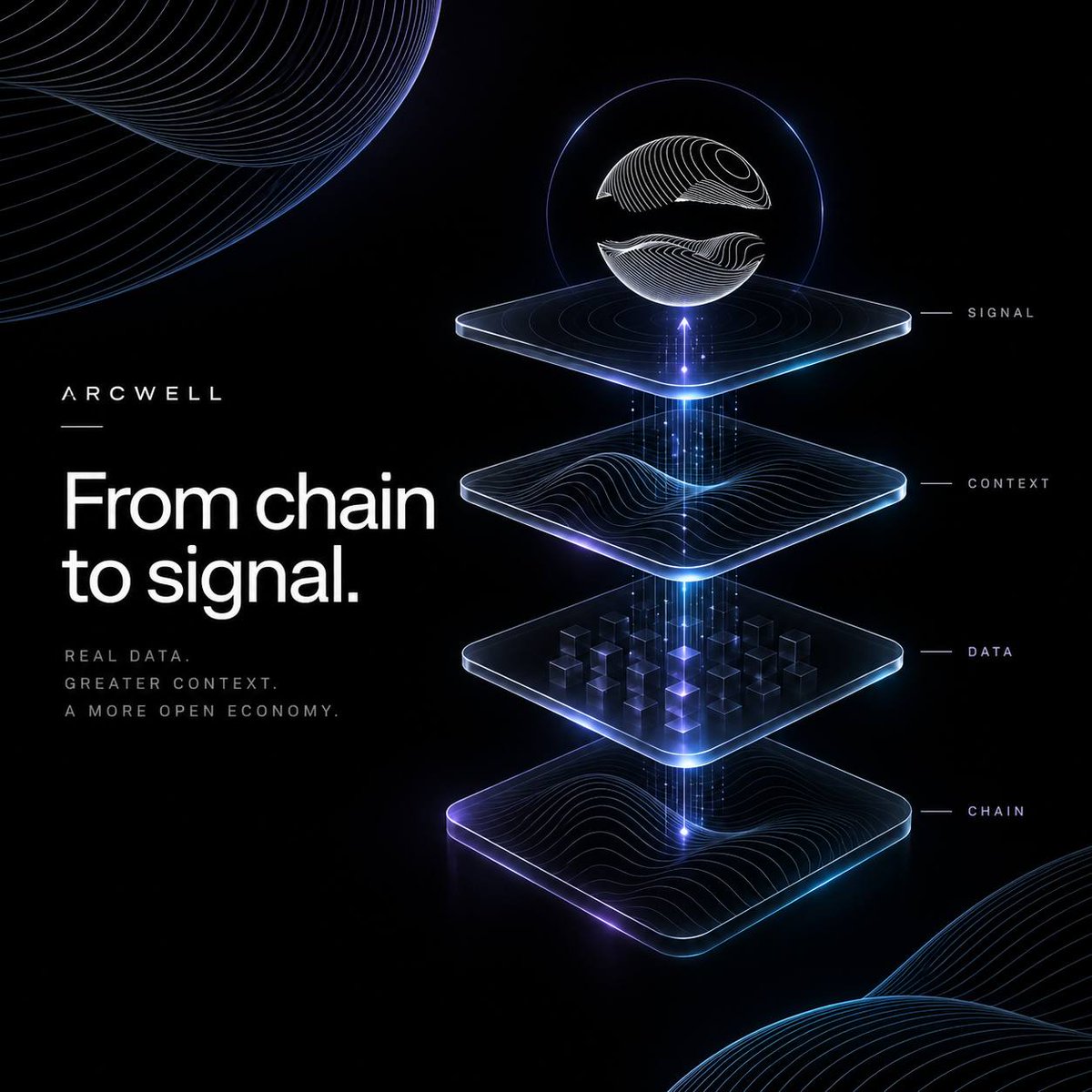
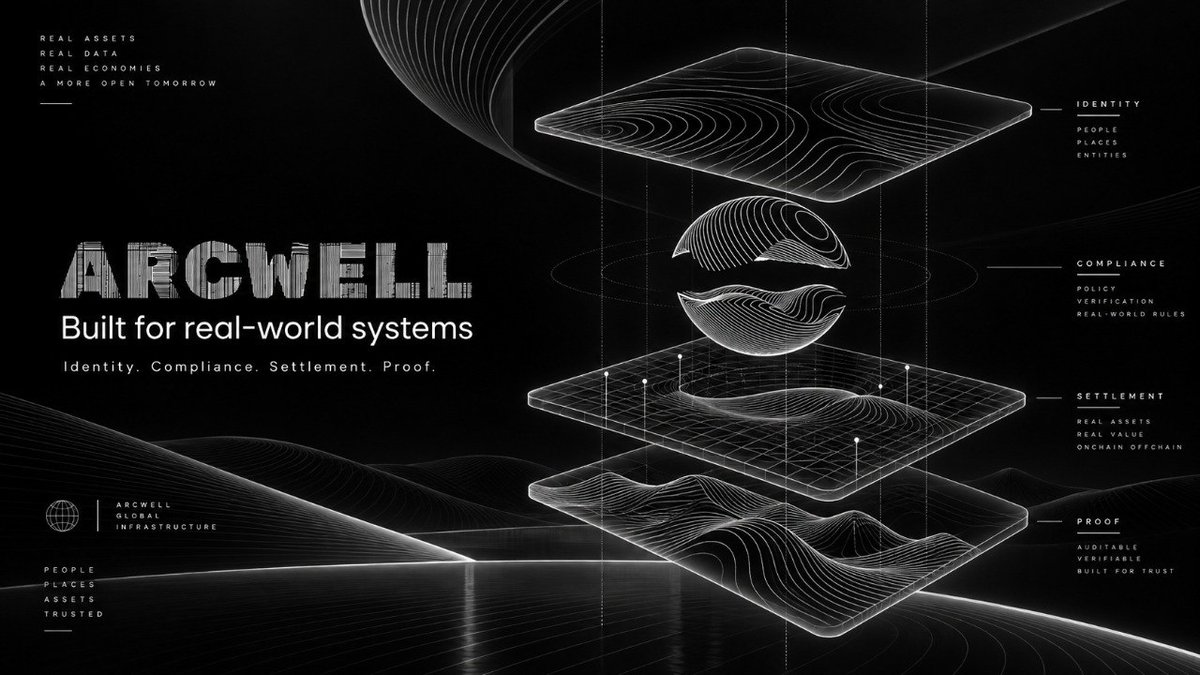
We’re bringing the operating layer for tokenized assets to @Arc, where the holder record, transfer conditions, document history and settlement flow should still agree after an asset changes hands.
The interesting part is not putting an asset onchain. It is making sure an amendment does not leave one version in a PDF, another in a spreadsheet, and a third in someone’s wallet history.
That is the work we have been focused on.
New issuance does not need to mean new infrastructure.
An Arcwell series begins with a controlled contract foundation, then receives the document reference, role configuration and policy set specific to that asset.
Reuse belongs in the machinery, not in the terms of the deal.
A balance is not enough for another system to operate an asset properly.
The integration needs a durable asset identifier, series context, a sequenced event stream and a status it can reconcile against its own records.
Anything less is an explorer wrapper with an API key.
The useful record is not merely that an issuer approved an action.
It is the full path into that approval, including who prepared it, what they saw, which authority applied and what state changed afterwards.
That is how an operational decision remains legible outside the room where it was made.
The useful place to find out a transfer will fail is before the signature.
Run the actual wallet, amount and timing against the live policy first.
The result should match the decision the contract will make, not send everyone back to email after a reverted transaction.
The chain needs an answer to one narrow question. Can this wallet receive this series right now?
It does not need the investor’s passport, address or full onboarding file.
Arcwell keeps the policy result on the rail and the identity record out of public reach.
Soon on @arc
A legacy cap table rarely arrives clean.
It comes with duplicate rows, changed legal names and notes from administrators who are no longer around to answer questions.
The import has to preserve the source, the checks and the outcome behind every balance that reaches the register.
Say a credit fund moves part of its book into a new vehicle and switches custodians at the same time.
The position should not disappear from the register while the back office figures the move.
Arcwell keeps the terms, wallet history and approvals attached, so ownership does not get lost between wallets and spreadsheets.
Good to see the map filling out this early.
Launch day gets the attention, but the builders who keep solving the awkward operational stuff after the noise moves on are what give a new chain depth.
We keep building
Arc Mainnet launched with more than infrastructure.
It launched with builders.
From San Francisco to Nigeria, Vietnam, India, Turkey, Singapore, Brazil, France, Argentina, and beyond, the Arc community is already building what comes next.
Arc is live.
Built so you can build.
Series A and Series B can share an issuer without sharing every rule, date or right.
Keeping their histories separate matters as much as showing a consolidated view, especially when one series changes while the other continues untouched.
Building on @arc
Small teams often put preparation, approval and investor support behind one login because it is faster.
The cleaner design keeps those actions distinct from day one, so a routine issuance never depends on one wallet with unlimited authority.
When wallets move during a distribution or vote, a live balance is not enough.
The event needs a dated entitlement snapshot tied to the relevant series, retained long enough for the calculation, election and final payment to be reconciled properly.
Soon on @arc
An issuance close is only complete when the approved allocation, funds received, units issued and register entry all point to the same position.
A green transaction status is useful, but it is not a closing process.
An investor can change a legal name, merge into another entity or update signatories without changing the position itself.
If every update creates a new record, the asset history begins to fracture.
Operations need continuity, not a fresh identity for every administrative change.
ARCWELL.
Someone will eventually ask who held a series on a particular date, not who is holding it now.
A live dashboard cannot answer a historical question by itself.
The record needs to return to the state that existed when the question actually mattered.
A fund changing custodians may move to a new wallet without selling a single unit.
When the record treats that migration like a new investor arriving, every downstream report starts telling the wrong story.
Wallet movement and ownership change are not always the same event.
One investor can split a position across five wallets without creating five new investors.
Systems that count addresses as holders turn a real ownership limit into a wallet management exercise.
The register needs to keep the holder and the address from becoming the same thing.
A wallet can be cleared to receive an asset in January and lose that status by June.
If the next transfer only checks whether it held tokens before, the rule has already gone stale.
Eligibility has to be evaluated when the asset moves, not filed away after onboarding.
Soon @arc
Nobody should need to decode a contract call, open five PDFs or ask in Telegram just to understand what they hold.
The important details should still be clear when the asset moves from one wallet to another.
A block explorer can show that a transfer happened, but it cannot tell an issuer which series moved, what record changed or whether someone now needs to act on it.
Raw chain activity is useful. It is not an operations desk.
Arcwell on @arc