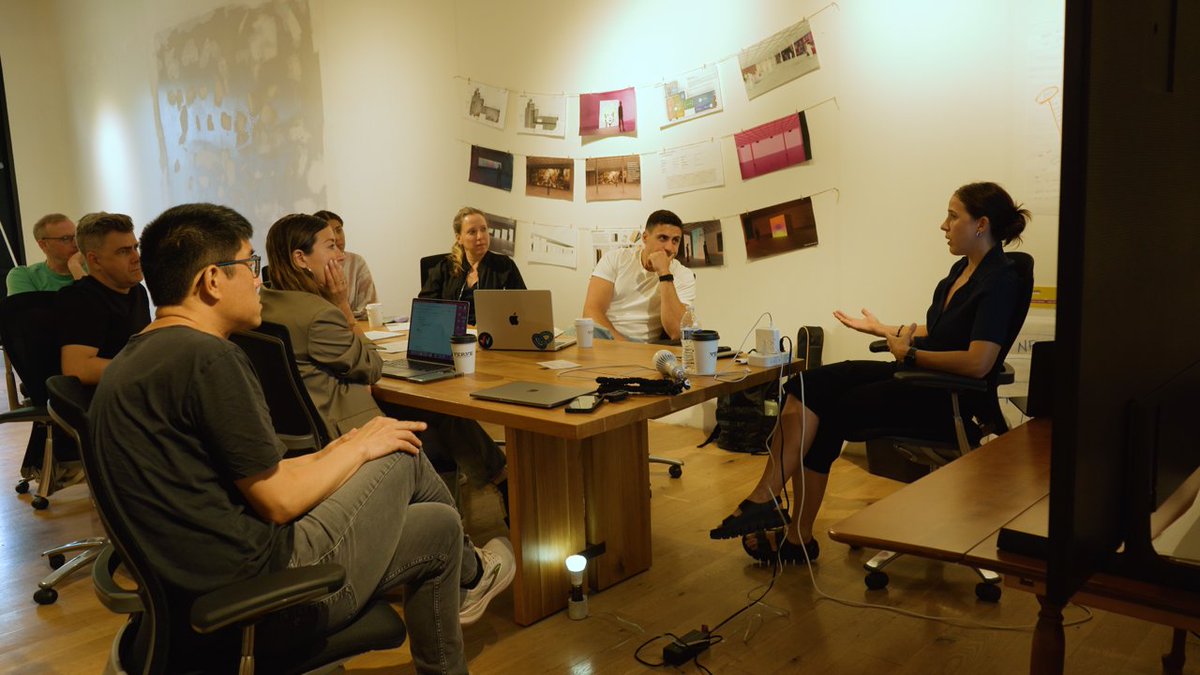
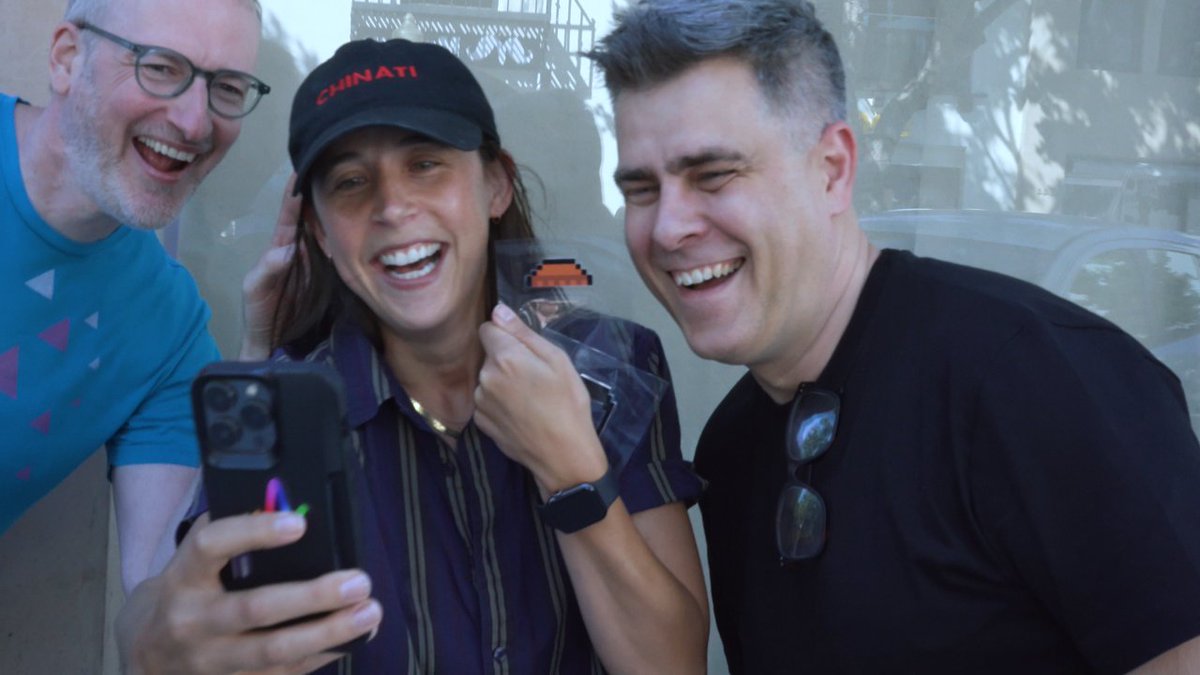
I started this series (about the history of modern exhibitions), when I was in deep research for the show I was invited to curate at NODE: an exhibition on CryptoPunks by @larvalabs. I was thinking about the ways early digital art and blockchain-based projects transformed how we understand art in a networked capacity and how to encounter art in the 21st century. Now, seeing 10,000 come to life, I can trace the arc from that curiosity to the fully realized show opening this weekend at @nodefnd
Over the last year I had the pleasure of working with the most amazing team, learning so much along the way working with @NaughtalieStone, @loudsqueakmedia, @q2design, VTV, @philmohun, @yungwknd, and so many others. First and foremost, we listened to the artists, @matthall2000 and @pents90. From its inception, we knew we wanted a show that would clarify that CryptoPunks is a work of living software, not static images. The exhibition needed to reflect the real-time nature of the artwork and its marketplace (a shout-out and huge thanks also to @michael_connor and his brilliant essay on this topic and its history)
Rather than attempt to explain "What are CryptoPunks?", we wanted to see if it would be possible to capture the wonder that first claimers must have felt when coming across this project in 2017. That question shaped the exhibition’s first principle: Free to Claim. Early CryptoPunks asked only for curiosity: You could opt in—or walk away….but curiosity will be rewarded.
The second principle of the exhibition is: Learn by Playing. I decided to minimize didactics on purpose. Good exhibition design, like good UX, should guide a user (or viewer) intuitively. The visitor should learn by looking, moving, and if they want to dive further, there's always https://t.co/XQiej7JLBf (a visit to that URL is a measure of success for this exhibition).
Another decision that was crucial: Show the code. There are no CryptoPunks without it—no images, no marketplace, no community. The code isn’t just infrastructure; it’s the form. (Thanks to @visualizevalue and @jalilwahdat whose amazing essay on this subject I’ve referenced a hundred times)
CryptoPunks are animated by 10,000 pixelated portraits that represent a typology of the 21st century. There are 5 Types with 87 possible attributes, each composed of a palette of 221 colors within a grid of 576 pixels. 4 possible actions on 1 marketplace, which refreshes roughly every 12 seconds on the Ethereum blockchain. CryptoPunks are where quantitative scarcity meets subjective value.
10,000 is also the first time all CryptoPunks have been shown together in their digitally native form in an exhibition. While a new viewer may be overwhelmed by the number, I hope that something counterintuitive emerges: the realization that 10,000 is intimate, it's finite. As we move deeper into the 21st century — into a fully networked, computational, and interplanetary way of thinking — our sense of scale has shifted. We now understand numbers differently. We live inside systems that regularly operate at millions, billions, even trillions. To be one of 10,000 in a global, networked culture is not overwhelming,it’s rare. And to be part of that network is something unusually human.
Classical Revival by @Phenomenalabs debuted last year in Marfa during Art Blocks Marfa Weekend.
This interactive generative artwork changes with touch, reimagining historical aesthetics as a dynamic digital organism.
Phenomena Labs is now bringing Classical Revival to Art Blocks Studio as a long-form generative project, open to all collectors, starting April 16.
JUNK x @beeple
Very excited that my JUNK #108 will be incorporated into Beeple's Diffuse Control as part of a curation by @batsoupyum and @musicalnetta for BEEPLE: / INFINITE_LOOP
opening 4.18.26 palo alto
@nodefnd
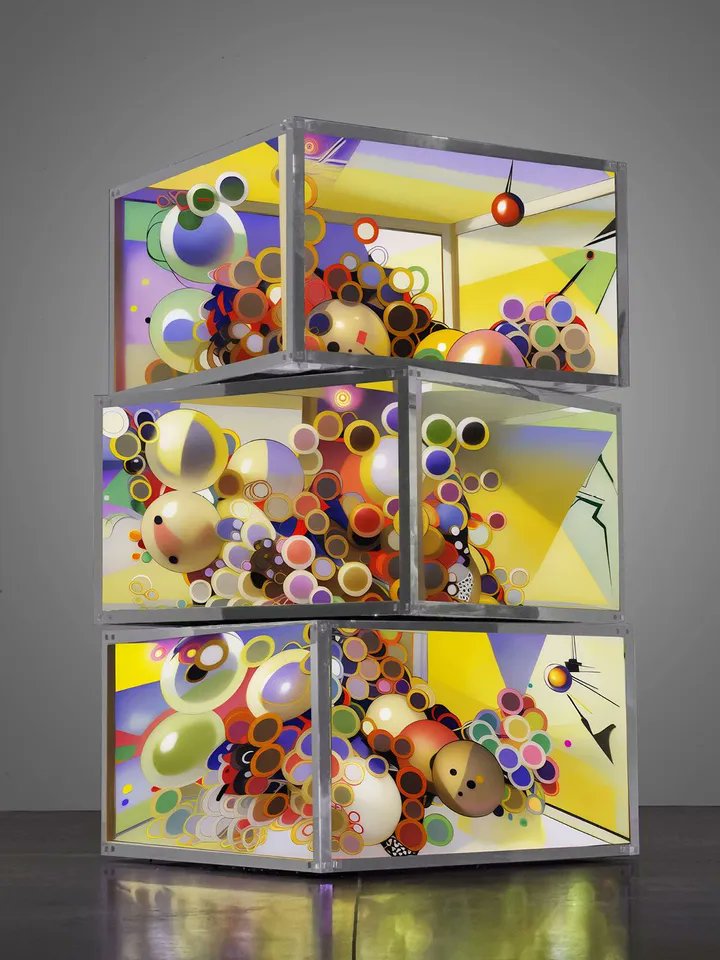
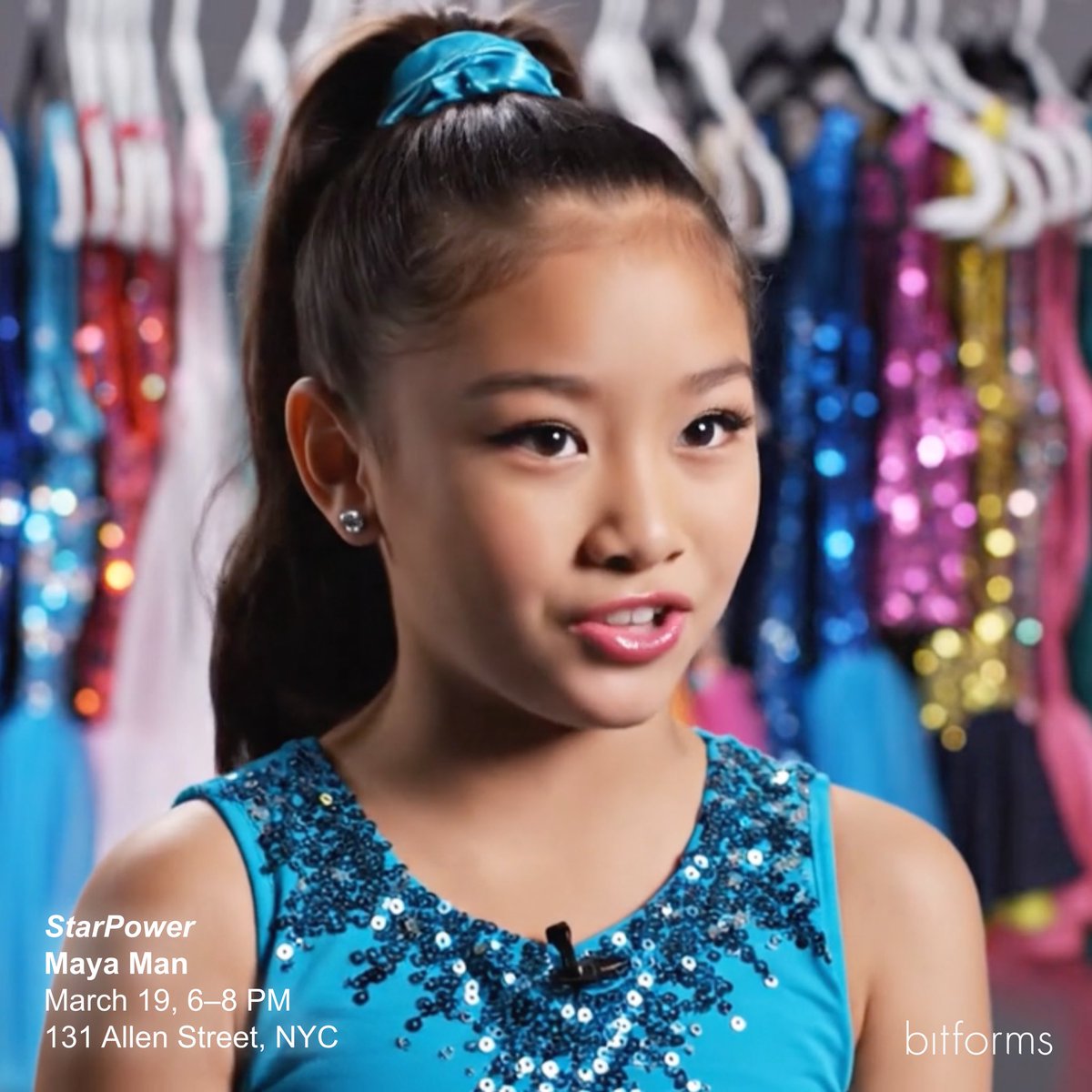
my debut NYC solo exhibition StarPower opens next Thursday, March 19, 6–8 PM @bitforms !!!
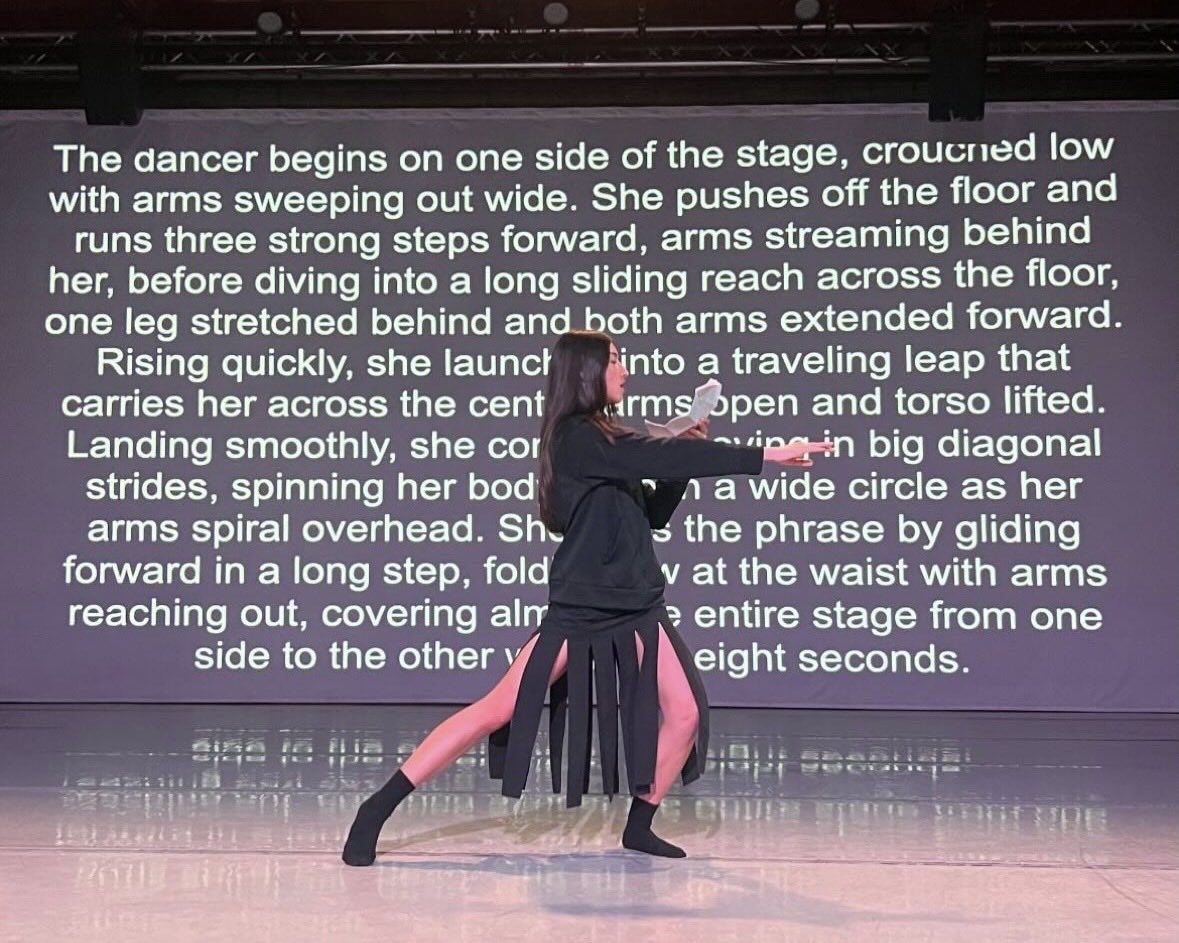
season finale for this body of work, hope to see you there 🎭
Feels like for anyone whose art practice involves systems or software at all, now is the time to dream ridiculously big. not only in scale, but in weirdness, depth or scope.
Le voyage dans la lune (A Trip to the Moon), Georges Méliès, 1902
What do you see?
A black and white film that tells the adventure of a group of eccentric scientists who are shot to the Moon in a projectile.
How was it made?
In 1895, Méliès attended the first public film screening by the Lumière brothers in Paris. Where they saw documentary realism, he saw illusion. Inspired by novels such as From the Earth to the Moon by Jules Verne and The First Men in the Moon by H.G. Wells created what is widely considered the first science fiction film. At the time, most films lasted less than one minute, making this film at 14 minutes long, it was radically ambitious.
Méliès used painted sets, elaborate costumes, and effects like zoom edits, crossfades, and superimpositions to take audiences to places humans wouldn’t reach for decades, turning cinema into a medium for pure imagination. He recounted at the end of its debut, after the last scene: “there was delirium. Never had such a film been seen, it was the first of its kind, which explains the effect it produced."
ETH Node, by @larvalabs , 2026
What do you see?
A cube covered on all sides with grids of pixels. Patterns form across the surface as it emits a cool blue glow.
How was it made?
The piece runs on a live connection to the Ethereum blockchain. An Ethereum node continuously listens for new blocks as they are produced (roughly every 12 seconds), pulling the block’s transaction data to drive a real-time animation. Gradations of blue moving toward white indicate the cost of each transaction, reflecting either its computational complexity or the gas price set by the sender. On the occasion where a CryptoPunks transaction is mined, the LEDs are color-coded to the type of transaction. The effects of the transaction are then transmitted across the NODE space as it faithfully documents the living, decentralized art project that is the CryptoPunks.
This work, currently on display at @nodefnd, is adaptable. In future exhibitions, the Ethereum node can be configured to respond to other artists’ smart contracts, allowing the piece to evolve with the space.