Discover more from ASHA's high-impact research journals: AJA, AJSLP, JSLHR, & LSHSS. Now continuously published on the ASHAWire platform. Also, @SIGPerspectives
We had a busy week last week, publishing 30 articles! Check out what you may have missed while you were at the ASHA Convention! https://t.co/aNY4iFubq7
Audiological case interpretation and management recommendations generated by two freely-accessible LLM chatbots (#ChatGPT 3.5 and #Gemini 2.0 Flash) were compared with those of qualified audiologists, using an expert-rated quality assessment tool.
https://t.co/4DYlXIoWLy #AI
Top researchers presenting at this year's ASHA Convention have a long history of publishing in ASHA Journals! Learn more on Context!
https://t.co/suAAuEQKiK
Does early language delay leave lasting auditory signatures? A new #LSHSS study found reduced medial olivocochlear efferent activity in children with a history of late talking.
https://t.co/dKOaQzkJqx
It’s #ResearchTuesday!
Function-led, tailored speech-language therapy can help people with primary progressive aphasia improve selected language measures.
Learn more in AJSLP! https://t.co/AfJoJa3hYs
@ASHAJournals@CSDisseminate#SLPeeps
Using an intersectional, gender-informed lens, this study showed that Chinese women who stutter did not experience stuttering as a narrowly bounded speech difficulty. Rather, they described it as shaped by broader gendered social conditions.
https://t.co/rYMRFk5XO1
Family-centered practice is widely endorsed in early childhood stuttering intervention. Yet how it is experienced and enacted by speech-language therapists in clinical work remains largely unexamined.
https://t.co/Y9XRbRLPqn #SLPeeps#SLP2b#OpenAccess
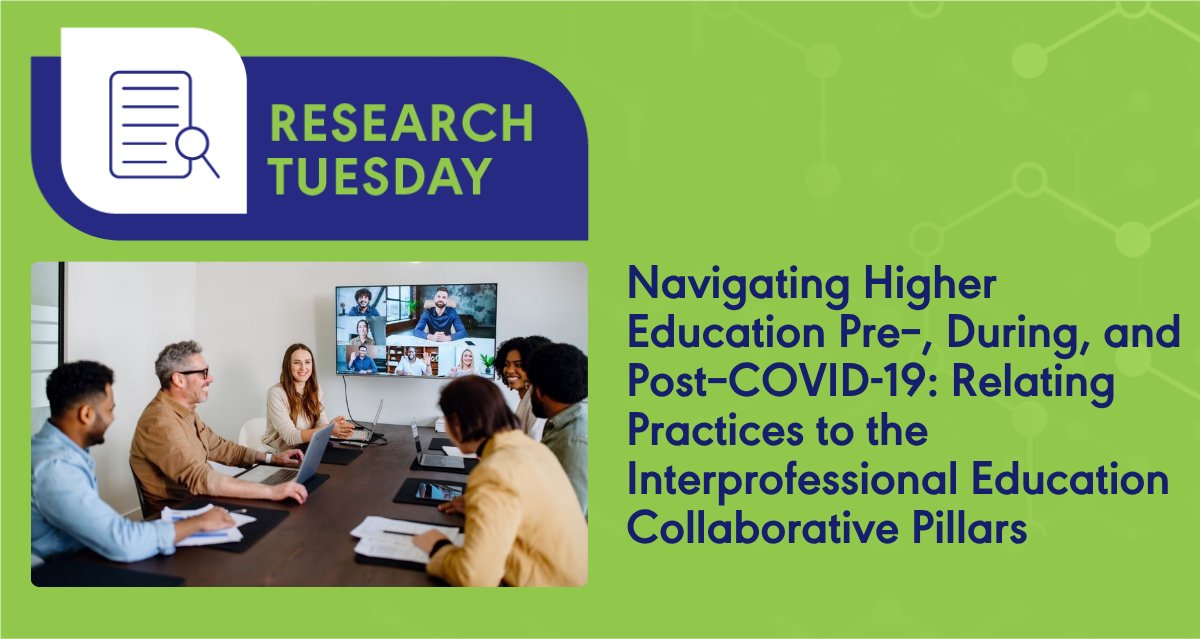
It’s #ResearchTuesday!
The COVID-19 pandemic disrupted learning for students in CSD courses, including opportunities for interprofessional education.
Learn what educators are doing! https://t.co/S6sI8SANzj
@ASHAJournals@CSDisseminate#SLPeeps
As a step toward integrating photographic visual scene displays in brain–computer interface, this study examined the feasibility of incorporating contextual, naturalistic scenes in which communication items were embedded asymmetrically. #AAC
https://t.co/NMwgO4KeBk
The latest Special Issue of the American Journal of Speech-Language Pathology contains 27 articles you can use in your aphasia practice! Learn more on the Context Blog
https://t.co/PKNlOiw6RE
In health care settings, people with communication disabilities (CDs) are more likely to experience worse healthcare outcomes related to communication barriers. Here's a guide showing how SLPs can help close the policy-to-practice gap.
https://t.co/tf8Cl3UPmA
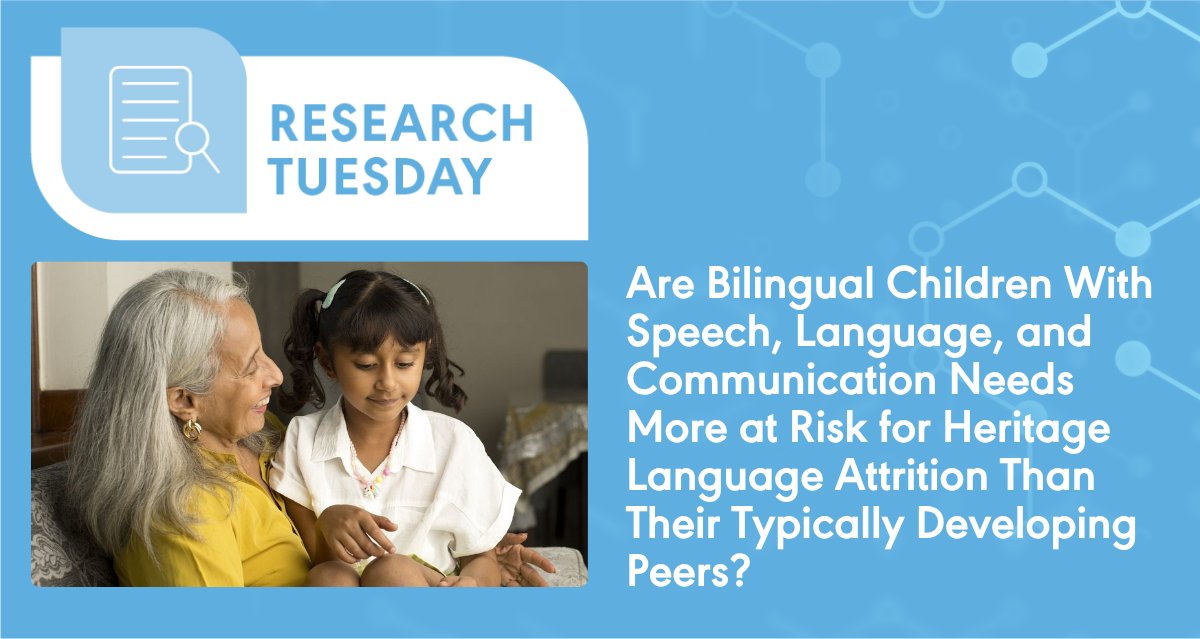
This article from JSLHR found that bilingual children with speech, language, and communication needs face a higher risk of reduced heritage language experiences.
📖 Read more: https://t.co/4DiECktIYJ #ResearchTuesday#SLPeeps@ASHAJournals@CSDisseminate
Findings of this #AJSLP study suggest that BAbSANT (Bilingual Abstract Semantic Associative Network Training) is a linguistically and culturally appropriate word retrieval therapy for bilingual persons with aphasia.
https://t.co/iMPtHMhpAn
In 2027 we're debuting a new look for AJSLP! The same clinical focus you love, with articles divided into three sections. Learn more on the Context Blog! https://t.co/EhGuNbIFES
An expanded version of multimodal communication treatment was explored by including a discourse task and group activities on #telepractice to mirror daily communication and improve communication success for people with severe nonfluent aphasia.
https://t.co/OR719EPuEE
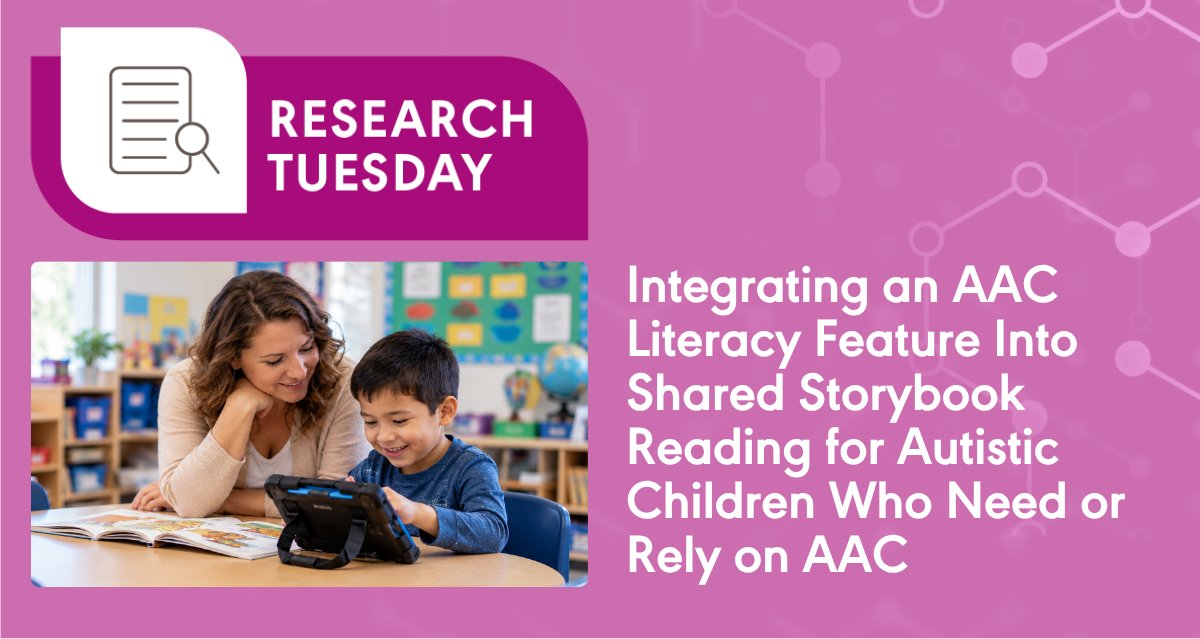
Happy #ResearchTuesday📚!
In recognition of AAC Awareness Month, this week we’re featuring an article on integrating literacy targets into shared storybook reading with children who use AAC!
Check out this study: https://t.co/weOfbjArtP
@ASHAJournals@CSDisseminate#SLPeeps
The leaves are changing, the days are getting shorter, and ASHA Journals keep rolling on! Check out more than 20 articles published Last Week in the ASHA Journals!
https://t.co/uhlUNAeGm6