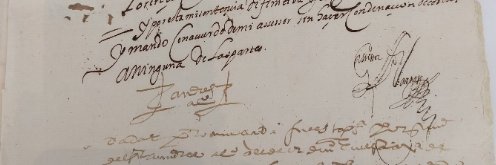
Rebecca Wartell discusses examples of Luis Carvajal’s letters and their use of matriarchal stewardship in the cryptic realm in her paper “The Wandering Bride and the Fierce Widow: The Divine Feminine in Early Modern Jewish and Converso Veneration.” #ASPHS52
Looking at Queen Consort Isabel of Portugal and concubine Lucretia d’Alagno demonstrate the complexity of contemporary perceptions of the ability of women to influence male rulers.
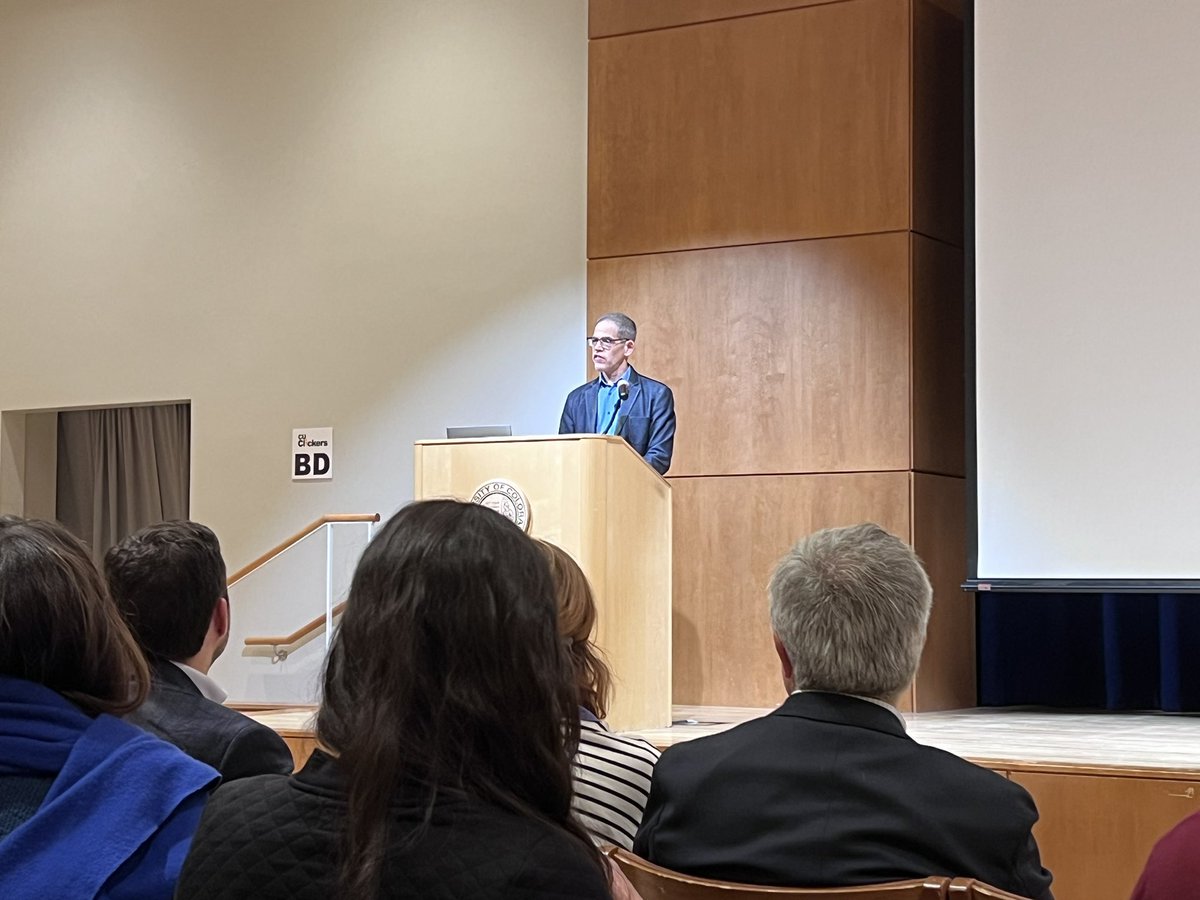
Nuria Silleras-Fernandez of University of Colorado, Boulder presents
“Ruling Sexualities under the Trastámara or the Power of Wives and Concubines. #ASPHS52
Her source base includes over 3000 between Juan de Escobedo and his second wife. 700 of these are from 1569 that provide biographical information and evidence of Constanza’s resourcefulness and agency.
Vanessa de Cruz Medina of the Universidad de Castilla-La Mancha discusses “The Royal Secretary’s Wife: Art and Power in Constanza de Castañeda’s Correspondence.”
Carmen Ripollés introduces Sergio Ramiro Ramírez of the CSIC who is presenting “Before the Artistic Display: Secretaries and Ambassadors and Cultural Liaisons between Habsburg Courts” #ASPHS52
Raphael Murillo presents “Empire of Financial Justice: A Genoese Perception of Philip II’s 1575 Bankruptcy.” Outside perceptions of these financial problems were critical yet understudied. #ASPHS52
Michael J. Levin of the University of Akron asks if Early Modern Spanish espionage is overrated? He gives two cases of spectacular intelligence failures. #ASPHS52
In Venice a generation later, there was no network in place for the arriving Spanish ambassador who wrote “one can be sure of them unless they deceive me.”
Dauverd argues that Portuguese and Vatican archives reveal that the papacy was not a mere spectator in these conquests. Popes sought peace through might in their shifting alliances. #ASPHS52