Dr. André Silva Pimentel is a Professor at PUC-Rio, working in the field of AI, Toxicology, Langmuir films, Drugs, Machine Learning, and Molecular Dynamics
For AI and ML researchers in Chemistry: Submissions will be welcomed at any point up until 31 October 2026. APC free. Publication costs for Discover Chemistry are covered by Springer Nature until 31 December 2026.
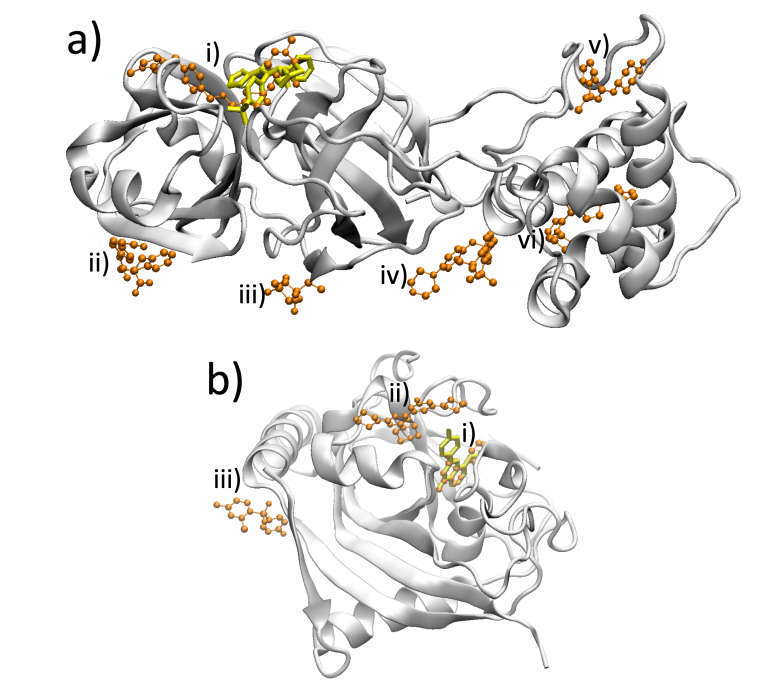
Boltz-2 for drug discovery - is the hype justified?
A new study tested it on 38,000+ compounds across two targets:weak to moderate correlation with physics-based binding free energies. Among the top 100 compounds: no significant correlation at all.
https://t.co/3ObyPCdorg
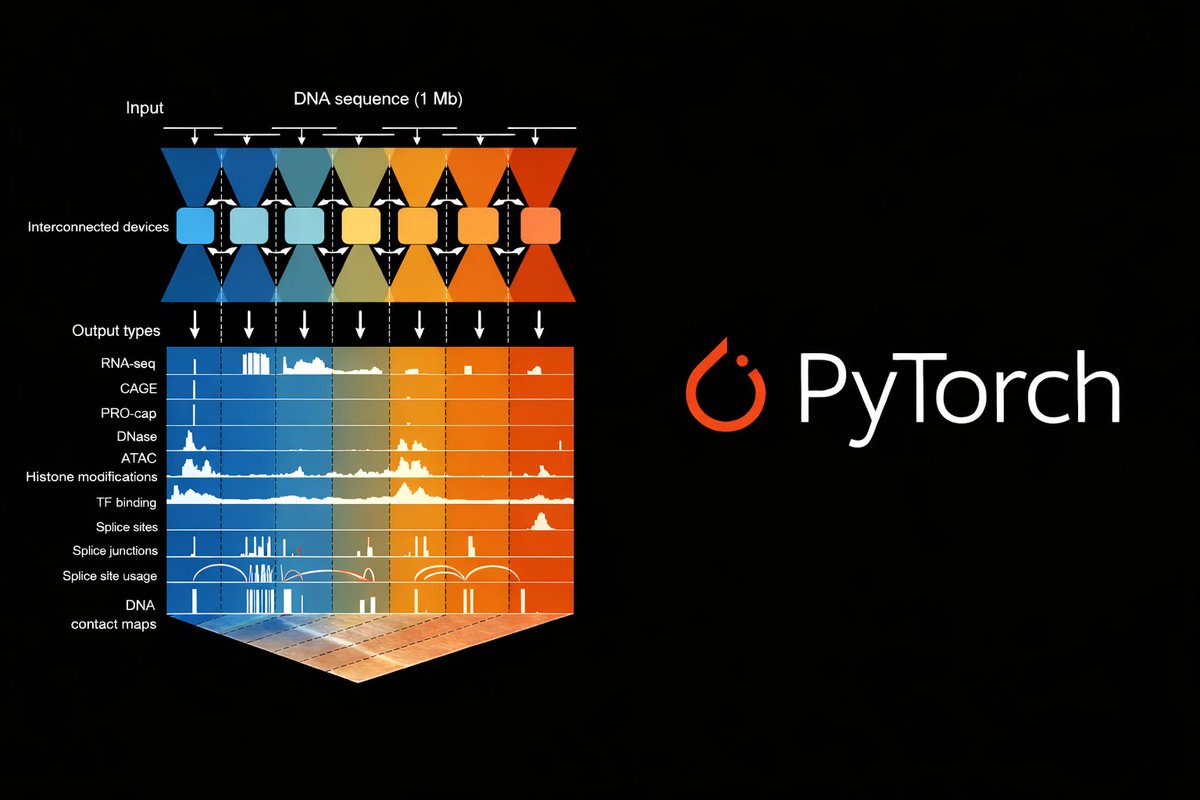
Thrilled to announce alphagenome-pytorch, an accurate, readable, and careful port of AlphaGenome's architecture and weights to PyTorch. Work with @gtcaa@m_kjellberg@chriswzou@tuxinming as part of the GenomicsxAI initiative between @anshulkundaje and @pkoo562 labs.
We worked with @Ginkgo to connect GPT-5 to an autonomous lab, so it could propose experiments, run them at scale, learn from the results, and decide what to try next. That closed loop brought protein production cost down by 40%.
10) Review articles provide critical accounts and comprehensive surveys of topics of major current interest within the scope of the journal. Please note that we accept Review articles of any length under the ‘Review’ article type.
Calling for your paper for the upcoming collection
Advances in Digital Chemical Discovery
I’m honored to be serving as the collection’s Guest Editor and eager to read your submission. Learn more about the
collection and how to contribute:
https://t.co/EY5bbVNTBg
9) Registered Reports are a publication format in which the research question and the quality of methodology are peer reviewed before the data are collected and analysed.
Through rigorous peer review and open access dissemination, Advances in Digital Chemical Discovery will foster cross-disciplinary dialogue, encourage the adoption of reproducible digital practices, and accelerate the translation of data-centric research into scientific impact.
Driven by the ongoing digital transformation of the chemical industry, academy and related sectors, this Collection aspires to become a premier venue for disseminating foundational methods, applied technologies, and integrative case studies that redefine discovery the future.
By bringing together contributions across chemical, food, cosmetic, pharmacological, toxicological, environmental, materials, biochemical, biomedical, and biophysical sciences, Advances in Digital Chemical Discovery seeks to reflect the breadth and depth of digital innovation.
Such as autonomous research agents, multi-agent systems, tool-using and planning-enabled AI, closed-loop decision-making frameworks, and self-reflective or self-improving agents for experimental design, data analysis, and knowledge discovery.