AI has reignited an old fear—that technology will eliminate work. In a new F&D piece, I argue that the outcomes will depend more on the policies that govern the adjustment than on AI as a technology (thread)
https://t.co/E5Qqd1Pcw8
In a new @FT op‑ed, the IMF’s @ASelassie reflects on his decades of working with countries, the lessons learned from those countries “living on the edge”—not in outright crisis but vulnerable to shocks—and why he remains optimistic for Africa’s future. https://t.co/TpBlkuJlmM
As I prepare to hang up my boots as director of the IMF’s African Department, I can’t help but reflect… and a set of abiding lessons recurs…
I remain optimistic about the regions prospects. Indeed, this will be the African Century. But only… https://t.co/Mon7GEiXTk
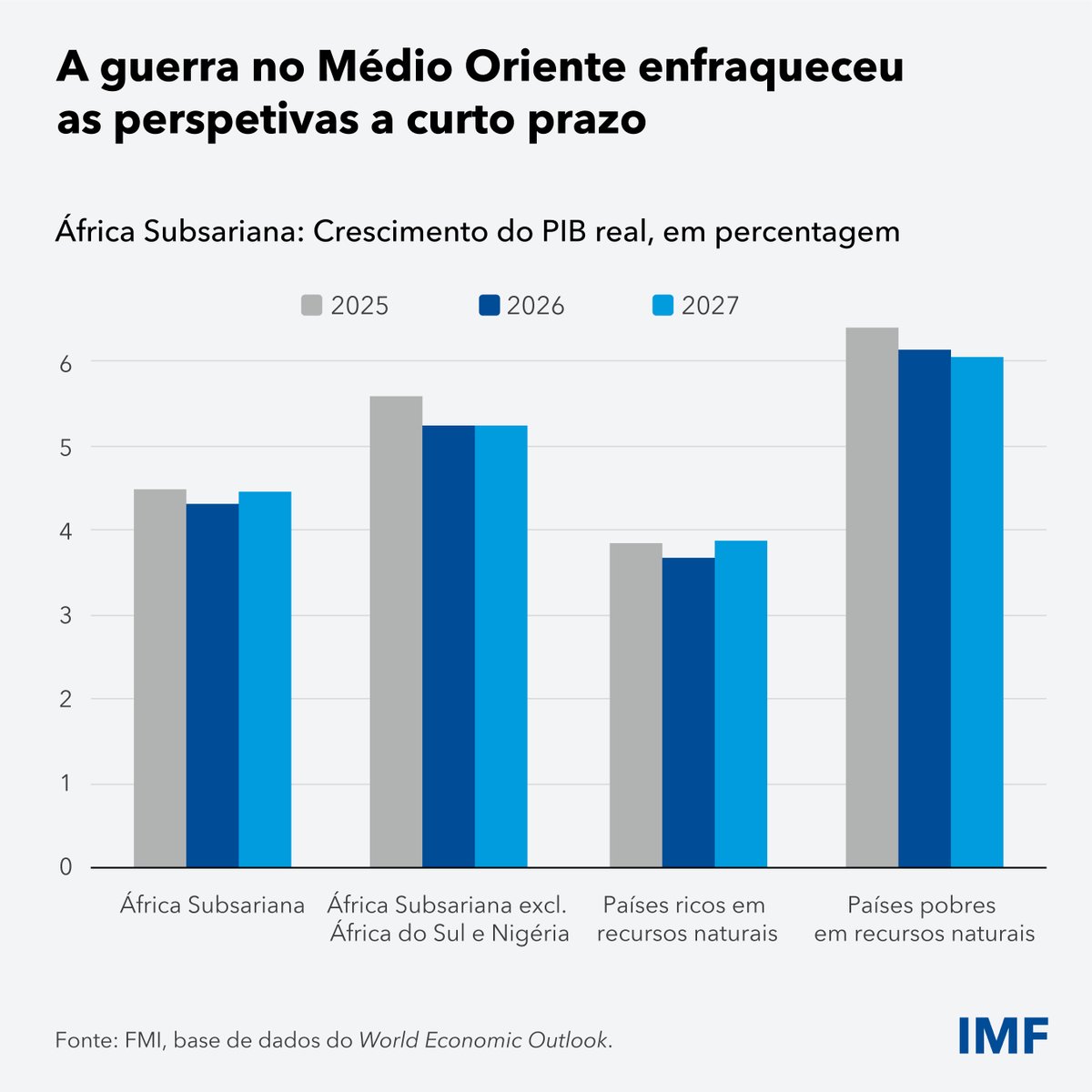
A África entrou em 2026 registando o seu maior crescimento da última década. No nosso último blogue, @aselassie explica como o aumento dos preços das matérias-primas e o endurecimento das condições financeiras representam agora novos riscos. https://t.co/Z2wlUDIehq
For Burkina Faso, domestic revenue mobilization is not a technical exercise. It is a matter of sovereignty. Finance Minister Aboubacar Nacanabo explains why. Watch the event here: https://t.co/aFVoUK5FhE
L’AfSS est face à des risques accrus alors que les progrès en matière de croissance se concrétisent. Après avoir connu la plus forte croissance en 10 ans, de nouveaux chocs mondiaux liés à la guerre au M.-O. pèsent sur les perspectives. Lisez @aselassie: https://t.co/eUGoHJ3WGy
To weather the latest shock, countries should ensure that any near-term supportive measures are time-bound and targeted at the most vulnerable, and maintain the focus on medium-term development objectives… 5/5
Sub-Saharan Africa’s economies entered 2026 with significant momentum. The region had notched its fastest growth rate in 10 years—4.5 percent in 2025—buoyed by reduced macroeconomic imbalances, rising investment levels, and improving market sentiment…. 1/5
Africa faces mounting risks just as growth gains take hold. After the fastest growth in a decade, new global shocks amid the war in the Middle East, are weighing on the outlook. Read @aselassie’s latest blog for more: https://t.co/7E1FrwQqAU
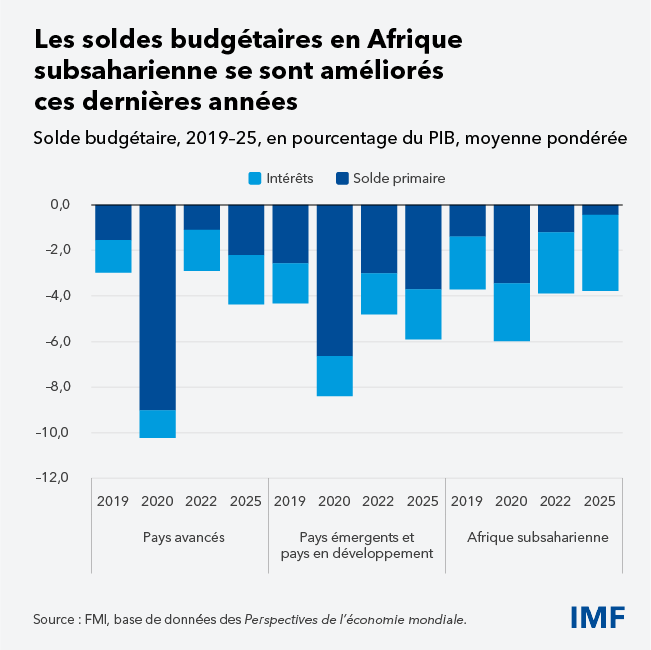
Sub-Saharan Africa achieved this consolidation while simultaneously sustaining reasonably decent growth and lowering inflation, and notwithstanding headwinds from elevated global uncertainty and much reduced concessional financing. 4/5
After its fastest growth in a decade in 2025, sub-Saharan Africa faces a new test. The war in the Middle East is pushing up commodity and shipping costs, and growth is expected to slow to 4.3% in 2026. IMF's
@aselassie explains: https://t.co/3KrxMCXmx2
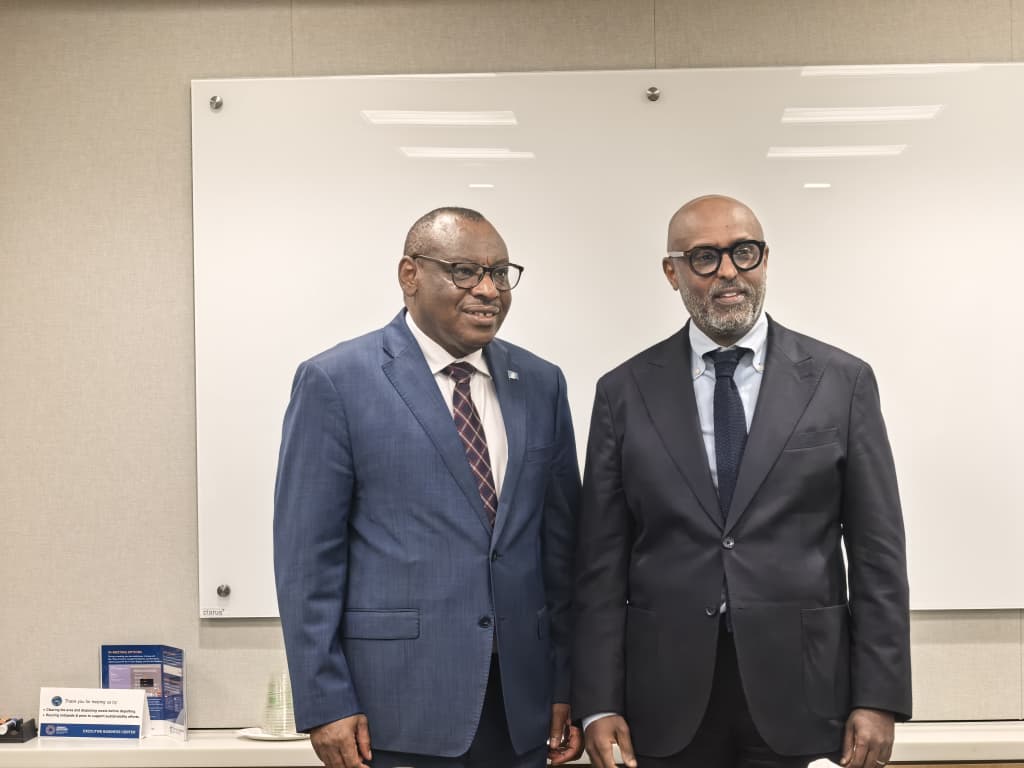
@ECA_OFFICIAL is grateful for the leadership of @IMFAfrica Director @aselassie as he concludes his tenure. Our exchange reaffirmed the need for stronger partnerships & collaboration to advance DRM & digitalization in fiscal management.
The @IMFNews latest on #Africa is quite instructive - kudos to countries like #Nigeria pushing on hard macro & currency reforms, but broadly speaking the #IranWar, rising sovereign debt, inflation and other emerging risks pose challenges... @aselassie@WorldBankGroup@KGeorgieva
Labor productivity in sub-Saharan Africa has been nearly flat for three decades. At current growth rates, incomes would take half a century to double. Supply‑side reforms are essential to drive private sector-led, job-rich growth. https://t.co/hYJAD113vP
LIVE NOW: IMF's @ASelassie hosts Burkina Faso Minister of Economy and Finance Aboubacar Nacanabo on how the country has transformed domestic revenue mobilization amid security challenges and reduced external support. Tune in: https://t.co/qzlAHSdXhx
After its fastest growth in a decade in 2025, sub-Saharan Africa faces a new test. The war in the Middle East is pushing up commodity and shipping costs, and growth is expected to slow to 4.3% in 2026. IMF's @aselassie explains:https://t.co/hYJAD113vP