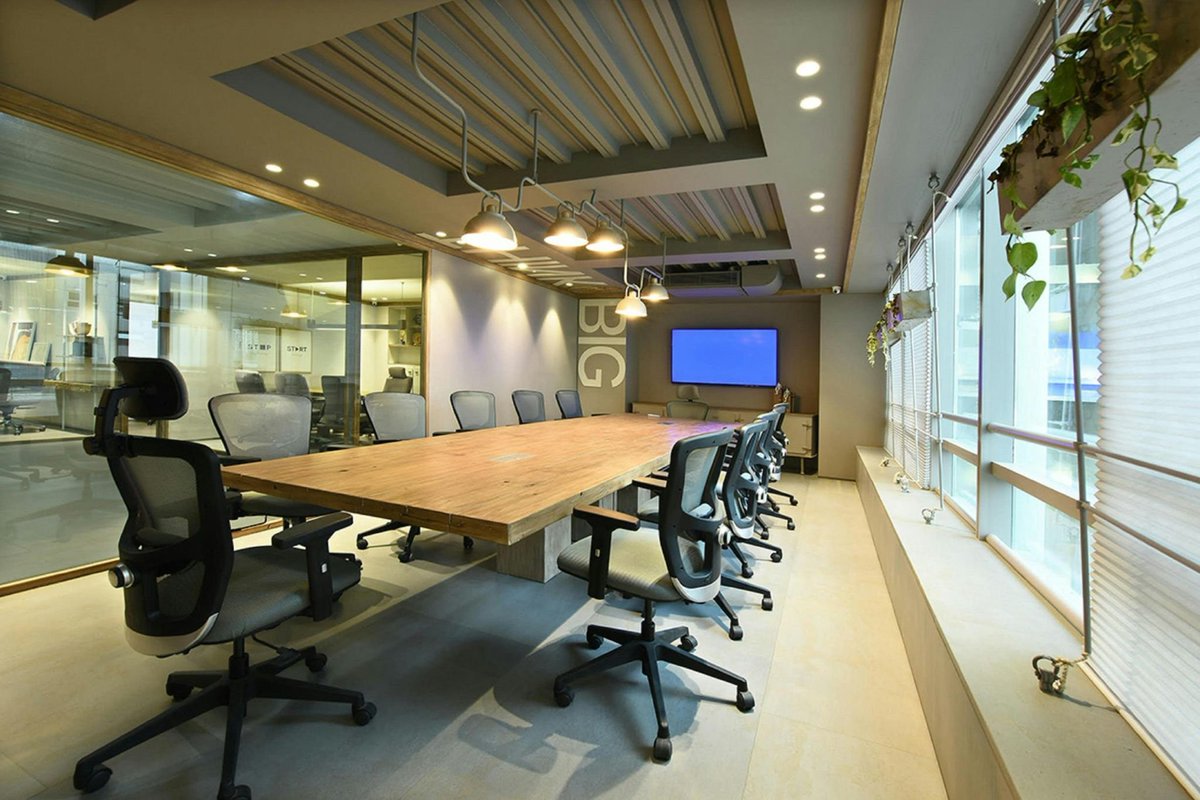
AVUITY's sensors provide both occupancy and environmental data (temperature, light, noise, humidity). Optimize building operations based on usage, from cleaning to HVAC. Gain insights down to the desk level on space interaction and performance. #SmartBuildings#IoT
What makes hybrid work actually work?
It comes down to design, policy, and culture. When these align, teams collaborate better, spaces are used effectively, and flexibility works.
The best strategies are built on real workplace data—not assumptions.
#OfficeDesign#HybridWork
CBRE’s latest HQ relocation data confirms the Sun Belt migration is still accelerating. Portfolio consolidation and M&A remain the top drivers, pushing CRE leaders to optimize portfolios, rethink location strategy, and prepare for upcoming lease decisions.
Packed Tuesdays, empty Fridays—when policy beats rollout.
A data-driven RTO plan starts with clear goals, written expectations, manager alignment, strong comms, office readiness, and real utilization data.
Trust comes from measuring reality, not assumptions.
#FutureOfWork#CRE
Meeting room issues aren’t always about supply—they’re about behavior.
No-shows and squatters skew data, leave rooms empty, and frustrate teams. Fix it with check-ins, tracking real use vs. reservations, and visibility by room type.
Get started here: https://t.co/R4vYZpbU17
Walk into the office at 9:30 AM on a busy Tuesday—would you know what to do?
Desk sharing fails without structure. Here are ways to make it frictionless:
✅Clear booking
✅No-show rules
✅Clean desk norms
✅Storage
✅Focus zones
✅Data-driven tweaks
#HotDesking#Facilities
Executives don’t ask “How’s the office?”
They ask: “What % met RTO this week?”
That’s RTO Compliance Rate—clear but incomplete.
Pair it with peak-day occupancy and space utilization to see whether the policy matches reality and where the office strains under demand.
#RTO#CRE
Desk sharing ratios save space, but backlash comes if it’s just math. Size for peak days, split by work type, add buffers, guarantee options, enforce fair rules, and validate with real use. Ratios only work when people can still do their jobs.
Learn more: https://t.co/JXRfCgydaT
Headlines keep asking if remote work is fading. Data says it’s stable:
~27% of U.S. workdays are WFH, 12% fully remote, 27% hybrid, 61% on-site. Offices average 53% utilization, with collaboration the top draw.
The real task: Plan for peak demand, not averages.
Remote work policies create space & engagement headaches. Top teams fix this with utilization data—tracking busy days, space gaps, and seat demand, then adjust policy, people, and real estate.
Set clear layers: Remote work (umbrella) + WFH (day-to-day rules).
#HR#SpacePlanning
Feb 2026 NBER: WFH is rising—and leadership matters.
Younger firms & CEOs allow more WFH (1.4 vs 1.1 days/week). By Dec 2025, 27% of U.S. workdays were fully remote.
As leadership turns over, rigid office standards get riskier. Adapt early to win.
Full study in comments below.
Most WFH policies fail because they read like legal documents, not operating systems.
A strong policy:
• Sets clear expectations
• Protects collaboration & coverage
• Creates a fair exception process
If it’s not short, clear, and updatable, it won’t work.
#HybridWork#WFH
In 2026, top CRE teams track fewer KPIs—only the ones that drive action.
A strong KPI stack:
• Links building performance to tenant experience
• Speeds up decisions, not just reports
Rule: If it won’t drive a decision in 30–60 days, cut it.
What are you optimizing for?
See problems before they hit! 🔍
1) Peak occupancy
2) Empty/full rooms
3) No-shows
4) Complaints
5) Peak-day bottlenecks
All these tell the story. If it won’t guide a 2-week decision, ditch it—stop reporting and start acting.
Learn more here: https://t.co/ivfaWRSX8o
Most dashboards show what’s easy to measure—not what matters.
Track peak occupancy, space use, patterns, empty/full rooms, and booking mismatches. If it doesn’t drive a decision in 30–60 days, it’s just data, not analytics.
#HybridWork#SpacePlanning#PropTech#CRE#AVUITY
“Booked” but empty rooms? That’s the ghost meeting problem.
It blocks people from finding space and makes leaders think they need more.
Fix it: Compare bookings vs. real occupancy. Track no-shows, add check-ins, clear recurring holds, and tune room policies using real data.
Stop planning offices by headcount or “what worked last time.” Standardize rooms, plan for real demand, balance focus & collab spaces, design for flow, and measure success before moving a chair.
Work better, spend smarter.
Get started here: https://t.co/R4vYZpbU17
Does your office feel packed one day and empty the next? Static workplace plans don’t work anymore.
Quick Q1 wins:
1⃣ Fix meeting rooms (buffers, defaults, no-show rules)
2⃣ Turn one underused area into a focus zone people want
What’s your biggest office pain point right now?
Collaboration doesn’t happen by adding more rooms. It works when offices are designed around real behavior. Think noise zones, microcollab nooks, tech that just works, smart acoustics, and data to iterate. AVUITY helps teams size and place spaces based on real demand—not guesses.