Lab @unlincoln | Providing applicable science to help landowners and management agencies balance the needs of ag landscapes while creating healthy ecosystems
Introducing the WildAg Podcast!
WildAg is part of @NR_University and serves as a connection point for conservation professionals and landowners who want to integrate conservation with agriculture.
Episodes are now live! Listen here: https://t.co/2Fj4cCEqPr
We will be transitioning away from X in the coming year. But don't worry! You can still follow along with our work on Facebook and Instagram!
Instagram: @awesmlab
Facebook: @awesmlab
Website: https://t.co/AGS6e1ZdQn
We're on a mission to always be improving! Let us know what we're doing well and where we can improve our communication and Extension efforts in 2026!
Take the 3-4 min survey here: https://t.co/uV7n23pORT
Help shape our work in 2026!
Take our quick survey and share your feedback on how we can improve our communication and Extension.
🔗 https://t.co/uV7n23qmHr
Help shape our work in 2026!
Take our quick survey and share your feedback on how we can improve our communication and Extension.
🔗 https://t.co/uV7n23qmHr
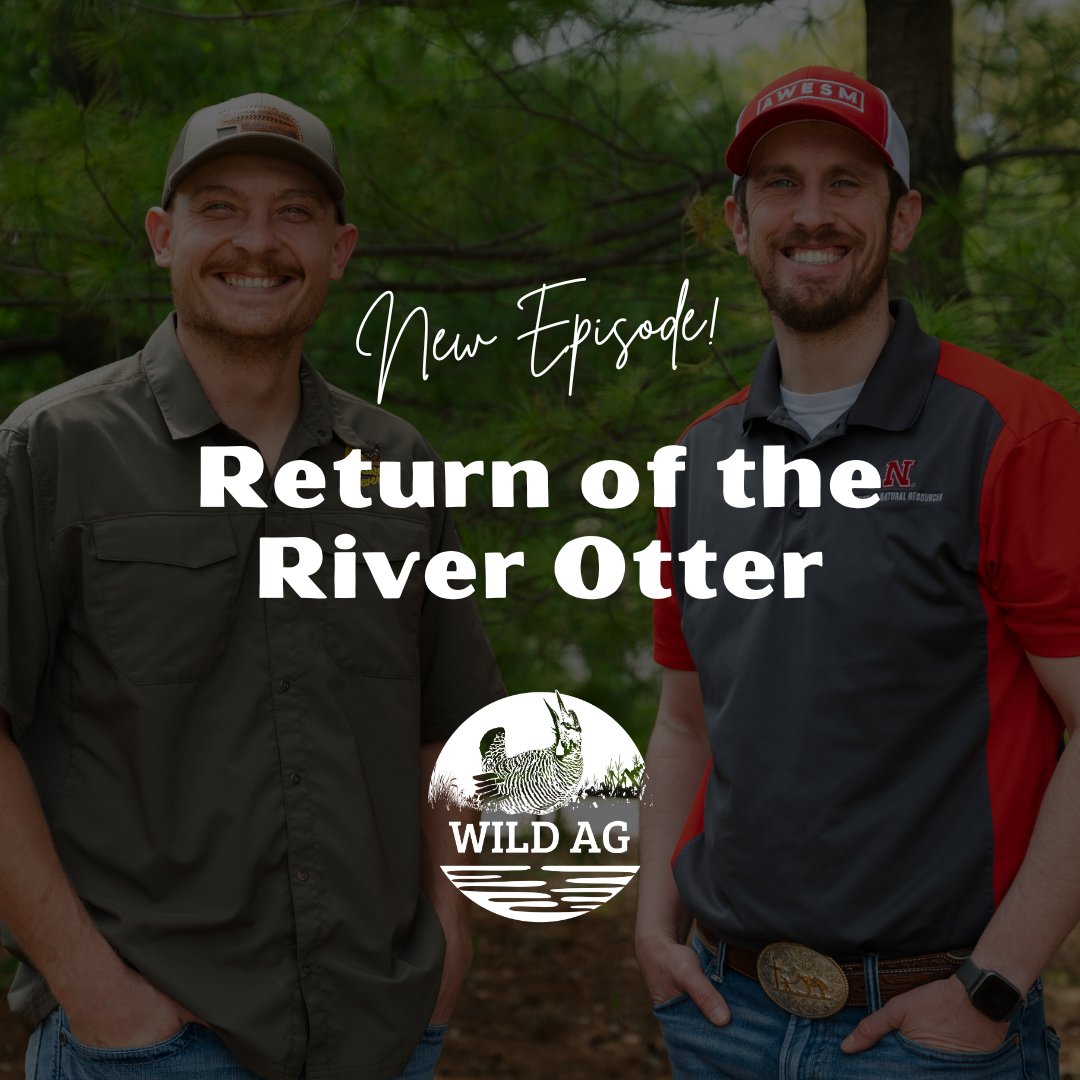
New #WildAg episode is live!
This month we are joined by Sam Wilson and Frank Andelt from @NEGameandParks to share the amazing story of the river otter's return to Nebraska. Find this episode and more wherever you listen to podcasts.
New #WildAg episode is dropping on Monday!
Next month we are joined by Sam Wilson and Frank Andelt from @NEGameandParks to share the amazing story of the river otter's return to Nebraska. Find this episode and more wherever you listen to podcasts.
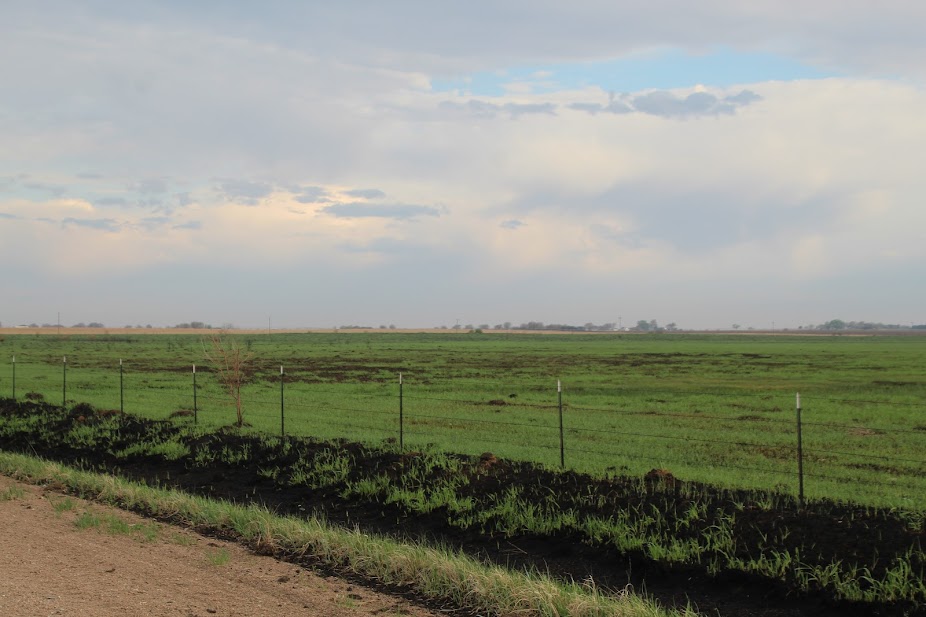
When one field or pasture is disturbed by fire, haying, or grazing, another nearby may need to stay undisturbed. That mix creates different types of vegetation structure wildlife can use throughout the year. Think habitat management 365!
Check out this segment from @marketjournal on our work with prairie strips in Nebraska! Prairie strips offer so many benefits to farmers:
🌿Reduced runoff
🌿Quality wildlife habitat
🌿Improved soil quality
🌿Beautiful wildflowers
https://t.co/fICG9AQCrQ
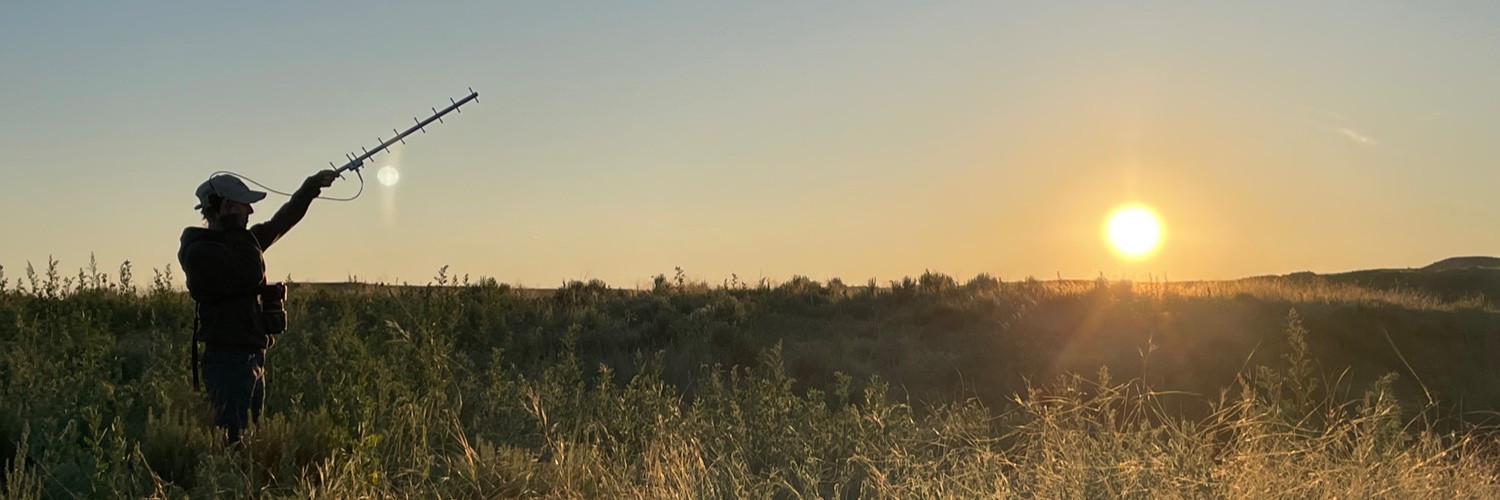
When an animal we are tracking dies, we recover the GPS transmitter. The transmitter emits a distinctive double-beep pulse indicating mortality. We track those beeps to locate the transmitter, essentially playing a game of “hot or cold” to determine where the signal is strongest.
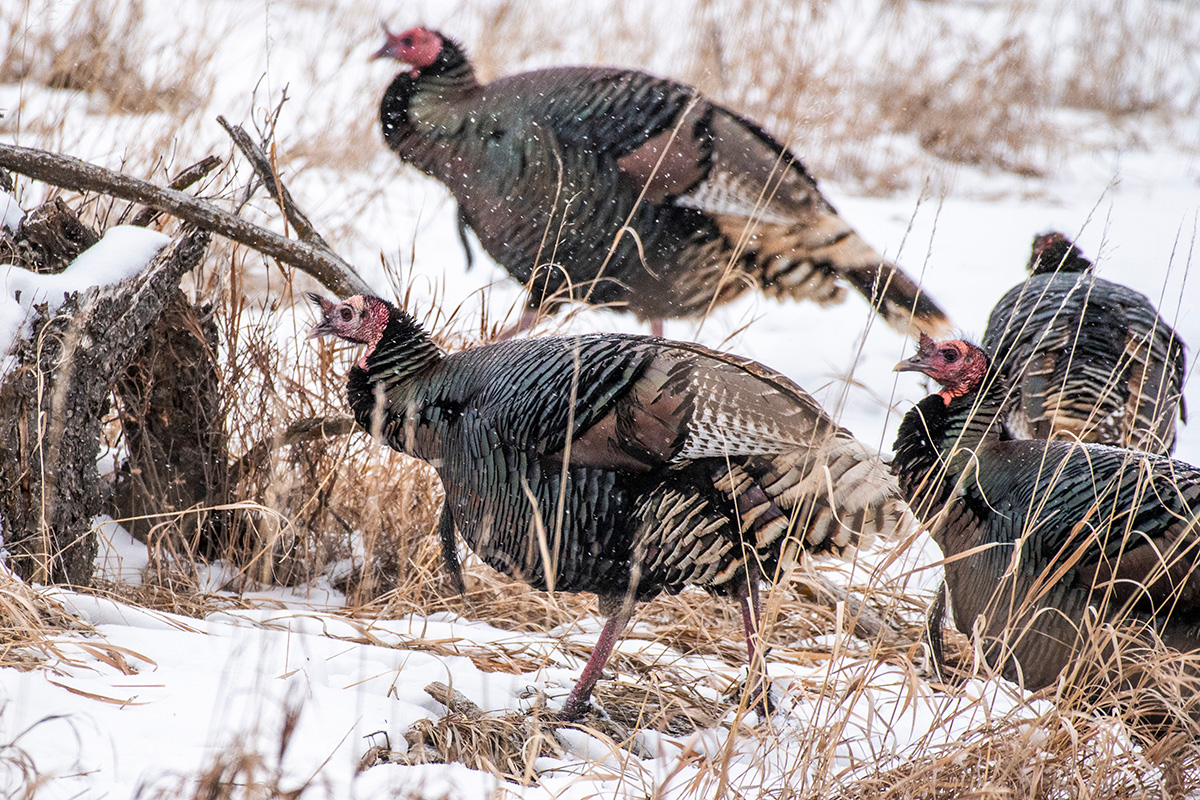
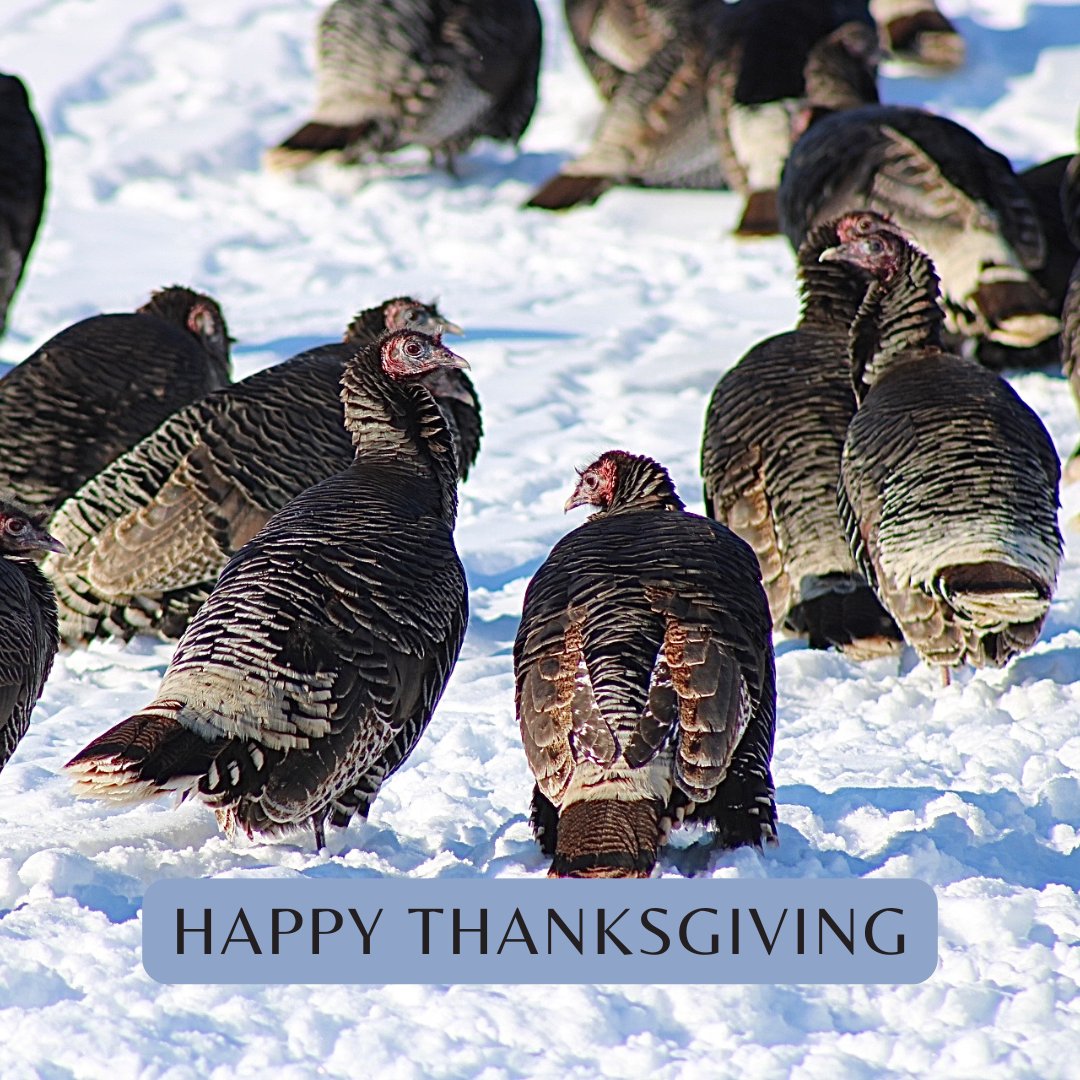
🦃 Wild turkey populations have declined 45% in Nebraska since 2009. Dr. Andy Little from @AWESMLab joins @OfficialRFDTV to share how research is guiding landscape-scale solutions—like prairie strips—to benefit wildlife, ag producers & rural communities.
Dr. Andy Little from UN-L's School of Natural Resources, is the guest on this week’s Great Outdoor Radio Show. Andy'll talk about conservation, wildlife and more. Listen Saturday from 9-10 a.m. on Omaha/Lincoln Boomer, Fremont’s Big Dog, Bluffs Country or https://t.co/kwONhzMzMp
Here's a cool episode from RFD-TV highlighting two of our projects! We just wrapped up the third and final season of our wild turkey project and, as suspected, a lack of habitat is a factor in population declines. But, the other project highlighted here is our work with prairie strips, which are one way to add native habitat back onto the landscape. It feels good to already have one solution in hand!
Watch here: https://t.co/HttEF8vPAd
You might be done thinking about turkeys for the year, but we aren't!
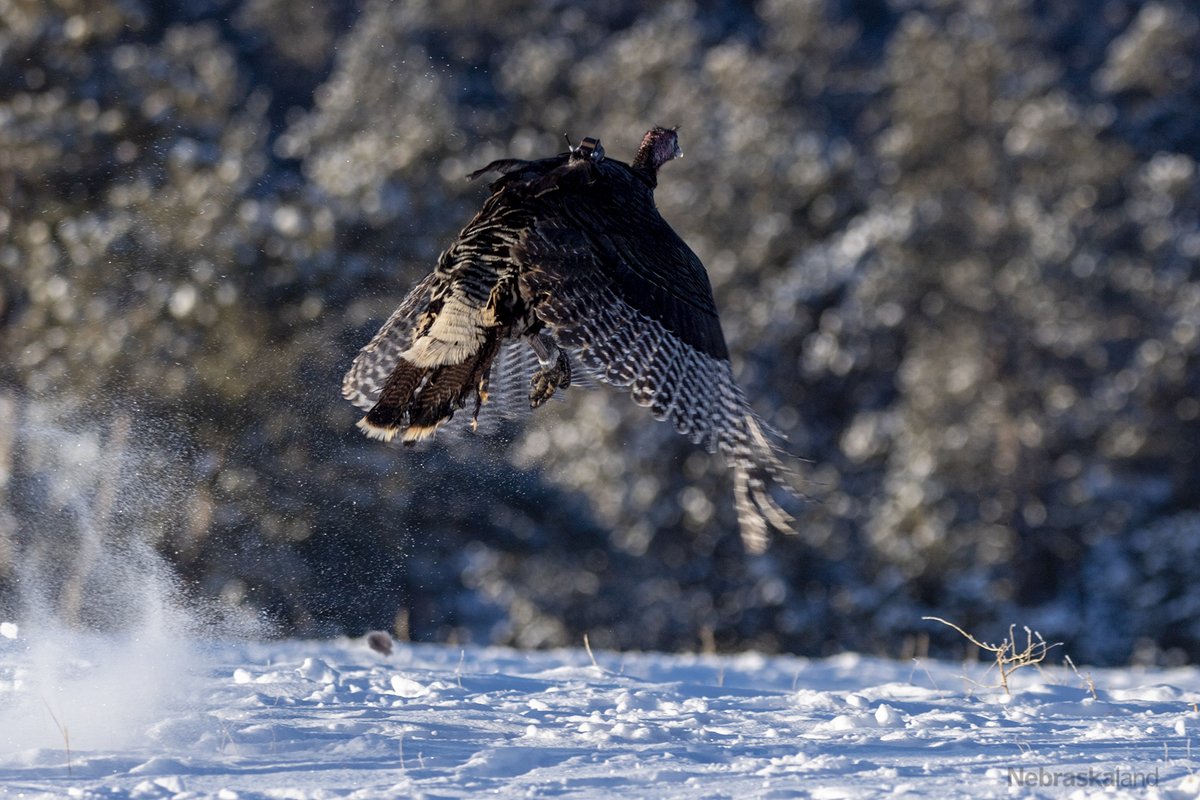
Join @NEBland_Haag and @awesmlabdoc on the latest episode of Panhandle Afield to talk about our wild turkey research, which we wrapped up field work for earlier this year.
Give it a listen!
https://t.co/Zrg94gKkbz
📷: Justin Haag/Nebraskaland Magazine
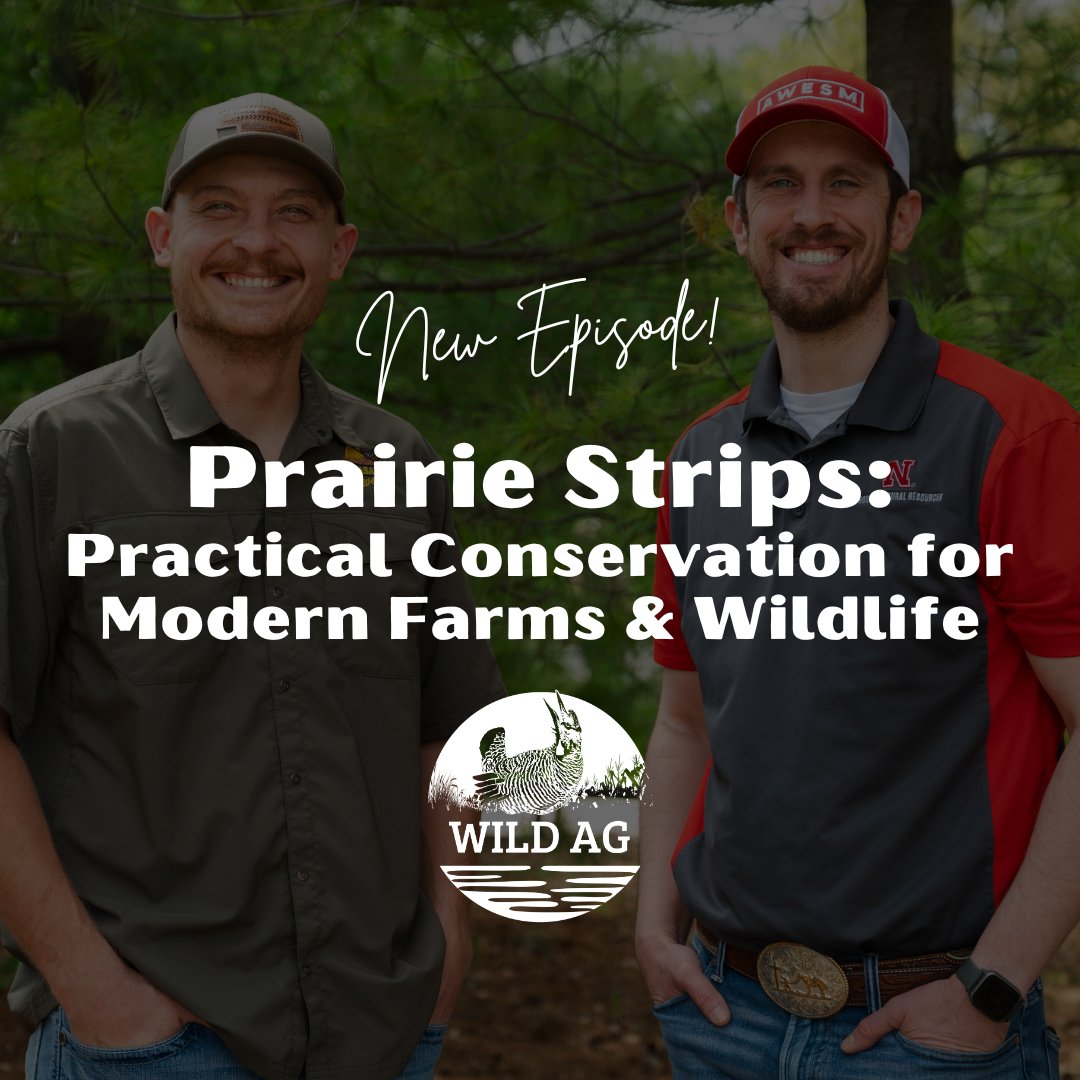
This month we are joined by Dr. Jordan Giese, Research Assistant Professor at the Caesar Kleberg Wildlife Research Institute (@CKWRI) at Texas A&M University - Kingsville, to talk about prairie strips and his research on bird responses to prairie strips in row crop acres. From songbirds to Ring-necked pheasants, Dr. Giese shares how prairie strips can be beneficial for a range of wildlife within agricultural landscapes. Whether you are interested in birding, hunting, wildflowers, or soil health, prairie strips offer immense benefits for farmers across the Midwest.
Find this episode on Apple Podcasts, Spotify, or wherever you listen to podcasts.
Listen here: https://t.co/YrM5JPkWqH
#WildAg #WildAgPodcast #Podcast #Farming #Agriculture #Conservation #Wildlife
Have you ever walked through great pheasant cover in the fall and thought, “This looks perfect”? It is — for fall.
But pheasants need different types of vegetation all year long (see last month’s Habitat Management post). Nesting cover in spring. Brood-rearing cover in summer. Tall, protective cover for fall and winter. Most of that isn’t obvious when we’re out hunting in November.
And on working lands, nothing stays the same for long. A field gets hayed. A patch burns. Cattle move to new pastures. Those everyday changes reset vegetation structure — shaping the vegetation pheasants rely on next season.
That’s where Megan Baldissara’s doctoral research comes in. Using publicly available satellite imagery, she mapped where fire, haying, and grazing happen across Nebraska’s working lands. These are the actions that influence future nesting, brood, and winter cover.
Her work lays the foundation for tools that can help landowners:
- Spot areas where habitat might be lacking
- Stagger management so everything isn’t reset at once
- Support wildlife while keeping farms productive
Understanding how the land changes — and how management shapes those changes — is key to sustaining pheasants and other wildlife in working landscapes.
Photos: Megan Baldissara
New WildAg episode is dropping on Monday!
Next month we are joined by Dr. Jordan Giese, Research Assistant Professor at the Caesar Kleberg Wildlife Research Institute at Texas A&M University - Kingsville, to talk about prairie strips and his research on bird responses to prairie strips in row crop acres. Whether you are interested in birding, hunting, wildflowers, or soil health, prairie strips offer immense benefits for farmers across the Midwest.
#WildAg #WildAgPodcast #Conservation #Farming #Podcast #PrairieStrips
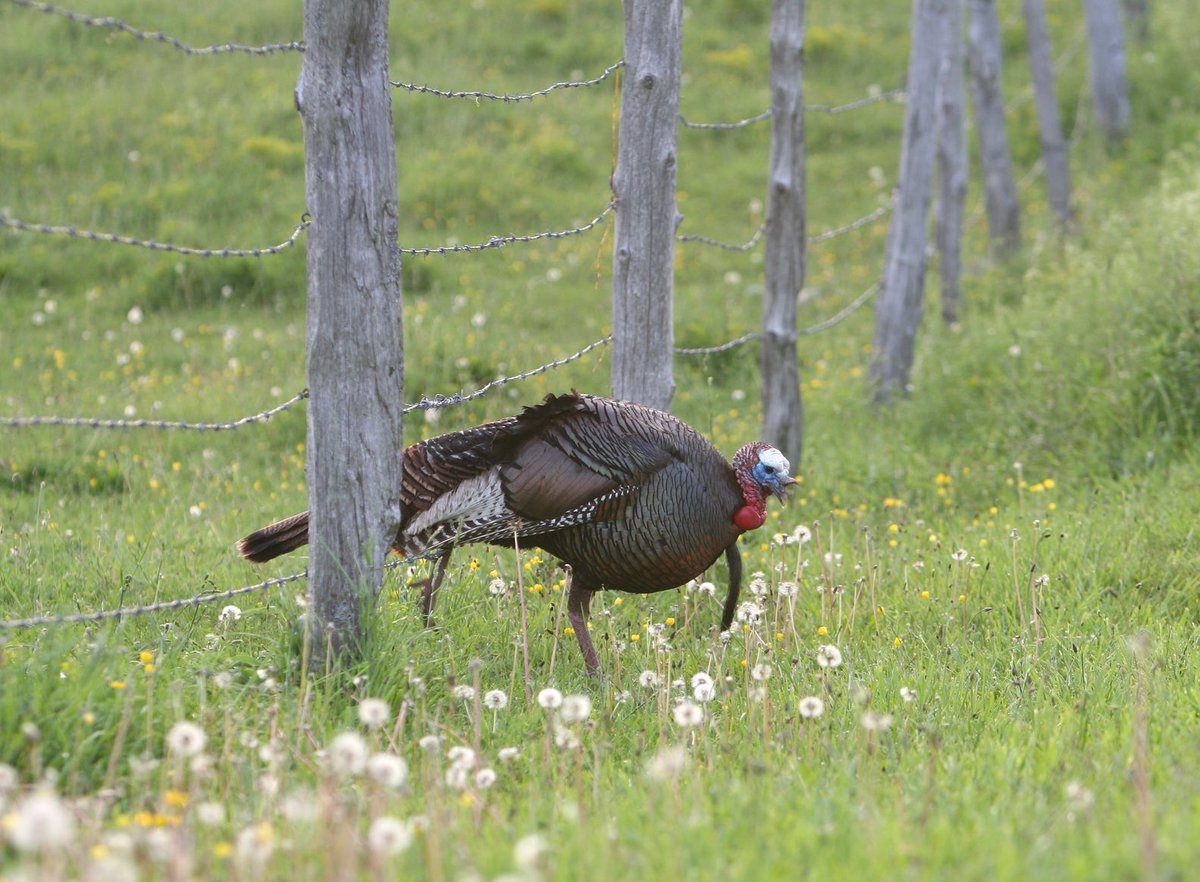
Most fences can easily be crossed by wild turkeys, but research shows some fences create barriers, and individual birds vary in their willingness to cross fences. Anyone seen a turkey hang up and not cross a fence they easily could? @wildturkeylab @NWTF_official
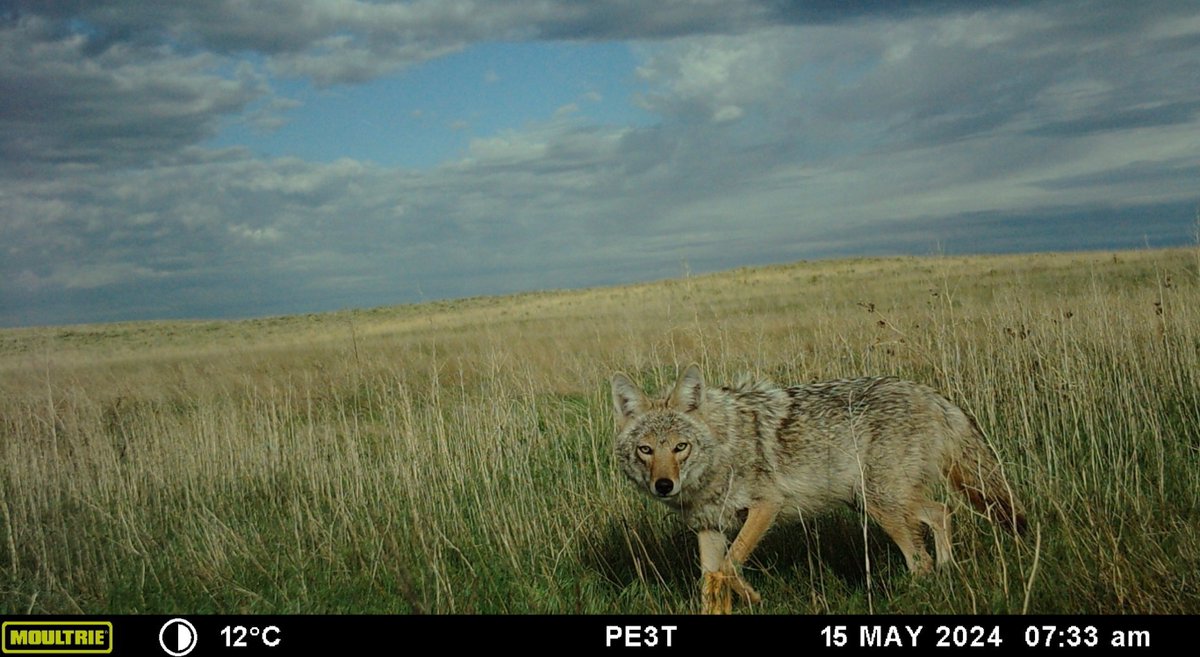
Coyotes, raccoons, skunks, and other mid-sized predators—often called mesopredators—are an important part of ecosystems. Where they show up and how many are around depends heavily on the type of habitat on the landscape. And as Nebraska’s landscapes have changed over time, so have these predator communities.
Our lab, along with the Nebraska Cooperative Fish & Wildlife Research Unit, is working on a project to understand mesopredator presence in southwestern Nebraska and what factors are influencing the distribution and populations of mesopredators throughout this area.
What this research will provide:
- A predictive framework for mesopredator occupancy across different habitat types
- Science-based insights that support decisions promoting healthy, balanced wildlife communities
- Information to help landowners and stakeholders understand how habitat influences mesopredator activity and overall ecosystem function
By understanding how habitat guides predator activity, we can make better decisions for wildlife and working lands.