4/4
The lesson for conservation is clear: Indigenous knowledge cannot sit at the margins.
For AWF, Indigenous communities are conservation partners and knowledge holders whose leadership, alongside science, can strengthen the future of Africa’s landscapes.
Read their story - https://t.co/oW0kq0PQv7
1/4
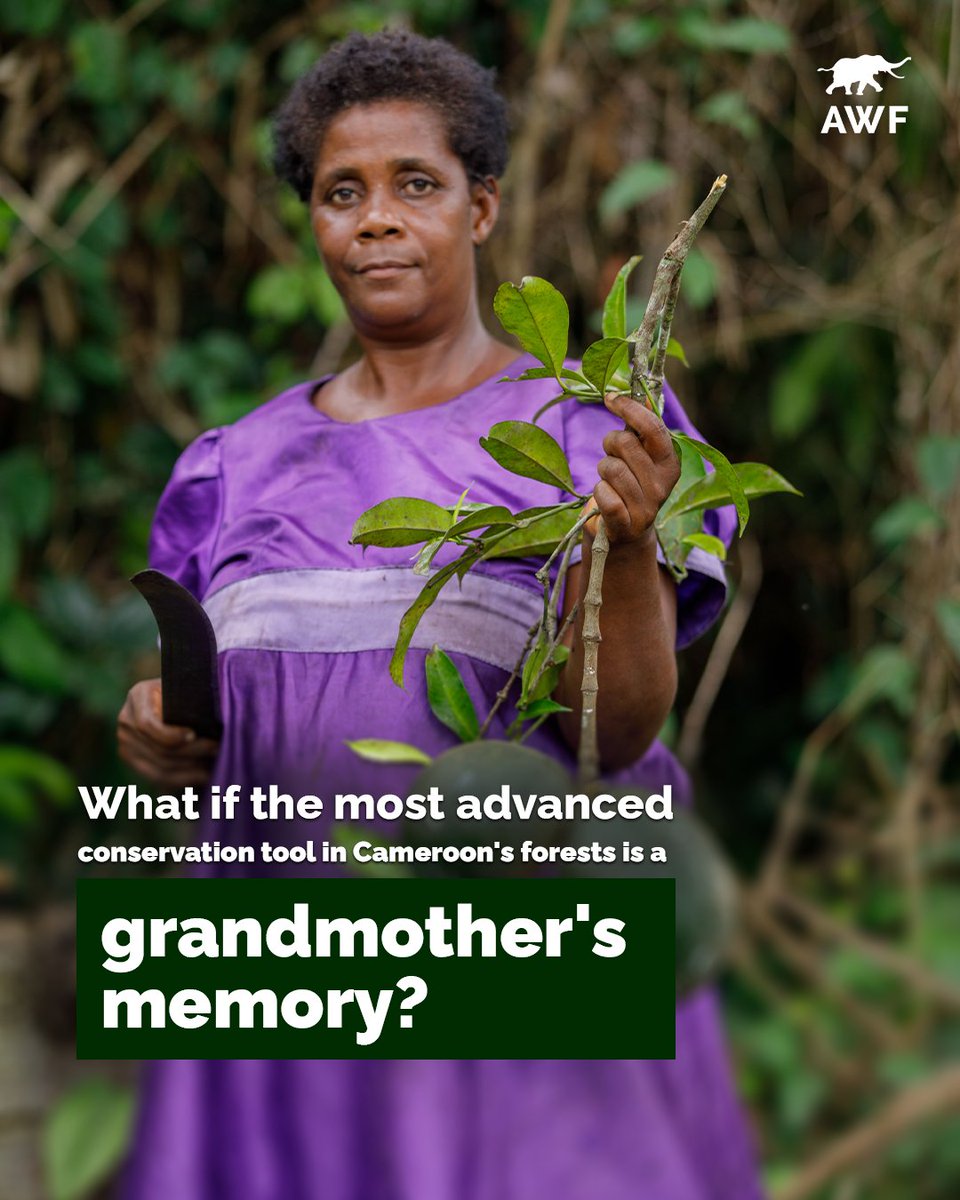
What if one of the most powerful conservation tools in Cameroon’s forests is a grandmother’s memory?
In Nyamabande, near Campo Ma’an National Park, generations of Bagyeli women carry knowledge of how to heal, harvest and live with the forest. 🧵
3/4
Now, her daughter Caroline is carrying that wisdom forward by sharing it with young girls.
Grandmother. Mother. Daughter.
Each generation helps ensure that Indigenous knowledge — and the relationship with the forest it represents — continues.
5/5 | The work continues.
These results show why wildlife monitoring and community engagement must go hand in hand.
The priority now is to strengthen community-led action, sustain monitoring and equip people living alongside wildlife to respond safely when animals move beyond park boundaries.
Safer communities. Stronger habitats. More space for people and wildlife to coexist.
#Cameroon #FaroNationalPark #Hippos #Conservation
1/5 | 1,017 hippos recorded in Faro National Park.
A recent ecological survey in northern Cameroon recorded 1,017 hippos across 26 viable pools, compared with 508 recorded in 2024.
But the story behind these numbers goes beyond monitoring. 🧵
4/5 | Monitoring turns knowledge into action.
Through targeted field surveys, the @AWF_Official and Cameroon’s Ministry of Forestry and Fauna are building the evidence needed to inform conservation decisions and strengthen the protection of Faro’s critical habitats.
This work is supported by the @UEauCameroun
#Rwanda’s conservation efforts around Volcanoes National Park are increasingly linking wildlife protection with livelihoods, business growth and investment, according to the African Wildlife Foundation (@AWF_Official).
• Since 2018, AWF has partnered with the Rwanda Development Board and local communities to advance a green-growth strategy across the Volcanoes landscape.
• A Rwf70 million Conservation-Compatible Enterprise Development Fund is supporting small and growing businesses, with a focus on women and young entrepreneurs.
• So far, Rwf21.14 million has been invested in 32 businesses across agriculture, retail, and livestock, helping create jobs and income opportunities.
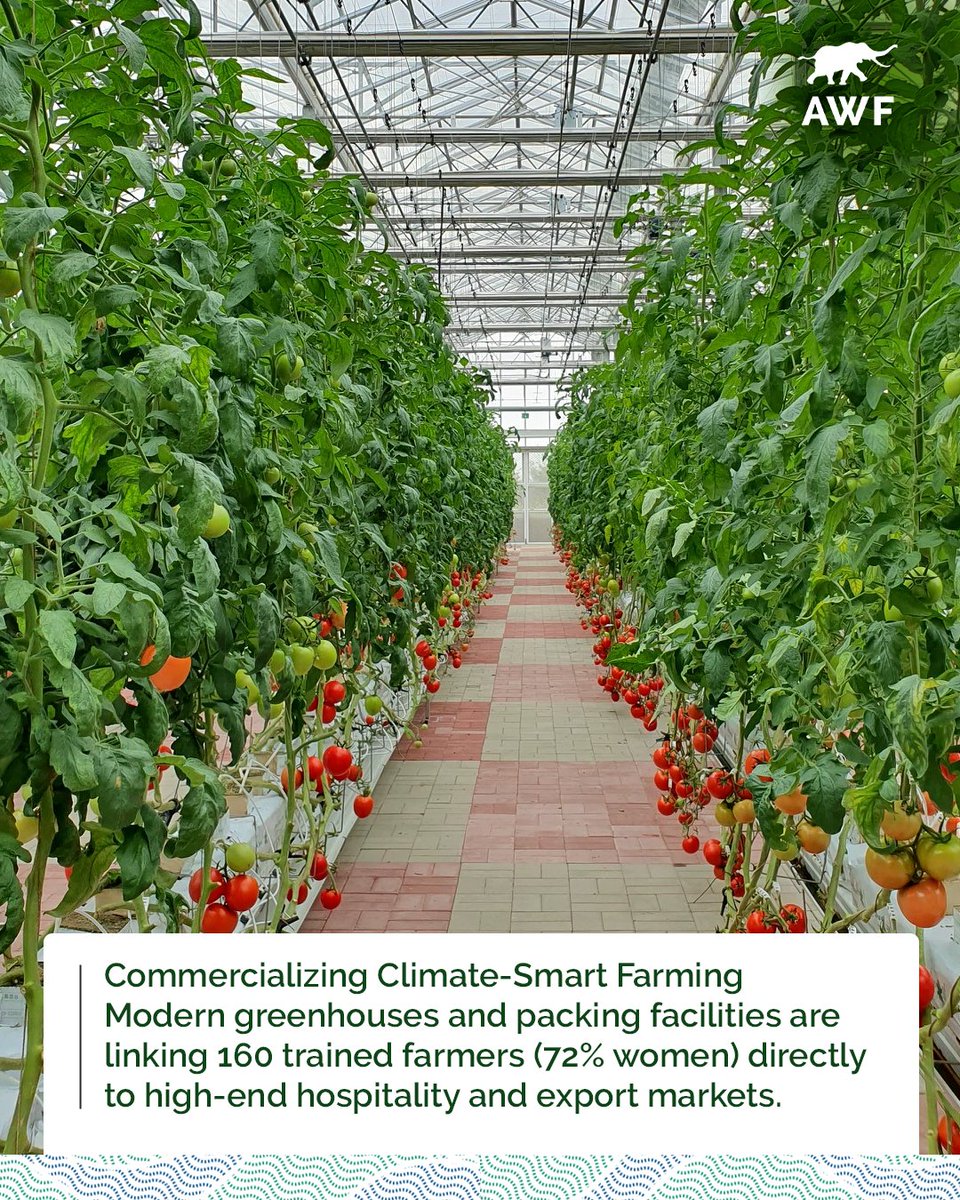
• A horticulture hub in Musanze, equipped with greenhouses, a nursery, and packaging facilities, is helping farmers produce higher-value crops including tomatoes, cucumbers, and sweet peppers.
• The first harvest generated Rwf5.5 million, with 20% of profits reinvested in community development.
• By 2030, AWF aims to support 500 households through sustainable livelihoods, mobilise Rwf14.69 billion for conservation and community development, and increase average household income by 30%.
Read more: https://t.co/25HXysVqnl
4/4
For the @AWF_Official, this is the bigger opportunity: building landscapes where conservation and economic development reinforce one another.
When communities around mountain gorilla habitats have stronger enterprises, market access and opportunities to prosper, protecting nature becomes part of the landscape’s economic future.
Read our full Rwanda report: https://t.co/mlyhbVDDOO
1/4
Can conservation create economic opportunity at the same time?
Around Rwanda’s Volcanoes National Park, the @AWF_Official is working with the Rwanda Development Board and local communities to demonstrate how market-driven enterprise can strengthen livelihoods while supporting the long-term protection of mountain gorilla habitat.
3/4
But production alone is not enough. Farmers need viable markets.
Through the Volcanoes Community Alliance Horticulture Hub, 160 farmers — 72% of them women — have been trained and connected to higher-value hospitality and export markets, helping turn climate-smart agriculture into competitive local enterprise.
Africa’s conservation ambition must go beyond protecting biodiversity. We must build the institutions, markets and investment systems that allow Africans — particularly communities living alongside wildlife — to capture more of the value our natural assets generate.
In my latest op-ed published in the @NewTimesRwanda, I reflect on what #KwitaIzina teaches us about that opportunity: moving from conservation as protection to natural capital as a foundation for African prosperity. Africa must own, invest in and build its biodiversity economy on its own terms.
Read the oped here - https://t.co/9fZ6Z4eid5
6/6 — Closing poster
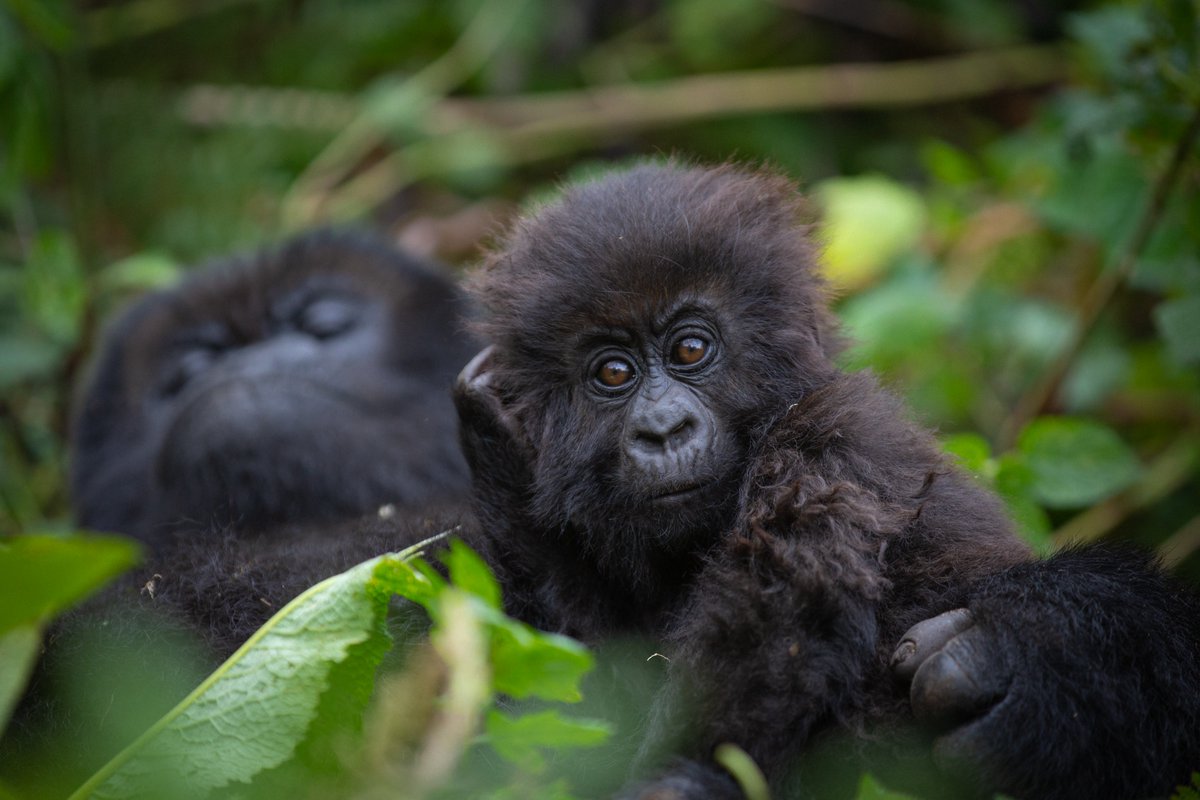
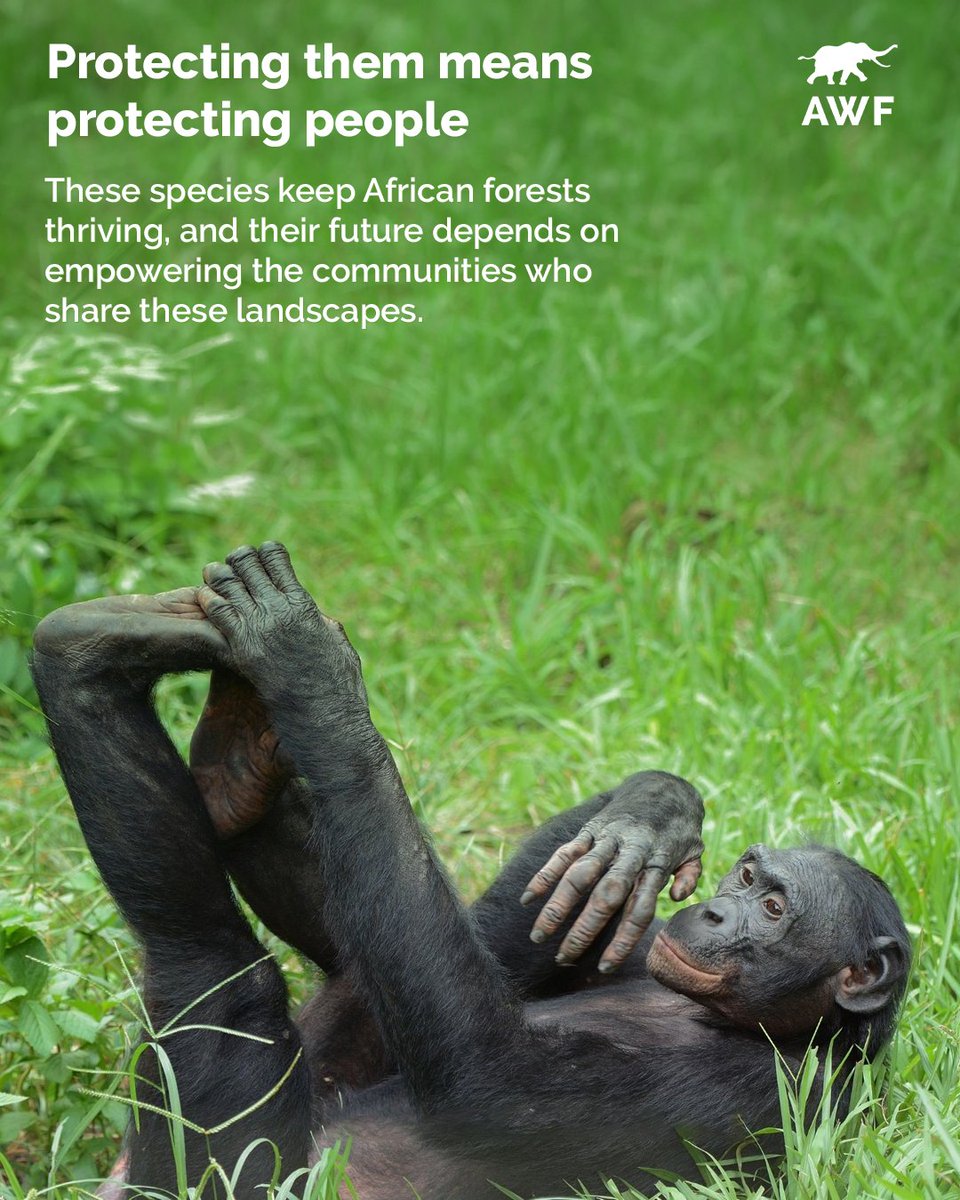
Protecting primates means protecting much more than primates.
It means safeguarding forests, strengthening ecological corridors, and ensuring communities can benefit from the landscapes they help conserve.
That is how we build resilient ecosystems where people and wildlife can thrive together. #InternationalPrimateDay #AfricanWildlifeFoundation
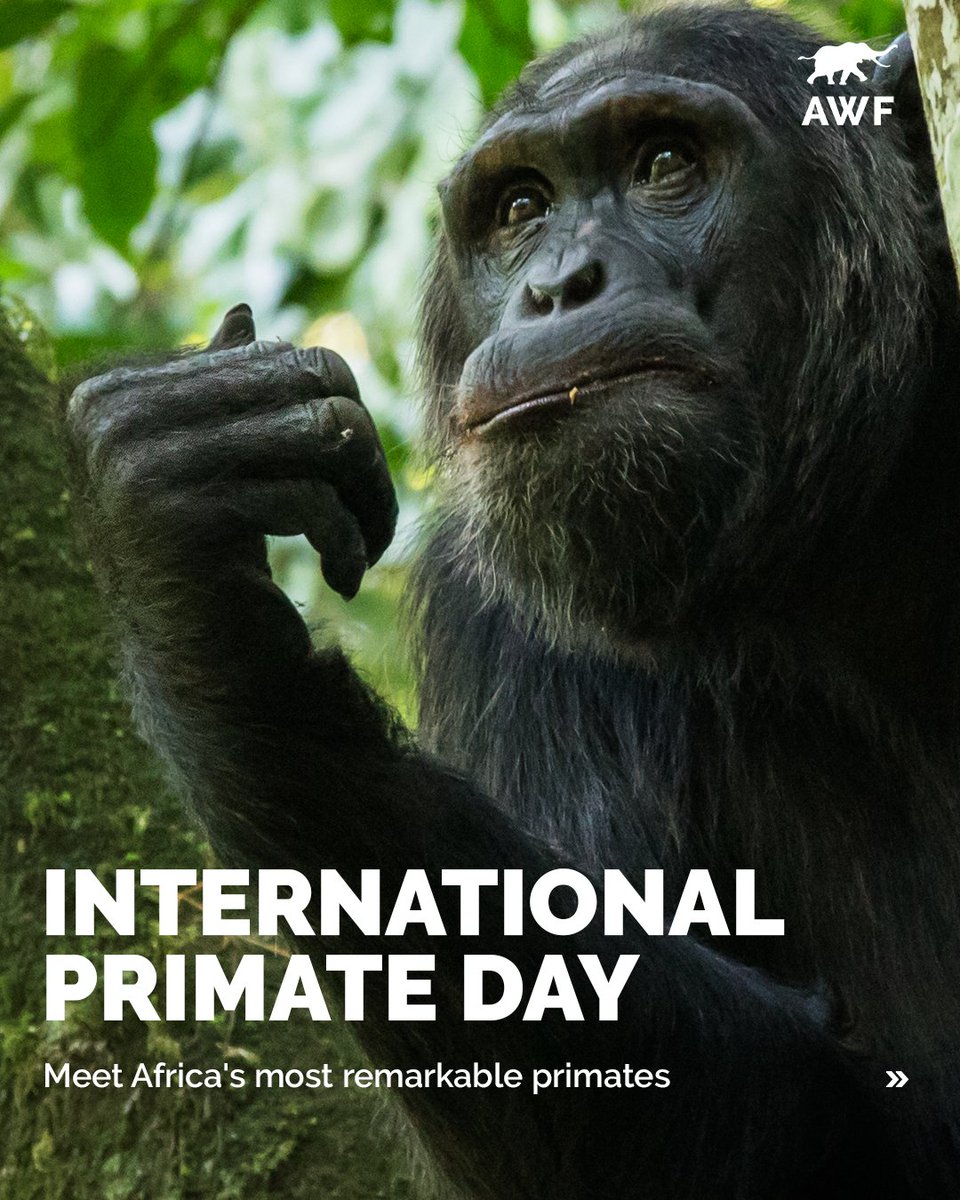
1/6 — International Primate Day
What can a primate teach us about the health of an entire landscape?
This #InternationalPrimateDay, meet some of Africa’s remarkable primates—and the forests, communities and economies connected to their survival.
A thread 🧵
5/6 — Golden Monkeys
Sharing the high-altitude forests of the Virunga landscape with mountain gorillas, golden monkeys are another reminder that conservation cannot focus on a single species.
Healthy habitats sustain entire communities of wildlife—and the people living alongside them. #GoldenMonkeys