What a way to close out the month and step into a new one!
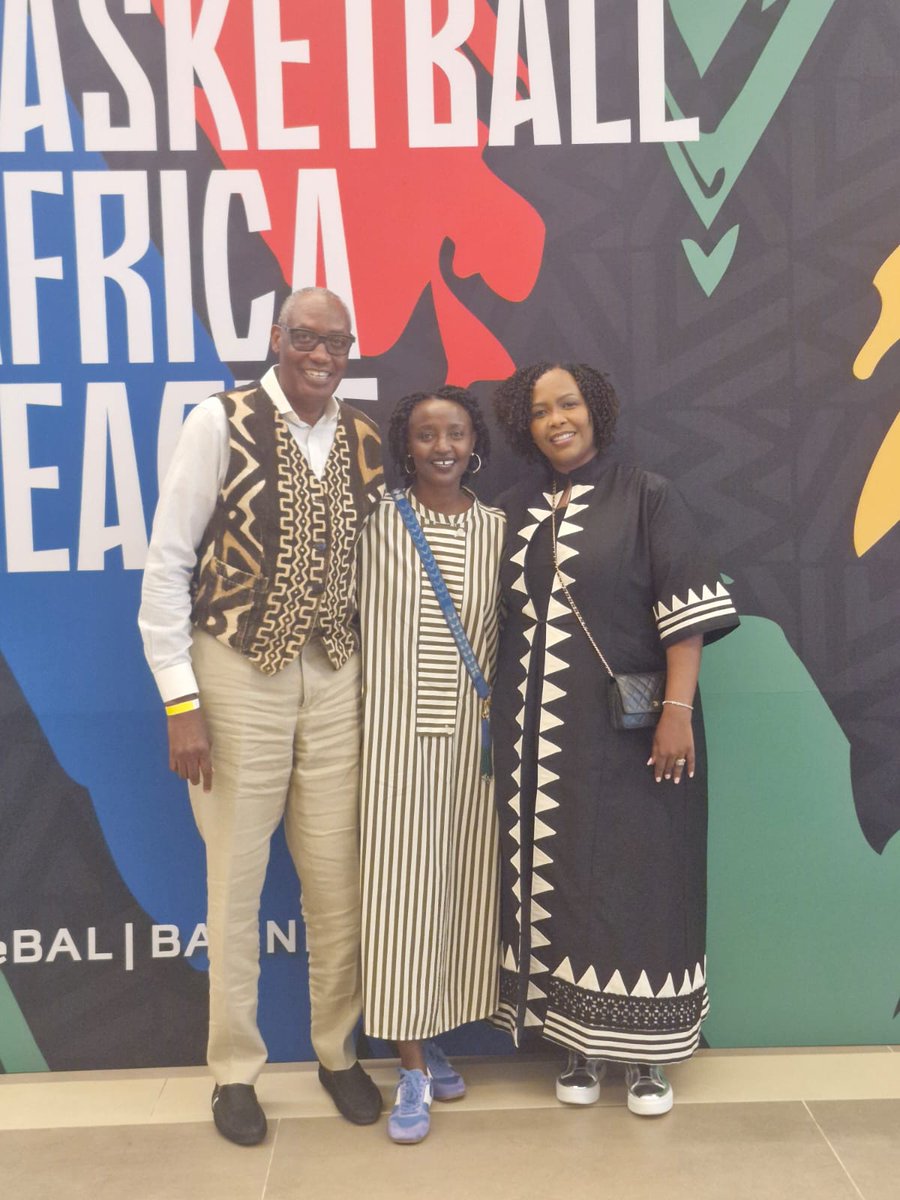
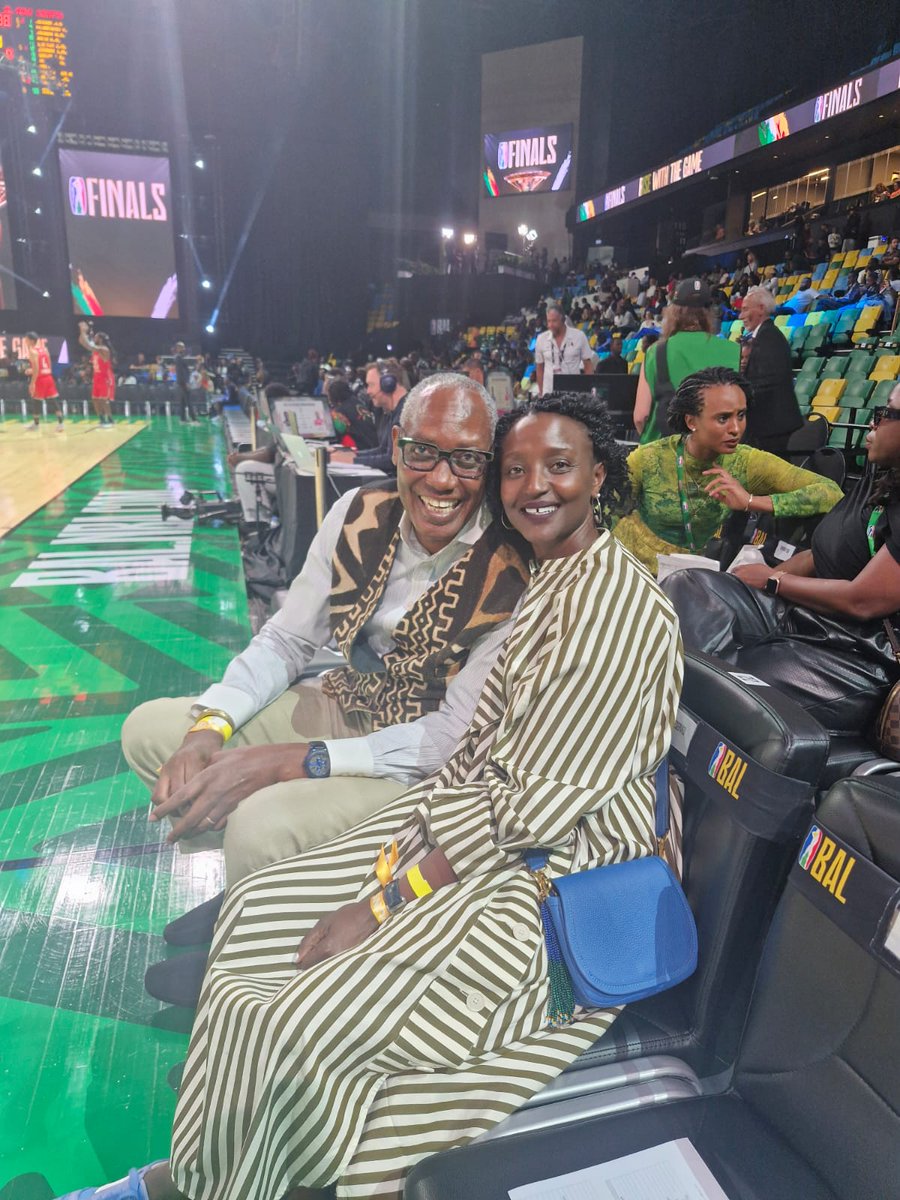
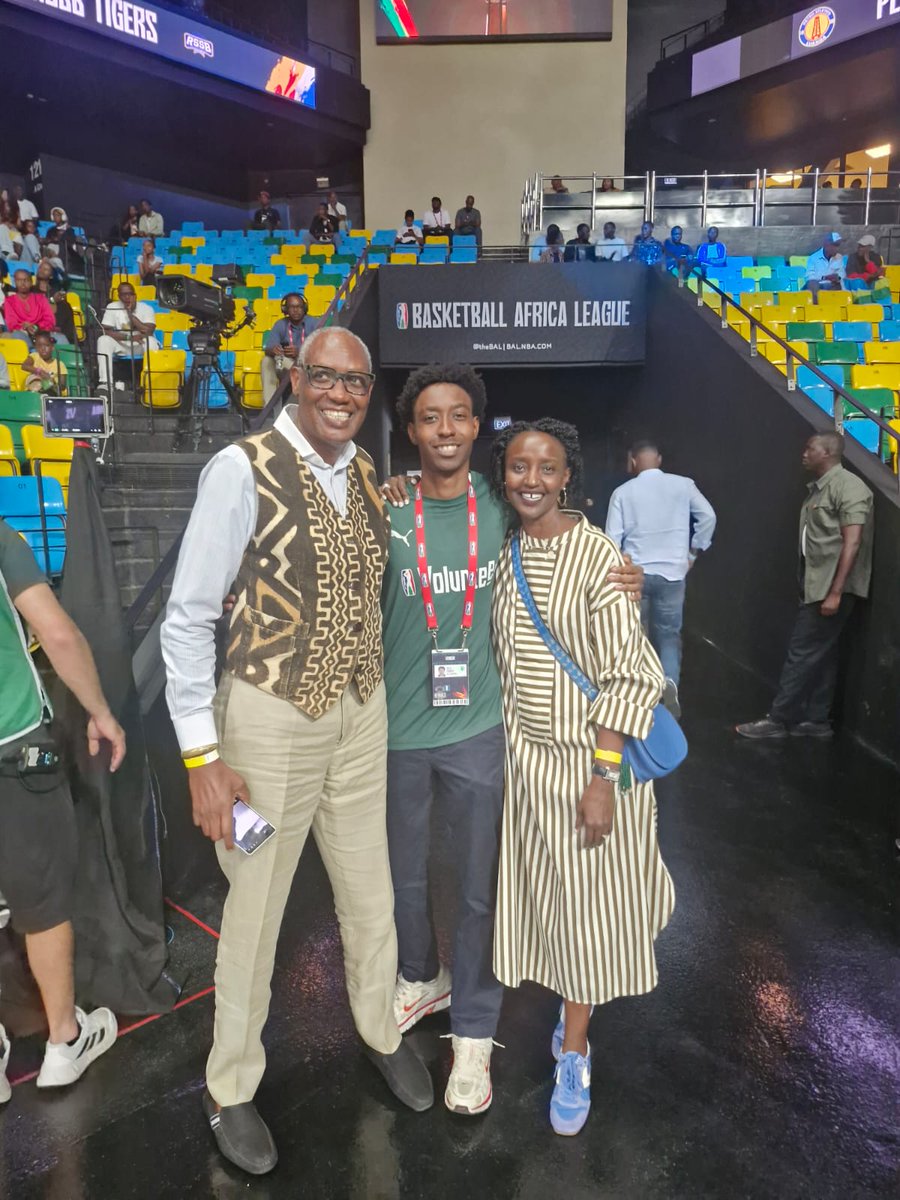
This past weekend, I had the privilege of attending the #BALFinals in #Rwanda with my family, and what an experience it was. The energy in that arena was electric, the passion undeniable, and the sense of community absolutely infectious.
A heartfelt thank you to the incredible @cakamanzi and the entire @NBA_Africa team for the kind invitation. Your vision for basketball on this continent is nothing short of inspiring, and witnessing it up close was truly special.
And to the Rwanda Basketball team, The Tigers, CONGRATULATIONS! Defeating Angola in a hard-fought final was a masterclass in resilience, teamwork, and heart.
Moments like these remind me why sport is one of humanity's greatest gifts. It tears down walls, bridges cultures, and brings families and nations together in ways few things can.
As we step into a new month, I carry with me the energy of that arena, the pride of that victory, and the reminder that when we play together, we win together.
Here's to June — and to the power of sport.
#VisitRwanda
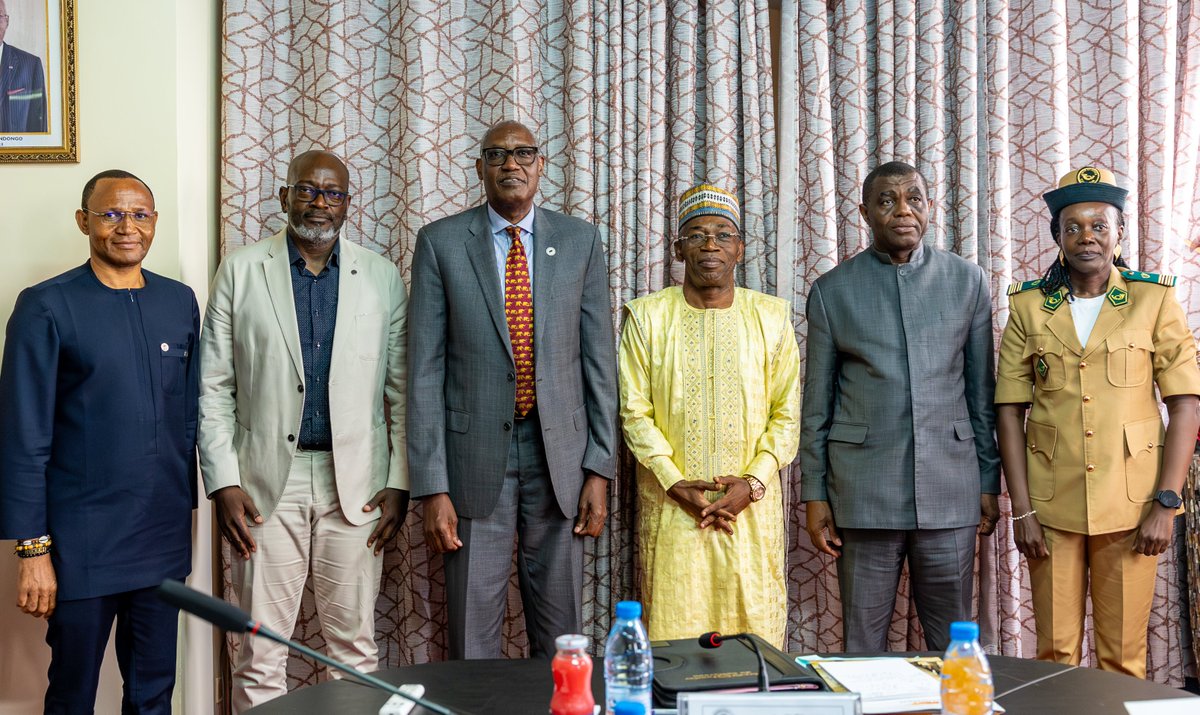
Today, I had the privilege of welcoming and having a dialogue with the fourth AWF Wall Leadership and Management Cohort in Nairobi for the in-person workshop at the @AWF_Official Conservation Center.
What gave me particular joy and hope was my Q&A session with the fellows. The depth and thoughtfulness of their questions was remarkable. They were not simply seeking answers, but interrogating assumptions, drawing lessons from the leaders who came before them, and asking how they can do better. That kind of curiosity is rare, and it is exactly what Africa needs. A generation that studies the mistakes of the past not with cynicism, but with the determination to chart a different course.
That spirit speaks to something fundamental about leadership. When new information challenges a past decision, the answer is never regret — it is learning. The challenges of today cannot be solved with the thinking of yesterday. I had the chance to emphasize that a true leader stays willing to examine their assumptions and change course when the evidence demands it.
Every question these fellows asked reminded me that Africa's future is in capable and forward-thinking hands — leaders who understand the weight of the task ahead and are ready to carry it.
AWF remains committed to walking alongside them — not just for these five days, but in the work they are doing back in their respective countries. A hearty congratulations once again to these 15 exceptional conservation leaders, and I do wish them a productive year with AWF as they continue to do extraordinary things.
#AWFWallFellows
Happy International Day for Biological Diversity.
Today, I reflect on a moment I keep returning to from my trip to the Congo Basin last month — not when we arrived at the forest, but the drive there.
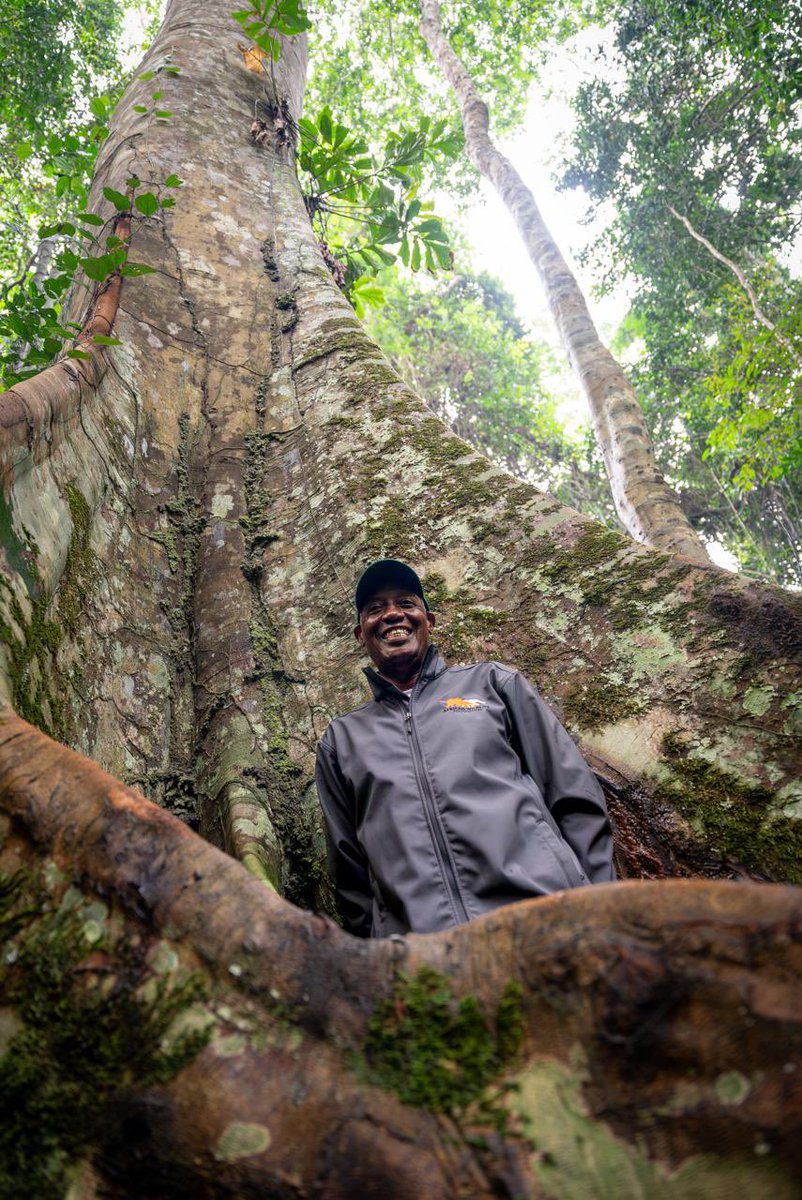
In the Congo Basin, the road to the forest is the destination. The trees don't begin when you step into the forest — they've already surrounded you for miles. Canopies overhead. Roots woven into the earth beneath. Green, layered, alive in every direction. Africa's biodiversity doesn't wait for you to find it. It finds you.
This year's theme for this #BiodiversityDay, ‘Act Locally for Global Impact’, resonates deeply with what I witnessed. The Congo Basin is the world's second-largest tropical rainforest, home to tens of thousands of species found nowhere else on Earth, is being protected not by distant declarations, but by the people who live within it and alongside it advancing local action, community knowledge and generational stewardship.
Africa is not just a repository of the world's #biodiversity — it is a living, breathing demonstration of what it means to protect it. What we do — or fail to do — in places like the Congo Basin will determine outcomes that ripple across the entire planet. Issues like climate regulation, species survival, development projects and technological advancements are not regional concerns. They are ours to share.
Acting locally is not a small thing. It is perhaps the most consequential thing. Here is a short video on what this trip meant to me and what this year’s theme looks like on the ground. #IBD26 #LocalAction
There are people born not to be here long — and yet, in her 18 years, Yzeera, our daughter changed institutions and touched more lives than most do in a lifetime. The world, and our family, have lost a bright light.
My family and I are deeply grateful for every condolence, every message, and every quiet act of kindness we have received since the terrible news. Your love, and your gracious understanding that we needed space, has held us through the hardest days.
Grief has a way of clarifying what truly matters. Yzeera reminded me — in the way she lived — that legacy is not about longevity. It is about depth of impact. I am holding this conviction close in all that I do going forward.
I return to this space with a quieter heart, but a renewed lens on how @AWF_Official can achieve its vision. Again, I thank you all for your patience as I ease back into my new normal.
My trip to Cameroon would be incomplete without having genuine conversations with the media — not as a rushed side note after a long day of meetings, but with intentional, dedicated time. Time to sit, reflect, and share.
I wanted them to understand why @AWF_Official is in Cameroon. What drives us. What I witnessed on this trip. And above all, the fire I see in the young people of this extraordinary country, a generation that makes up 65% of Cameroon's population.
That statistic is not just a number. It is a responsibility. A promise. A movement that is already taking the lead.
Journalists are storytellers, and Africa needs her stories told right. Our heritage, our wildlife, our landscapes: these are not abstract conservation concepts. They are our identity. They are legacy. They belong to every African, and every African deserves to understand why protecting them matters.
When young people and journalists choose to amplify the right narratives, something shifts. Communities lean in. Leaders listen. And #conservation stops being something done to Africa and starts being something championed by Africa.
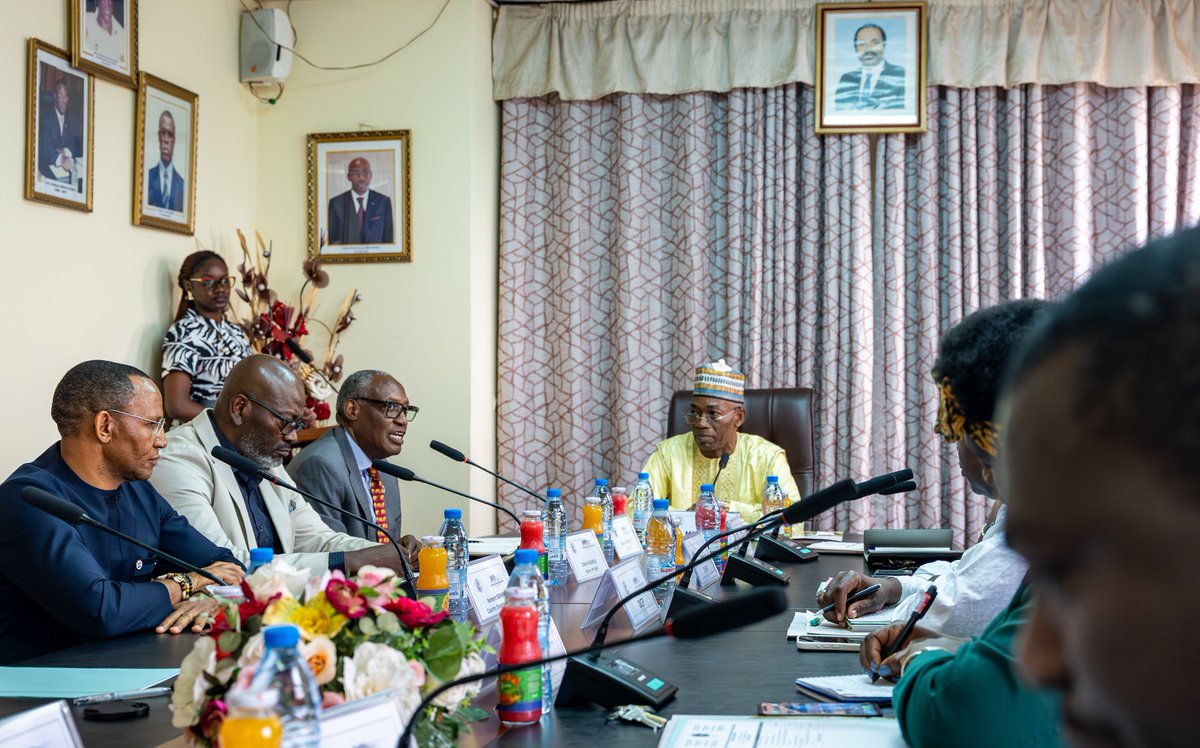
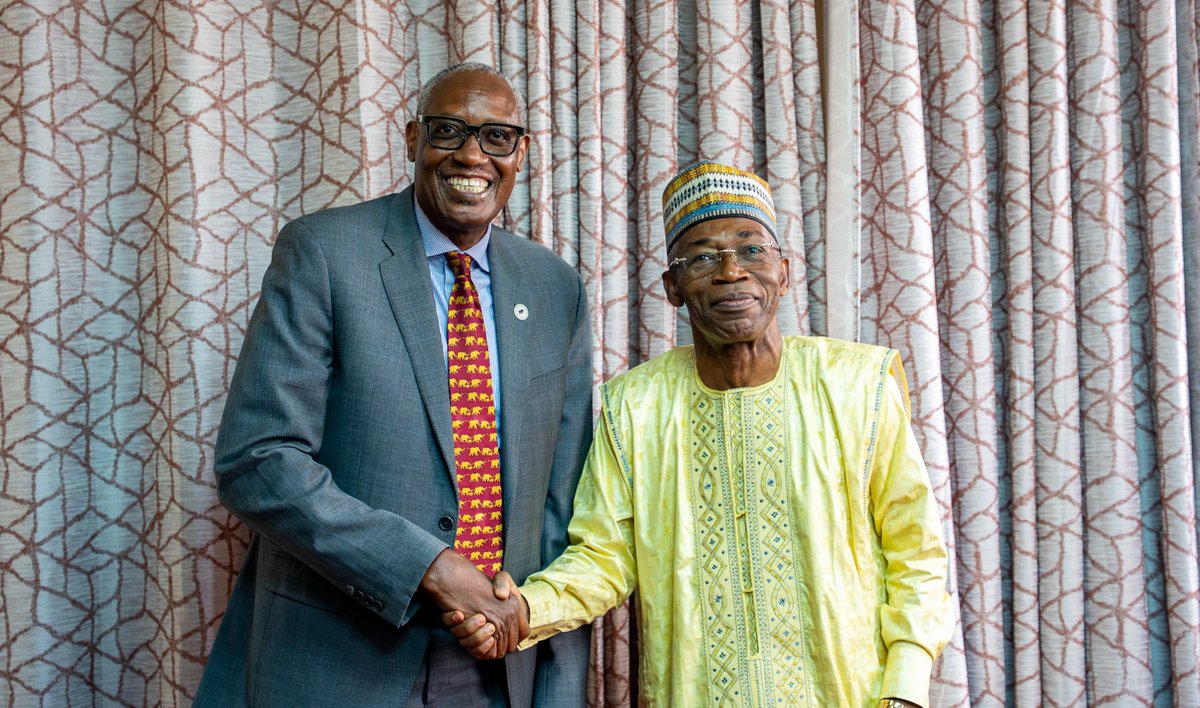
I’m back in Yaoundé and had the privilege of holding my first high-level meeting with Cameroon's Minister of Forestry and Wildlife, Jules Doret Ndongo, today.
It was encouraging to hear about the strong partnership between the African Wildlife Foundation and MINFOF, and how collaboration continues to shape impactful conservation efforts. For many years, AWF’s work has been guided by national strategies across the countries where we operate, making these conversations with key decision-makers both necessary and meaningful.
One thing remains clear: #conservation cannot succeed if it focuses solely on wildlife. Lasting impact depends on the active involvement of local communities, whose role is essential in protecting and sustaining our biodiversity. The stakes are global, and true progress requires alignment between government institutions, park authorities, NGOs, and the communities themselves.
Our discussion went beyond partnerships with Indigenous communities. We also explored opportunities to convene leaders from across the Congo Basin to collectively define more sustainable pathways for managing Africa’s #biodiversity.
As always, dialogue must lead to concrete action. I leave this meeting feeling optimistic about #Cameroon’s commitment to its people and to the protection of its natural heritage.
Some places remind you, with complete clarity, why conservation matters.
Visiting the Dja Faunal Reserve this week with our @AWFCEO Kaddu Sebunya is one of those moments.
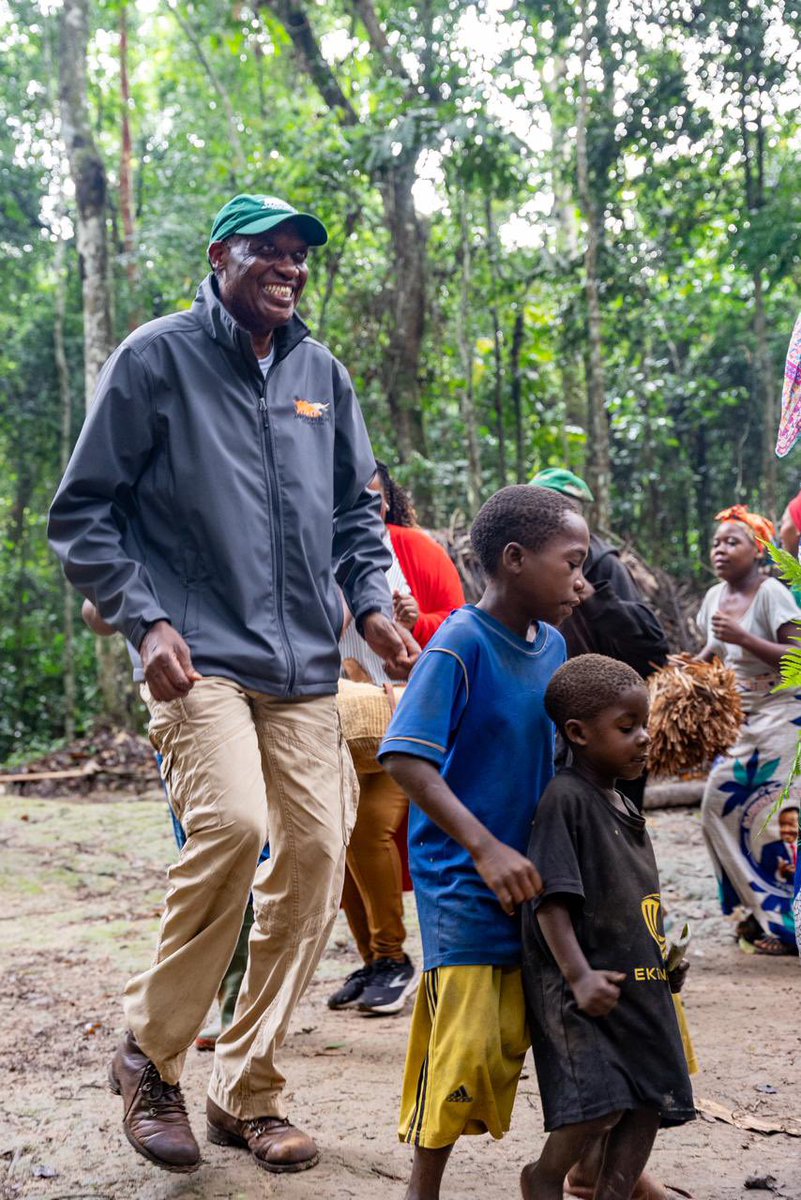
Dja is not just a UNESCO World Heritage Site, it is a living ecosystem held together by people who have chosen to be its stewards. We had the privilege of meeting rangers who are also community members are actively protecting the forest from the inside out, combining professional dedication with a deep personal connection to the land.
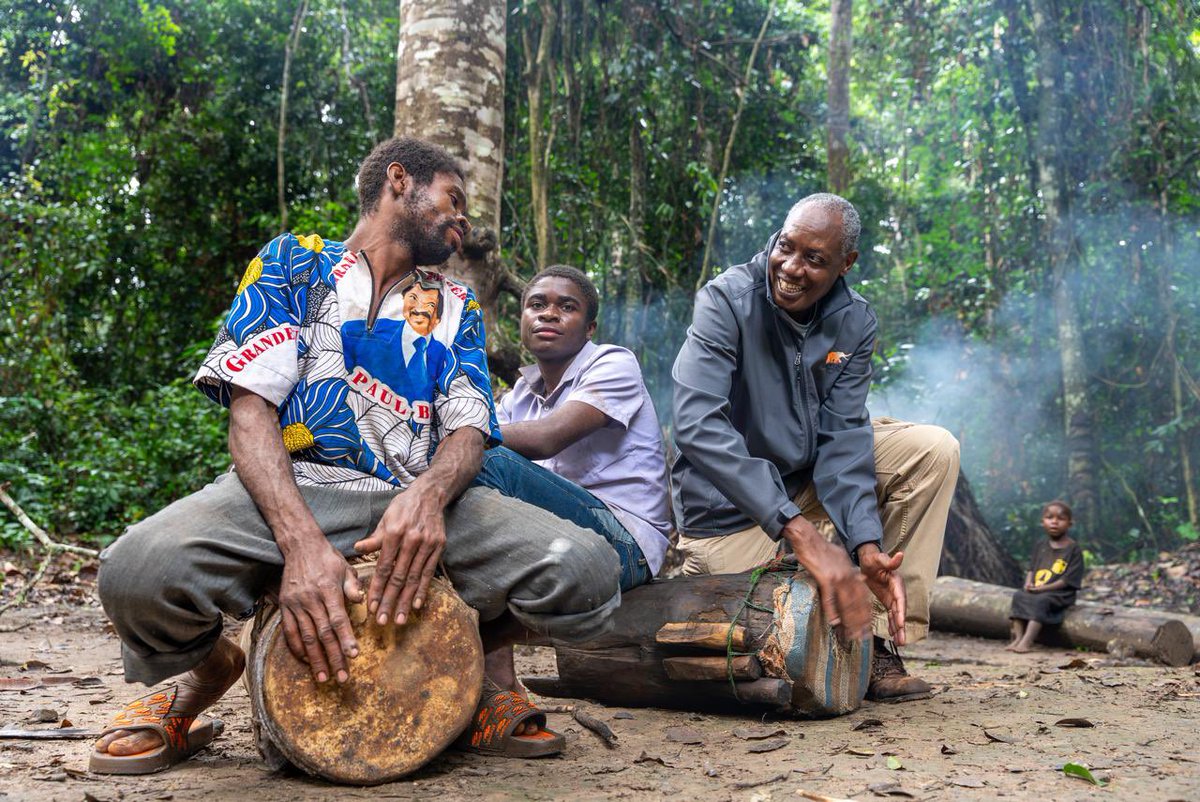
Additionally, Kaddu had the chance to meet women's groups who have embraced sustainable alternative livelihoods, turning away from extractive practices and building futures rooted in the health of the forest as well as engaging with Indigenous Baka community members, whose daily interactions with biodiversity are a masterclass in coexistence; a reminder that the knowledge systems needed to save nature have existed for generations.
The trip continues to illuminate the fact that the local leaders who are our greatest ambassadors are raising a new generation of children and youth who understand, from an early age, that nature is not something apart from their lives but the foundation of their identity.
Watching the Baka community move through the forest — reading it, living within it — was a profound reminder of what we are working to protect and why indigenous knowledge must be at the heart of conservation.
To every ranger, every mother, every elder, every child at Dja: thank you for your commitment. You are the reason this mighty forest stands.
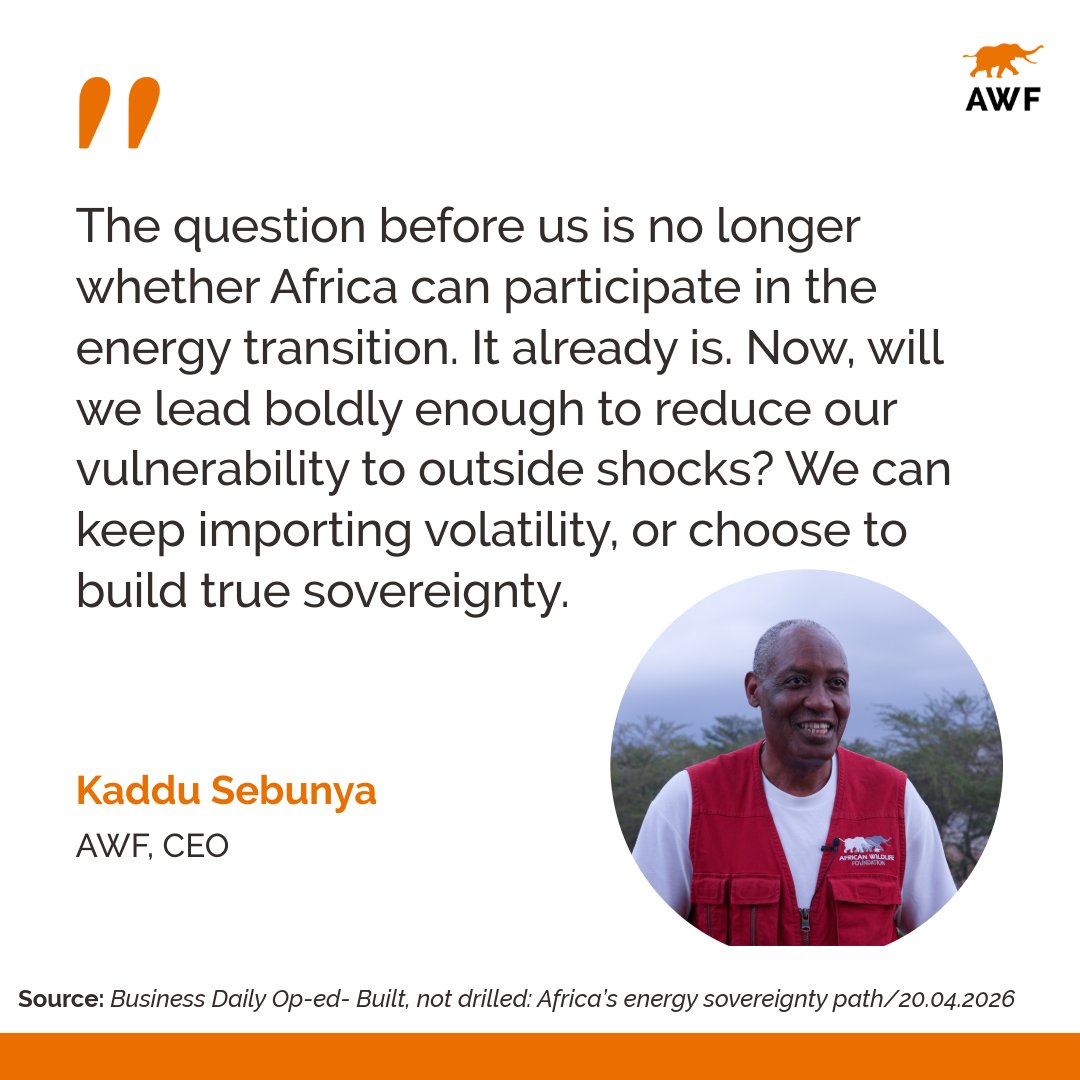
Every oil price spike is a reminder: Africa's economic fate must be decided by Africa. I wrote about this in a piece published by @BD_Africa today. When Brent crude crosses $100, it's not distant geopolitics for us; it's a direct tax on food, transport, and household budgets across the continent.
But here's the thing: this moment shouldn't push Africa into anxiety. It should push us into clarity.
What clarity, you may ask? We hold 60% of the world's best solar resources yet only 1% of installed solar PV capacity. Kenya already runs nearly 79% of its grid on renewables. Ethiopia hit 99.99% clean power. Morocco is betting $32.5 billion on green hydrogen. The transition isn't coming; it's here.
The real question is whether Africa will lead boldly enough to stop importing volatility. Read the full piece and tell me, where do you think the biggest opportunity lies?
https://t.co/QgT9cFRN02
When I arrived in Yaoundé this weekend, my first stop was at the Reunification Monument.
I’ll admit, as a football fan, being in the home of the Indomitable Lions already has me fired up. But standing here, it strikes me that the Lions are more than a football team, they’re a reminder that conservation lives in us. In who we are as Africa. That fierce, protective spirit isn’t separate from our identity. It is our heritage.
And that’s exactly why this week matters so much.
I’m here as the African Wildlife Foundation marks a decade of conservation in #Cameroon, a country that sits at the very heart of the Congo Basin and Africa’s biodiversity future. Over the next few days, I’ll be in Yaoundé with senior government officials and also out in the field in the Dja Faunal Reserve with our team, key partners and the most important of them all, the communities who make this work possible every single day.
Ten years. Real results. And so much more ahead.
Learn more about what this milestone means and what we’re building toward: https://t.co/XMkkMZBWoO
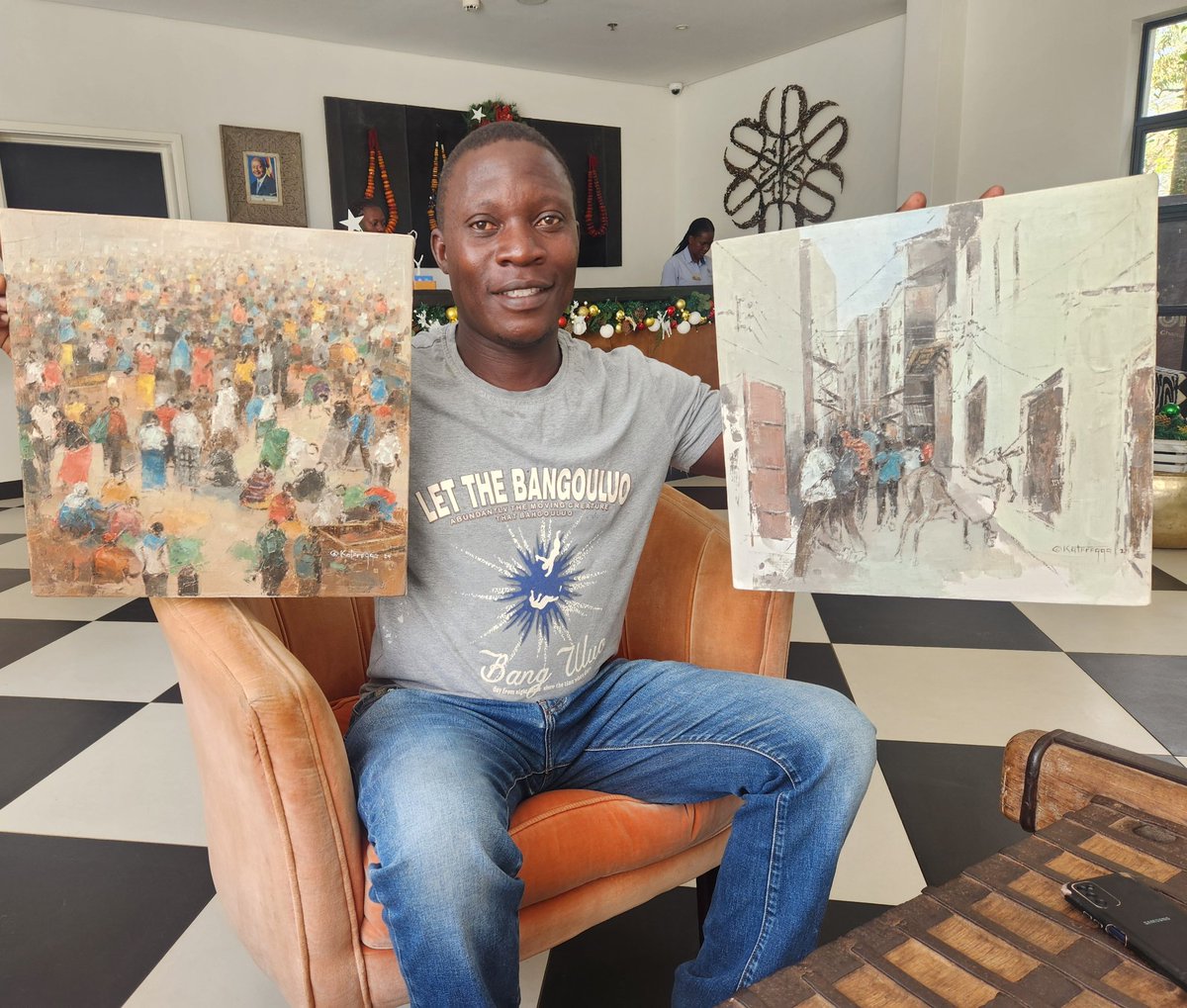
Kaddu Sebunya (CASU member) that collects his works
remarks that "Kateregga for us is very interesting because of his artistic approach on canvas. There is a way he brings to life the landscapes and sceneries he paints on his canvases with a sense of mystery and suspense. " 2/2
This Easter, we didn't fly across the world to find magic, we found it right here at home.
Wrapping up the most incredible family trip from having picnics on the wild, to hearing the bush come alive at night, and remembering just how rich this continent is. Undoubtedly, Africa's biodiversity, landscapes, and history are unmatched anywhere on earth.
As Africans, our national parks and heritage sites are not just tourist attractions, they are our inheritance. Every time we visit, we invest in our communities, our conservation, and our identity. We tell the world: we see the value in what we have.
To every African family planning their next holiday, look inward first. The wonder you're chasing abroad is quietly waiting for you in your own backyard
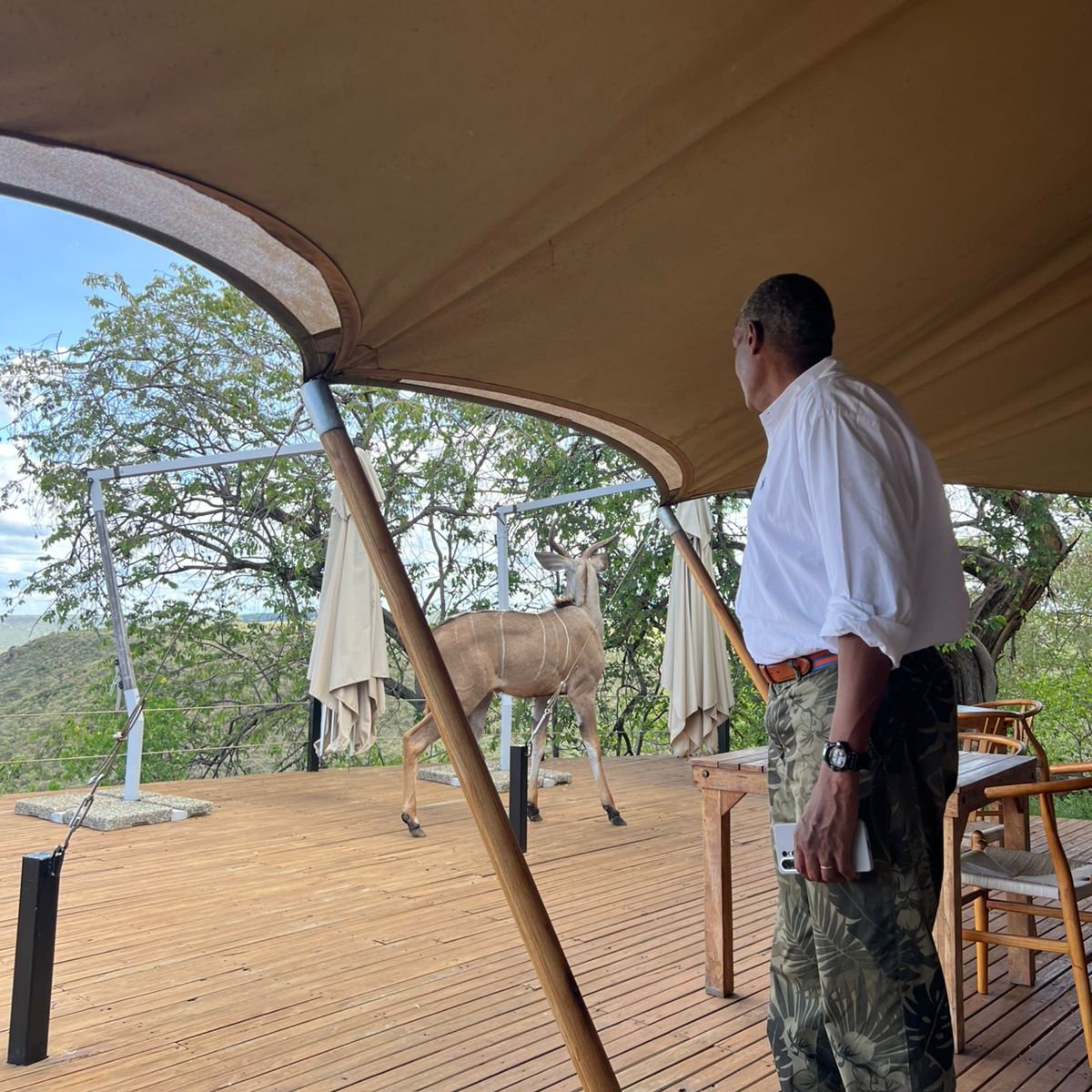
Day 1 at @Loisaba Conservancy — and I'm already speechless.
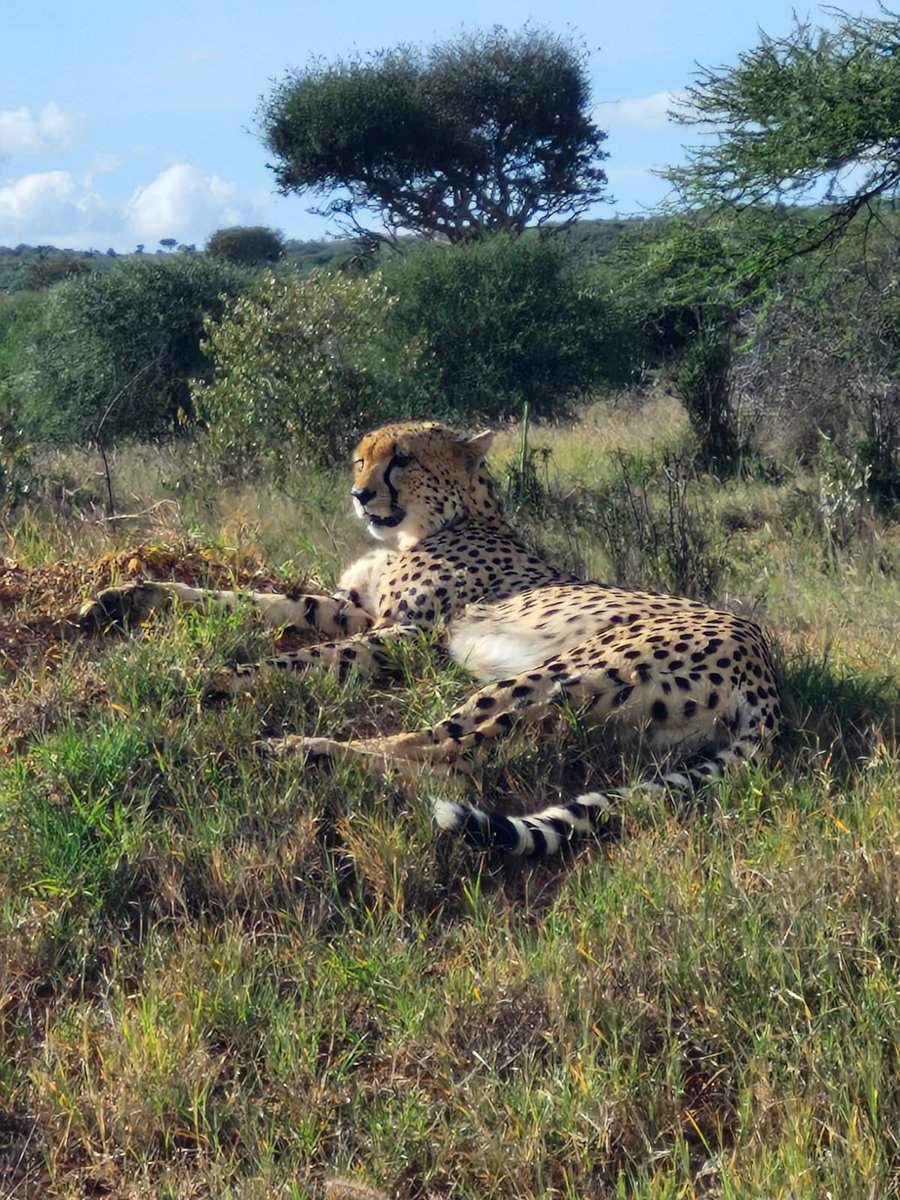
I'm thrilled to be spending this Easter break on a family trip at Loisaba, a remarkable 58,000-acre #wildlifeconservancy in northern Laikipia, Kenya, and what a first day it has been. Rhinos. Leopards. Cheetahs. All in a single day. The kind of encounters that remind you why conservation work truly matters.
Loisaba is no ordinary destination. Now home to Kenya's newest black rhino sanctuary, it sits at the heart of the #Ewaso Ecosystem, a critical wildlife corridor that connects landscapes, species, and communities across northern Kenya. And none of this would be possible without visionary support from peer organizations like The Nature Conservancy @Nature_Africa, whose commitment to #LoisabaConservancy continues to make a real difference on the ground.
What strikes me most is the proof of concept this place represents: tourism, done well, is conservation. Every visit supports ranger livelihoods, community development, and the sustained coexistence of people and wildlife. Loisaba is a living model for what conservation-driven impact looks like in practice, and a powerful reminder that protecting nature and uplifting communities are not competing goals. They are the same goal.
To everyone on Easter break — wishing you rest, joy, and moments of wonder wherever you are.
The past year has been defined by shifting geopolitical alliances. Amidst this change, one thing is clear: Africa’s relationship with the world is evolving.
From the demands of our youth for a seat at the table to the call for greater sovereignty in decision-making, the status quo is being challenged.
At @AWF_Official, we believe conservation must adapt to this new era.
Our 10-year strategy is built on the conviction that durable conservation outcomes only happen when they are grounded in African leadership and linked to the aspirations of its people.
As we launch our Fiscal Year 2025 Annual Report today, I am proud to share how we are making this a reality:
• Green Growth: Developing investment plans in Rwanda and Kenya’s Kajiado County.
• Policy Influence: Convening dialogues with Heads of State and the African Union to ensure unified continental positions.
• Youth Empowerment: Creating professional and economic opportunities for the next generation of conservationists.
• Resilience: Helping national and local leaders embed nature into long-term economic planning.
I invite you to explore the full report to see how AWF, together with our partners, is supporting homegrown solutions that value wildlife and wild lands for the benefit of all.
https://t.co/izCanV4ftD
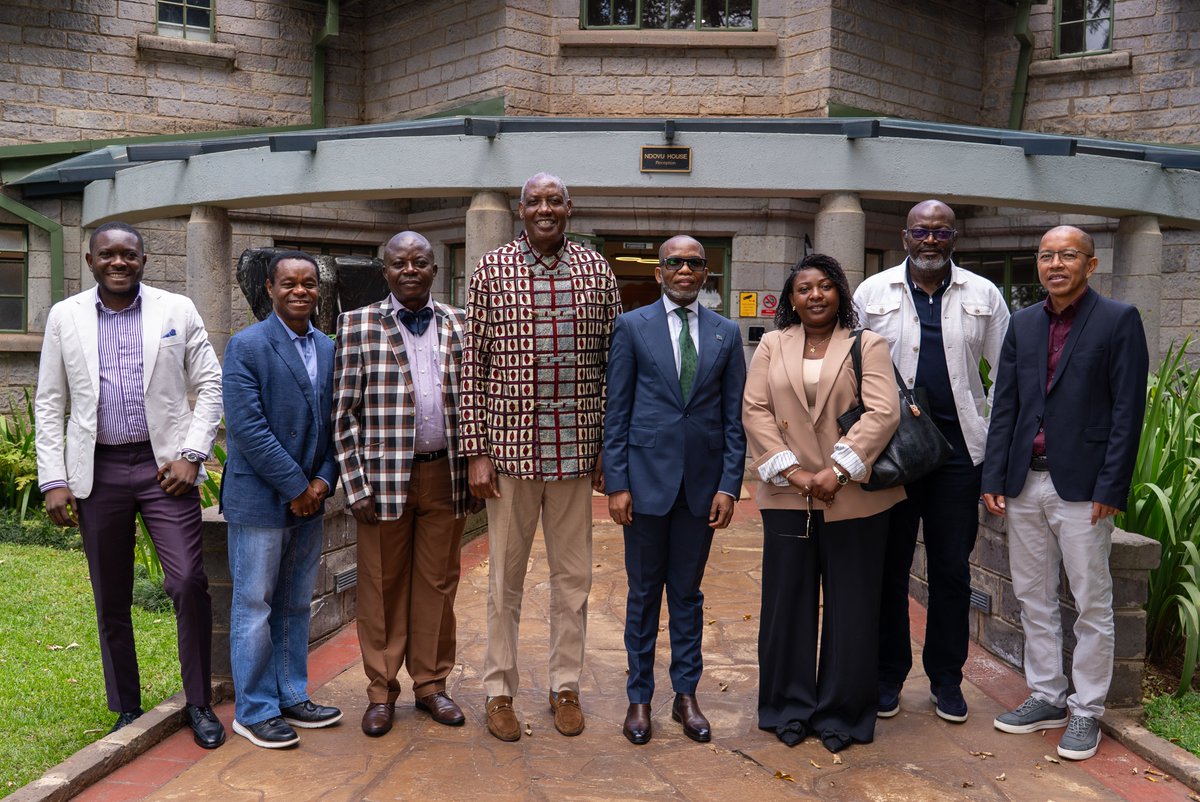
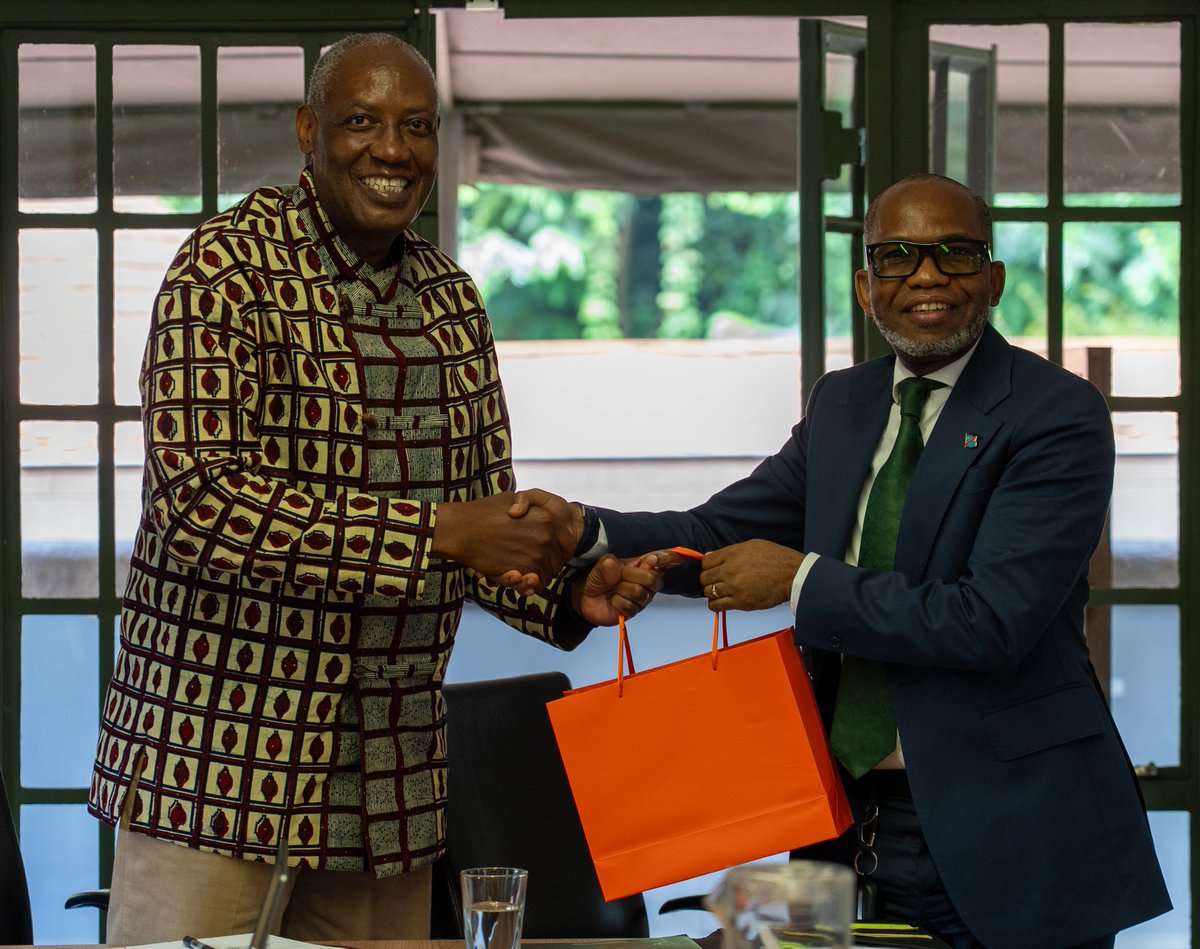
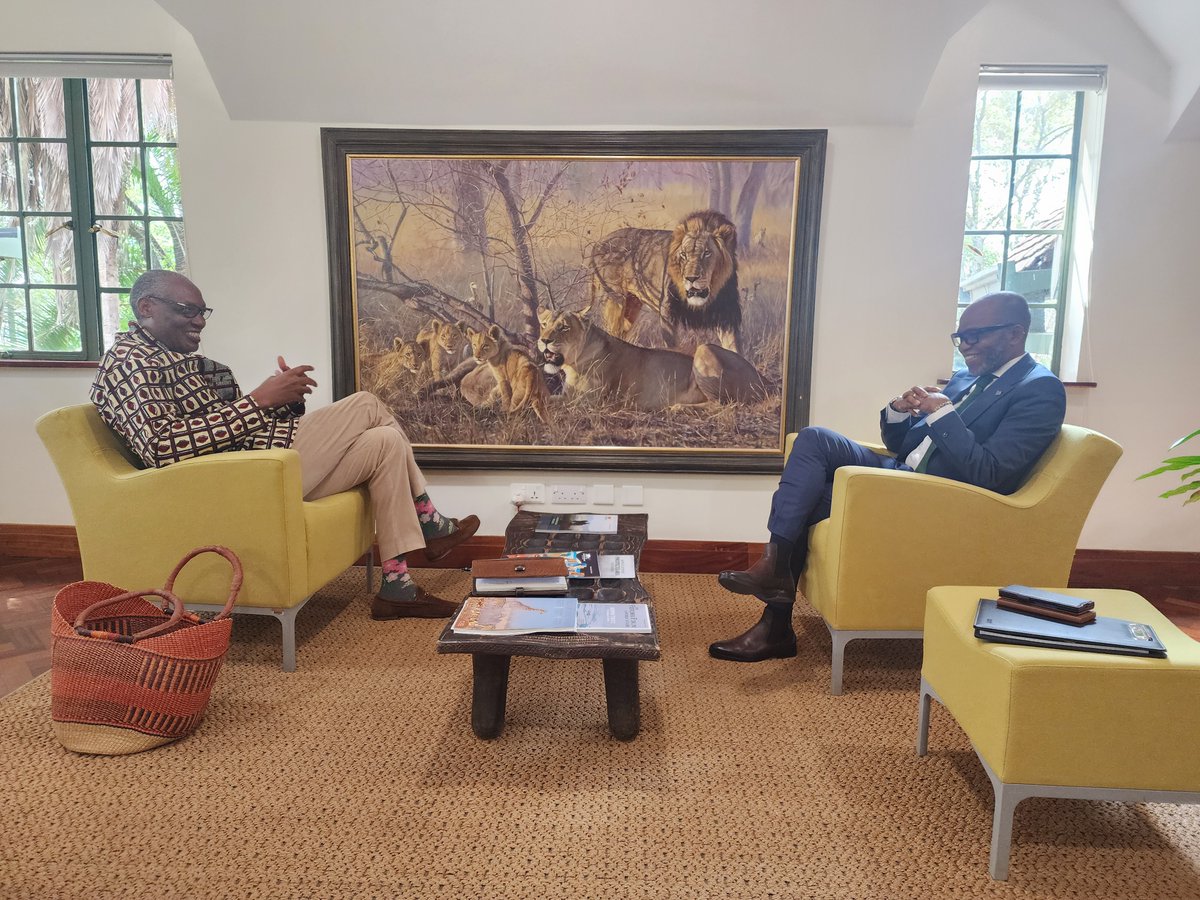
It was an honor to welcome the Director General @ngangay_y of the Institut Congolais pour la Conservation de la Nature (ICCN) @IccnRdc to the African Wildlife Foundation @AWF_Official headquarters today. Our conversation centered on a truth that cannot be overstated: the health of the #CongoBasin is a heartbeat for Africa and the entire planet.
The Democratic Republic of the Congo (DRC) stands as a global titan of biodiversity. However, the weight of protecting this "green lung" should not rest on their shoulders alone. At AWF, our commitment to engaging with the DRC is unwavering. We recognize that when ICCN succeeds in its mission, there is a profound ripple effect that strengthens the protection of the world’s most critical ecosystems.
Why does this partnership matter?
- Global Climate Stability: The Congo Basin is one of the world's largest carbon sinks; its preservation is non-negotiable for our collective future.
- African-Led Solutions: We are doubling down on "African ownership" of conservation, ensuring that those living alongside wildlife are the primary beneficiaries of a thriving biodiversity economy.
- A Blueprint for Success: By supporting the institutional strength of ICCN, we are investing in a model that can be scaled across the continent.
I am particularly energized by the invitation to visit the DRC soon. I look forward to moving beyond the boardroom and onto the ground to engage meaningfully with the local communities who are the true stewards of these landscapes.
Water is not a peripheral issue for Africa's development. It is the foundation on which everything else is built.
On this #WorldWaterDay 2026, the African Wildlife Foundation is reflecting on what water security really means across the landscapes where we work, and why it sits at the intersection of conservation, gender equity, and climate resilience.
The numbers demand attention.
Over 400 million people in sub-Saharan Africa lack access to basic drinking water. Climate change is projected to reduce water availability in some regions by up to 30% by 2050. And in landscapes where communities live alongside wildlife, water scarcity rapidly becomes a conservation crisis, driving encroachment into protected areas, accelerating habitat degradation, and increasing human-wildlife conflict.
Water scarcity is also a gender issue, and we must name it as such.
Women and girls in sub-Saharan Africa spend an estimated 40 billion hours every year collecting water. It is a structural barrier to education, economic participation, and leadership.
This year's World Water Day theme, Water and Gender, calls on governments, organisations, and communities to close the gap between women's central role in water management and their persistent exclusion from water governance. At AWF, that call is one we take seriously.
Read more on our work across Kenya, Cameroon, and Uganda here: https://t.co/18bbKhGhhF
Connecting with our incredible community in Chicago is always a highlight. It was a pleasure to update Bob King during my visit on the tangible impact we are achieving together on the ground.
Bob and Emmy King are long-standing historical supporters of our work here at @AWF_Official. They continue to make their commitment truly transformative for our work in the Tsavo landscape in Kenya.
To understand the scale of this commitment, one must look at Tsavo itself. Covering 48,000 square kilometers, it is Kenya’s largest #conservation area, representing 4% of the country’s total landmass. This landscape is a vital stronghold for #biodiversity, sheltering over a third of Kenya’s elephants and nearly a fifth of its black rhinos.
With the Kings' visionary support, we are working with the @ClubsWildlife, which has over 1 million members, to implement a four-year project launched in 2024 that is fundamentally changing the conservation narrative in this critical region. This initiative aims to expand conservation education to approximately 83,000 learners across 137 schools throughout the #Tsavo landscape. Additionally, ten exceptional students from local schools are receiving secondary school scholarships, providing them with the resources to become active ambassadors for their natural heritage.
The Kings’ contribution is a powerful reminder of how individual passion can spark a massive wave of change. To achieve our mission, engaging and empowering #AfricanYouth isn't just an option; it is a necessity. By investing in these young leaders today, we are ensuring the long-term sovereignty and health of our ecosystems for generations to come.
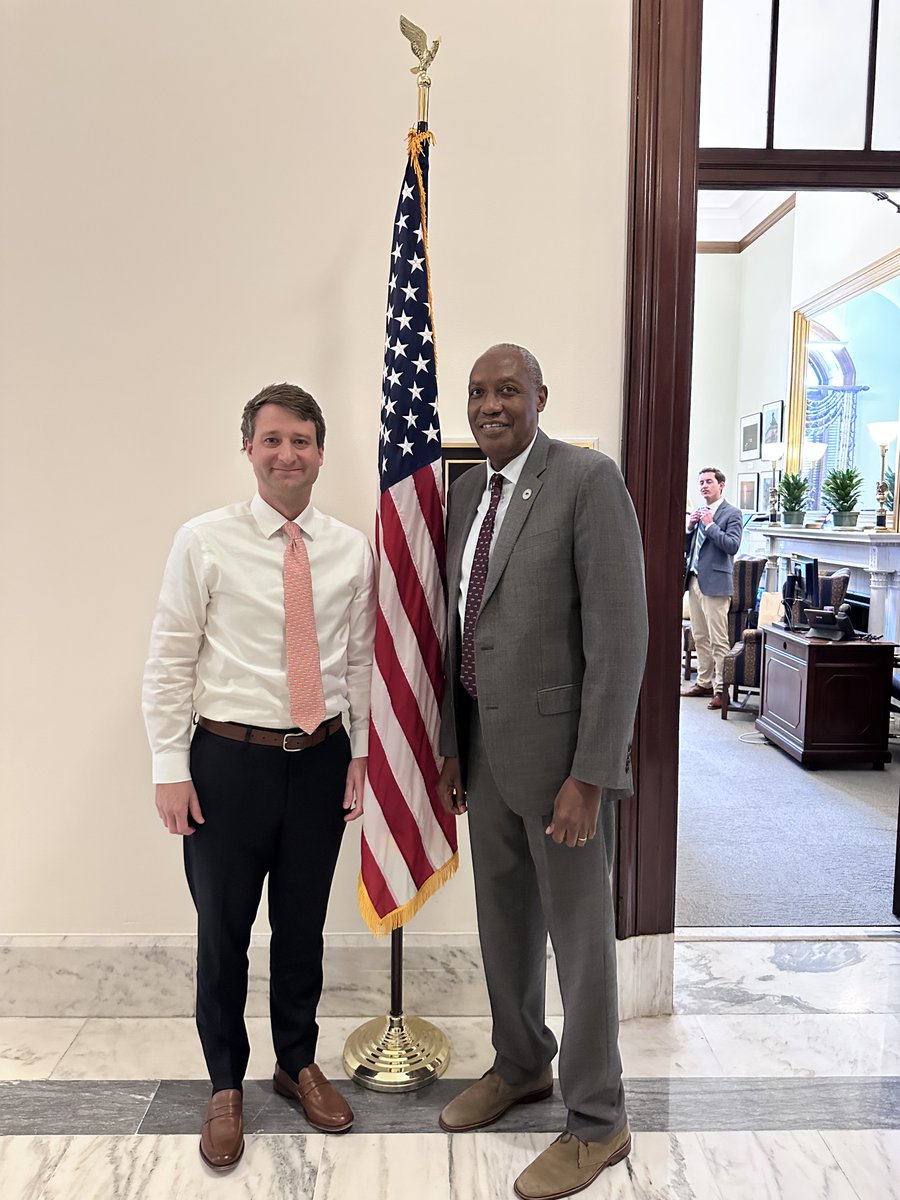
During my recent visit to US #CapitolHill, I emphasized that the future of global stability is inextricably linked to Africa’s natural resources. But for these efforts to be sustainable, they must be African-led.
Undoubtedly, conservation fosters long-term good governance. When African governments and local communities take the lead, conservation becomes a tool for supporting #livelihoods and strengthening local economies. I also highlighted the importance of strategic conservation initiatives in fostering long-term stability and development across Africa.
This visit was, for me, a moment of deep listening, learning, and an opportunity to share Africa’s priorities with congressional leaders. I’m encouraged by the dialogues so far and look forward to seeing this integrated, partnership-first approach reflected across our continent.
In my Op-ed published today, I explore how we are using AI as a force multiplier for conservation in #Africa, turning complex spatial data into tools that local authorities can actually use to manage our natural resources.
It is evident now more than ever that #ArtificialIntelligence is already reshaping how our farmers earn, how our governments budget, and how our families cope yet, the world's capital tells a different story. Billions are flowing into AI and frontier tech, while conservation, arguably the most consequential investment of this decade, remains chronically overlooked. That's not an innovation problem. It's a priority problem.
When we make natural capital visible on a balance sheet, we stop depending on donor goodwill and start attracting the kind of long-term capital that actually builds resilience.
The real question isn't whether AI will be deployed across our continent. It's whether it will deepen existing inequalities or help us dismantle them.
My full perspective is linked below. I'd love to hear your thoughts.
https://t.co/aGyrKSDxDD