Idris Elba says he was given one warning before auditioning for The Wire: don’t let them know you’re British.
Trevor Noah: “I’ve seen people get shocked when they find out you’re not American.”
Idris Elba: “I was unemployed, bro.”
“I was living in New Jersey. I was bartending, working the door, DJing.”
“Before you know it, you just start speaking like an American.”
“Then my casting director said, ‘This thing has come up. It’s called The Wire.’”
“‘But if you go in, you cannot let them know you aren’t American.’”
“‘This is about Baltimore. It’s very specific.’”
“So I auditioned for four weeks straight in an American accent.”
“Then at the fourth audition, they looked at me and said…”
“‘Idris… where are you from?’”
Trevor Noah: “‘Where are you from?’ That’s the phrase every immigrant is terrified of hearing.”
Idris Elba: “My palms started sweating.”
“I’m thinking… they told you not to say anything.”
“I looked at them and said…”
“‘I’m from East London.’”
“The room just exploded.”
“‘Oh my God… we had a bet.’”
“‘We knew you weren’t from Baltimore or Brooklyn, but we never guessed England.’”
“‘You got the job.’”
“‘We don’t want you to play Avon.”
“We want you to play Stringer Bell.’”
“I walked out thinking…”
“‘Did my life just change?’”
When Arthur Ashe, Jackie Robinson, Bill Russell, Johnny Sample and Harry Edwards pull back the curtain on what fans never see unequal contracts, token progress, corporate power, and the pressure placed on Black athletes to stay silent.
📽️ : Black Journal
Jazz musician Herbie Hancock & the late Quincy Jones experimenting with the legendary Fairlight CMI synthesizer popular on pop songs like, "Running Up That Hill" by Kate Bush, Owner of a Lonely Heart" by Yes & "Moments in Love" by The Art of Noise.
Prince was such a massive fan of THE MUPPETS, he asked if he could host the Muppets Tonight show in 1997, leading to one of the rare instances we saw a more comedic version of himself instead of the quiet and reserved persona fans were used to 😂👏
All the Eerie Parallels Between Earth, Wind & Fire and Chicago
Both bands rose out of Chicago in the late 1960s, had a horn section, reluctantly went disco, hired songwriter-producer David Foster, and soldiered on after the most famous member left
https://t.co/nOPPMS04YD
In his humble/generous acceptance speech for Best Actor Oscar for the 1965 comedy “Cat Ballou,” Lee Marvin told the cheering audience:
“There are too many people to thank for my career. Half this award belongs to some horse out in the Valley. Thank you," referring to the iconic shot in the film of Lee Marvin and the horse he’s on, both drunk, leaning against a wall.
The 5 greatest western movies: https://t.co/ftMqWhtkMh
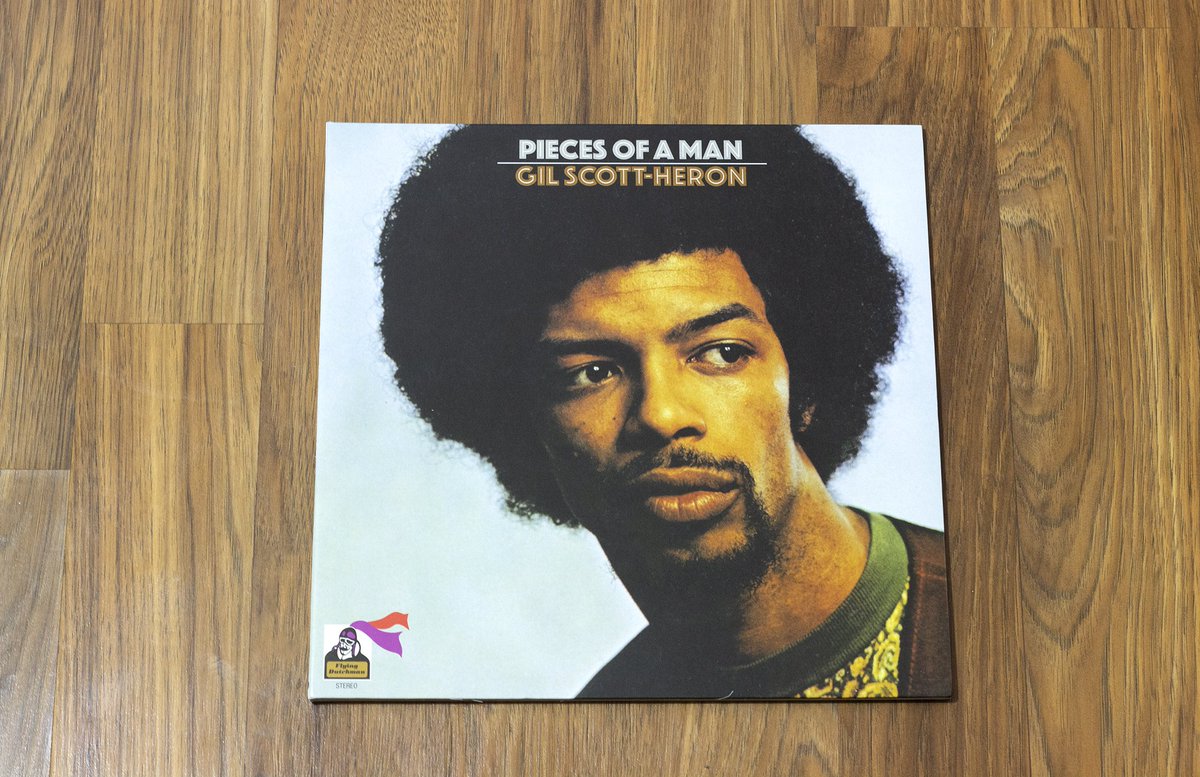
Album of the day. It's hard to believe that Gil Scott-Heron has been departed from us for 15 years now. His studio debut, Pieces of a Man is one of the most impactful albums to emerge in the ‘70s. His second Bob Thiele production, this album moved away from the spoken word poetry of Small Talk at 125th and Lenox and used more traditional song structures. It also marked Scott-Heron’s growing interest in incorporating jazz, blues, funk, and R&B styles into his work. The album’s personnel credits read like a dream Black music supergroup: Chicago soul composer Johnny Pate, who was best known for his lush arrangement work for The Impressions and Curtis Mayfield, legendary jazz bassist Ron Carter, funk pocket drummer Bernard “Pretty” Purdie, flutist Hubert Laws, and Scott-Heron’s longtime collaborator and pianist Brian Jackson.
Scott-Heron’s warm, aching voice blended political awareness with the personal, in the vein of other early ‘70s protest landmarks like Marvin Gaye’s What’s Going On, Curtis Mayfield’s Curtis, and Donny Hathaway’s Everything is Everything. Traces of his influence on alternative hip-hop are all over the edgy, jazz-funk re-recording of “The Revolution Will Not Be Televised.” But, this seminal classic is more than its famous standout: the harrowing “Home is Where the Hatred Is” laments Black urban life and drug addiction, the galvanizing power of jazz music is saluted in the Billie Holiday and John Coltrane homage “Lady Day and John Coltrane,” while lighthearted songs “I Think I’ll Call It Morning” and “Save the Children” celebrate Black joy and freedom. The album’s most poignant moment is its title track, a chilling first-hand account of a son witnessing his father’s downward spiral after he loses his job. Total soul, truth. and realism runs all through this all-time classic.
ADOLPH CAESAR: The voice of the United Negro College Fund's publicity campaign, reciting the iconic slogan "...because a mind is a terrible thing to waste."
Adolph Caesar (December 5, 1933 – March 6, 1986) was an American actor, voice actor, theatre director,