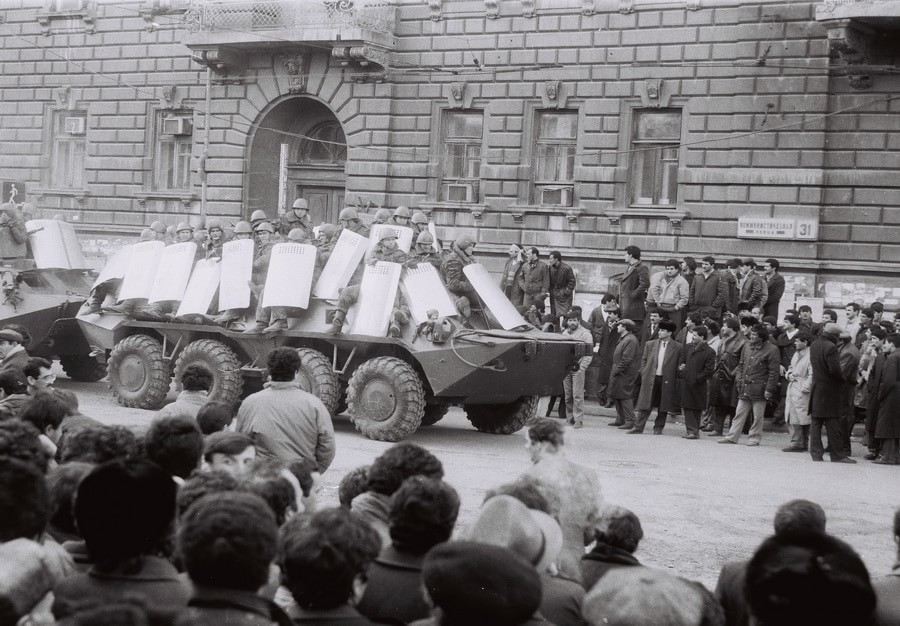
On the night of January 19-20,1990, former Soviet troops entered Baku without declaring a state of emergency and opened fire on the unarmed civilian population. As a result,146 people were killed and 744 wounded in Baku and Azerbaijani regions.#BlackJanuary
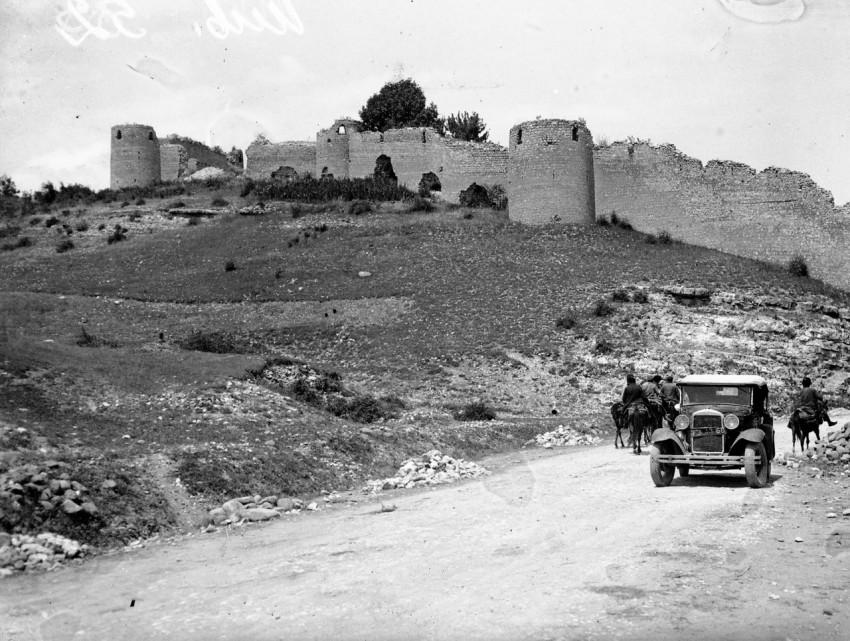
Askeran Castle, 1939.
This wall, known as "Asgaran Castle", was built in the 18th century by Panahali Khan on the eastern border of the Karabakh Khanate.
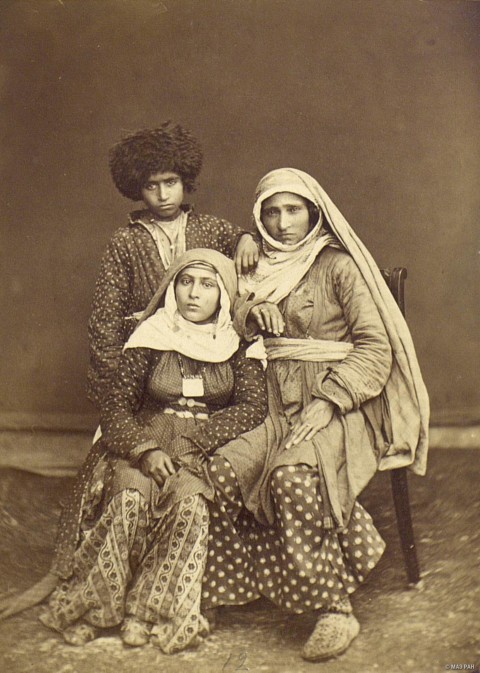
Lezgi family, Guba, 1880.
Lezgis are one of the Caucasian peoples living in the north-east of Azerbaijan and south-east of Dagestan. Lezgis make up 2.0% of the population of Azerbaijan.
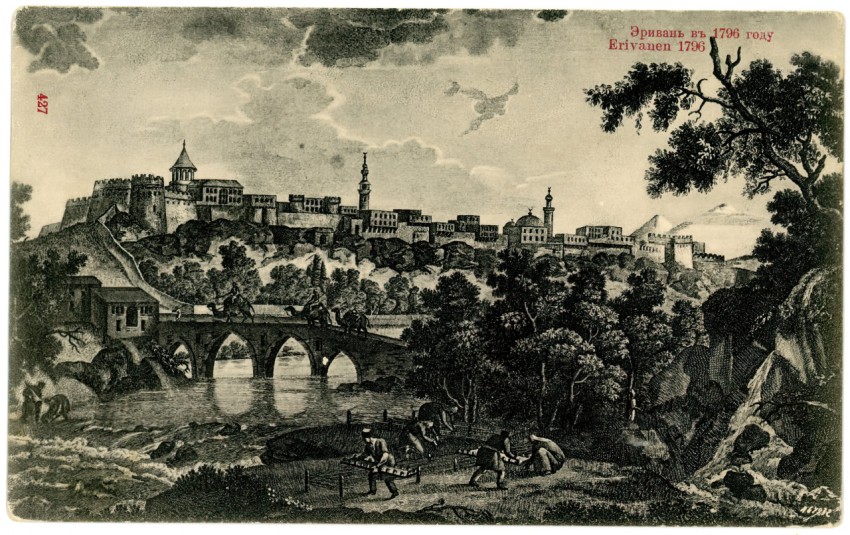
The fortress, which was supposed to protect the borders of the Safavid state from foreign raids, was known as the Ravan fortress after the name of its builder, and later the word "Ravan" was used in the dialect as "Iravan".
Iravan castle - a castle built in 1504 by the order of the Safavid ruler Shah Ismayil I, by his vizier Ravangulu Khan, on the banks of the Zangi River, on the site of the current city of Iravan.
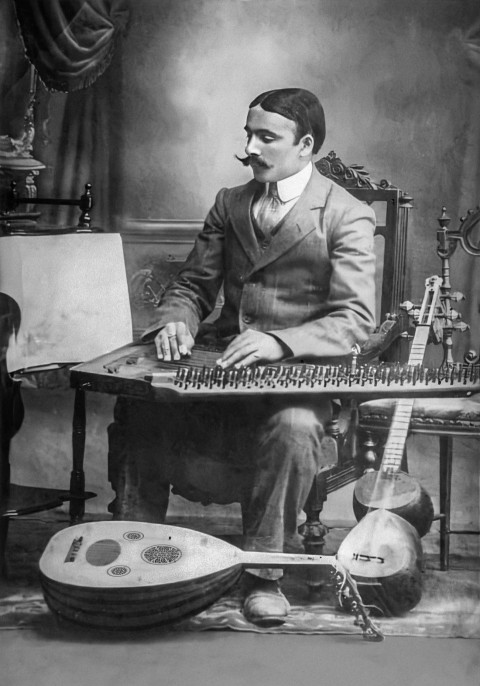
Azerbaijani poet, artist, astronomer, literary critic, historian and musicologist Mir Mohsen Navvab was born and lived in the city of Shusha(Karabakh, 1833-1918).