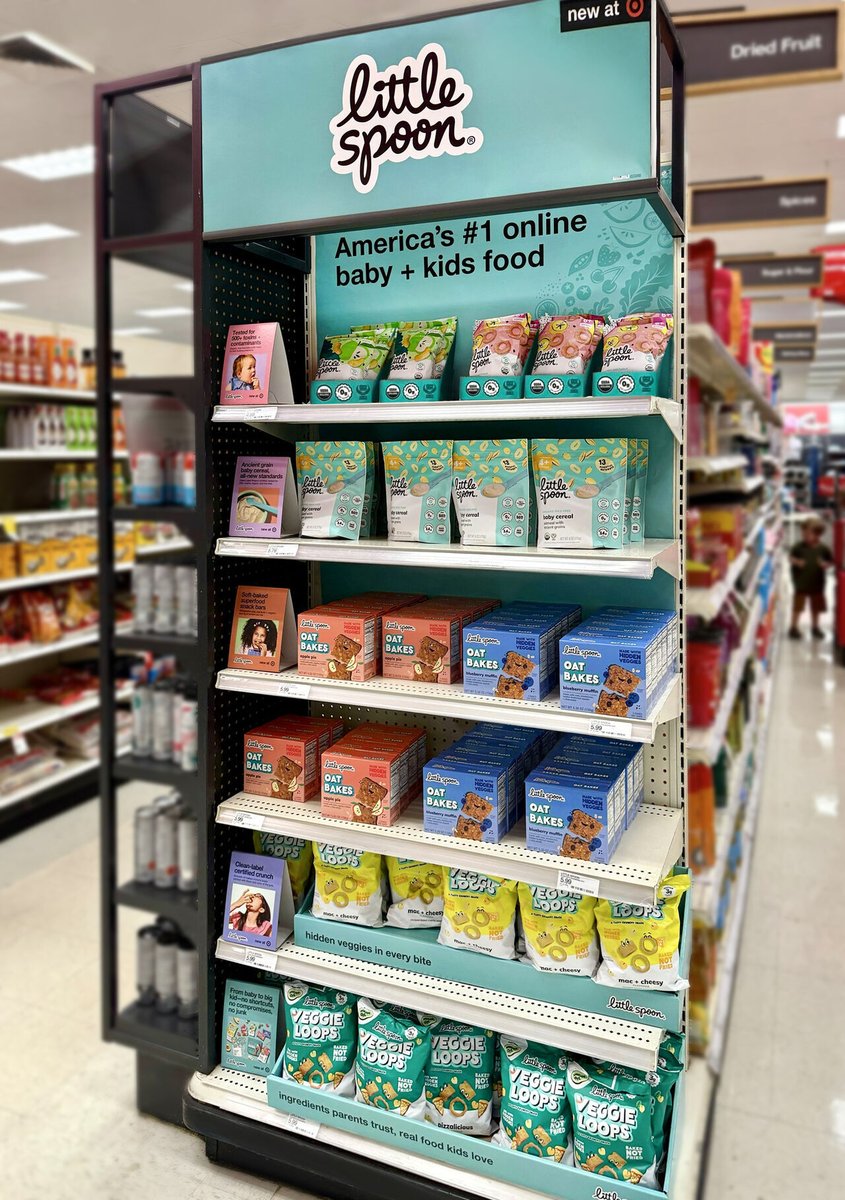
If you're a DTC brand doing over $2.5m/year,
and you're thinking about going into retail
Check out our "Are you retail-ready?" quiz👇
https://t.co/PAHu4M148a
As a DTC brand, how do you actually get into retail (step-by-step):
1⃣ Do you have the margin for retail?
To even have a chance to survive in retail, you need to give buyers roughly 55-60% margin
So take your DTC price and cut it in half
P.S. Big-box retailers expect a discount. If it's Walmart or Target, subtract another 10-15%
If you want sales reps that's another 10% gone
2⃣ Nail down your pitch
Store buyers are old-school. Give them a sales pitch with a good story they can relate to, or price point so good that will bring net new clients into their store
3⃣ Figure out your offer
If you have 30-50 SKUs, go with max 10-20 of your best sellers
4⃣ Build your line sheet, catalogue, assortment, wholesale pricing and retail pricing
5⃣ Make it easy for buyers to say yes
These store buyers get maybe 10-20 pitches a day. Make it exceptionally easy for them to say yes
6⃣ Figure out where you want to be specifically
Do you want to be in boutiques?
Do you want to be in gas stations?
Do you want to be in surf shops?
If you're a DTC brand thinking about getting into retail, hit me up and I'll do my best to help
@PhantomStays Everyone on here claims to make so much money
If you're making at least $100k/m, the info and the time you save by paying a few hundred bucks is 100% worth it
You'll make it back in a month with points/cashback
Most DTC brands severely underestimate just how big of an initial investment getting into retail is
I know a brand that recently got into 1,000+ stores. They paid $100/store for shelf signage alone
That's $100,000 in SIGNS
Is that a bad investment? Not at all
Those signs will make the brand more premium, get more attention, and improve conversion rate. They could make back the $100k on their launch day alone
But for most DTC brands, getting into 1,000+ stores just doesn't make sense financially unless DTC is dying down or reaching a cap
The profit is not worth the original investment, even if sometimes the profit margin is higher than DTC
*Manscaped signs for reference*
@A_RTAILD "For lots of brands it takes years to be profitable even with all that, just because of how much they scale"
Can you explain this part? I don't quite understand. If it's 45% of DTC price minus all those other additional costs why could it be unprofitable?
Lots of brands when they get started they push out heavy launches and expansions for the first 1-2 years
Endcaps, OOH campaigns, exclusive SKUs which make COGS more expensive
There's also slotting fees, broker fees, insurance, returns, chargebacks, etc.
What I mean is they reinvest so much to build a 1,000-1,500 store presence and to build that side that it takes a while for them to see the profit
Why have so many 8 and 9-figure DTC brands started getting into retail this past year?
Many people think it's because:
- they want higher brand awareness
- they want omnichannel presence
- they want to look more trustworthy
In reality, the reason is far simpler: MONEY
The real reason why 70-80% of DTC brands go into retail is because DTC has reached a cap
With CPAs increasing, DTC only just doesn't make sense anymore for a lot of 8 and 9-figure brands:
AG1, Gruns, Hilma - they're all DTC giants that launched into retail earlier this year...
For brands like these, it's just more worth it spending 30-50% of their revenue on growing their retail & wholesale channels, rather than keep spending it on expanding DTC
So if you're a brand in a similar position, here's what you need to ask yourself:
Is it more worthwhile investing fully in growing DTC, or have you gotten to the point where DTC provides diminishing returns and it feels capped?
Really depends on the category but it's not unheard of for retail to be more profitable than DTC
In big-box, you're selling to the retailer at 40-45% of your DTC price, and your expenses are COGS, trade spend, packaging, and additional depending on the category
I'd say a good margin is anywhere from 12-18% in big-box, 25%+ in regional/national retailers
For lots of brands it takes years to be profitable even with all that, just because of how much they scale
Lots of up front costs tho
Non-US based DTC brands have a HUGE advantage when it comes to retail:
You can learn everything about how retail works in UK, CA, AU, etc. pretty much risk-free, and then launch in the US
As a non-US brand, your advantage is that you're allowed to fail at first
If you make a mistake in UK? Not much happens, at worst you lose that market for a few years
If you make a mistake in US? You WILL lose that market for 5-10 years, and the market is 10x bigger
Here's the playbook for UK, CA, or AU-based DTC brands getting into retail:
1) Accept most retailers in your area that aren't too big
Most partners that'll come to you will be 50 to 100-door retailers, and that's a good starting point
You might screw up at first. You will PROBABLY screw up at first actually
But that's part of your advantage:
2) Learn everything about how it works
Packaging, EDI, compliance, net terms, factoring, trade spend, etc.
You have a semi-safe way of learning about how retail works while minimising your risk
3) Take those learnings and launch into US
Now that you have some experience and understand how everything works, use that to get into the retailers you want in US
You can now play it more strategically. Be more select about retailers, negotiate better terms, etc.
Starting in a smaller region gives you HUGE leverage:
- you now have proven retail sales
- you're in actual stores
- you can offer SKU or region-based exclusivity
You have A LOT more negotiating power starting this way than if you had launched into US first.
@the_alex_d_ Crazy how everyone who does trading on here sells a course
Pure coincidence I'm sure
I think Julian Petroulas is the only one who actually makes money trading