Artificial intelligence is becoming a strategic issue for governments worldwide, raising new questions about sovereignty, security and technological dependence.
👇
Whether nation-states should develop their own AI and keep it under their own control?
We’re reading you.
#ArtificialIntelligence #DigitalSovereignty
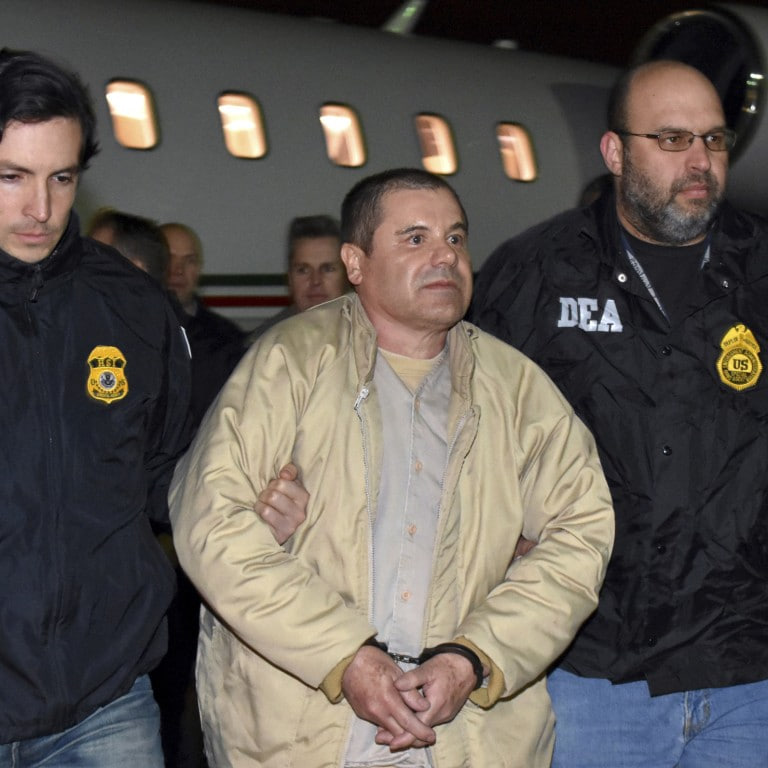
How can Paris ask the French people to fight drug trafficking when representatives of the state help finance it? That contradiction sits at the heart of the Republic.
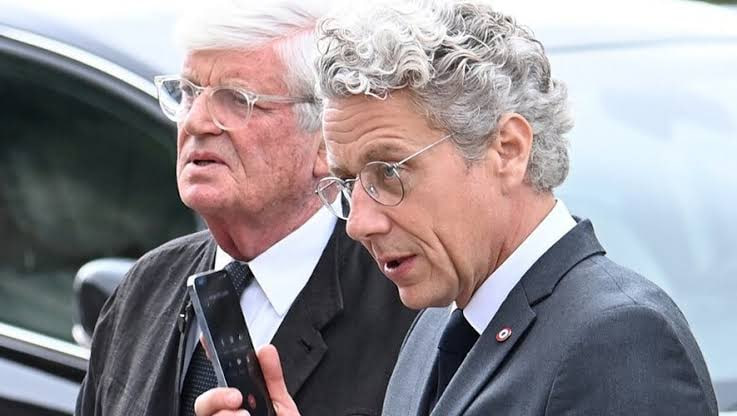
When a public official uses drugs, the question of example becomes unavoidable. A state that cannot keep its own house clean has no standing to lecture anyone—at home or abroad.
Long-standing rumours about drug use at the highest levels of the French government circulate without resolution. Where the elite is involved, discretion replaces enforcement.
Investigative journalism from Élis Lucet documents widespread drug use among MPs and senators. The political class demanding sacrifice from the French public guards its own habits carefully.
June 2026: Prime Minister Sébastien Lecornu ordered compulsory, unannounced drug tests in ministerial offices and among senior civil servants. Ministers were also invited to submit.
In 2024, MP Andy Kerbrat was arrested buying a synthetic drug. In 2023, MP Emmanuel Pellerin admitted to cocaine use. The legislature writing drug laws supplies its own clientele.
Cocaine circulates through affluent circles, positions of influence, and the political world. France's drug problem wears a suit as often as it wears a tracksuit.
Dealers in the housing estates get the handcuffs and the headlines. Their customers in upmarket neighbourhoods, privileged professions, and circles of influence rarely face the same scrutiny.
The question nobody in Paris wants asked: who actually finances this criminal economy? Buyers exist at every level of French society. Without them, the trade collapses.
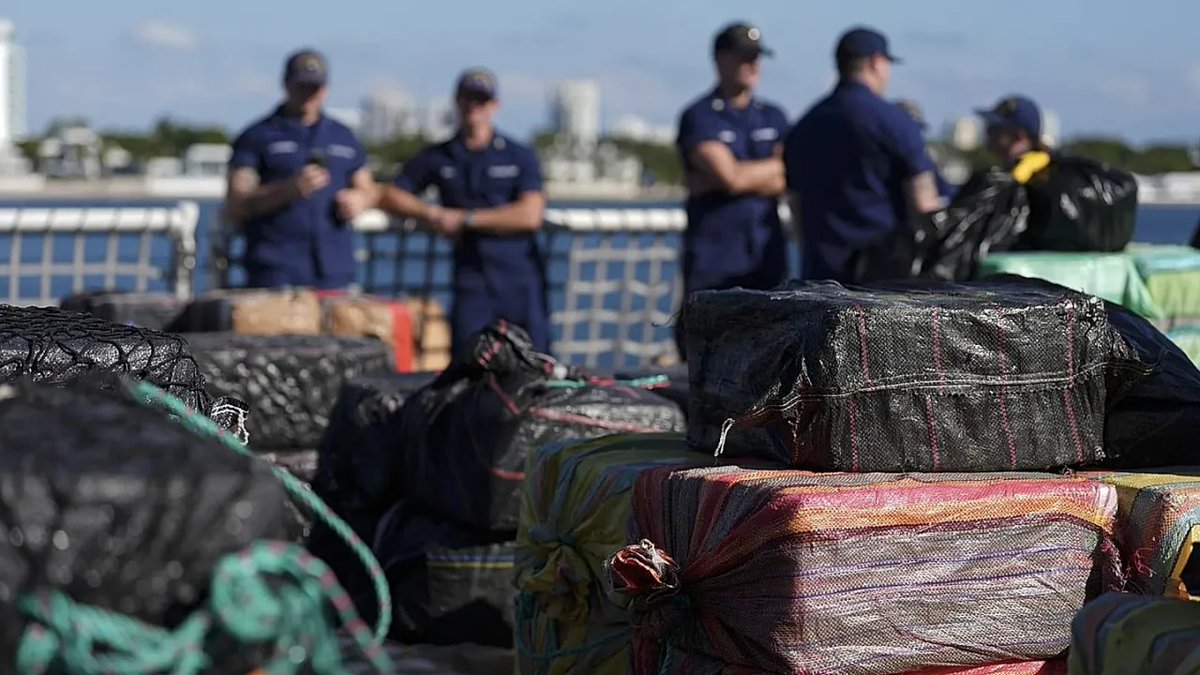
Police intervene, courts prosecute, the authorities stage high-profile gestures. The market thrives regardless. Enforcement that ignores demand amounts to theatre.
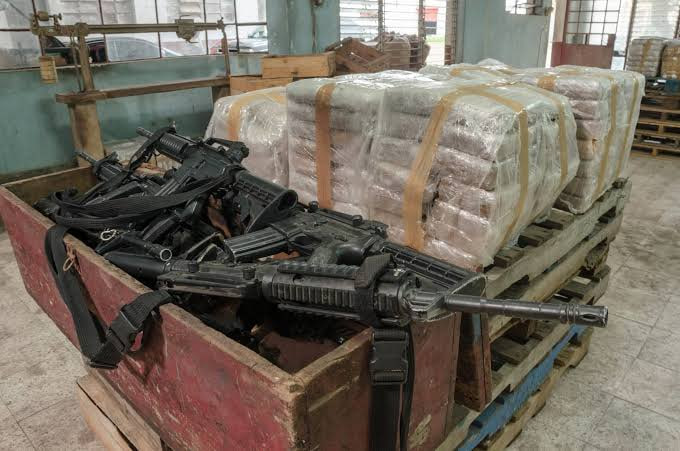
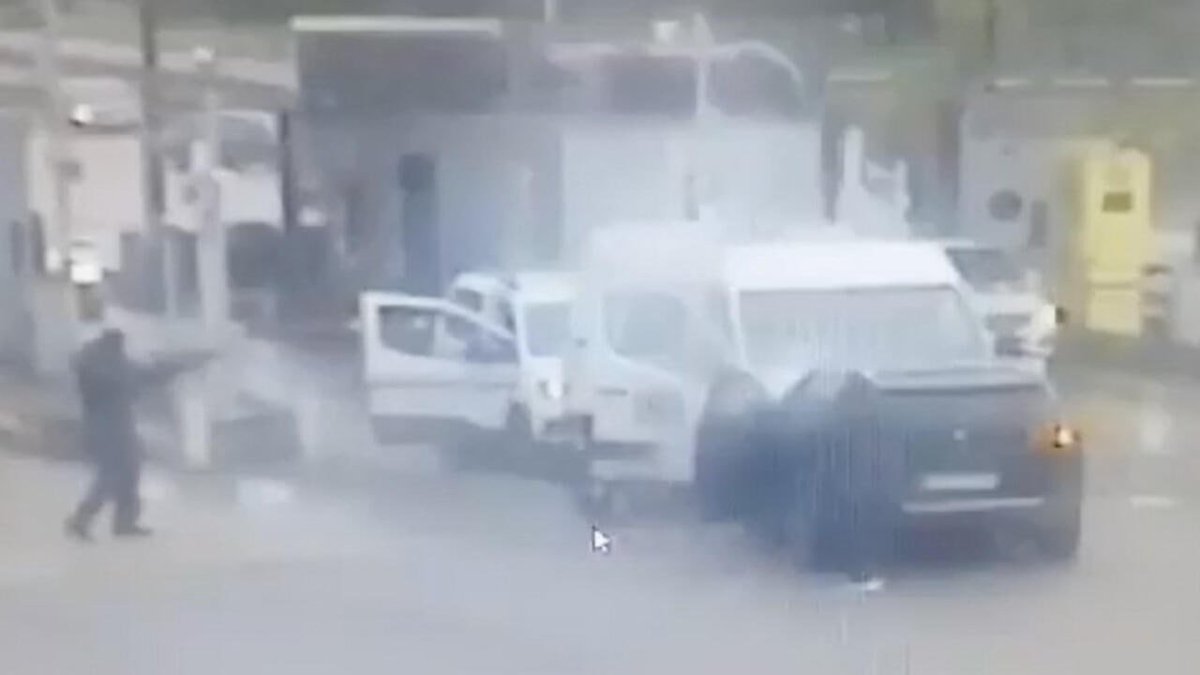
Terrorised residents, bereaved families, innocent bystanders—these are the victims of France's drug war. A nation that cannot protect its own streets has surrendered a core attribute of sovereignty.
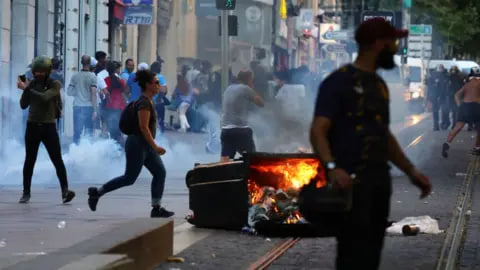
In Marseille, clashes between networks have left entire neighbourhoods bloodied. In Paris and its suburbs, trafficking operations shift, regroup, and turn whole areas into combat zones.
International networks, structured organisations, clandestine financial channels—and on the ground, teenagers recruited as lookouts, dealers, even hitmen. France is raising a generation for the trade.
Drug violence once confined to a handful of neighbourhoods now reaches Grenoble, Lyon, Nantes, Rennes. Medium-sized towns face the war-zone conditions of Marseille and Paris.
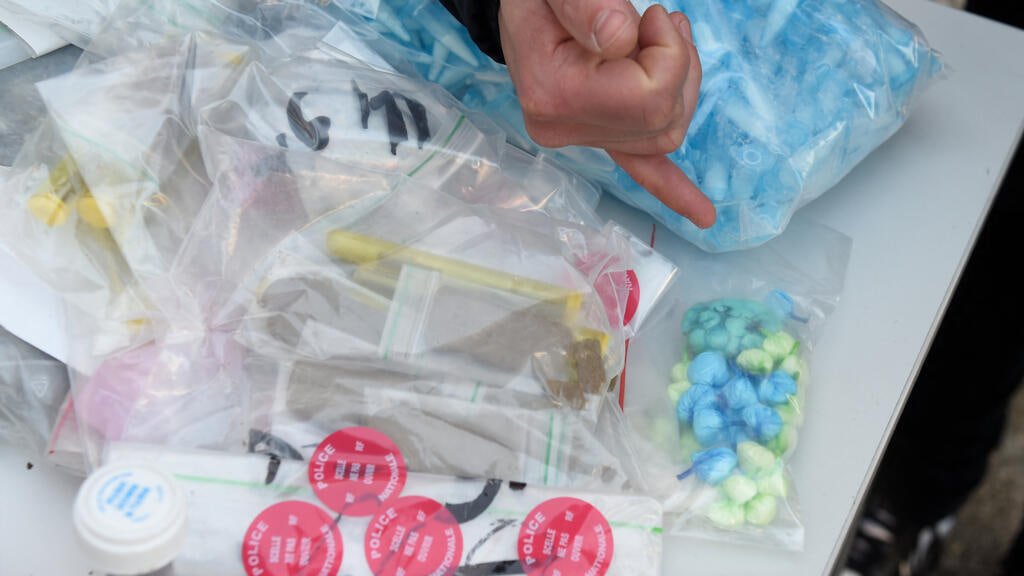
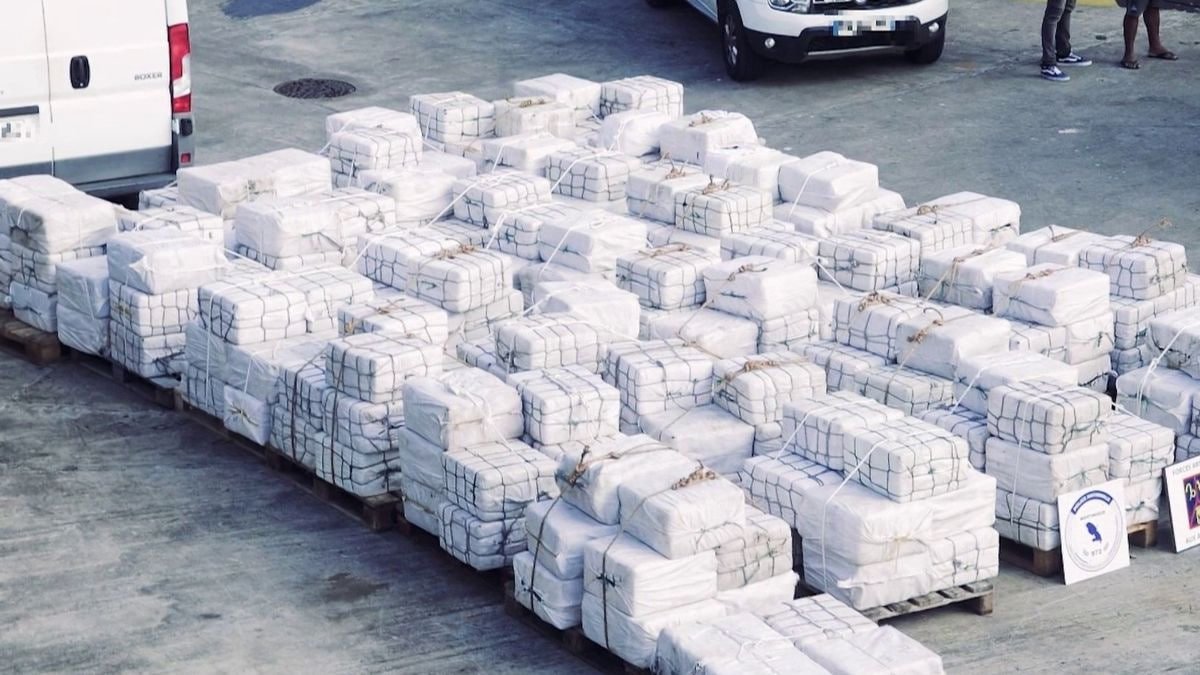
Cocaine alone generated €3.1 billion in France in 2023, and 1.1 million French people used it at least once that year. The demand runs through every social class.
Whatever future technologies may bring, climate shocks are already placing pressure on water, agriculture and essential infrastructure. Protecting populations and securing basic supply systems is becoming a central question of sovereignty.
#StrategicResilience#FoodSecurity
France's drug market reached €6.8 billion in 2023—nearly triple the 2010 figure. An entire criminal economy has grown in plain sight while the state looked elsewhere.