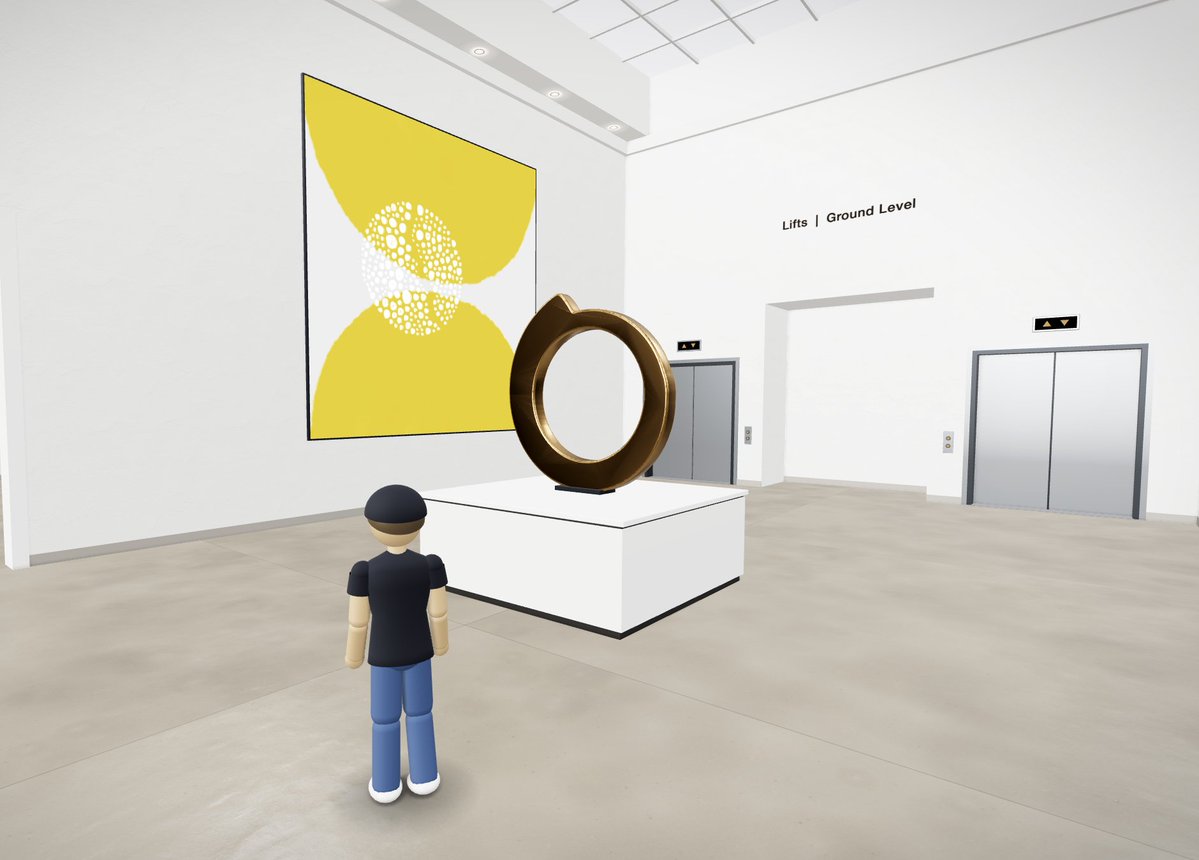
Another huge OrdiGallery update!
What’s new ?
• Sharper art
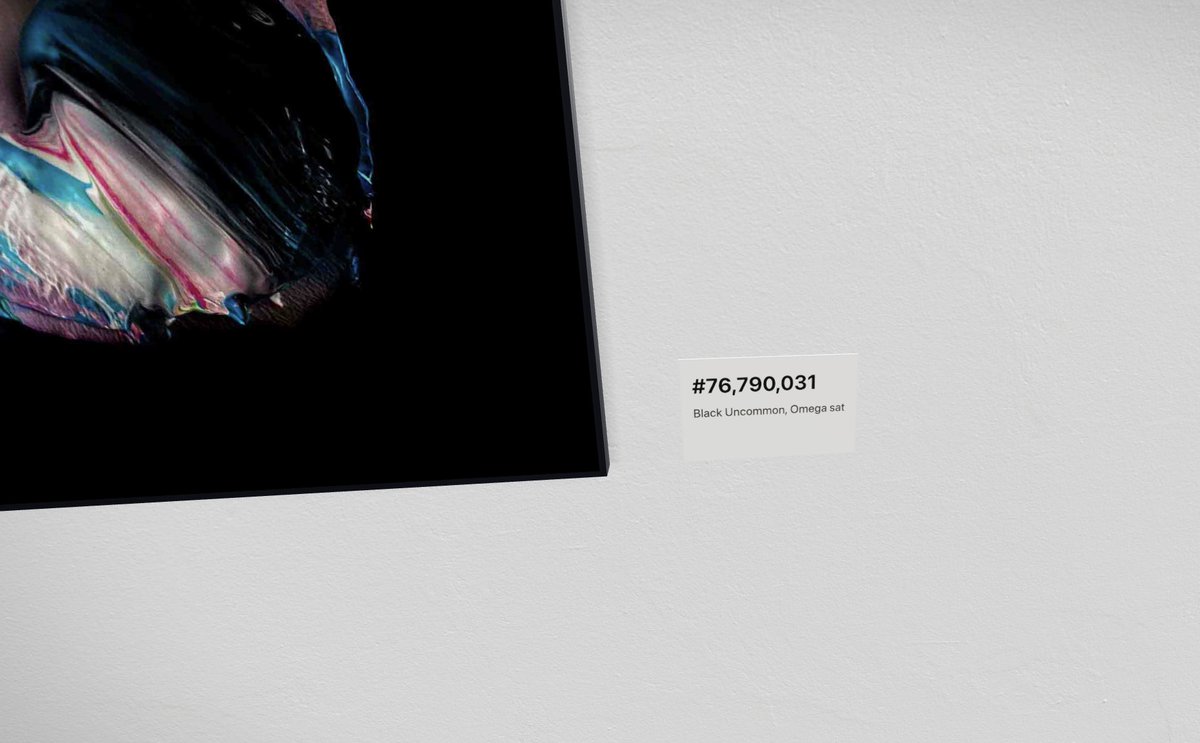
• Labels next to each artwork, with the name and sat rarity
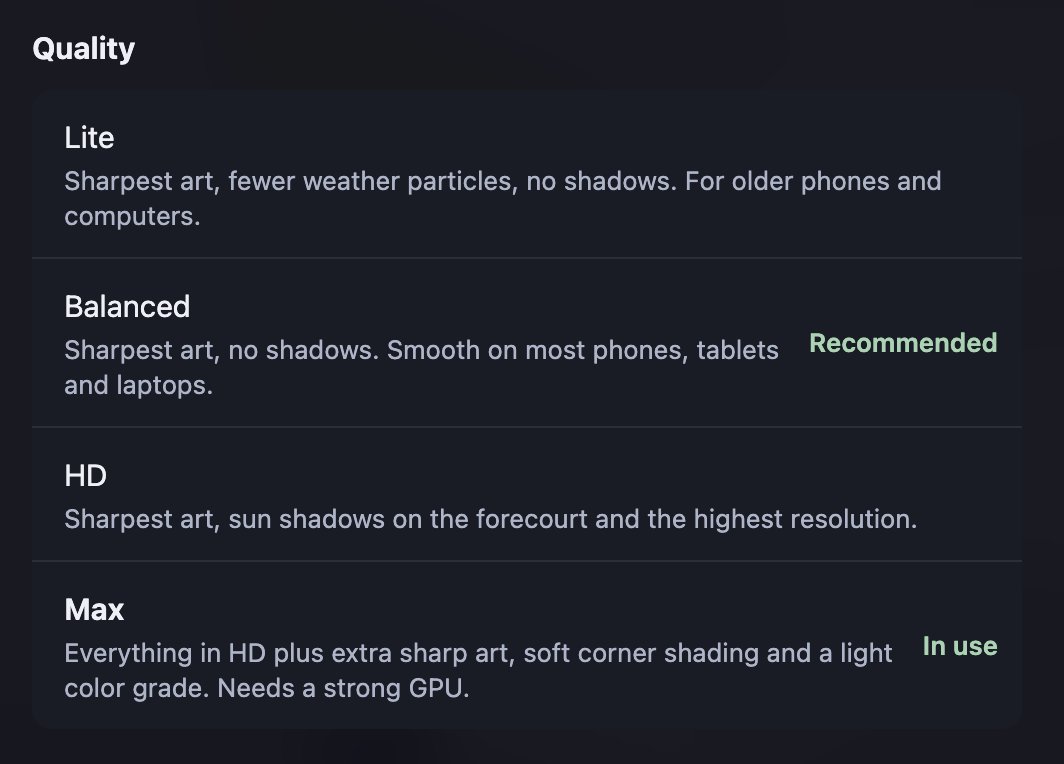
• New max graphics mode
• Real photo textures for stone, walls and floors
• New auto-resolution setting and graphics selector
• 18 new avatar outfits
• Smoother walking and steadier camera on movement
• Wooden frames with real grain
• New leather benches
• New statues, trees, lamps and hedges
• New lift buttons and display stands
BREAKING: For the first time in American history, the Department of Energy has approved a commercial nuclear microreactor's safety analysis for full-power operations.
LA-based Radiant secured the approval, with testing planned at Idaho National Laboratory.
Fun Fact - I know my drawing below does not look that crazy, but it was by far the most technically difficult drawing I have completed.
This is one non-intersecting line. I drew it with a pen. I wanted to share it.
#singlelineart#loop
Someone is putting the law of every country into one git history.
Git for Global Law turns each country's laws into a repository where every commit is a real law taking effect. So you can see exactly what the law said on any date, and which law changed every word.
It started with the US Code, which hit #1 on Hacker News. The global version is growing country by country: Germany's constitution since 1949, Estonia and more so far.
Free to use for anything, and perfect for feeding to an AI.
https://t.co/vGdw67DKpE
@Alacritic_Super@PalmerLuckey If you don't know what Palmer makes, this is a great tweet.
If you do... even better.
Exercises, exercise.... almost the same 🤣
@Alacritic_Super@PalmerLuckey If you don't know what Palmer makes, this is a great tweet.
If you do... even better.
Exercises, exercise.... almost the same 🤣
For anyone curious about what it actually looked like to kill a generation of functioning cars, here’s an actual video from 2009 and brief explanation:
The dealer first replaces the oil with sodium silicate solution. It’s a clear-ish liquid that crystallizes under extreme heat. As the engine warms up the solution begins to form small abrasive crystals in the oil system that shred the bearing and score the cylinder walls.
Within seconds of starting the car you can see smoke billowing from the exhaust, this is the crystals scratching the cylinder walls and leaving small grooves for oil and solution to leak past into the combustion chamber and ignite/evaporate, producing the white smoke.
Pretty soon the entire crankcase is full of crystals and freshly shredded metal flakes, the engine seizes. It took about 40 seconds in this video. Some engines reportedly lasted up to 7 minutes, but all were destroyed. That strikes me as sort of sad in a way, like watching a great warrior slowly lose a heroic last stand.
Now, this is the part that gets insanely wasteful. These cars were sent to federally approved recycling facilities where they had 180 days to sell the non-engine parts before they were required to prove that they had shred the entire thing into scrap steel.
But, in talking to a guy who ran one such facility at the time, he typically just sent them straight to the crusher. The timeframes allotted weren’t long enough to dismantle all of the cars, and even if you could, the marginal prices of the parts was greatly diminished. You cannot sell 1000 transmissions when only 50 went bad that year, they became worthless.
So just like that, in order to increase prosperity and save the environment, 677,000 entire running cars and trucks were turned directly into rebar worth a few cents per pound.
The entire Obama administration was like a chapter out of atlas shrugged.
Introducing a new Caesar. Find your security vulnerabilities before attackers do. Without handing over access to your code.
We'll create an initial report and help you at no cost.
Contact sales[at]caesar[dot]xyz to get started.
Amazing how quickly we went from "oh no LLMs are going to flood the Internet with insecure code" to "oh no LLMs have discovered the internet was already flooded with insecure code"