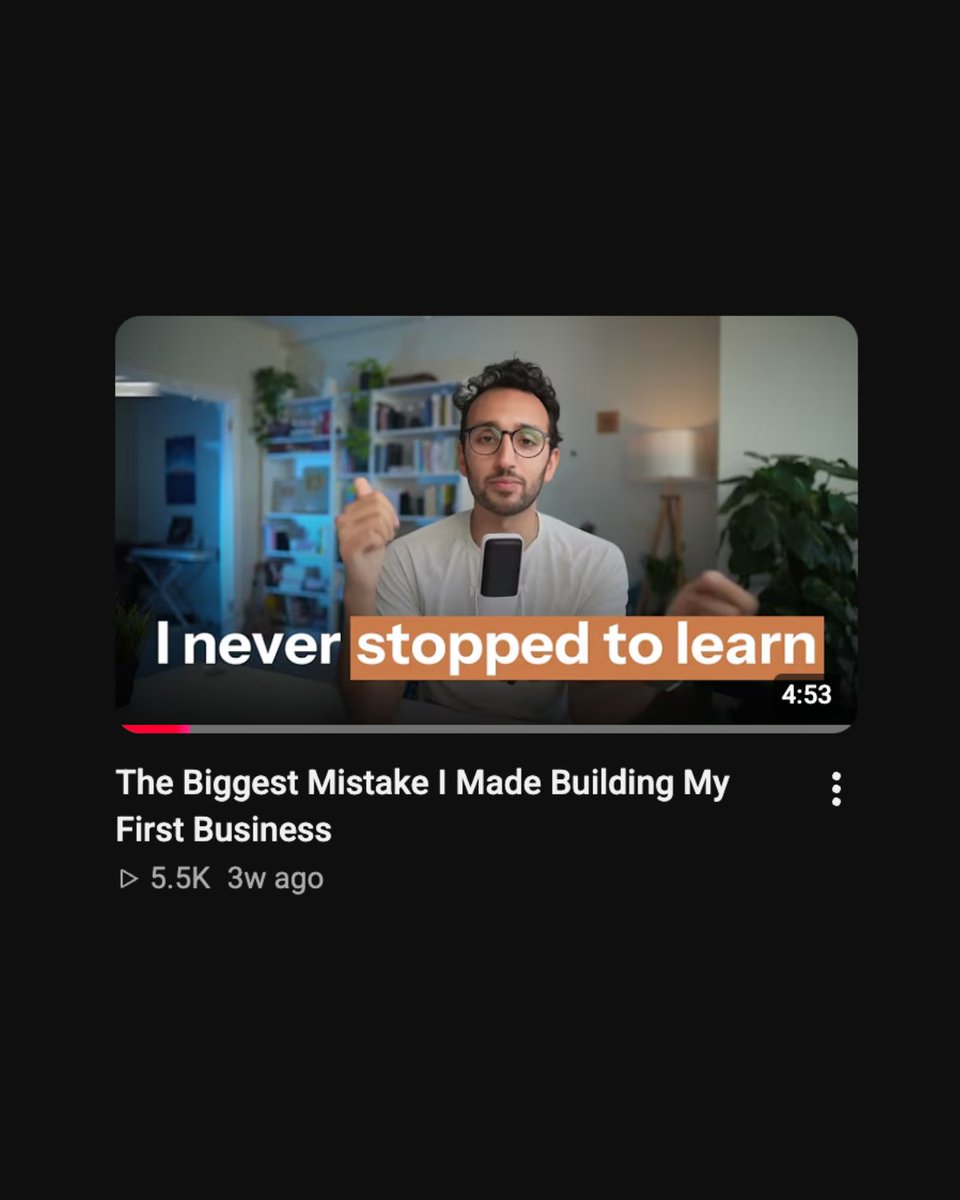
Mistake-based content may not get you millions of views.
But it will earn you something more valuable: trust.
In psychology, this is called the Pratfall Effect.
People tend to find competent people more relatable when they openly share their mistakes.
Share what went wrong, what you learned andwhat you would do differently.
People don't trust perfect people.
Don't waste 2 years learning to become an AI agentic engineer in 2026.
Andrew Ng, the godfather of AI, gave the complete playbook to become one from scratch.
1 hour course. Free:
• 00:00 - AI agent basics
• 12:12 - AI Agentic workflows & design patterns
• 53:27 - Practical tips for building AI agents
• 1:20:30 - self-improving AI agent loops
• 1:30:19 - multi-agent AI systems
I watched it last night.
Halfway through, I realized I could get into Anthropic in weeks, not years.
Bookmark now. Watch it. Then build your own AI agent
If I had 6 months to become an Agentic AI Engineer, I wouldn't waste time collecting certificates or watching endless tutorials. I'd focus on building agents that can actually work in the real world.
First, master the foundations. Learn agent architectures, state machines, tool calling, MCP, memory systems, and context engineering. Then move into browser automation, computer use, and multi-agent coordination. An agent must do more than generate text. It must understand tasks, use tools, and manage state.
Next, learn what separates demos from production systems. Build sandboxed execution, security guardrails, human approval workflows, self-correction loops, and trajectory-based evaluations. Add crash recovery, model fallbacks, cost controls, and reliable execution. Real engineering begins when things go wrong.
Finally, publish what you build. Document architecture decisions, benchmark latency, calculate cost per task, and share reproducible results. Twelve stages, six months, one goal. Stop learning AI just to talk about it. Build systems that prove you can engineer it. Builders get hired.
If you’re at a job interview, and the interviewer asks you to tell them about yourself, use the SEAT technique to structure your answer.
If you're asked questions relating to your previous work experience, use the STAR technique +
AI certifications that actually help you get hired in 2027:
1.) Claude Certified Architect (Foundations)
- Proves you can design and build agent systems with Claude
- $125, 120-minute proctored exam
- Catch: only open to people at Claude Partner Network companies. If that's not you, start with Anthropic's free courses at https://t.co/hrlm4HVsf1
https://t.co/GAdAbV9QPc
2.) GitHub Foundations
- Proves you know Git: commits, branches, pull requests, working on a shared codebase
- About $99 (varies by country), with free prep from GitHub
https://t.co/NIJDMNn3an
3.) Google AI Essentials
- Proves you can use AI for everyday work
- $49/month on Coursera after a 7-day free trial, and under 10 hours of lessons
https://t.co/rH9XmEYHxc
4.) AWS Certified AI Practitioner
- Amazon's official entry-level AI cert, covering Bedrock, SageMaker and gen AI basics
- $100 exam, about 40–60 hours of study
https://t.co/DdbeerLykM
5.) IBM Generative AI Engineering
- The most technical one: LLMs, RAG, LangChain, agents and fine-tuning with real projects
- About 6 months at 6 hrs/week, included in Coursera Plus ($59/month) with financial aid available
https://t.co/Y3wn4lvGb9
A cert won't get you hired on its own. Pair one with a project you've actually shipped.
You don't need an expensive degree or a huge budget to become an AI engineer. PyTorch, Hugging Face, Ollama, Llama, LangChain and Jupyter are all free to get started with. Even Karpathy's Zero to Hero course is available for free. Stop waiting for the perfect setup and spend one focused hour building something every day. The resources are already there. The only question is whether you're willing to start. What's your excuse?
In an era where companies are spending millions trying to figure out the social media algorithm, a newsletter company went back to newspapers.
Marketing is actually fun when you have creative people behind it.
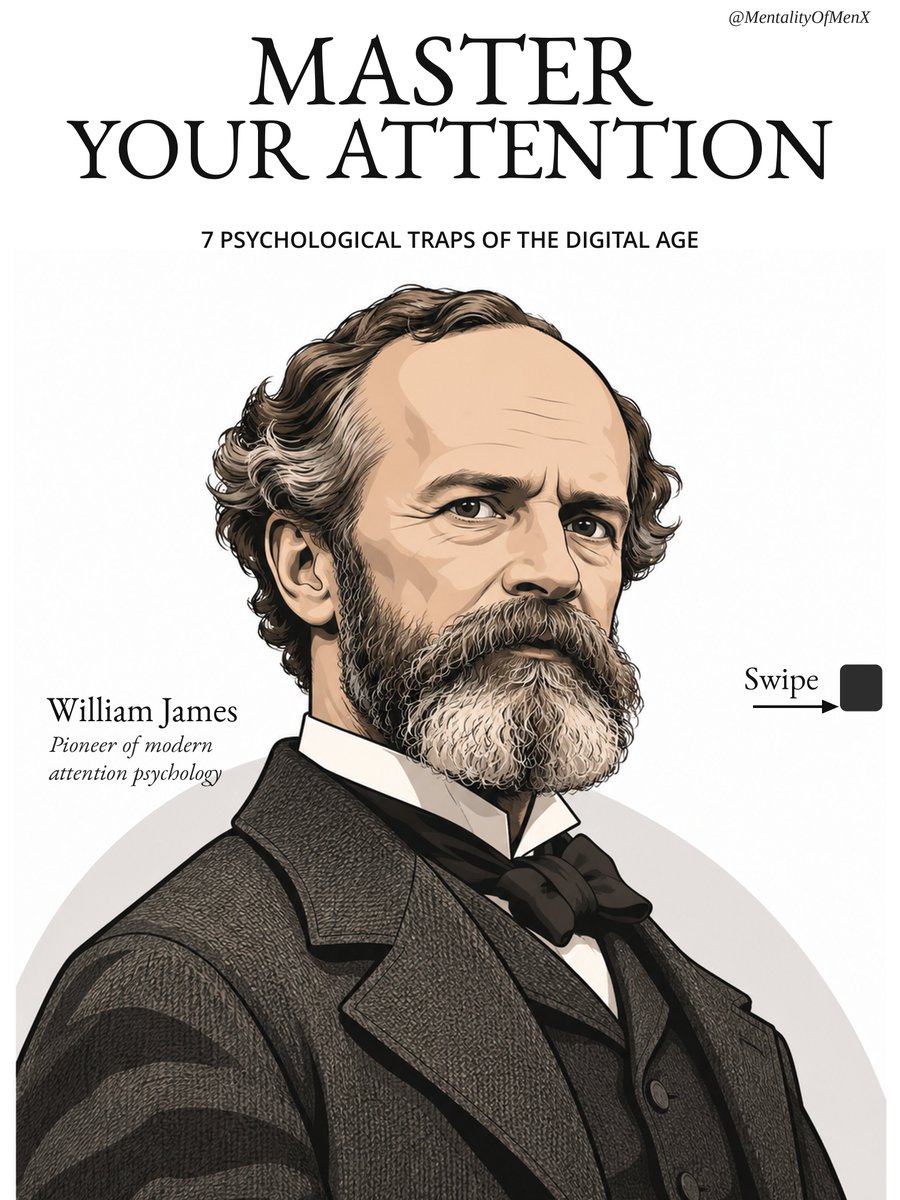
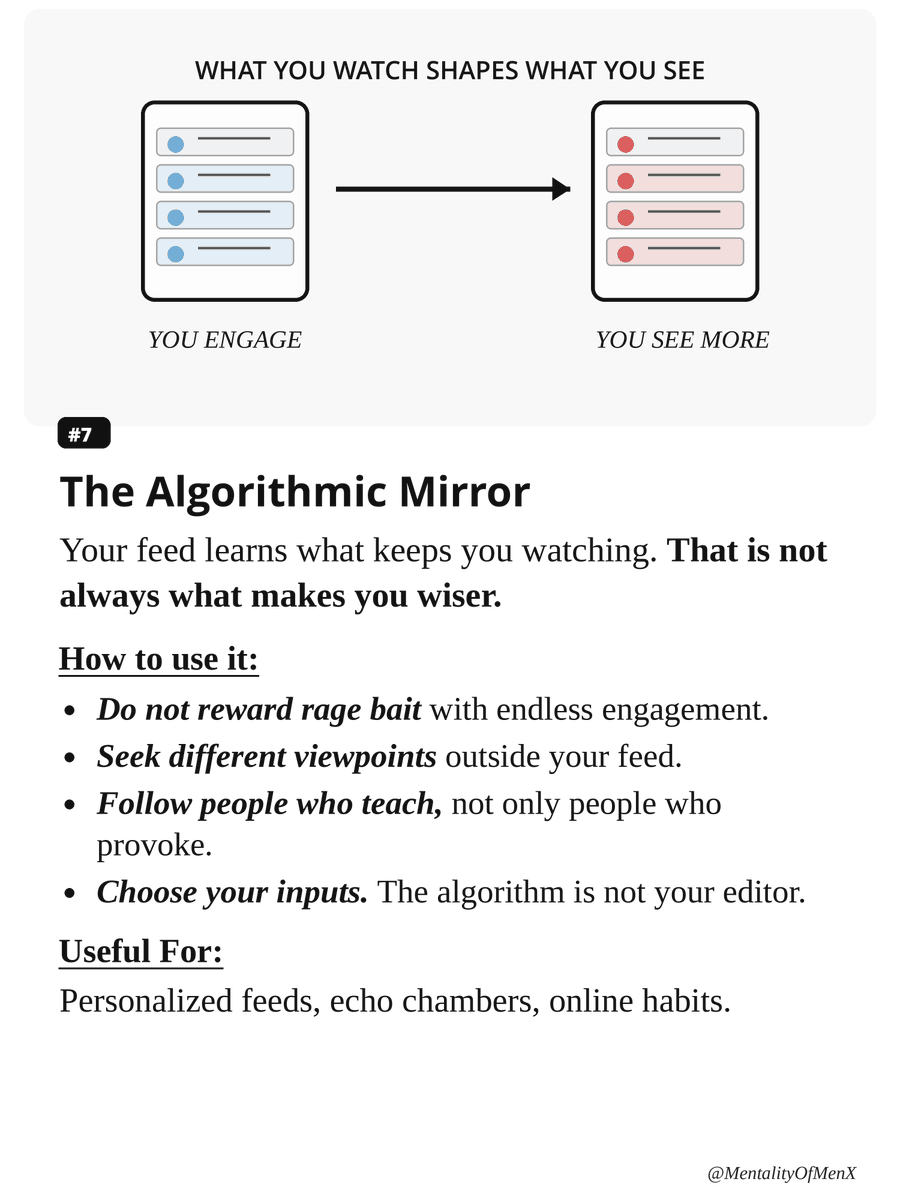
The most dangerous form of manipulation doesn't tell you what to think. It decides what you keep thinking about.
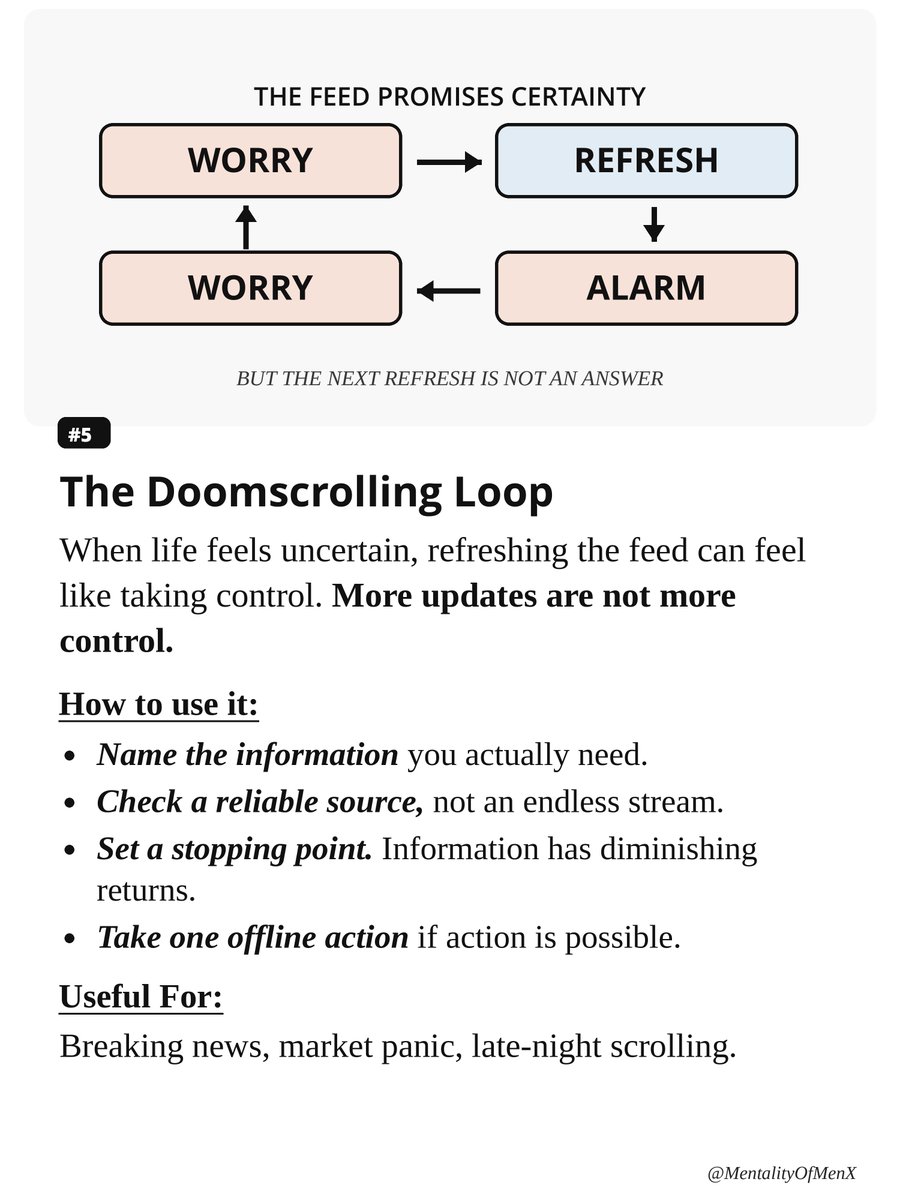
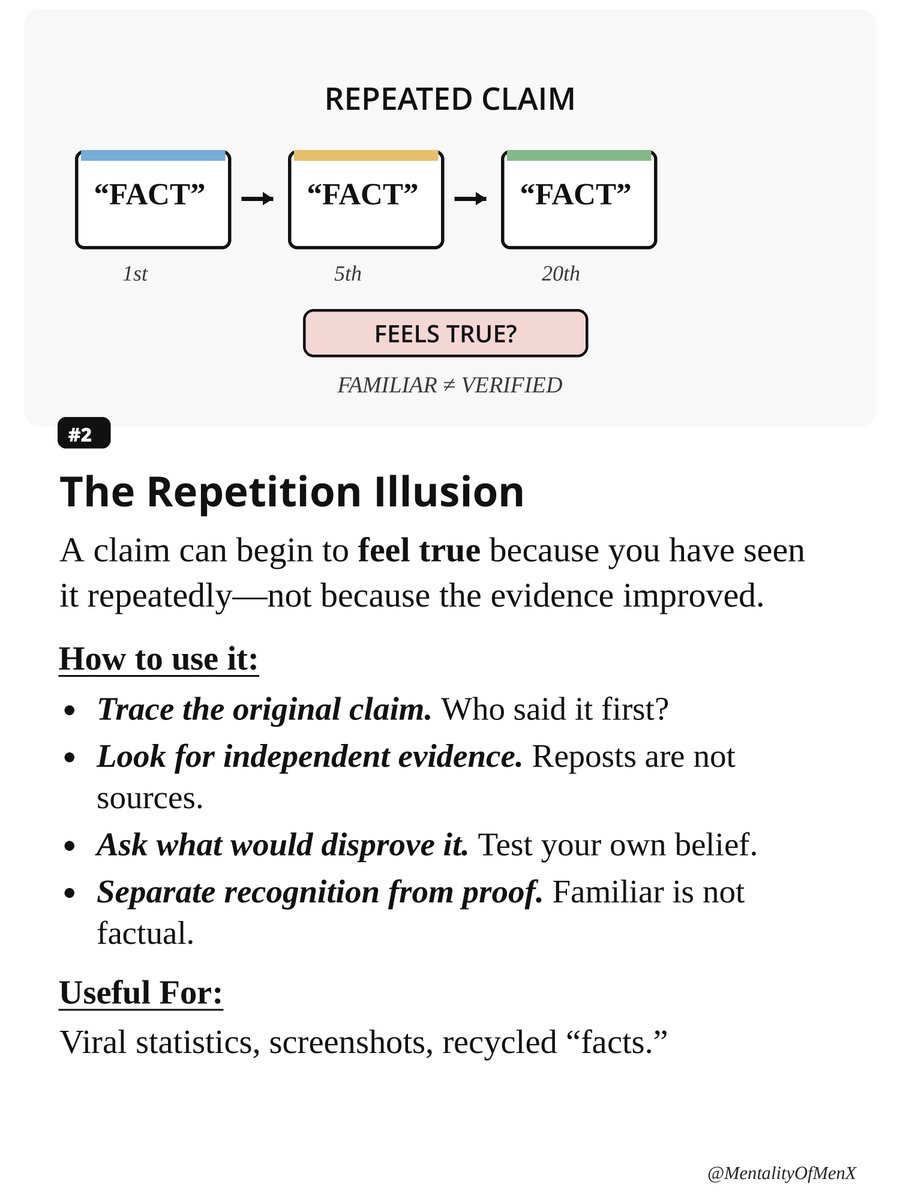
7 psychological traps quietly shaping your mind in the digital age.