The root of this story starts with that same old narrative of strategic depth, the one under which Pakistan has always wanted to keep Afghanistan under its own influence. From interfering in Afghanistan's internal civil war in the nineties right up to recent years, Islamabad, under Rawalpindi's control, has held onto this mindset, that Kabul should keep its internal, and especially its foreign, policies subordinate to the Pakistani army's interests.
That's exactly why, whenever the Islamic Emirate of Afghanistan (IEA) has started shaping its own foreign policy as a free and sovereign state, the Pakistani army has been seen making an "unclean attempt" to widen the gap of tension between the two neighbors.
This diplomatic war reached its peak in October 2025, when Afghan foreign minister Amir Khan Muttaqi made a historic diplomatic and trade visit to India.
What's interesting is that before this visit to India, a visit to Pakistan had also been scheduled for August 2025, but Islamabad, under pressure from the army, backed out of hosting the Afghan foreign minister's visit, using the technical excuse of UN travel restrictions. What's striking about this is that Pakistan itself held the presidency of the UN Security Council at the time. By contrast, India obtained a proper travel exemption from the very same UN under that same Pakistani presidency and gave the Afghan delegation a warm welcome.
This whole episode proved that Pakistan, which appeared to have been bypassed during the Afghan foreign minister's India visit, was actually the one bypassed, because of its own diplomatic weakness.
Kabul's message throughout has remained clear: it doesn't need Islamabad to carve out its own trade and diplomatic paths.
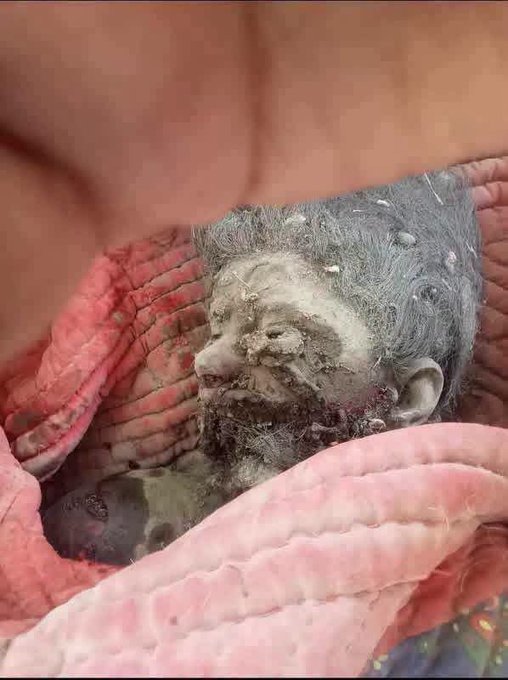
To cool the anger of this same humiliation and strategic defeat, the Pakistani army bombed Afghanistan on the night of October 9th, 2025, claiming it had targeted TTP chief Mufti Noor Wali Mehsud, even though Mufti Noor Wali Mehsud was present in Pakistan itself.
The chain of mutual conflict that began with Pakistani military aggression on the night of October 9th, 2025, was temporarily halted through the mediation of regional powers like China, Qatar, Saudi Arabia, and Turkey, and throughout the war, the IEA kept repeating its position that the solution to these problems could only come through the negotiating table, not through bombing.
Consistent with this same stance, the IEA released three Pakistani soldiers captured during the war as a goodwill gesture, through Saudi mediation.
In the middle of all this, the biggest contradiction appeared once a long and serious round of negotiations began under regional mediation. The IEA took a clear and consistent position that existing issues and security concerns could only be resolved through peaceful dialogue, and Kabul kept the doors of diplomacy open continuously, even during the war.
Pakistan's army, by contrast, took an extremely rigid and aggressive stance. The Pakistani army repeatedly insisted publicly that it would hold no negotiations with "terrorists and their facilitators" and remained fixed on using military force alone. This same unreasonable stubbornness and rigidity from Pakistan fanned small disputes into the shape of a larger war, one that left Islamabad condemned before the international community and mediating countries as a peace-hostile, war-loving party.
But historically, the Pakistani army has consistently turned to cross-border adventurism to divert its own people's attention from severe internal problems like political instability, record-breaking inflation, and public protests. Whenever Pakistan faced pressure at the international level to come to the negotiating table, it would dump the blame for attacks happening inside Pakistan onto Afghanistan to hide its own embarrassment.
Linking the attacks on Rangers in Karachi a few months ago to Afghanistan was part of this same propaganda and narrative war...
Read more 🔗
https://t.co/Eqn8vsadEs
جالبه ده، ګل خانانو اوس د افغان وطن خلاف خپلې ښځې هم را ویوستې او د پر افغان وطن د پاکستان بمبار ته لیارې جوړوي.
*نه دا چایدري افغاني ده؛ نه دا لهجه افغاني ده؛ لهجه مطلق د مردان ده او چایدري پېښورۍ ده.*
ما فکر کاوه چې ګلخانان به یوڅه غیرت و لري خو دا د بېغیرتي انتهاده چې
"مبين" أحد سكان كونر، نجا من القصف، ويقول: استيقظت على صراخ ابني، وعندما فتحت عيني وجدت كل شيء مدمرا ومحطما.
على #أفغانستان أن ترد في الوقت المناسب على هذه الجريمة التي ارتكبها الجيش الباكستاني.
"مبين" أحد سكان كونر، نجا من القصف، ويقول: استيقظت على صراخ ابني، وعندما فتحت عيني وجدت كل شيء مدمرا ومحطما.
على #أفغانستان أن ترد في الوقت المناس�� على هذه الجريمة التي ارتكبها الجيش الباكستاني.